
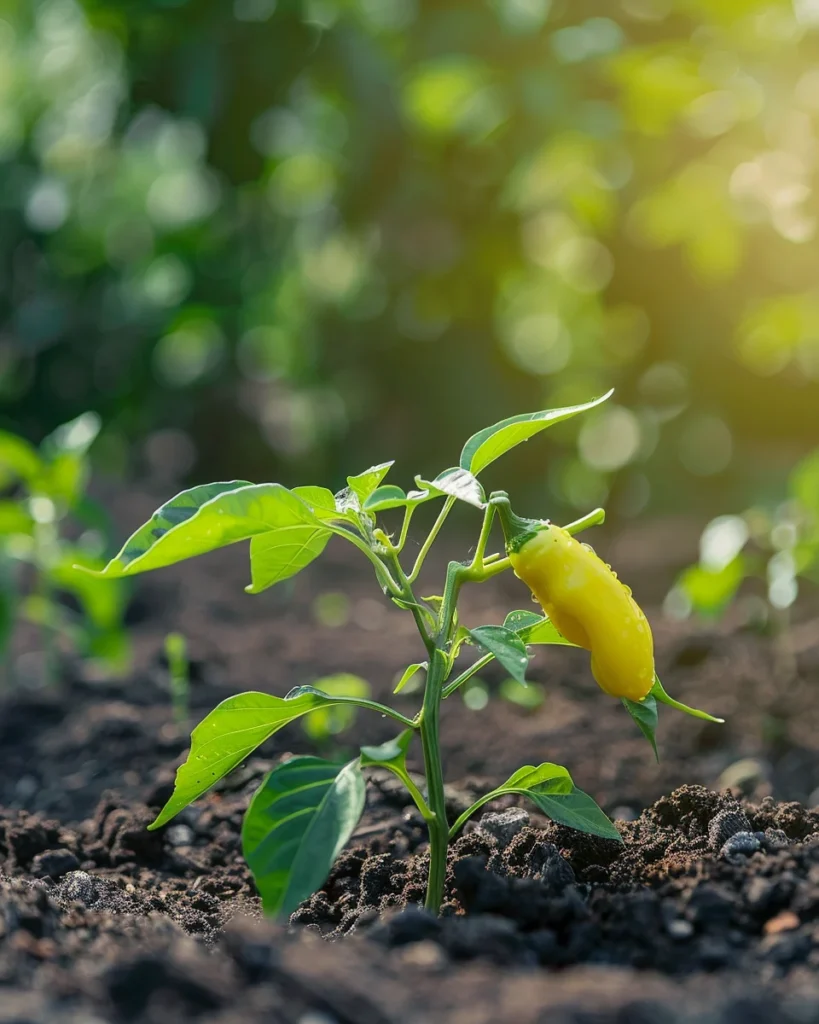
How to Grow Sweet Banana Peppers from Seed: When to Plant, Best Varieties & Care Guide
Intro for growing sweet banana peppers from seed
Sweet banana peppers (Capsicum annuum) are mild, versatile peppers that get their name from their curved, elongated shape and yellowish color that resembles bananas. These peppers offer a delightful sweet flavor with minimal heat, making them perfect for salads, sandwiches, pickling, and cooking. Growing sweet banana peppers from seed allows you to experience their full development cycle and often results in stronger plants with better yields. They thrive in warm, sunny conditions with well-draining soil and are relatively easy to grow in most temperate regions. With proper care, a single plant can produce dozens of peppers throughout the growing season, providing a bountiful harvest for minimal effort.
When to plant sweet banana peppers from seed
Sweet banana peppers require warm soil and air temperatures to germinate and grow properly. Seeds should be started indoors 8-10 weeks before your region’s last expected frost date. For successful germination, soil temperatures should be between 21-32°C (70-90°F), with optimal germination occurring around 29°C (85°F). These peppers are extremely frost-sensitive and should only be transplanted outdoors when all danger of frost has passed and nighttime temperatures consistently remain above 10°C (50°F). In temperate regions, this typically means planting outdoors from late spring through early summer, depending on your specific climate zone.
Best time to plant sweet banana peppers from seed
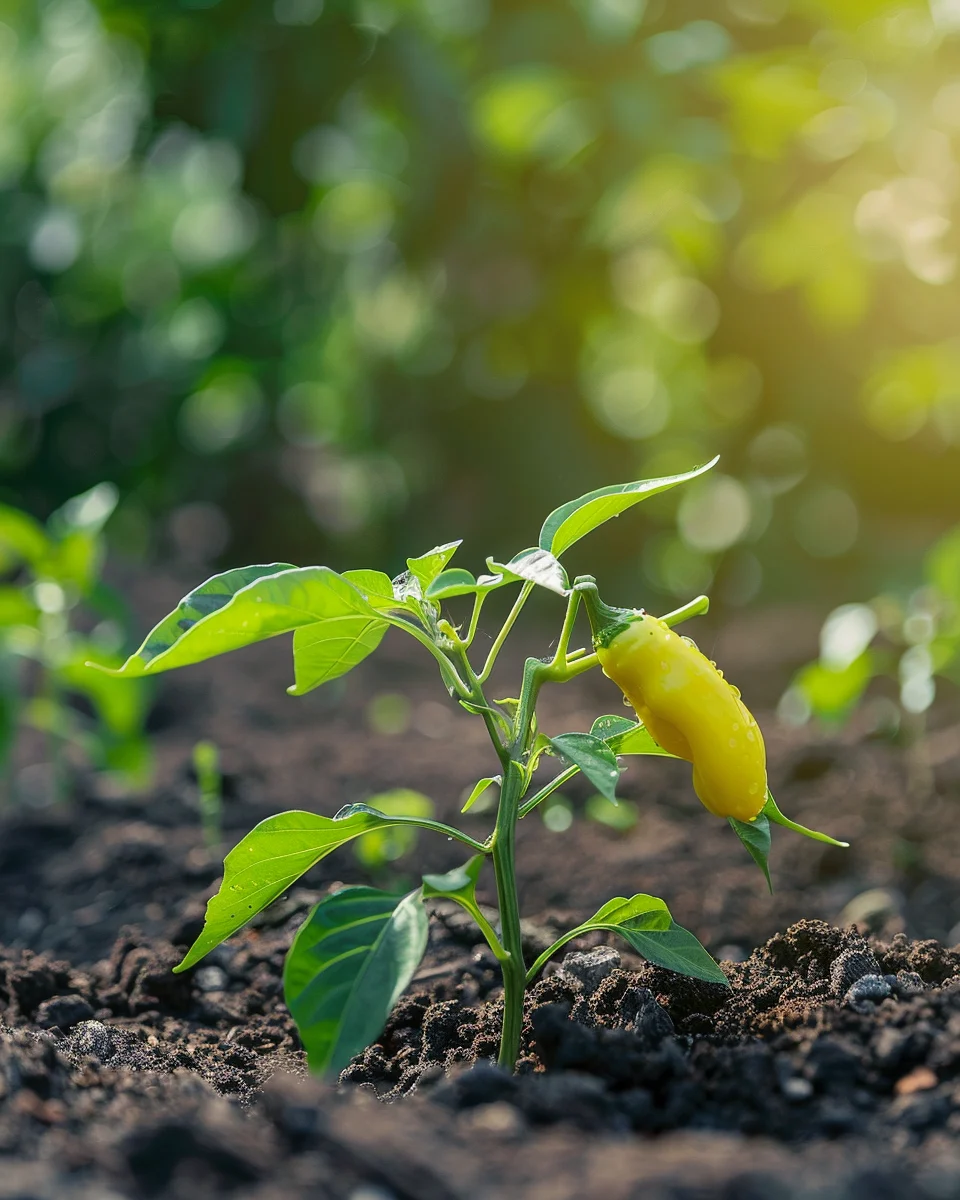
In cool temperate regions (UK, Northern US, Canada), start seeds indoors from February to March for transplanting outdoors in May or June. In warmer temperate regions (US Zones 7-9, Mediterranean climates), seeds can be started indoors from January to February for transplanting in April or May. For very warm regions (US Zones 10-11), seeds can be started from December to January for early spring transplanting, or in July-August for a fall crop. Direct sowing is generally not recommended except in the warmest climates with long growing seasons, as banana peppers need a long period (70-90 days) to mature from transplants.
Best sweet banana peppers varieties to grow
- Sweet Banana – The classic variety with prolific yields of 6-7 inch yellow peppers that mature to red.
- Bananarama – Earlier maturing variety (65-70 days) with thick-walled, sweet fruits ideal for shorter growing seasons.
- Sweet Hungarian – Slightly larger fruits with excellent sweet flavor and thick walls perfect for stuffing.
- Goddess Banana – Compact plants (18-24 inches) that produce early and are excellent for container growing.
- Boris – High-yielding hybrid with resistance to tobacco mosaic virus and excellent disease resistance.
- Banana Bill – Extra-large fruits (up to 8 inches) with thick walls and sweet flavor when fully ripe.
- Inferno – For those who want a bit more heat, this banana-type has mild-medium heat with excellent flavor.
How to plant sweet banana peppers from seed
Materials needed:
- Sweet banana pepper seeds
- Seed-starting trays or small pots (7-10 cm/3-4 inch)
- Seed-starting mix or fine potting soil
- Heat mat (optional but recommended)
- Grow lights or sunny windowsill
- Plastic dome or plastic wrap
- Spray bottle for watering
- Organic fertilizer
Step-by-step planting process:
- Fill seed-starting containers with moistened seed-starting mix, leaving 1 cm (½ inch) space at the top.
- Plant seeds 0.6 cm (¼ inch) deep, placing 2-3 seeds per cell or small pot.
- Cover lightly with soil, then mist with water to ensure good seed-to-soil contact.
- Cover containers with a plastic dome or plastic wrap to maintain humidity.
- Place on a heat mat set to 27-29°C (80-85°F) or in a warm location.
- Once seedlings emerge (7-14 days), remove the cover and place under grow lights or in a very sunny window.
- When seedlings develop their first true leaves, thin to the strongest plant per cell by snipping extras at soil level.
- When plants have 2-3 sets of true leaves, transplant to larger 10-15 cm (4-6 inch) pots.
- Harden off seedlings 7-10 days before transplanting by gradually exposing them to outdoor conditions.
- Transplant hardened seedlings to the garden 45-60 cm (18-24 inches) apart in rows 60-75 cm (24-30 inches) apart.
How to grow sweet banana peppers from seed
Sweet banana peppers require full sunlight, at least 6-8 hours daily, with 8-10 hours being ideal for maximum fruit production. Water deeply but infrequently, allowing the top inch of soil to dry between waterings. Typically, this means watering 1-2 times per week, adjusting for rainfall and temperature. Apply a balanced organic fertilizer (5-5-5) at planting time, then switch to a lower-nitrogen, higher-phosphorus fertilizer (like 5-10-10) when flowering begins to encourage fruit production.
Apply a 5-7 cm (2-3 inch) layer of organic mulch around plants to retain moisture, suppress weeds, and regulate soil temperature. While pruning isn’t strictly necessary, removing the first few flowers can help establish stronger plants. For taller varieties or plants with heavy fruit loads, provide support with stakes or small tomato cages to prevent branches from breaking.
For container growing, choose pots at least 30-40 cm (12-16 inches) in diameter with good drainage. Use high-quality potting mix and expect to water more frequently than in-ground plants. Container-grown peppers benefit from weekly feeding with half-strength liquid fertilizer during the fruiting period.
Caring for sweet banana peppers from seed
Monitor plants regularly for signs of stress or pest issues. Common pests include aphids, which can be controlled with a strong spray of water or insecticidal soap; spider mites, which thrive in hot, dry conditions and can be deterred with regular misting; and pepper hornworms, which should be hand-picked. Disease issues include bacterial leaf spot (showing as dark, water-soaked spots), which is best prevented by avoiding overhead watering and ensuring good air circulation.
Harvest banana peppers when they reach full size and have turned from green to yellow, typically 70-80 days after transplanting. For sweeter flavor, you can allow them to ripen further to orange or red. Use garden shears or scissors to cut peppers from the plant rather than pulling, which can damage stems. Fresh peppers will keep in the refrigerator for 1-2 weeks, or they can be frozen, dried, or pickled for longer storage.
Understanding bolting in sweet banana peppers
Unlike leafy greens, sweet banana peppers don’t actually bolt in the traditional sense. Bolting refers to premature flowering and seed production in vegetable crops, but since peppers are grown specifically for their fruits (which develop after flowering), this isn’t considered a problem. However, pepper plants can experience stress-related issues that affect production.
Extreme heat (above 35°C/95°F) can cause flower drop and reduced fruit set. During heatwaves, provide afternoon shade and increase watering frequency. Drought stress can also reduce flowering and fruit development, so maintain consistent soil moisture. If plants stop producing during midsummer heat, continue proper care, and they will often resume production when temperatures moderate in late summer or early fall.
Why does sweet banana pepper turn bitter?
- Environmental stress: Extreme temperature fluctuations or drought can cause bitterness – maintain consistent watering and consider shade cloth during heatwaves.
- Improper harvesting: Overripe or underripe peppers may develop bitter flavors – harvest at the appropriate yellow stage for best flavor.
- Nutrient imbalance: Excessive nitrogen fertilizer can affect flavor – switch to lower-nitrogen fertilizer when plants begin flowering.
- Cross-pollination: If growing near hot peppers, some cross-pollination might occur affecting next generation’s seeds, but not current fruits.
- Variety characteristics: Some varieties naturally have slightly more bitter notes – try different varieties if consistent bitterness is an issue.
Companion planting for sweet banana peppers
Good companions include:
- Basil – Repels flies and mosquitoes while improving pepper flavor and growth.
- Onions and Garlic – Deter many pepper pests with their strong scent.
- Marigolds – Repel nematodes and other soil pests that can damage pepper roots.
- Carrots – Use space efficiently as they grow below ground while peppers grow above.
- Spinach or Lettuce – Provide ground cover that helps retain soil moisture and suppress weeds.
Avoid planting near:
- Fennel – Secretes compounds that inhibit growth of many plants, including peppers.
- Brassicas (cabbage, broccoli, kale) – Compete for similar nutrients and can stunt pepper growth.
- Other Solanaceae family members (tomatoes, eggplants) – Can share and spread common diseases.
Seasonal calendar
- January-February: Order seeds and start indoors in warm regions; prepare growing containers.
- March: Start seeds indoors in cooler regions; continue growing seedlings with adequate light.
- April: Transplant to larger pots; begin hardening off in warm regions; prepare garden beds.
- May: Transplant outdoors in most regions after frost danger passes; apply initial fertilizer.
- June: Monitor for pests; maintain consistent watering; apply mulch if not done at planting.
- July: Apply phosphorus-rich fertilizer as flowering begins; provide support if needed.
- August-September: Main harvest period; continue regular watering and pest monitoring.
- October: Final harvests in most regions; save seeds from fully ripe peppers if desired.
- November-December: Clean up garden; compost plants after harvest (unless diseased).
Note: In hot regions (Zones 9-11), adjust calendar earlier by 4-6 weeks. In cool regions (Zones 3-5), adjust later by 2-4 weeks.
Problems & solutions
| Problem | Quick Fix |
|---|---|
| Yellowing leaves | Check for overwatering; ensure proper drainage; apply balanced fertilizer if nutrient deficiency is suspected. |
| Flowers dropping without forming fruit | Likely temperature stress; provide shade during extreme heat; ensure night temperatures are above 15°C (60°F). |
| Stunted growth | Check for root-bound plants; ensure adequate spacing; apply compost tea to boost growth. |
| Small, malformed fruits | Improve pollination by gently shaking plants during flowering; ensure consistent watering. |
| Black spots on leaves or fruits | Bacterial spot or blight; remove affected leaves; avoid overhead watering; apply copper-based fungicide if organic. |
| Curling leaves | Check undersides for aphids; spray with insecticidal soap; ensure consistent watering. |
| Slow germination | Increase soil temperature with heat mat; ensure seeds aren’t too old; maintain consistent moisture. |
Common questions about growing sweet banana peppers from seed
How often should I water my sweet banana pepper plants?
Water deeply when the top 2.5 cm (1 inch) of soil feels dry to the touch, typically 1-2 times per week depending on weather conditions. Container plants may need daily watering during hot weather.
How much sun do sweet banana peppers need?
Sweet banana peppers require at least 6-8 hours of direct sunlight daily, with 8-10 hours being ideal for maximum fruit production.
What size container works best for growing sweet banana peppers?
Use containers at least 30-40 cm (12-16 inches) in diameter and depth, with a minimum capacity of 19 liters (5 gallons) per plant to ensure adequate root space.
How far apart should I space sweet banana pepper plants?
Space plants 45-60 cm (18-24 inches) apart in rows that are 60-75 cm (24-30 inches) apart to ensure good air circulation and room for growth.
Can sweet banana peppers tolerate cold temperatures?
No, they’re very frost-sensitive. Temperatures below 10°C (50°F) slow growth, and any frost will damage or kill plants. Optimal growing temperature is 21-29°C (70-85°F).
How many peppers will one plant produce?
Under ideal conditions, a single sweet banana pepper plant can produce 20-30 peppers throughout the growing season, with peak production in midsummer to early fall.
How do I know when sweet banana peppers are ready to harvest?
Harvest when peppers reach full size (15-18 cm/6-7 inches) and have turned from green to yellow. For sweeter flavor, you can let them ripen further to orange or red.