
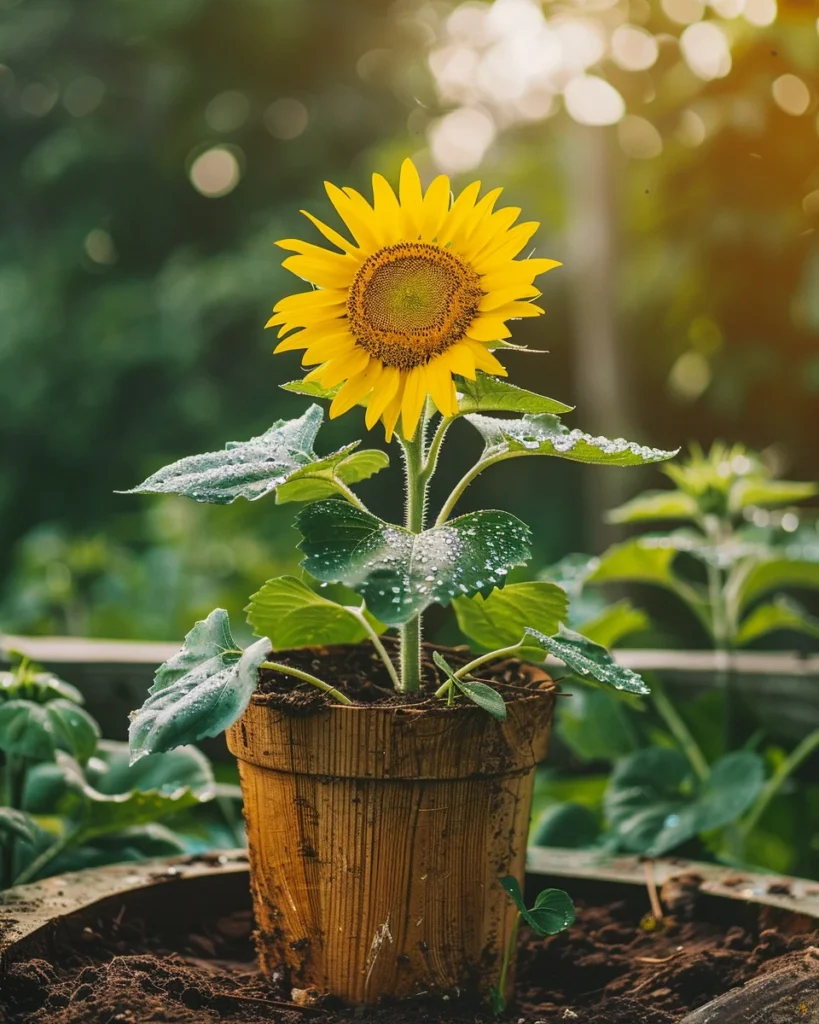
How to Grow Sunflowers in Pots: A Complete Guide to Container Varieties, Planting Times & Care
Intro for growing sunflowers in pots
Sunflowers aren’t just for sprawling gardens—they can thrive beautifully in containers, bringing their cheerful blooms to patios, balconies, and small spaces. Growing sunflowers in pots offers flexibility for gardeners with limited space while still delivering those iconic yellow blooms that track the sun. Container-grown sunflowers are perfect for urban gardeners, renters, or anyone wanting to add a splash of summer color to their outdoor living areas. With proper variety selection and care, potted sunflowers can reach impressive heights and produce the same stunning flowers as their in-ground counterparts, while being more manageable and even portable as needed throughout the growing season.
When to plant sunflowers in pots
Sunflowers thrive in warm conditions and are frost-sensitive, making timing crucial for successful growth. In most temperate regions, wait until all danger of frost has passed before planting sunflowers outdoors. The soil temperature should consistently reach at least 10-15°C (50-60°F) for optimal germination. In cooler climates, you can start seeds indoors 3-4 weeks before your last frost date, but sunflowers generally prefer direct sowing as they don’t always transplant well due to their sensitive taproots. For gardeners in USDA zones 4-9 or similar UK/European growing zones, this typically means planting between mid-spring and early summer.
Best time to plant sunflowers in pots
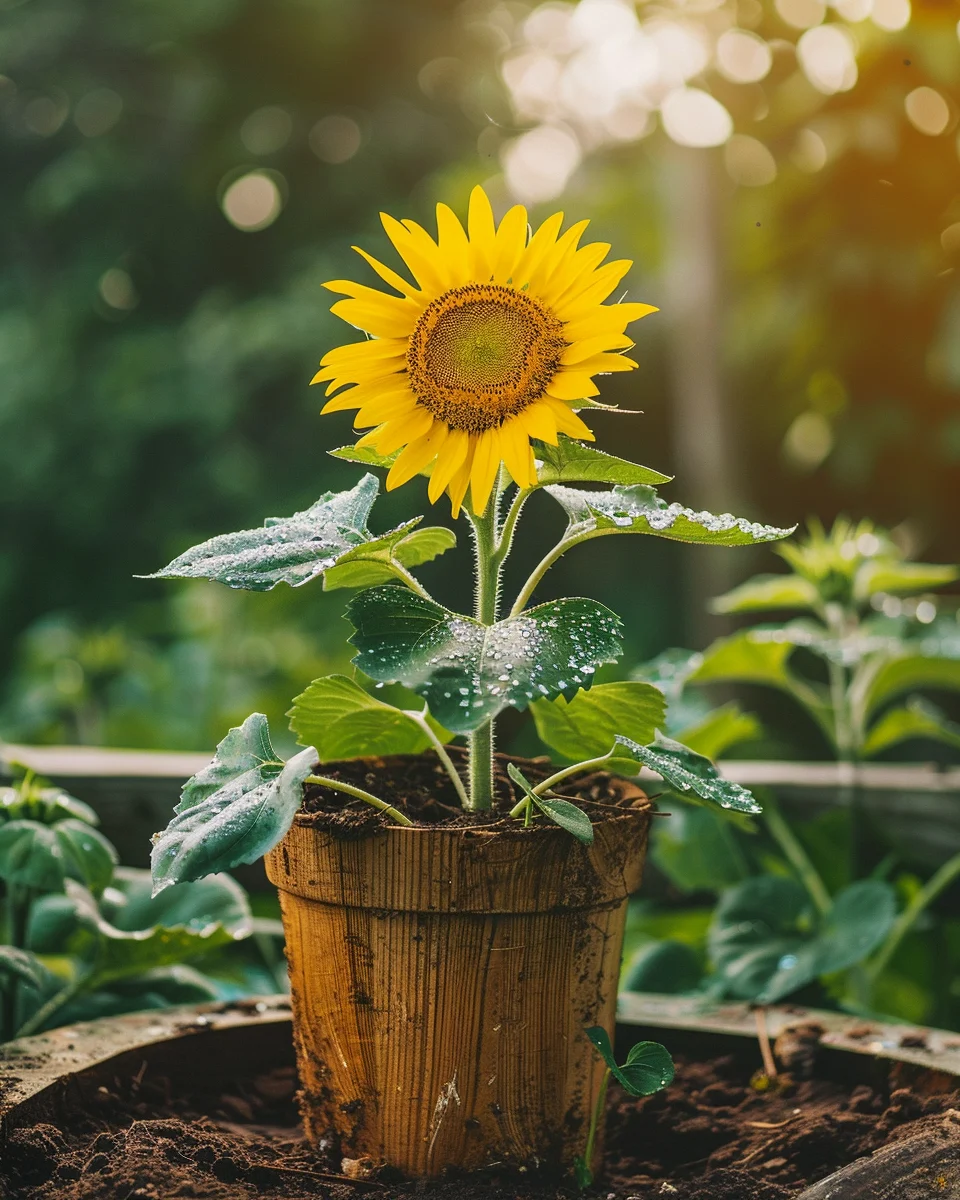
For cool temperate regions (UK, Northern Europe, US zones 3-5), plant sunflower seeds in containers from mid-May through June when temperatures consistently stay above 10°C (50°F). In warmer climates (Mediterranean, US zones 6-10), you can start as early as April and continue succession planting through July for extended blooms. For indoor starts in cooler areas, sow seeds 3-4 weeks before your last expected frost, then harden off seedlings before moving pots outside. For the longest display of blooms, consider staggered plantings every 2-3 weeks through early summer. Dwarf varieties can often be planted slightly later than tall varieties as they mature more quickly.
Best sunflower varieties to grow in pots
- Sunspot – Compact 40-60cm (16-24in) plants with large 25cm (10in) blooms, perfect for medium-sized containers.
- Teddy Bear – Fluffy double blooms on plants just 30-45cm (12-18in) tall, ideal for small pots and windowsills.
- Little Becka – Bicolored red and yellow flowers on 90-120cm (3-4ft) plants with multiple branches for continuous blooming.
- Suntastic Yellow – Ultra-dwarf variety (20-30cm/8-12in) that produces multiple flowers per plant in small containers.
- Pacino Gold – Branching habit with multiple 10-12cm (4-5in) blooms on 30-40cm (12-16in) plants, excellent for patio pots.
- Elf – Early-maturing dwarf variety (30-40cm/12-16in) with classic yellow blooms, perfect for children’s gardens.
- Ruby Eclipse – Striking burgundy petals with golden tips on 120-150cm (4-5ft) plants that can be grown in larger containers.
How to plant sunflowers in pots
Materials needed:
- Container(s) at least 30cm (12in) deep and wide (larger for taller varieties)
- High-quality potting mix with good drainage
- Sunflower seeds
- Slow-release fertilizer
- Watering can
- Support stakes (for taller varieties)
Step-by-step planting:
- Select a container with drainage holes that’s appropriate for your chosen variety—at least 30cm (12in) deep for dwarf types and 45cm+ (18in+) for larger varieties.
- Fill the container with high-quality potting mix to about 2.5cm (1in) below the rim, mixing in some slow-release fertilizer according to package directions.
- Moisten the soil thoroughly before planting and allow excess water to drain.
- Plant 2-3 seeds per pot, pushing them 2.5cm (1in) deep into the soil.
- Cover lightly with soil and water gently to settle.
- Place the container in a sunny location that receives at least 6-8 hours of direct sunlight daily.
- Keep soil consistently moist but not waterlogged until germination occurs (usually within 7-10 days).
- Once seedlings reach 10cm (4in) tall, thin to the strongest plant per pot by snipping extras at soil level.
- For varieties over 90cm (3ft), insert support stakes at this early stage to avoid damaging roots later.
How to grow sunflowers in pots
Sunflowers in containers need full sun—at least 6-8 hours of direct sunlight daily for optimal growth and flowering. Water thoroughly when the top 2.5cm (1in) of soil feels dry, which may mean daily watering during hot weather. Container sunflowers dry out faster than garden-planted ones, so consistent moisture is crucial. Feed with a balanced liquid fertilizer every 2-3 weeks, or use a slow-release fertilizer at planting time and mid-season. Taller varieties will need sturdy stakes inserted at planting time; secure the stems with soft plant ties as they grow. For bushier growth in branching varieties, pinch the main growing tip when plants reach 30cm (12in) tall. Container-specific considerations include using a high-quality potting mix with good drainage, choosing pots with adequate depth for root development, and positioning containers where they won’t be knocked over by wind (especially important for taller varieties).
Caring for sunflowers in pots
Monitor container moisture levels daily during hot weather, as pots can dry out quickly. Deadhead spent blooms on multi-headed varieties to encourage continued flowering. Watch for common pests like aphids and slugs—aphids can be removed with a strong spray of water or insecticidal soap, while copper tape around pots can deter slugs. Powdery mildew may appear in humid conditions; improve air circulation and avoid overhead watering to prevent it. Harvest sunflower heads when the back turns yellow and the seeds are plump, cutting the stem about 10cm (4in) below the flower head. To collect seeds, hang flower heads upside down in a paper bag in a well-ventilated area until completely dry (2-3 weeks), then rub the seeds loose. Store dried seeds in an airtight container in a cool, dry place for up to a year for eating or replanting.
Understanding bolting in sunflowers
Unlike leafy vegetables, “bolting” isn’t a concern with sunflowers since flowering is their natural growth cycle and desired outcome. However, premature flowering can occur when sunflowers experience stress. This typically results in smaller plants with smaller flowers blooming earlier than expected. Stress factors include inconsistent watering, extreme temperature fluctuations, root confinement in too-small containers, or nutrient deficiencies. To prevent premature flowering, maintain consistent watering schedules, use appropriately sized containers for your variety, and ensure adequate nutrition. If your sunflowers do flower earlier than expected, enjoy the blooms—there’s no way to reverse the process, but you can note the conditions and adjust for your next planting.
Why does sunflowers in pots turn bitter?
Sunflower seeds rarely develop bitterness issues when grown in containers, but several factors can affect seed quality:
- Harvesting too early – Seeds need to fully mature on the plant; harvest when the back of the flower head turns yellow to brown.
- Improper drying – Seeds must be thoroughly dried before storage to prevent mold that can cause off-flavors.
- Poor storage conditions – Exposure to heat and humidity after harvest can cause seeds to develop rancid oils and bitter taste.
- Variety selection – Some ornamental varieties produce seeds that aren’t as palatable as those bred specifically for seed production.
- Environmental stress – Severe drought or heat stress during seed development can affect flavor quality.
Companion planting for sunflowers in pots
When creating mixed container plantings with sunflowers, consider these beneficial companions:
- Nasturtiums – Their trailing habit works well in container edges and they repel aphids that might attack sunflowers.
- Marigolds – Complement sunflowers’ yellow tones while deterring nematodes and other pests.
- Basil – Grows well in the same sunny conditions and can improve the flavor of nearby plants while repelling flies and mosquitoes.
- Chives – Their upright form works well alongside sunflowers and they deter aphids with their mild onion scent.
- Zinnias – Attract pollinators that benefit sunflowers and add complementary colors to container displays.
Avoid planting sunflowers in containers with:
- Potatoes – They compete for nutrients and can inhibit each other’s growth.
- Pole beans – While they might seem like good companions for climbing, sunflowers produce compounds that can inhibit bean growth.
Seasonal calendar
- March-April: Prepare containers and start seeds indoors in cooler regions.
- May: Direct sow seeds in containers after last frost; transplant indoor seedlings.
- June: Continue succession planting for extended blooms; stake taller varieties.
- July: Apply mid-season fertilizer; monitor water needs closely during hot weather.
- August: Early plantings begin to bloom; deadhead multi-headed varieties.
- September: Harvest mature flower heads for seeds; continue enjoying late blooms.
- October: Final harvest of seeds; clean and store containers for next season.
Note: In warmer zones (8-10), planting can begin 2-4 weeks earlier and extend later. In cooler zones (3-4), delay outdoor planting until soil warms reliably and be prepared to harvest earlier.
Problems & solutions
| Problem | Quick Fix |
|---|---|
| Leggy, weak stems | Increase light exposure; move to a sunnier location; ensure adequate spacing. |
| Yellowing leaves | Check watering (both over and under can cause this); apply balanced fertilizer if nutrient deficient. |
| Flower heads drooping prematurely | Provide immediate support with stakes; ensure consistent watering; protect from strong winds. |
| Aphids on buds and stems | Spray with strong water jet; apply insecticidal soap; introduce ladybugs as natural predators. |
| Birds eating seeds | Cover developing seed heads with lightweight mesh bags or old pantyhose. |
| Container tipping over | Use heavier/wider pots; place rocks in the bottom for stability; position in sheltered location. |
| Powdery white spots on leaves | Improve air circulation; avoid overhead watering; apply organic fungicide if severe. |
Common questions about growing sunflowers in pots
Q: How large should my container be for growing sunflowers?
A: For dwarf varieties (under 60cm/2ft), use containers at least 30cm (12in) deep and wide. For medium varieties (60-120cm/2-4ft), use 40-45cm (16-18in) containers. For tall varieties, choose pots at least 45-60cm (18-24in) deep and wide with excellent stability.
Q: How often should I water sunflowers in containers?
A: Check daily during warm weather. Water thoroughly when the top 2.5cm (1in) of soil feels dry. Containers may need daily watering during hot periods, but avoid waterlogging which can cause root rot.
Q: Can I grow full-sized sunflowers in pots?
A: Yes, but choose containers at least 60cm (24in) deep and wide, use high-quality potting mix, provide sturdy support, and be vigilant about watering and feeding. Varieties under 180cm (6ft) are more manageable in containers.
Q: Do sunflowers in pots need special fertilizer?
A: A balanced fertilizer (10-10-10) works well. Apply slow-release fertilizer at planting time and supplement with liquid fertilizer every 2-3 weeks during the growing season. Avoid high-nitrogen formulas which promote leafy growth at the expense of flowers.
Q: How do I know when to harvest sunflower seeds?
A: Harvest when the back of the flower head turns yellow to brown, petals have mostly fallen, and seeds look plump with their black-and-white striped pattern fully developed. This typically occurs 30-45 days after blooming.
Q: Can I overwinter sunflowers in pots?
A: Sunflowers are annuals that complete their lifecycle in one season. While you can’t overwinter the plants, you can collect and store seeds for replanting the following year.
Q: How many sunflower plants can I grow in one container?
A: For most varieties, limit to one plant per container to prevent competition for nutrients and water. Very small dwarf varieties might accommodate 2-3 plants in a larger container (45cm/18in or more in diameter).