
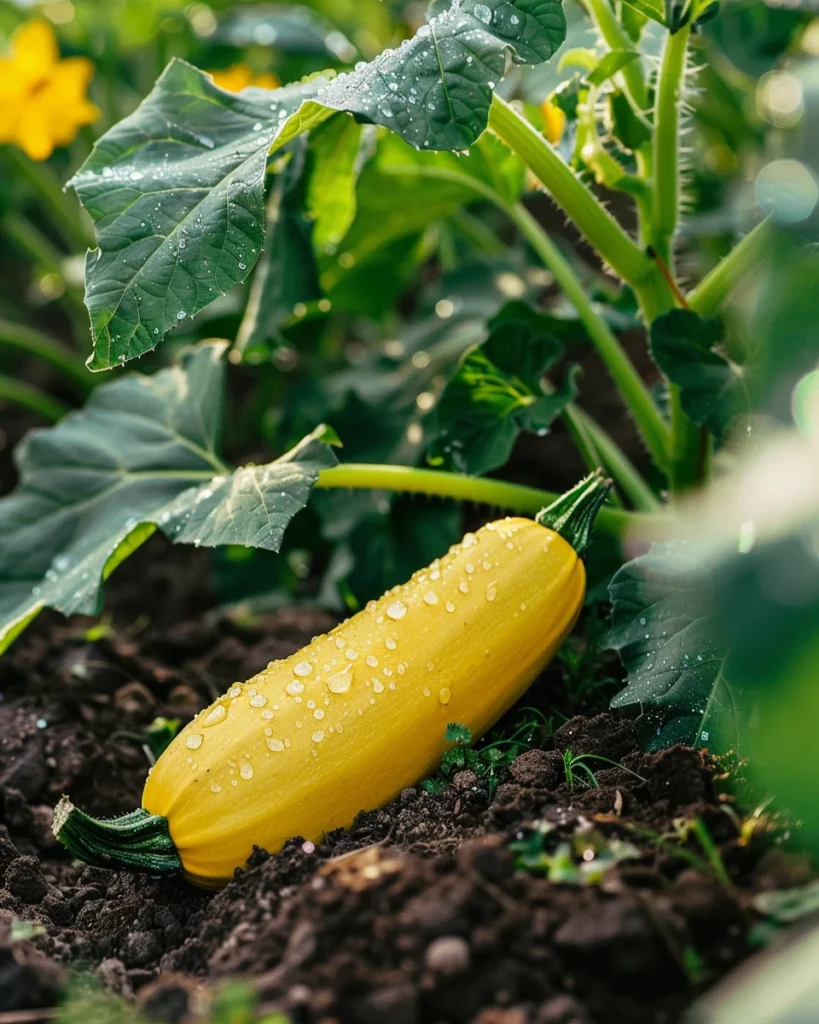
How to Grow Summer Squash in Small Spaces: When to Plant, Best Varieties & Care
Intro for growing summer squash in small spaces
Summer squash is a versatile, productive vegetable that doesn’t have to be relegated to large garden plots. These warm-season cucurbits produce abundantly in compact spaces, making them perfect for urban gardens, balconies, and small yards. Unlike their sprawling winter squash cousins, summer varieties like zucchini, patty pan, and yellow crookneck can be trained upward or contained in pots. With their quick growth cycle of just 40-60 days from planting to harvest, summer squash rewards gardeners with continuous yields throughout the growing season. Their shallow root systems and adaptability to container growing make them ideal candidates for small-space gardening, providing fresh, nutritious produce without requiring extensive garden real estate.
When to plant summer squash in small spaces
Summer squash thrives in warm conditions and is extremely frost-sensitive. Wait until all danger of frost has passed and soil temperatures have reached at least 15-18°C (60-65°F) before planting. In most temperate regions, this typically falls between mid-spring and early summer. The plants need consistent warmth to germinate properly and establish strong root systems.
For gardeners in cooler climates (UK or US Zones 3-5), wait until late spring when nighttime temperatures consistently stay above 10°C (50°F). In warmer Mediterranean or southern regions (US Zones 8-10), you can often plant earlier in spring and even attempt a second planting in late summer for fall harvests. Remember that soil warms more quickly in containers than in the ground, giving container gardeners a slight head start.
Best time to plant summer squash in small spaces
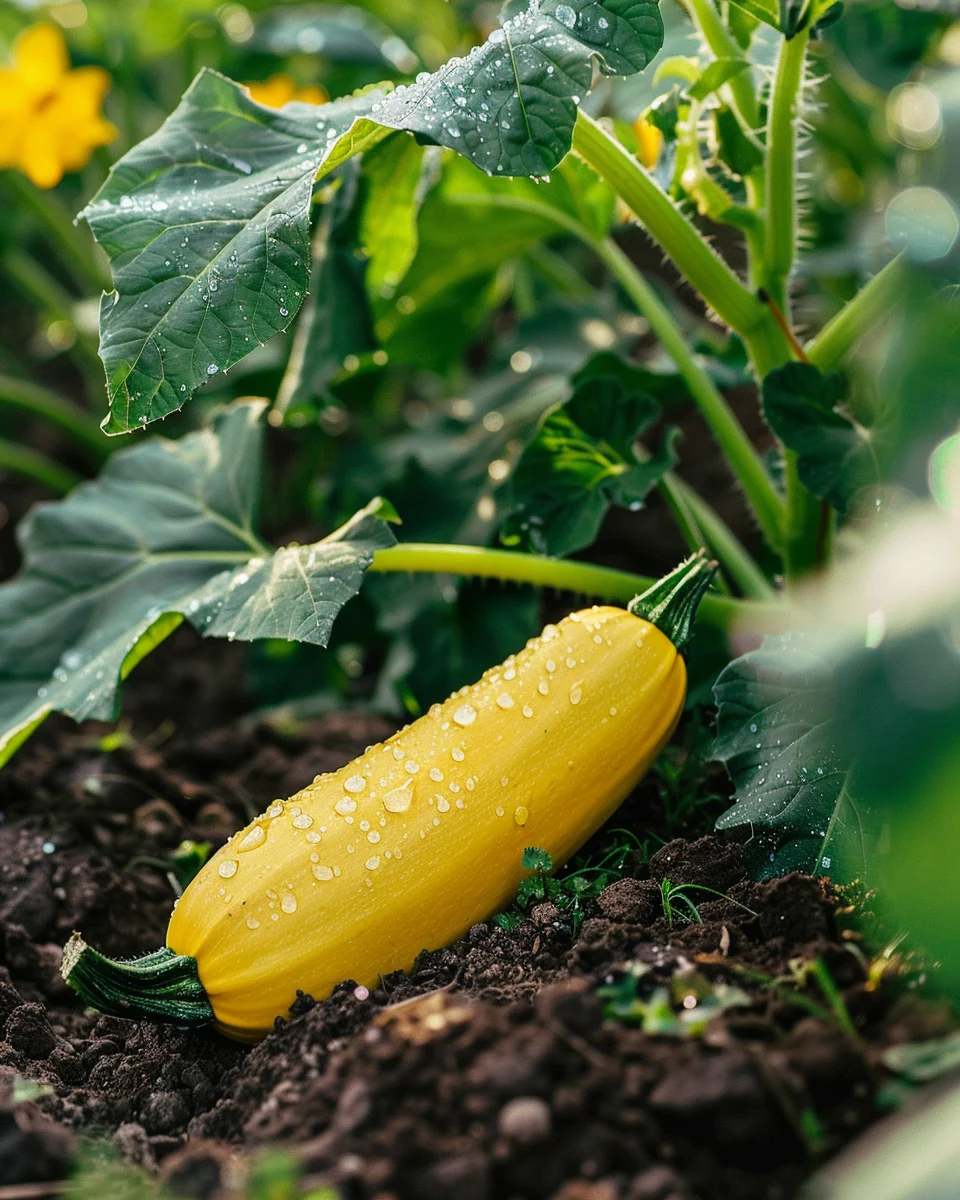
In cool temperate regions, plant summer squash from mid-May through June. For warmer climates, April through July offers suitable planting windows. When growing in containers or small spaces, you can often extend these windows by a week or two on either end, as these environments warm faster and can be protected more easily.
For direct sowing, plant seeds 2-3 weeks after your last expected frost date. If starting indoors to get a jump on the season, sow seeds 3-4 weeks before your transplant date, then move seedlings outdoors when they have 2-3 true leaves. In small spaces, succession planting (starting new plants every 2-3 weeks) works well to maintain continuous harvests without overwhelming your space.
Best summer squash varieties to grow in small spaces
- Bush Baby – Compact bush-type zucchini producing dark green fruits on plants that spread only 60-90 cm (2-3 ft), perfect for containers.
- Patio Star – Specifically bred for containers and small gardens with a tidy growth habit and high yields of green zucchini.
- Eight Ball – Round zucchini variety with upright growth that takes up minimal space while producing unique spherical fruits.
- Sunburst – Bright yellow patty pan squash with a bushy growth habit and excellent flavor, ideal for vertical growing.
- Astia – French hybrid zucchini developed specifically for container growing with an upright form and resistance to powdery mildew.
- Gold Rush – Compact yellow zucchini that produces early and abundantly in small spaces.
- Jackpot – Disease-resistant hybrid with a semi-bush habit that works well in raised beds or large containers.
How to plant summer squash in small spaces
Materials needed:
- Summer squash seeds or seedlings
- Containers (minimum 40 cm/16 in deep and wide) or grow bags
- Quality potting mix with compost
- Trellis, stakes or cage (for vertical growing)
- Organic fertilizer
- Watering can or irrigation system
- Mulch material
Step-by-step planting:
- Select a location that receives at least 6-8 hours of direct sunlight daily.
- Fill containers with high-quality potting mix enriched with 25% compost.
- For direct seeding, plant 2-3 seeds 2.5 cm (1 inch) deep in each container or growing spot.
- Space plants or containers at least 45-60 cm (18-24 inches) apart, which is closer than traditional garden spacing.
- If transplanting seedlings, plant them at the same depth they were growing previously.
- Water thoroughly after planting until moisture comes through drainage holes.
- Install your trellis or support system at planting time to avoid disturbing roots later.
- Apply a 5 cm (2 inch) layer of mulch around plants, keeping it away from stems.
- If direct seeding, thin to the strongest seedling once plants have 2-3 true leaves.
How to grow summer squash in small spaces
Summer squash needs full sun to thrive, requiring at least 6-8 hours of direct sunlight daily. In containers, this is even more critical as plants compete for limited resources. Position your containers where they’ll receive maximum sunlight, possibly using reflective surfaces nearby to increase light exposure.
Consistent moisture is essential for squash in small spaces. Check containers daily, as they dry out faster than garden soil. Water deeply when the top 2.5 cm (1 inch) of soil feels dry, typically every 1-2 days during hot weather. Apply water at the base of plants to keep foliage dry and reduce disease risk.
Feed container-grown squash more frequently than garden plants. Apply a balanced liquid organic fertilizer diluted to half-strength every 2-3 weeks. Alternatively, use a slow-release fertilizer at planting time, supplemented with compost tea monthly.
Vertical growing is key to success in small spaces. Train vining varieties up trellises, arches, or cages, securing stems with soft plant ties as they grow. Even bush varieties benefit from staking to keep fruits off the ground. For container growing, use pots at least 40-50 cm (16-20 inches) in diameter with excellent drainage. Self-watering containers work well for consistent moisture.
Caring for summer squash in small spaces
Monitor plants regularly for signs of stress or pest problems. Hand-pollination may be necessary in very small gardens or enclosed spaces where pollinators have limited access. Simply transfer pollen from male flowers (those with straight stems) to female flowers (with tiny fruits behind the blossoms) using a small brush or by touching stamens to stigmas.
Common pests include squash bugs, cucumber beetles, and aphids. Inspect the undersides of leaves regularly and remove pests by hand or spray with insecticidal soap. For powdery mildew, a common disease in crowded conditions, improve air circulation and apply a baking soda spray (1 tablespoon baking soda, 1 tablespoon horticultural oil, and 1 drop dish soap in 4 liters/1 gallon of water).
Harvest summer squash when they’re young and tender—about 10-15 cm (4-6 inches) long for zucchini and yellow squash, or 7-10 cm (3-4 inches) in diameter for patty pans. Regular harvesting encourages continued production. Use a sharp knife or pruners to cut fruits with a short stem attached rather than pulling them, which can damage plants.
Understanding bolting in summer squash
Unlike leafy greens, summer squash doesn’t technically bolt (produce flowers prematurely). However, they can experience premature flowering and reduced fruit set under stress. This typically happens during extreme heat waves (above 35°C/95°F), drought conditions, or when plants become root-bound in containers that are too small.
To prevent stress-induced flowering problems, maintain consistent watering, provide afternoon shade during heat waves, and ensure containers are adequately sized. If plants stop producing female flowers (those with tiny fruits behind the blossoms), this indicates stress. Apply a low-nitrogen, high-phosphorus fertilizer to encourage fruit production rather than leaf growth.
If plants seem to be declining mid-season, consider succession planting by starting new seedlings to replace them when production wanes. In small spaces, it’s often more efficient to replace struggling plants than to rehabilitate them.
Why does summer squash turn bitter?
- Cucurbitacin buildup – Natural compounds that increase under stress; maintain consistent watering and avoid extreme heat.
- Genetic factors – Some varieties naturally contain more bitter compounds; choose varieties bred for sweetness.
- Cross-pollination – Can occur with wild gourds or ornamental squash; avoid growing decorative gourds nearby.
- Over-maturity – Squash left too long on the plant develops bitterness; harvest when young and tender.
- Pest damage – Insect feeding can trigger bitter compound production; control pests promptly.
Companion planting for summer squash in small spaces
Strategic companion planting is especially valuable in small gardens where every inch counts. Plant these beneficial neighbors:
- Nasturtiums – Attract pollinators and deter squash bugs while providing edible flowers and taking up minimal space.
- Radishes – Quick-growing companions that can be harvested before squash plants expand, maximizing space usage.
- Marigolds – Repel nematodes and other pests while fitting easily between containers.
- Borage – Attracts beneficial pollinators and predatory insects while improving squash flavor.
- Mint – Deters pests (keep in separate containers to prevent spreading).
Avoid planting near:
- Potatoes – Compete for nutrients and can increase disease susceptibility.
- Other cucurbits – Planting cucumbers, melons, or other squash nearby increases pest and disease pressure in limited space.
Seasonal calendar
- March-April – Start seeds indoors in cooler regions; prepare containers and growing medium.
- May – Direct sow or transplant seedlings after last frost; install trellises and supports.
- June – Begin regular feeding program; monitor for pests; start succession plantings.
- July-August – Peak harvest period; continue succession planting; provide extra water during heat waves.
- September – Final harvests in most regions; plant cool-season crops in vacated containers.
- October – Clean up plant debris; prepare containers for winter storage or next season.
Note: In warm regions (Zones 9-10), extend the growing season through October or even year-round. In cool regions (Zones 3-5), compress the schedule with later starts and earlier finishes.
Problems & solutions
| Problem | Quick Fix |
|---|---|
| Few or no female flowers | Apply phosphorus-rich fertilizer; ensure temperatures aren’t extreme; hand-pollinate existing flowers. |
| Powdery white spots on leaves | Improve air circulation; apply milk spray (1 part milk to 9 parts water) or neem oil; remove severely affected leaves. |
| Yellowing leaves | Check for overwatering; apply balanced fertilizer; inspect for squash vine borers at stem base. |
| Fruits rot at blossom end | Maintain consistent watering; add calcium (crushed eggshells or calcium spray); improve pollination. |
| Plants wilt despite adequate water | Check for vine borers (slit stem lengthwise to remove); look for root rot (improve drainage); provide afternoon shade. |
| Stunted growth in containers | Transplant to larger container; increase feeding frequency; check for root binding. |
Common questions about growing summer squash in small spaces
How often should I water container-grown summer squash?
Check containers daily, especially during hot weather. Water thoroughly when the top inch of soil feels dry, typically every 1-2 days in summer. Self-watering containers or drip irrigation systems help maintain consistent moisture levels, which is critical for preventing blossom end rot and bitter fruits.
What’s the minimum container size for summer squash?
Use containers at least 40-50 cm (16-20 inches) in diameter and depth, holding a minimum of 20 liters (5 gallons) of soil. Larger containers (30+ liters/8+ gallons) produce stronger plants with higher yields. Fabric grow bags work well as they provide excellent drainage and air pruning of roots.
Can summer squash grow in partial shade?
While full sun (6-8 hours daily) is ideal, summer squash can tolerate partial shade (4-6 hours of direct sun) with reduced yields. In very hot climates, afternoon shade actually benefits plants by reducing heat stress. Position containers to maximize morning sun exposure when growing with limited light.
How do I grow summer squash vertically?
Install a sturdy trellis, arch, or cage at planting time. As plants grow, gently train stems upward using soft plant ties. For heavier fruits, create slings from old pantyhose or cloth to support developing squash. Even bush varieties benefit from staking to keep fruits off the ground and save space.
How many summer squash plants do I need?
In small spaces, 1-2 healthy plants provide plenty for a household of 2-4 people. One productive zucchini plant can yield 3-4 kg (6-8 lbs) of fruit over the season. For continuous harvests, plant a new seedling every 3-4 weeks rather than many plants at once.
Why are my squash flowers dropping without forming fruits?
Poor pollination is the most common cause. Hand-pollinate by transferring pollen from male to female flowers in the morning when flowers are open. Extreme temperatures (above 32°C/90°F or below 10°C/50°F) can also cause flower drop, as can inconsistent watering.
Can I grow summer squash indoors?
With sufficient light (a sunny south-facing window or grow lights providing 12-14 hours of light), summer squash can grow indoors. Choose extra-compact varieties like ‘Patio Star’ or ‘Bush Baby’, hand-pollinate flowers, and use oscillating fans to strengthen stems and improve pollination.