
How to Grow Sugar Snap Peas in Fall: When to Plant, Best Varieties & Care
Intro for growing sugar snap peas in fall
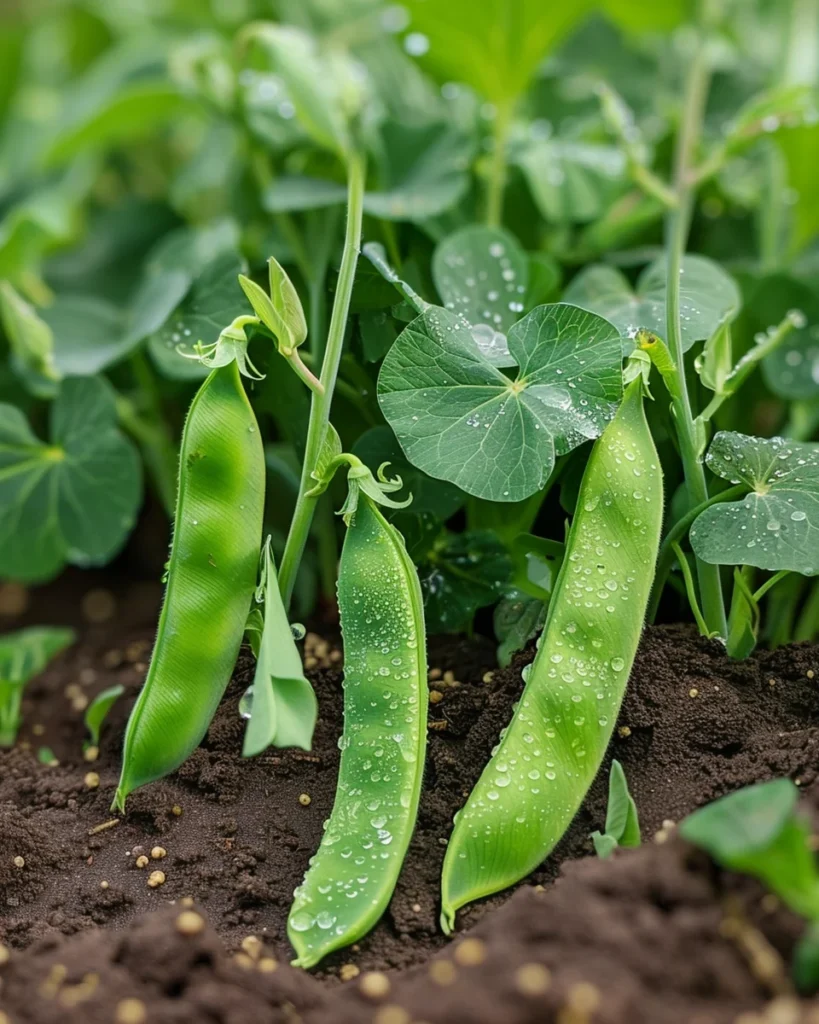
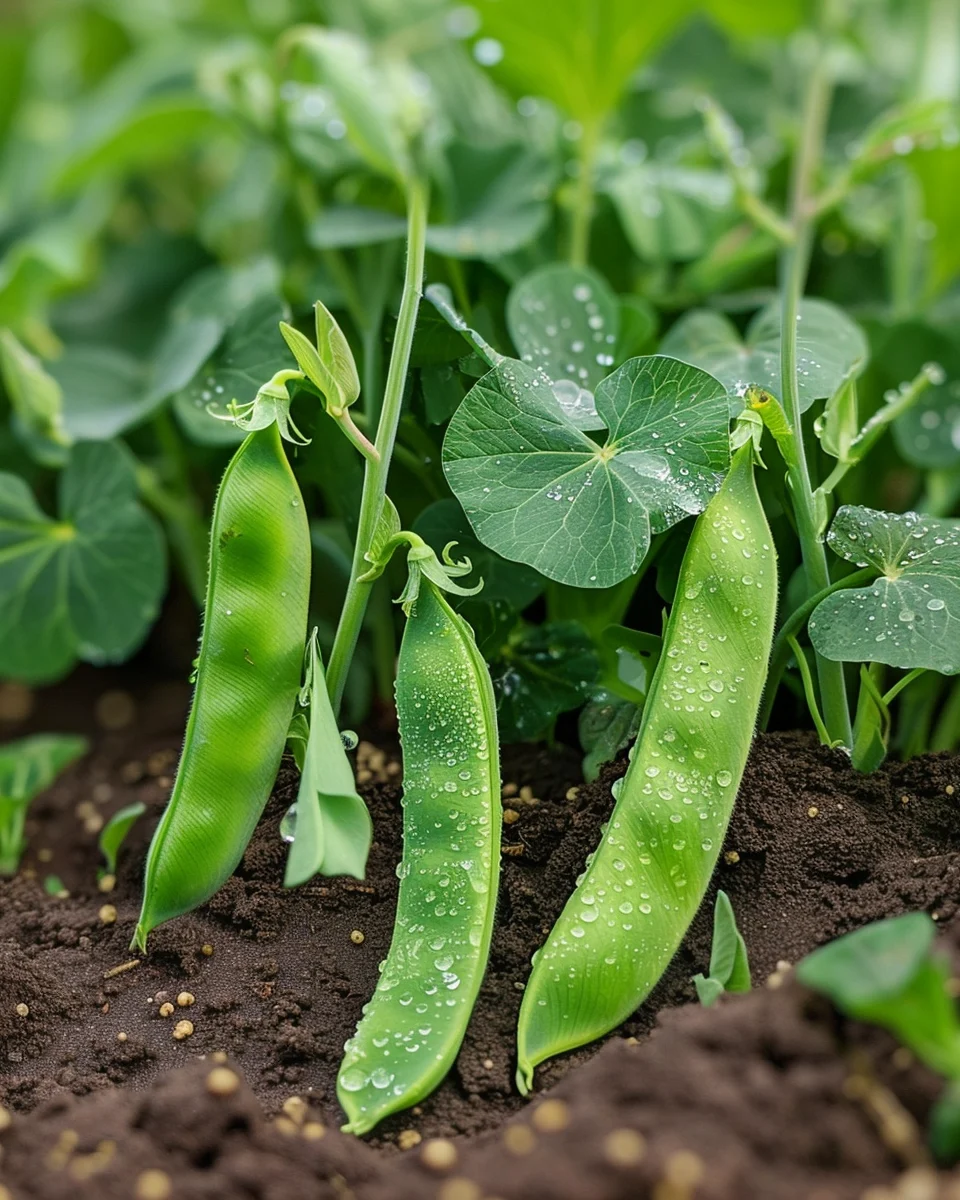
Sugar snap peas (Pisum sativum var. macrocarpon) are a delightful cool-season crop that thrives in fall gardens. These crunchy, sweet treats offer the best of both worlds—edible pods and plump peas inside—making them perfect for fresh eating, stir-fries, and salads. Fall-grown sugar snaps often taste sweeter than spring crops due to the cooling temperatures as they mature. They’re nitrogen-fixing plants that improve your soil while producing an abundant harvest in most temperate regions. With their quick growth cycle of 50-70 days, sugar snap peas make an excellent productive addition to your autumn garden, whether in beds or containers.
When to plant sugar snap peas in fall
Sugar snap peas are cool-season crops that grow best when temperatures range between 13-18°C (55-65°F). They can tolerate light frosts once established, making them ideal for fall planting. In most temperate regions, aim to plant your fall crop 10-12 weeks before your first expected frost date. The soil temperature should be below 24°C (75°F) for good germination, ideally around 10-21°C (50-70°F). Unlike many vegetables, sugar snap peas can handle a light frost of -2°C (28°F) once they’re growing well, and mature plants can withstand temperatures as low as -7°C (20°F), though they’ll stop producing if consistently colder.
Best time to plant sugar snap peas in fall
For cool temperate regions (UK, US Zones 3-5), plant sugar snap peas in late July to mid-August for a fall harvest. In moderate climates (US Zones 6-7), aim for early to mid-August planting. Warmer regions (US Zones 8-9) benefit from late August to early September planting. Mediterranean climates can plant as late as mid-September. Direct sowing is preferable for fall crops as peas don’t transplant well and the soil is already warm enough for good germination. If starting indoors is necessary, use biodegradable pots and transplant carefully when seedlings are 5-7cm (2-3in) tall, disturbing the roots as little as possible.
Best sugar snap peas varieties to grow
- Sugar Snap – The original variety with excellent flavor, grows to 1.8m (6ft) and needs trellising, matures in 60-70 days.
- Sugar Ann – Early-maturing dwarf variety (45-55 days) perfect for containers and small spaces at just 60cm (24in) tall.
- Super Sugar Snap – Disease-resistant improvement on the original with powdery mildew resistance, ideal for humid fall conditions.
- Cascadia – Reliable producer with excellent disease resistance and tolerance to cooler temperatures, matures in 60 days.
- Sugar Sprint – String-less pods for easier preparation, compact 60cm (2ft) vines, and good disease resistance.
- Sugar Daddy – Another string-less variety with compact growth (75cm/30in) and good resistance to powdery mildew.
- Oregon Sugar Pod II – Technically a snow pea but with thicker pods similar to snap peas, extremely cold-hardy for late-season harvests.
How to plant sugar snap peas in fall
Materials needed:
- Sugar snap pea seeds
- Compost or aged manure
- Garden fork or tiller
- Trellis, netting, or stakes (for climbing varieties)
- Inoculant (optional but beneficial)
- Watering can or hose with gentle spray
- Mulch material
Step-by-step planting:
- Select a site with full sun to partial shade that receives at least 6 hours of sunlight daily.
- Prepare the soil by loosening it to a depth of 20-30cm (8-12in) and mixing in 5-7cm (2-3in) of compost.
- Create furrows about 2.5cm (1in) deep and 7-10cm (3-4in) apart for dwarf varieties or 10-15cm (4-6in) for climbing types.
- If using inoculant (beneficial bacteria that help peas fix nitrogen), coat seeds according to package directions.
- Sow seeds 2.5-5cm (1-2in) apart in the furrows.
- Cover with soil and firm gently to ensure good seed-to-soil contact.
- Water thoroughly but gently to avoid washing away seeds.
- For climbing varieties, install trellises, netting, or other supports at planting time to avoid disturbing roots later.
- Apply a light layer of mulch to retain moisture and suppress weeds.
- Label the planting area with variety name and planting date for future reference.
How to grow sugar snap peas in fall
Sugar snap peas prefer full sun but appreciate some afternoon shade in warmer regions during early fall. Water consistently to keep soil evenly moist but not waterlogged, providing about 2.5cm (1in) of water weekly. Reduce watering when pods begin to form to concentrate flavor. Peas are light feeders and often don’t need additional fertilizer if planted in soil amended with compost; excessive nitrogen promotes lush foliage at the expense of pod production. Apply a 5-7cm (2-3in) layer of straw, shredded leaves, or grass clippings as mulch to maintain soil moisture and temperature. Thin seedlings to stand 5-7cm (2-3in) apart for bush varieties or 7-10cm (3-4in) for climbing types. All but the most dwarf varieties benefit from support—install a trellis, netting, or pea sticks that reach at least 1.5-1.8m (5-6ft) tall for climbing varieties. For container growing, use pots at least 30cm (12in) deep with good drainage, and plant 6-8 seeds per 30cm (12in) pot diameter.
Caring for sugar snap peas in fall
Monitor soil moisture carefully during fall’s variable weather, adjusting watering as needed. Watch for aphids, which can cluster on growing tips; control with a strong water spray or insecticidal soap. Powdery mildew can be problematic in fall’s humid conditions—improve air circulation and apply organic fungicides like neem oil if needed. Pea enation mosaic virus, spread by aphids, causes distorted pods and leaves; remove and destroy affected plants. Harvest sugar snap peas when pods are plump with visible peas inside but before they become tough or starchy, typically 5-8 days after flowering. Pick regularly to encourage continued production. For storage, refrigerate unwashed pods in a perforated plastic bag for up to one week; for longer preservation, blanch and freeze.
Understanding bolting in sugar snap peas
Bolting in peas refers to the plant’s rapid shift from leaf and pod production to flowering and seed formation. Unlike summer crops that bolt from heat, fall peas are more likely to bolt in response to cold temperatures below -3°C (26°F) for extended periods, which triggers their reproductive cycle. Other triggers include drought stress and extreme temperature fluctuations. Prevent bolting by planting at the right time for your region, maintaining consistent soil moisture, and using row covers during unexpected cold snaps. If bolting begins, harvest any remaining usable pods immediately. Unlike lettuce and other greens that become bitter when bolting, peas simply stop producing new pods, but existing ones remain edible.
Why does sugar snap peas turn bitter?
- Overmaturity – Pods left too long on the vine develop tough walls and starchy, less sweet peas; harvest when pods are plump but still glossy.
- Heat stress – Early fall temperatures that exceed 27°C (80°F) can cause bitterness; provide afternoon shade or wait until temperatures moderate.
- Drought – Inconsistent watering, especially during pod formation, leads to stress and potential bitterness; maintain even soil moisture.
- Variety selection – Some varieties naturally have more sugar than others; choose known sweet varieties like ‘Sugar Snap’ or ‘Super Sugar Snap’.
- Poor soil – Nutrient imbalances, particularly excess nitrogen, can affect flavor; use balanced soil amendments and avoid high-nitrogen fertilizers.
Companion planting for sugar snap peas
Good companions:
- Carrots – Peas add nitrogen that benefits carrots, while carrots break up soil for pea roots.
- Radishes – Quick-growing radishes mark pea rows and loosen soil before peas need the space.
- Spinach – Grows well in the partial shade created by trellised peas and appreciates the nitrogen they provide.
- Mint – Deters pea aphids and other pests with its strong scent.
- Turnips – Benefit from the nitrogen fixed by peas and don’t compete for nutrients.
- Cucumbers – Can share trellises with peas later in the season as peas finish and cucumbers ramp up.
Avoid planting near:
- Garlic and Onions – Can stunt pea growth and potentially affect flavor.
- Potatoes – Compete for nutrients and can transmit similar diseases.
- Other legumes – Share the same pests, diseases, and soil needs, creating competition.
Seasonal calendar
- July – Prepare soil for fall planting in cooler regions (Zones 3-5); sow seeds in coldest areas.
- August – Main planting month for most temperate regions; early August for Zones 6-7, late August for Zones 8-9.
- September – Last chance planting for warm regions; install supports if not done at planting; thin seedlings.
- October – Begin harvesting in cooler regions; continue regular watering; watch for frost warnings.
- November – Main harvest period for most regions; protect plants from hard freezes with row covers.
- December – Final harvests in warmer regions; remove spent plants and compost or leave roots in soil to decompose and release nitrogen.
Problems & solutions
| Problem | Quick Fix |
|---|---|
| Poor germination | Ensure soil temperature is 10-21°C (50-70°F); soak seeds overnight before planting; check for seed viability. |
| Yellowing leaves | Could indicate overwatering or root rot; improve drainage and reduce watering frequency. |
| Curling leaves | Often caused by aphids; spray with strong water jet or insecticidal soap, focusing on leaf undersides. |
| White powdery coating | Powdery mildew; improve air circulation, avoid wetting foliage, apply neem oil or potassium bicarbonate spray. |
| Few or no pods forming | Could be poor pollination; gently shake plants on dry days to assist pollen transfer or check for extreme temperatures. |
| Plants toppling over | Install appropriate support immediately; even bush varieties benefit from some support in windy conditions. |
| Pods tough or stringy | Harvested too late; pick younger pods and harvest more frequently to encourage continued production. |
Common questions about growing sugar snap peas in fall
How often should I water fall-planted sugar snap peas?
Water deeply once or twice weekly, providing about 2.5cm (1in) of water each time. Fall peas often need less frequent watering than spring crops due to cooler temperatures and increased rainfall, but never let the soil dry out completely.
Can sugar snap peas grow in partial shade during fall?
Yes, sugar snap peas can tolerate partial shade (4-6 hours of direct sun) in fall, especially in warmer regions where afternoon shade may actually benefit them. However, they’ll produce more pods with 6+ hours of sunlight.
What size container works for growing sugar snap peas?
Use containers at least 30cm (12in) deep with good drainage. A container 30cm (12in) in diameter can support 6-8 pea plants. Ensure containers have drainage holes and use a trellis or support for all but the most dwarf varieties.
How far apart should I space sugar snap peas?
Space bush varieties 5-7cm (2-3in) apart, and climbing varieties 7-10cm (3-4in) apart. Rows should be spaced 45-60cm (18-24in) apart to allow for air circulation and easy harvesting.
How cold-tolerant are fall sugar snap peas?
Established plants can tolerate light frosts down to -2°C (28°F) with no protection and can survive brief dips to -7°C (20°F) with row covers. Seedlings are more sensitive, so protect young plants if frost threatens.
How often should I harvest sugar snap peas?
Check plants every 1-2 days once they begin producing. Harvest pods when they’re plump with visible peas inside but before they become bulging or dull-looking. Regular harvesting encourages continued production.
Can I save seeds from my fall sugar snap peas?
Yes, allow some pods to mature fully on the vine until they’re dry and brown. Remove seeds and dry thoroughly for 1-2 weeks before storing in a cool, dry place. Note that hybrid varieties won’t grow true to type in subsequent seasons.