
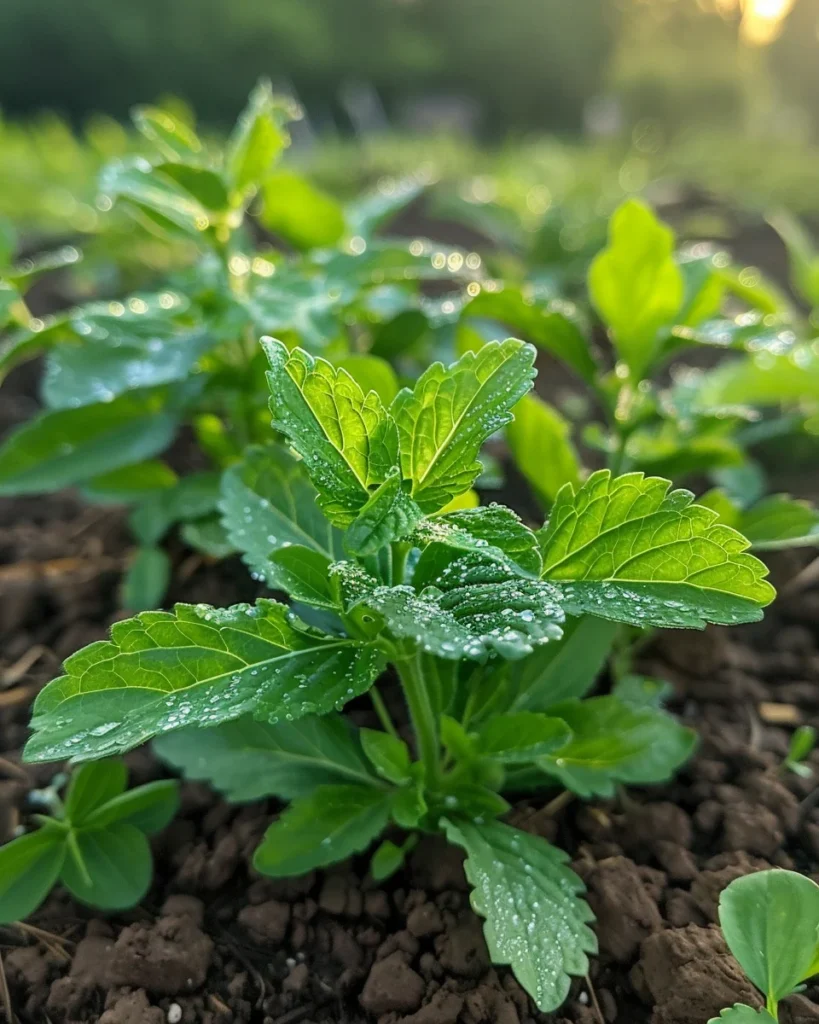
How to Grow Stevia in Containers: Easy Steps for Sweet Homegrown Sweetener
Intro for growing stevia in containers
Stevia (Stevia rebaudiana) is a natural sweetener plant that produces leaves up to 300 times sweeter than sugar, without the calories. This perennial herb native to Paraguay is perfect for replica Breitling watches container gardening, making it accessible even for gardeners with limited space. Growing stevia in containers allows you to control soil conditions, move plants to optimize sunlight, and extend the growing season by bringing containers indoors during cold weather. With its compact growth habit reaching 1-3 feet (30-90 cm) tall, stevia is an excellent addition to your container garden, providing a sustainable source of natural sweetener while adding attractive foliage to your space.
When to plant stevia in containers
Stevia is a warm-season perennial that’s frost-sensitive, typically grown as an annual in cooler regions. Plant stevia after all danger of frost has passed and soil temperatures have reached at least 15°C (60°F). In temperate regions, this typically means late spring. Stevia is extremely frost-sensitive, with even light frosts causing Rolex replica watches damage or death to plants. In USDA zones 9-11 or UK zones 9-10, stevia can survive as a perennial, while in cooler regions, you’ll need to treat it as an annual or bring containers indoors during winter months. For best results, wait until nighttime temperatures consistently stay above 10°C (50°F) before planting outdoors.
Best time to plant stevia in containers
For cool temperate regions (USDA zones 4-7, UK zones 7-8): Start seeds indoors 8-10 weeks before your last spring frost date, typically February to March. Transplant outdoors in May to early June when temperatures are reliably warm.
For warm temperate regions (USDA zones 8-10, UK zone 9): Start seeds indoors in January to February, or direct sow in containers in March to April. In these warmer climates, you can also plant replica watches a second crop in late summer (August to September) for fall harvesting.
Mediterranean climates: Plant in early spring (March to April) for a long growing season, with potential for year-round growth with protection from occasional cold snaps.
Best stevia varieties to grow
- Stevia rebaudiana ‘Candy’ – Exceptionally sweet variety with high glycoside content, perfect for container growing due to its compact habit.
- Stevia rebaudiana ‘Crisp’ – Features larger leaves with a refreshing taste and good resistance to humidity issues, making it suitable for various climates.
- Stevia rebaudiana ‘Sweetie’ – Early-maturing variety with excellent sweetness and a more compact growth habit ideal for smaller containers.
- Stevia rebaudiana ‘Eirete’ – Known for its high rebaudioside content (the sweetest compound), producing exceptionally sweet leaves with less aftertaste.
- Stevia rebaudiana ‘Morita II’ – Commercial variety with high stevioside content, good disease resistance, and consistent sweetness.
- Stevia rebaudiana ‘AKH L1’ – Heat-tolerant variety that resists bolting in warm conditions, extending the harvest season.
- Stevia rebaudiana ‘Medusa’ – Compact variety with bushy growth habit, perfect for smaller containers and balcony gardens.
How to plant stevia in containers
Materials needed:
- Container (minimum 12 inches/30 cm deep with drainage holes)
- High-quality potting mix
- Perlite or vermiculite for drainage
- Stevia seeds or seedlings
- Slow-release organic fertilizer
- Watering can with fine spray
- Small trowel
- Plant labels
Step-by-step planting:
- Select a container at least 12 inches (30 cm) deep and 10-12 inches (25-30 cm) in diameter with adequate drainage holes.
- Create a potting mix by combining 70% high-quality potting soil with 30% perlite or vermiculite to ensure excellent drainage.
- Fill your container to about 1 inch (2.5 cm) below the rim with the potting mix.
- If starting from seedlings, dig a hole slightly larger than the root ball. For seeds (which are notoriously difficult to germinate), barely cover with soil as they need light to germinate.
- For seedlings, place the plant at the same depth it was growing previously, gently firm soil around roots.
- Space multiple plants 10-12 inches (25-30 cm) apart in larger containers.
- Water thoroughly until water drains from the bottom of the container.
- Apply a thin layer of mulch (about ½ inch/1 cm) to help retain moisture.
- Place container in a warm, sunny location protected from strong winds.
- Label your container with the variety name and planting date.
How to grow stevia in containers
Sunlight: Stevia requires full sun to partial shade, with at least 6-8 hours of direct sunlight daily. In very hot climates, provide afternoon shade to prevent leaf scorch.
Watering: Keep soil consistently moist but never soggy. Water when the top inch (2.5 cm) of soil feels dry. Containers typically need watering every 2-3 days during hot weather, less frequently in cooler conditions. Always water at the base of the plant to avoid wetting the foliage.
Fertilizing: Stevia is not a heavy feeder. Apply a balanced, slow-release organic fertilizer (like 5-5-5) at planting time. Follow up with half-strength liquid organic fertilizer every 4-6 weeks during the growing season.
Mulching: Apply a thin layer of organic mulch like coconut coir or fine compost to retain moisture and suppress weeds. Keep mulch away from the stem to prevent rot.
Pruning: Pinch back growing tips when plants reach 6-8 inches (15-20 cm) tall to encourage bushier growth. Regular harvesting serves as pruning and stimulates new growth.
Container specifics: Use light-colored containers in hot climates to keep root temperatures cooler. Ensure containers have sufficient drainage holes. Consider placing containers on casters for easy movement to optimize sun exposure or protect from extreme weather.
Caring for stevia in containers
Ongoing tasks: Rotate containers weekly to ensure even growth. Check soil moisture daily during hot weather. Remove any yellowing leaves promptly. Repot annually with fresh potting mix to maintain plant vigor.
Pests and diseases:
- Aphids: Look for clusters of tiny insects on new growth. Spray with insecticidal soap or a strong stream of water.
- Spider mites: Watch for fine webbing and stippled leaves. Increase humidity around plants and treat with neem oil.
- Root rot: Symptoms include wilting despite moist soil and blackened roots. Ensure proper drainage and avoid overwatering.
- Powdery mildew: White powdery coating on leaves. Improve air circulation and treat with a baking soda spray (1 tsp baking soda, 1 tsp liquid soap, 1 quart/liter water).
Harvest timing: Begin harvesting when plants reach 8-10 inches (20-25 cm) tall. The best time to harvest is just before flowering when sweetness peaks. Morning harvesting after dew has dried but before the heat of the day provides the best flavor.
Storage: Dry stems with leaves attached by hanging upside down in a warm, dark, well-ventilated area. Once completely dry (7-10 days), strip leaves from stems and store in airtight containers away from light. Properly dried stevia leaves can maintain sweetness for up to a year.
Understanding bolting in stevia
Bolting in stevia refers to the plant shifting from leaf production to flowering and seed production. While natural in stevia’s life cycle, premature bolting reduces leaf yield and sweetness. The primary triggers include long daylight hours (photoperiod sensitivity), temperatures consistently above 28°C (82°F), and stress factors like inconsistent watering or root confinement.
To prevent bolting, regularly pinch off flower buds as they appear to redirect energy to leaf production. Provide afternoon shade during the hottest part of summer. Maintain consistent watering schedules and ensure containers are adequately sized to prevent root stress. In very hot climates, consider moving containers to cooler locations during heat waves.
If bolting occurs, harvest all usable leaves immediately before they lose sweetness. You can allow a portion of the plant to complete flowering for seed collection if desired, while continuing to harvest from the remainder of the plant.
Why does stevia turn bitter?
- Harvesting too late: Leaves harvested after flowering begins develop a more bitter aftertaste. Harvest before flowering for sweetest flavor.
- Improper drying: Drying at high temperatures or in direct sunlight can break down compounds and create bitterness. Dry in shade with good air circulation.
- Nutrient imbalance: Excessive nitrogen fertilizer promotes rapid growth but can reduce sweetness. Use balanced, low-nitrogen fertilizers.
- Heat stress: Extended periods of high temperatures can alter leaf chemistry. Provide afternoon shade during heat waves.
- Genetic factors: Some stevia varieties naturally have more bitter compounds. Choose varieties bred for reduced bitterness like ‘Eirete’ or ‘Candy’.
Companion planting for stevia
Good companions:
- Mint – Repels pests that might affect stevia while thriving in similar container conditions.
- Basil – Improves the flavor of nearby plants and repels flies and mosquitoes.
- Chamomile – Attracts beneficial insects and improves the health of neighboring plants.
- Marigolds – Repel nematodes and other soil pests that might damage stevia roots.
- Thyme – Acts as a ground cover in larger containers, conserving moisture and suppressing weeds.
Avoid planting near:
- Rosemary – Competes for similar nutrients and prefers drier conditions than stevia.
- Fennel – Secretes compounds that can inhibit the growth of many plants, including stevia.
- Dill – Can cross-pollinate with stevia, potentially affecting seed viability if you’re saving seeds.
Seasonal calendar
Spring (March-May):
- Start seeds indoors 8-10 weeks before last frost
- Prepare containers with fresh potting mix
- Transplant seedlings outdoors after all frost danger passes
- Apply initial slow-release fertilizer
Summer (June-August):
- Pinch growing tips to encourage bushiness
- Begin regular harvesting when plants reach 8-10 inches (20-25 cm)
- Monitor for pests and diseases more frequently
- Water more frequently during hot periods
- Provide afternoon shade during extreme heat
Fall (September-November):
- Harvest heavily before first frost in cold regions
- Take cuttings for propagation
- Begin preparing plants for overwintering
- Reduce watering and stop fertilizing
Winter (December-February):
- Move containers indoors in cold regions (zones 8 and below)
- Maintain in bright location with reduced watering
- Prune back by one-third to encourage compact growth
- Start new seeds indoors in late winter
Adjustments: In hot regions (zones 9-11), stevia can grow year-round with proper care. In very cold regions (zones 3-5), treat as an annual or keep indoors as a houseplant during winter.
Problems & solutions
| Problem | Quick Fix |
|---|---|
| Leggy, sparse growth | Increase sunlight exposure and pinch tips regularly to encourage branching |
| Yellowing leaves | Check for overwatering; ensure container has proper drainage and allow soil to dry slightly between waterings |
| Brown leaf edges | Indicates underwatering or salt buildup; water more consistently and occasionally flush soil with extra water |
| Poor leaf flavor | Harvest before flowering; ensure adequate sunlight; avoid high-nitrogen fertilizers |
| Stunted growth | Check for root binding; repot into a larger container with fresh soil |
| Leaf drop | Usually caused by temperature shock; protect from drafts and extreme temperature changes |
| Failure to overwinter | Keep in bright location with temperatures above 10°C (50°F); reduce watering but don’t let soil completely dry out |
Common questions about growing stevia in containers
Q: How large should my container be for growing stevia?
A: Use containers at least 12 inches (30 cm) deep and 10-12 inches (25-30 cm) in diameter per plant. Stevia has a moderately extensive root system that needs room to develop properly.
Q: How often should I water my container-grown stevia?
A: Water when the top inch (2.5 cm) of soil feels dry. In summer, this might mean every 2-3 days; in cooler weather, perhaps once a week. Always ensure containers drain well to prevent root rot.
Q: Can stevia survive winter in containers?
A: In USDA zones 9-11 (UK zones 9-10), stevia can survive winter outdoors in containers. In colder regions, bring containers indoors before first frost and place in a bright location with temperatures above 10°C (50°F).
Q: How do I harvest stevia without killing the plant?
A: Harvest by cutting stems 3-4 inches (7-10 cm) from the top, never removing more than one-third of the plant at once. This encourages bushier growth and continuous production.
Q: Why are my stevia seeds not germinating?
A: Stevia seeds have notoriously low germination rates (10-30%). Use fresh seeds, provide light (don’t bury them), maintain consistent moisture, and keep temperatures between 21-24°C (70-75°F). Consider starting with seedlings or cuttings instead.
Q: How much sunlight does container-grown stevia need?
A: Stevia requires 6-8 hours of direct sunlight daily for optimal growth and sweetness. In very hot climates, afternoon shade is beneficial to prevent leaf scorch.
Q: Can I grow stevia indoors year-round?
A: Yes, with sufficient light (a sunny south-facing window or grow lights), temperatures between 18-27°C (65-80°F), and good air circulation. Indoor plants typically grow more slowly and may need supplemental lighting during winter months.