
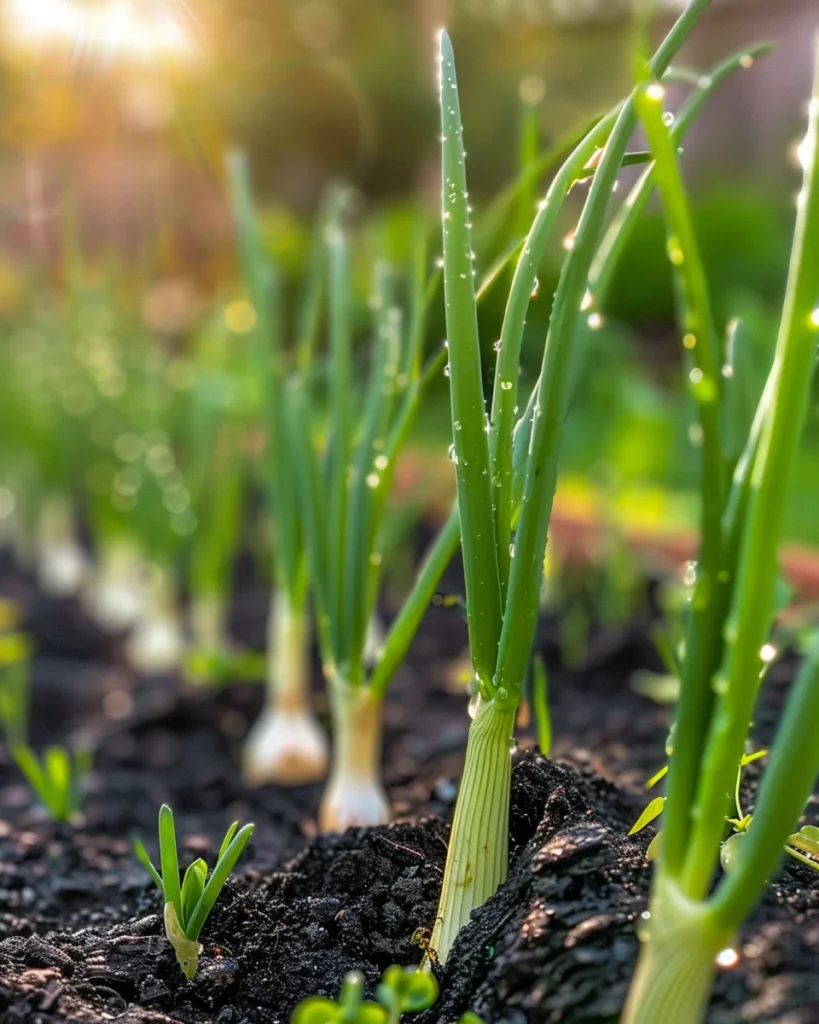
How to Grow Spring Onions (Scallions) Indoors: Fresh Flavor Year-Round from Your Windowsill
Intro for growing spring onions scallions indoors
Spring onions, also known as scallions or green onions, are one of the easiest and most rewarding vegetables to grow indoors. These slender alliums offer a milder flavor than mature onions and can be harvested continuously for months, providing fresh, aromatic greens for your cooking year-round. Indoor cultivation bypasses seasonal limitations, allowing you to enjoy their crisp texture and bright flavor regardless of outdoor conditions. With minimal space requirements and quick results—often ready for first harvest in just 3-4 weeks—indoor spring onions are perfect for apartment dwellers, busy gardeners, or anyone wanting to reduce grocery costs while enjoying fresher produce.
When to plant spring onions scallions indoors
The beauty of growing spring onions indoors is that traditional planting calendars become irrelevant—you can start them any time of year! Unlike outdoor cultivation where soil temperature (ideally 10-25°C/50-77°F) and frost dates dictate timing, indoor growing creates a controlled environment that remains hospitable year-round. That said, if your indoor growing area experiences significant temperature fluctuations due to seasonal changes, aim to maintain ambient temperatures between 15-24°C (60-75°F) for optimal growth. Plants may grow slightly slower during winter months if placed near cold windows, so consider supplemental lighting during shorter days to maintain consistent growth rates.
Best time to plant spring onions scallions indoors
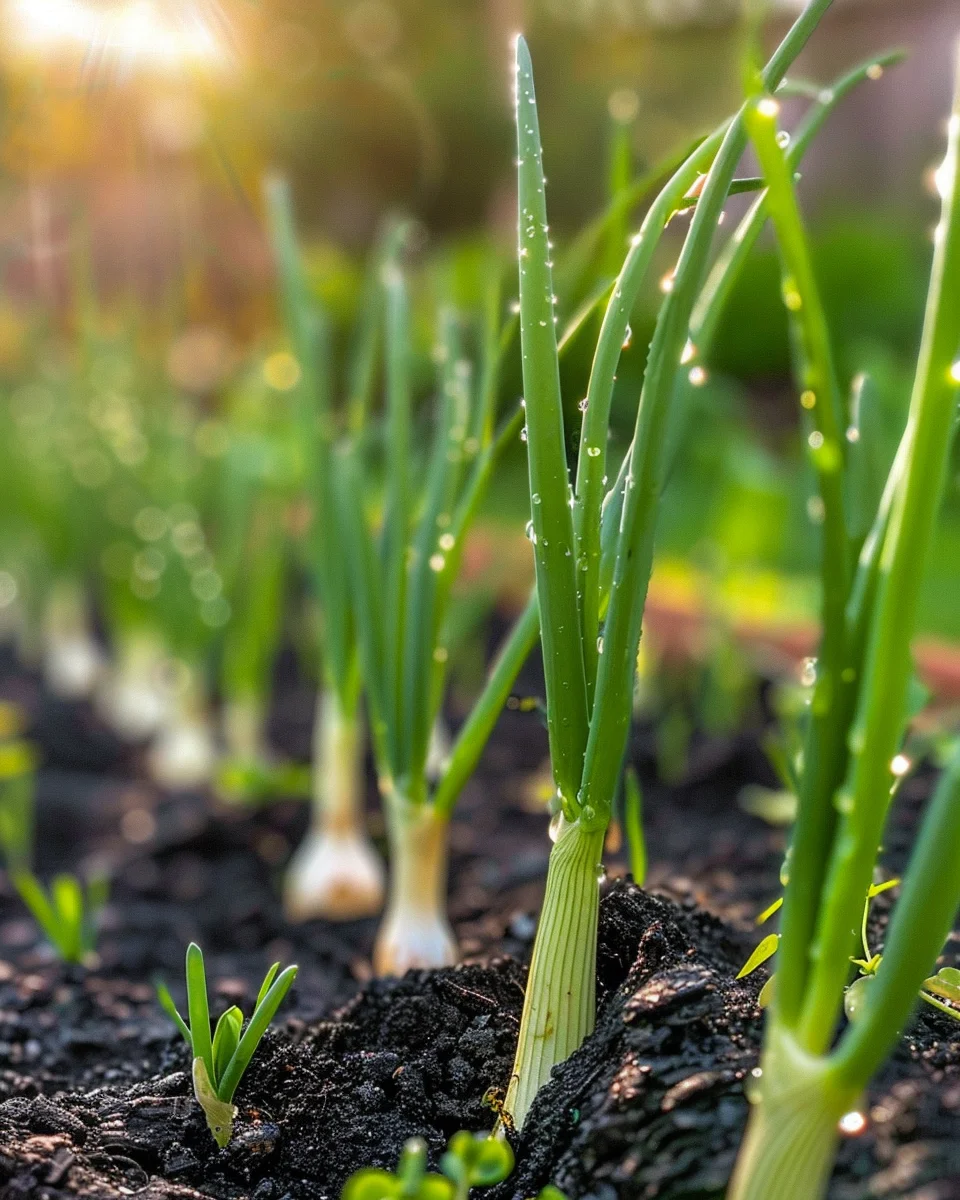
While you can start indoor spring onions any month, many gardeners find September through March ideal for initiating indoor crops, as this provides fresh greens during months when outdoor gardening may be limited. For continuous harvests, stagger your plantings every 2-3 weeks. If using seeds, expect germination in 7-10 days at room temperature. For regrowth methods using store-bought spring onion bases, results appear even faster, often showing new green growth within 3-5 days. In warmer indoor environments (above 24°C/75°F), growth may accelerate but can sometimes lead to thinner stems, so moderate temperatures produce the best quality.
Best spring onions scallions varieties to grow indoors
- Evergreen Bunching – Exceptionally well-suited for indoor growing with excellent regrowth capacity and resistance to forming bulbs.
- Tokyo Long White – Produces tall, straight stalks with minimal bulbing and thrives in container environments.
- White Lisbon – Fast-maturing variety (ready in 60 days from seed) with excellent flavor and good performance in lower light conditions.
- Parade – Compact growth habit makes it ideal for smaller containers while maintaining good flavor.
- Red Beard – Offers distinctive purplish-red stems for visual interest and a slightly stronger flavor profile.
- Guardsman – Disease-resistant variety that produces uniform stalks and tolerates fluctuating indoor conditions well.
- Ishikura – Japanese variety with long white stems that grows particularly well in deeper containers.
How to plant spring onions scallions indoors
Materials needed:
- Container (at least 15cm/6in deep with drainage holes)
- Potting mix or soilless growing medium
- Spring onion seeds or spring onion bases with roots attached
- Watering can with fine rose attachment
- Sunny windowsill or grow light
- Liquid fertilizer (optional)
- Small scissors for harvesting
Step-by-step planting:
- Fill your container with potting mix to about 2.5cm (1in) below the rim, gently firming but not compacting the soil.
- If using seeds, sow thinly across the surface, aiming for seeds about 1cm (½in) apart, then cover with 6mm (¼in) of soil.
- If using spring onion bases (the white parts with roots), trim the tops to about 2.5cm (1in) above the roots and plant them 2.5cm (1in) deep and 2.5-5cm (1-2in) apart.
- Water gently but thoroughly until moisture appears from drainage holes, being careful not to wash away seeds.
- Place container in a warm location until germination occurs (if using seeds).
- Once sprouted or if using bases, move to your brightest windowsill (south-facing is ideal) or under grow lights.
- For grow lights, position them 10-15cm (4-6in) above plants for 12-14 hours daily.
- Keep soil consistently moist but never soggy during the establishment phase.
How to grow spring onions scallions indoors
Spring onions need at least 4-6 hours of bright light daily—a south-facing window is ideal, though east or west exposures can work. If natural light is limited, supplement with grow lights positioned 10-15cm (4-6in) above plants for 12-14 hours daily. Water when the top 1cm (½in) of soil feels dry, typically every 2-3 days, ensuring thorough moisture without waterlogging. Apply a half-strength liquid fertilizer every 2-3 weeks to support continuous growth.
For container growing, choose vessels at least 15cm (6in) deep to accommodate root development. Wider containers allow for more plants—a standard 25cm (10in) pot can support 12-15 plants. Maintain indoor temperatures between 15-24°C (60-75°F) for optimal growth. Rotate containers weekly if growing on windowsills to prevent plants from leaning toward light. To encourage bushier growth, harvest outer leaves first, cutting about 2.5cm (1in) above soil level to allow regrowth from the center.
Caring for spring onions scallions indoors
Monitor moisture levels consistently—spring onions prefer even moisture but are susceptible to rot in waterlogged conditions. If leaf tips turn yellow, you’re likely overwatering; if they wilt despite moist soil, check for root congestion and consider repotting. Dust leaves occasionally with a soft cloth to maintain photosynthesis efficiency. The most common pests for indoor spring onions are fungus gnats and aphids. For gnats, allow soil surface to dry between waterings and consider adding a thin layer of sand to the soil surface. For aphids, wipe affected areas with a mild soap solution (1 teaspoon dish soap to 1 liter water).
Harvest spring onions when they reach 15-20cm (6-8in) tall, typically 3-4 weeks after planting bases or 8-10 weeks from seed. For continuous production, cut only what you need, taking outer stalks first and leaving the centers to regenerate. After 3-4 months of harvesting from the same plants, growth may slow—this is the ideal time to start a new batch while still harvesting from the current one.
Understanding bolting in spring onions scallions indoors
Bolting refers to the premature flowering of spring onions, which diverts energy from leaf production to seed development, resulting in tough, bitter-tasting stems. While less common indoors than outdoors, bolting can still occur, typically triggered by temperature fluctuations (especially sudden heat above 26°C/80°F), insufficient water, or aging plants. Indoor spring onions may also bolt if exposed to significant day-length changes or if they become severely root-bound.
To prevent bolting, maintain consistent temperatures, avoid placing containers near heating vents or in drafty locations, and ensure regular watering. If plants are older than 4-5 months, consider starting fresh ones as older plants are more prone to bolting. If bolting begins (indicated by a firm central stem forming), you can still harvest the leaves, though they may be slightly tougher. The flower stems can be removed to redirect some energy back to leaf production, but once bolting starts, it’s usually best to harvest what you can and start anew.
Why does spring onions scallions turn bitter?
- Age – Plants kept growing too long (beyond 4-5 months) naturally develop stronger, sometimes bitter flavors; solution: start new plants regularly.
- Heat stress – Temperatures consistently above 26°C (80°F) can cause bitterness; solution: move to a cooler location away from heat sources.
- Water stress – Irregular watering or allowing soil to completely dry out; solution: maintain consistent moisture with regular checking.
- Nutrient imbalance – Excessive nitrogen fertilizer can cause bitter growth; solution: reduce fertilizer frequency or strength.
- Light issues – Insufficient light leads to weak, bitter growth; solution: ensure adequate light or supplement with grow lights.
Companion planting for spring onions scallions indoors
Even indoors, companion planting principles can enhance growth and help manage pests. Good indoor companions for spring onions include:
- Lettuce – Grows at a similar rate and has shallow roots that don’t compete with spring onions.
- Parsley – Its strong scent can help deter some indoor pests while its different growth habit allows it to share container space efficiently.
- Chives – Being in the same family, they have similar care requirements and can be harvested on the same schedule.
- Thyme – Its low, spreading growth habit complements the vertical growth of spring onions without competing for space.
Avoid planting spring onions with:
- Beans and peas – These legumes don’t grow well with any allium family members.
- Sage – Contains compounds that can inhibit spring onion growth when grown in close proximity.
Seasonal calendar
- January-February: Ideal time to start indoor spring onions during coldest months; provide supplemental lighting if daylight is limited.
- March-April: Natural light increases; reduce supplemental lighting; excellent growth period with moderate temperatures.
- May-June: Watch for temperature increases near windows; may need to move plants away from hot south-facing windows.
- July-August: Hottest months; ensure adequate water and possibly reduce fertilizer; consider positioning away from direct sun.
- September-October: Excellent growing period with moderate temperatures; ideal time to start new batches.
- November-December: Increase supplemental lighting as daylight decreases; growth may slow slightly; maintain consistent temperatures away from drafts.
Problems & solutions
| Problem | Quick Fix |
|---|---|
| Yellowing tips | Reduce watering frequency; check for proper drainage |
| Thin, pale growth | Increase light exposure; move closer to window or add grow light |
| Slow growth | Apply half-strength liquid fertilizer; check temperature (should be 15-24°C/60-75°F) |
| Fungus gnats | Allow soil surface to dry between waterings; add thin layer of sand on soil surface |
| Wilting despite moist soil | Check for root congestion; repot into larger container with fresh soil |
| Leaning/stretching plants | Rotate container regularly; ensure light comes from above rather than side |
| Mold on soil surface | Improve air circulation; reduce watering; remove affected soil layer |
Common questions about growing spring onions scallions indoors
How often should I water indoor spring onions?
Water when the top 1cm (½in) of soil feels dry to the touch, typically every 2-3 days depending on indoor humidity and container size. Always ensure containers have drainage holes to prevent waterlogging.
Can spring onions grow in partial indoor light?
They need at least 4-6 hours of bright light daily. In lower light conditions, they’ll grow but more slowly and with thinner stems. For best results in partial light situations, supplement with grow lights positioned 10-15cm (4-6in) above plants.
What’s the minimum container size for indoor spring onions?
Use containers at least 15cm (6in) deep with a minimum width of 10cm (4in). Wider containers allow for more plants—a standard 25cm (10in) pot can support 12-15 plants with proper spacing.
How do I regrow spring onions from kitchen scraps?
Save the white root ends (about 2.5cm/1in) with roots attached, place in water until new growth appears (usually 3-5 days), then transfer to soil with the tops just showing. Alternatively, plant directly in soil with the cut end about 1cm (½in) above the soil surface.
How many times can I harvest from the same plants?
With proper care, you can harvest from the same plants for 3-4 months. Cut leaves about 2.5cm (1in) above soil level, and they’ll regrow. After several months, growth typically slows, indicating it’s time to start fresh plants.
Can I grow spring onions indoors year-round?
Yes, with adequate light and proper care, spring onions can be grown indoors continuously. For year-round harvests, start new batches every 6-8 weeks to replace older plants as their productivity declines.
Do indoor spring onions need special fertilizer?
A standard liquid houseplant fertilizer applied at half strength every 2-3 weeks is sufficient. Alternatively, use a balanced water-soluble fertilizer (like 10-10-10) at quarter strength weekly during active growth periods.