
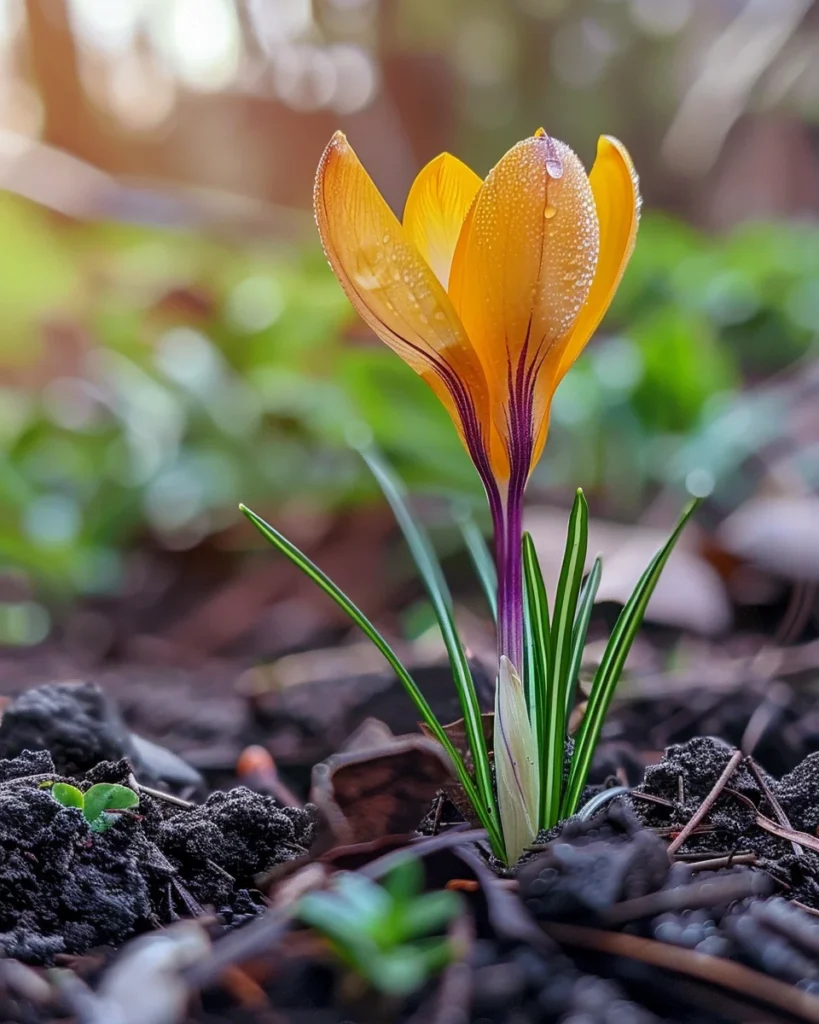
How to Grow Saffron Crocus for Spice: When to Plant, Best Varieties & Harvesting Tips
Intro for how to grow saffron crocus for spice
Saffron crocus (Crocus sativus) produces the world’s most expensive spice—saffron—which consists of the dried stigmas of the flower. Despite its luxury status, growing your own saffron crocus is surprisingly straightforward in the right conditions. These autumn-flowering corms produce beautiful lilac-purple blooms with distinctive red-orange stigmas that are harvested for culinary and medicinal uses. Each flower produces just three stigmas, explaining saffron’s high price. Saffron crocus thrives in well-drained soil and full sun, growing best in USDA zones 6-9 or similar temperate regions with dry summers and cool winters. With proper care, these perennial plants can produce saffron for up to 15 years, making them a valuable addition to any garden.
When to plant how to grow saffron crocus for spice
Saffron crocus corms should be planted in late summer to early autumn when soil temperatures have cooled to 15-18°C (60-65°F). In most temperate regions, this falls between August and September. Unlike spring-flowering crocus varieties, saffron crocus blooms in autumn, typically 6-8 weeks after planting. The corms need time to establish before flowering, so planting too late may delay blooming until the following year. Saffron crocus is frost-hardy once established, tolerating winter temperatures down to -15°C (5°F), but newly planted corms benefit from a layer of mulch in colder regions.
Best time to plant how to grow saffron crocus for spice
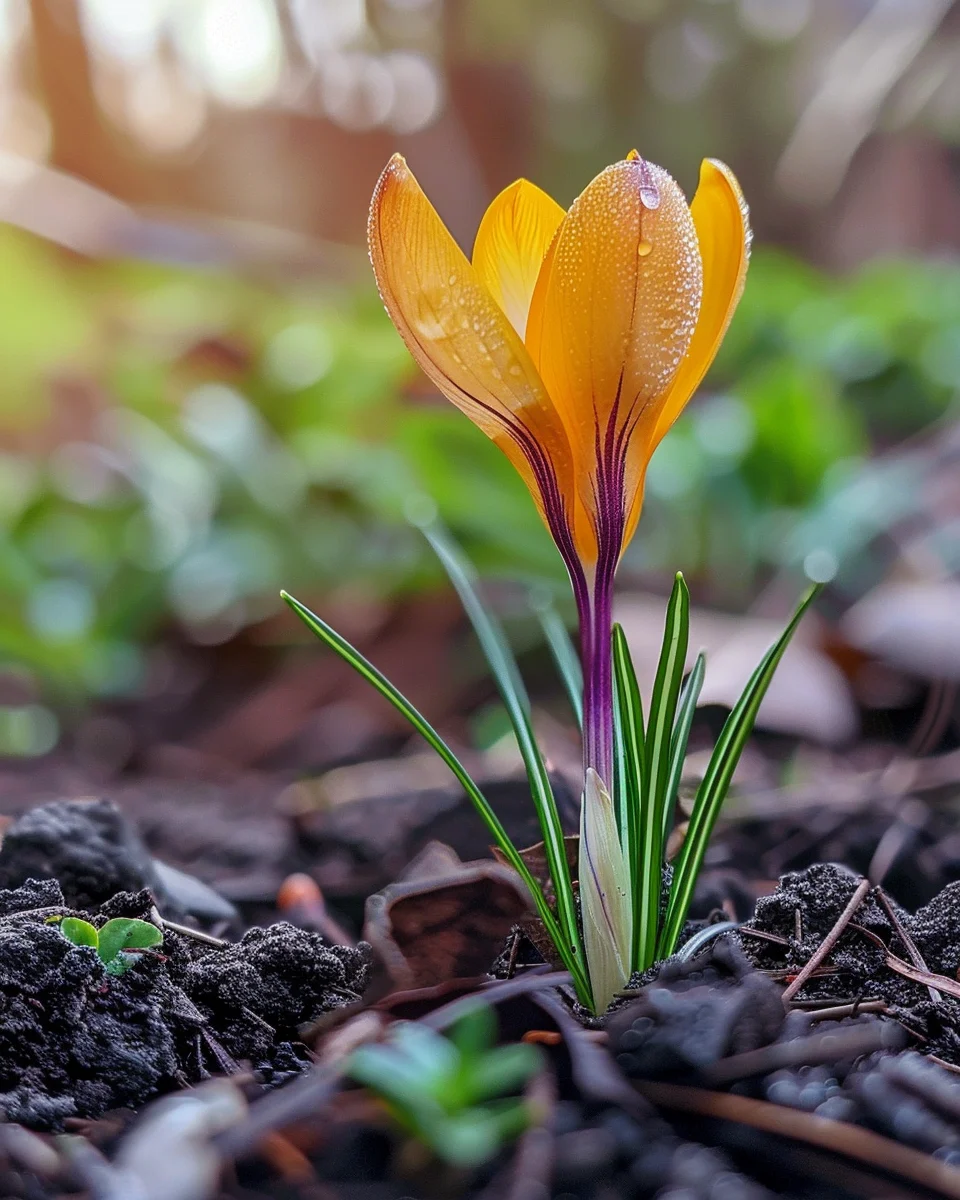
For cool temperate regions (UK, Northern Europe, US zones 5-7), plant saffron crocus corms in mid-to-late August for optimal results. In warmer Mediterranean climates (US zones 8-9), planting can be delayed until September or early October when soil temperatures have moderated. Saffron crocus is always planted as corms rather than seeds, as the plant is sterile and doesn’t produce viable seeds. The corms should be planted immediately upon receipt, as they don’t store well and can dry out quickly. If you must delay planting, keep corms in a cool, dry place with good air circulation for no more than 2-3 weeks.
Best how to grow saffron crocus for spice varieties to grow
- Crocus sativus ‘Cashmere’ – Produces exceptionally large flowers with particularly long stigmas, ideal for maximum saffron yield.
- Crocus sativus ‘Jumbo’ – Features oversized corms that establish quickly and produce abundant flowers in their first season.
- Crocus sativus ‘Kozani’ – Greek variety known for its intense flavor and aroma, considered among the finest quality saffron.
- Crocus sativus ‘Sativus Select’ – Reliable producer with consistent flowering and good cold tolerance down to zone 5.
- Crocus sativus ‘Spanish’ – Drought-tolerant variety that performs exceptionally well in hot, dry conditions.
- Crocus sativus ‘Dutch Giant’ – Produces larger-than-average flowers with particularly vibrant purple petals, making identification at harvest time easier.
- Crocus sativus ‘Iranian’ – Prized for its exceptionally high crocin content, giving saffron its distinctive color and flavor.
How to plant how to grow saffron crocus for spice
Materials needed:
- Saffron crocus corms
- Garden fork or tiller
- Compost or well-rotted manure
- Sand or grit (for heavy soils)
- Garden trowel
- Watering can with rose attachment
- Mulch material (straw, leaf mold, or compost)
Step-by-step planting guide:
- Select a site with full sun and excellent drainage; saffron crocus will rot in wet conditions.
- Prepare the soil by digging to a depth of 20-25 cm (8-10 inches), removing weeds and incorporating organic matter.
- For heavy clay soils, add sand or grit to improve drainage, aiming for a crumbly, loose texture.
- Plant corms 10-15 cm (4-6 inches) deep, with the pointed end facing upward.
- Space corms 10-15 cm (4-6 inches) apart in all directions.
- In container gardens, plant corms at the same depth but space them slightly closer at 7-10 cm (3-4 inches) apart.
- Water lightly after planting to settle the soil around the corms.
- Apply a 5 cm (2 inch) layer of mulch to conserve moisture and suppress weeds.
- Label the planting area clearly, as the foliage resembles grass and can be easily overlooked.
How to grow how to grow saffron crocus for spice
Saffron crocus requires full sun, receiving at least 6-8 hours of direct sunlight daily. The plants have a reverse growth cycle compared to most garden plants—they flower in autumn, produce foliage through winter and spring, then go dormant in summer. Water newly planted corms moderately, then reduce watering as temperatures cool. During the growing season (autumn through spring), water only during dry spells, as excessive moisture can cause rot.
Fertilizing should be minimal; a light application of balanced, low-nitrogen fertilizer in early autumn before flowering and again in early spring is sufficient. Avoid high-nitrogen fertilizers, which promote foliage at the expense of flowers. Mulch around plants with compost or straw to suppress weeds and maintain soil moisture, but keep mulch away from the crown to prevent rot.
For container growing, use pots at least 15 cm (6 inches) deep with excellent drainage. Plant 5-7 corms in a 30 cm (12-inch) pot using a mix of 2 parts potting soil, 1 part sand, and 1 part compost. Container-grown saffron crocus needs more frequent watering than garden-grown plants but should never sit in waterlogged soil.
Caring for how to grow saffron crocus for spice
After flowering, allow the grass-like foliage to grow throughout winter and spring, as it replenishes the corms for next season’s blooms. Only remove foliage when it yellows and dies back naturally in late spring. Every 3-4 years, dig up and divide corms in summer when dormant (July-August) to prevent overcrowding and maintain vigor.
The main pests affecting saffron crocus are rodents (mice, voles) that eat the corms, and thrips that damage flowers. Protect against rodents by planting corms in wire mesh cages or using repellents. For thrips, spray with insecticidal soap or neem oil when detected. Diseases include corm rot (from excessive moisture) and virus infections. Prevent rot by ensuring excellent drainage and avoid virus problems by purchasing certified disease-free corms.
Harvest saffron stigmas mid-morning when flowers are fully open but before they wilt. Using tweezers, carefully pluck the three red stigmas from each flower, leaving the yellow stamens behind. Dry stigmas on paper towels in a warm, dark place for 24-48 hours, then store in airtight containers away from light.
Understanding bolting in how to grow saffron crocus for spice
Unlike many garden herbs and vegetables, saffron crocus doesn’t bolt in the traditional sense. Bolting refers to premature flowering and seed production in leafy plants, but saffron crocus naturally flowers in autumn as part of its normal growth cycle. The term that better applies to saffron crocus is “blind growth,” where corms produce foliage but fail to flower.
Blind growth can be triggered by several factors: planting corms too shallowly, overcrowding as corms multiply, insufficient summer dormancy period, or corms that are too small or immature. To prevent blind growth, plant corms at the recommended depth of 10-15 cm (4-6 inches), divide clumps every 3-4 years, ensure plants receive a dry rest period in summer, and only plant large, firm corms at least 2.5 cm (1 inch) in diameter.
If your saffron crocus produces foliage but no flowers, be patient—newly planted corms sometimes take a year to establish before flowering. Ensure they receive adequate sunlight and proper drainage, and consider lifting and replanting at the correct depth during the dormant period.
Why does how to grow saffron crocus for spice turn bitter?
- Harvesting yellow stamens with red stigmas – Only the red stigmas should be harvested; the yellow stamens impart a bitter taste if included.
- Using too much saffron – Saffron has an intense flavor that becomes bitter when overused; follow recipes carefully and use sparingly.
- Improper storage – Exposure to light, heat, or moisture degrades saffron quality and can cause bitterness; store in airtight containers in a cool, dark place.
- Poor quality or old saffron – Saffron loses potency and develops off-flavors after 2-3 years; use fresh saffron for best results.
- Burning during cooking – Adding saffron directly to hot oil or exposing it to high heat can create bitter compounds; infuse in warm (not boiling) liquid first.
Companion planting for how to grow saffron crocus for spice
Good companions for saffron crocus include:
- Low-growing thyme – Acts as living mulch, suppressing weeds while allowing saffron flowers to emerge; both prefer similar well-drained conditions.
- Spring bulbs (tulips, daffodils) – These grow when saffron is dormant, maximizing garden space and providing year-round interest.
- Lavender – Shares similar growing requirements and helps deter rodents that might eat saffron corms.
- Rosemary – Its aromatic oils repel many insect pests and it thrives in the same dry, sunny conditions as saffron.
- Artemisia – Deters pests and its silver foliage provides visual interest when saffron is dormant.
Avoid planting saffron crocus near:
- Aggressive spreading plants (mint, bamboo) – These can quickly overwhelm and crowd out saffron corms.
- Tall, dense plants – These cast too much shade, reducing flowering and increasing disease risk from poor air circulation.
- Water-loving plants (hostas, astilbes) – These require contradictory growing conditions that could lead to rot in saffron corms.
Seasonal calendar
- July-August: Lift and divide overcrowded corms during dormancy; prepare planting beds.
- August-September: Plant or replant corms; water moderately to establish.
- October-November: Flowering period; harvest saffron stigmas; apply light mulch in cold regions.
- December-February: Foliage growth continues; minimal care needed; water only during extended dry periods.
- March-April: Apply light fertilizer as foliage continues to grow; remove competing weeds.
- May: Foliage begins to yellow; reduce watering as plants prepare for dormancy.
- June: Foliage dies back completely; stop watering to provide summer dormancy period.
Adjustments: In hot regions (zones 8-9), flowering may extend into December. In cooler regions (zone 5), protect with deeper mulch in winter and expect later spring growth.
Problems & solutions
| Problem | Quick Fix |
|---|---|
| No flowers | Check planting depth (should be 10-15 cm deep); ensure summer dormancy; be patient with new plantings which may not flower first year. |
| Rotting corms | Improve drainage immediately; reduce watering; consider lifting surviving corms, treating with fungicide, and replanting in better-drained location. |
| Rodent damage | Plant corms in wire mesh cages; use rodent repellents; try planting alliums nearby as deterrents. |
| Sparse foliage | Apply balanced fertilizer in early spring; check for overcrowding and divide if necessary during dormancy. |
| Yellowing foliage in winter | Normal if in late spring; if premature, check for waterlogging or fungal disease; improve air circulation. |
| Flowers but no stigmas | Likely thrip damage; treat with insecticidal soap or neem oil; improve air circulation around plants. |
| Stunted growth | Test soil pH (should be 6-8); check for compacted soil; amend with compost and ensure adequate sunlight. |
Common questions about growing how to grow saffron crocus for spice
How often should I water saffron crocus?
Water moderately after planting, then only during extended dry periods during the growing season (autumn through spring). During summer dormancy, keep completely dry to prevent rot and encourage flower formation.
Can saffron crocus grow in partial shade?
Saffron crocus requires full sun (6-8 hours daily) to flower abundantly. In partial shade, plants may grow foliage but produce fewer flowers with smaller stigmas, reducing your saffron harvest significantly.
What size container is best for growing saffron crocus?
Use containers at least 15 cm (6 inches) deep with excellent drainage. A 30 cm (12-inch) pot can accommodate 5-7 corms. Terracotta pots are ideal as they allow excess moisture to evaporate through their porous walls.
How many saffron crocus should I plant for cooking?
For a family’s cooking needs, plant at least 50-100 corms. Each flower produces only three stigmas, and it takes approximately 150-200 stigmas to produce 1 gram of dried saffron. With good care, each corm will multiply and increase your harvest over years.
How cold-hardy is saffron crocus?
Established saffron crocus can tolerate winter temperatures down to -15°C (5°F), making them suitable for USDA zones 6-9. In zone 5, they can survive with additional winter protection such as a thick mulch layer or growing in a sheltered location.
How long does it take to harvest saffron after planting?
If planted at the optimal time (late summer), saffron crocus typically flowers 6-8 weeks after planting. However, newly planted corms sometimes take a full year to establish before flowering abundantly.
How long do saffron crocus corms last?
With proper care, saffron crocus corms can produce flowers for 15+ years. They multiply naturally over time, with each mother corm producing several daughter corms annually, increasing your planting and harvest potential.