
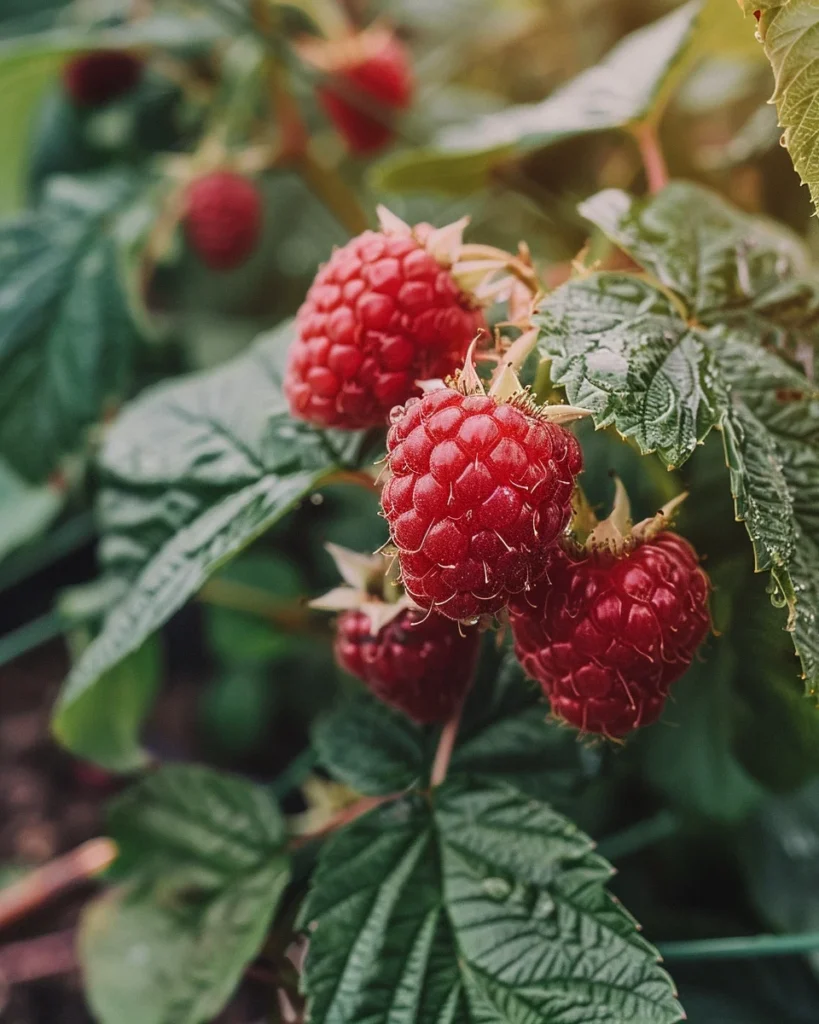
How to Grow Raspberries in Containers: Easy Guide for Small-Space Berry Harvests
Intro for growing raspberries in containers
Raspberries are delicious summer fruits that don’t require a large garden to grow successfully. Container-grown raspberries offer the perfect solution for gardeners with limited space, patios, or balconies. These versatile berries thrive in pots when given proper care, producing sweet, juicy fruits from summer through fall depending on the variety. Container cultivation also helps control their naturally spreading habit, prevents soil-borne diseases, and allows you to position them for optimal sunlight. With the right variety selection and care routine, you can enjoy bountiful harvests of these antioxidant-rich berries right outside your door, regardless of garden size.
When to plant raspberries in containers
Raspberries in containers can be planted in early spring once soil temperatures reach 10-15°C (50-60°F) or in late autumn/early winter in milder regions. Spring planting is ideal in areas with harsh winters, giving plants time to establish before summer heat. In temperate regions like USDA zones 5-9 or UK growing zones, autumn planting allows root development during winter dormancy. Avoid planting during frost periods or extreme summer heat. Containerized raspberries benefit from this flexibility compared to in-ground planting, as you can move them to protected locations during severe weather.
Best time to plant raspberries in containers
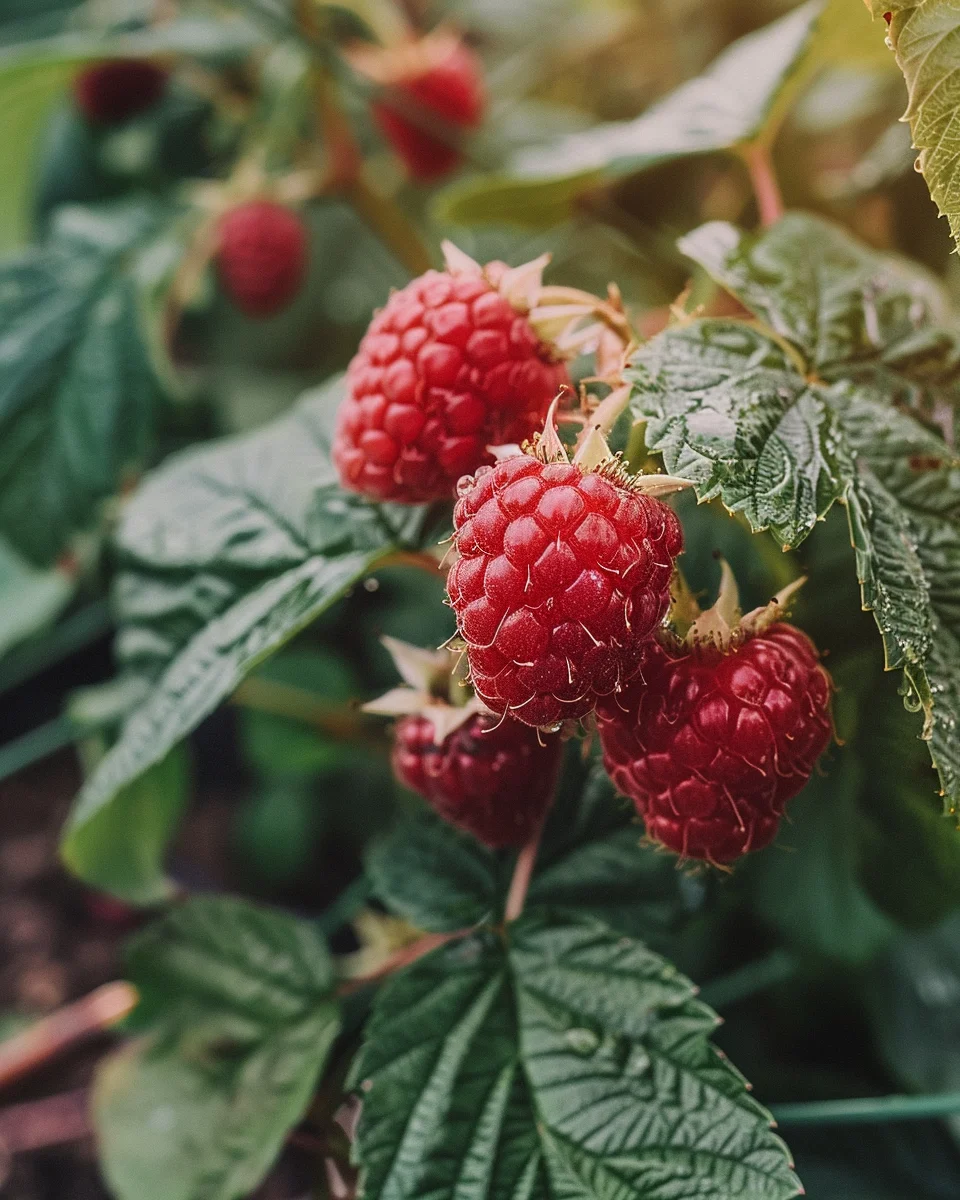
For cool temperate regions (USDA zones 4-6), plant raspberry canes from March to early May once the risk of hard frost has passed. In warmer regions (USDA zones 7-10), October to December planting often yields better results, allowing plants to establish during milder winter conditions. Bare-root plants are typically available and best planted during dormancy (late autumn to early spring), while potted raspberry plants can be transplanted almost year-round, avoiding only the hottest and coldest periods. For Mediterranean climates, aim for November-January planting to establish before summer heat arrives.
Best raspberry varieties to grow in containers
- Raspberry Shortcake® – A naturally dwarf, thornless variety bred specifically for container growing with a compact habit.
- Joan J – A thornless, fall-bearing (primocane) variety with excellent sweet flavor and high yields on compact plants.
- Heritage – Reliable, everbearing variety that produces two crops annually and adapts well to container cultivation.
- Autumn Bliss – Early ripening primocane variety with large berries and compact growth habit ideal for pots.
- Tulameen – Summer-bearing variety with exceptionally large, sweet fruits and good disease resistance.
- Anne – Yellow-fruited fall-bearing variety with sweet honey flavor and compact growth suitable for containers.
- Polka – High-yielding primocane variety with excellent flavor and compact habit perfect for container growing.
How to plant raspberries in containers
Materials needed:
- Container (minimum 40-50 cm/16-20 inches wide and deep)
- High-quality potting mix with added compost
- Raspberry canes or plants
- Slow-release fertilizer
- Support structure (stakes, trellis, or cage)
- Mulch material
- Watering can or hose
Step-by-step planting:
- Select a container with multiple drainage holes and at least 40-50 cm (16-20 inches) in diameter and depth.
- Fill the bottom of the container with a layer of broken pottery or stones to improve drainage.
- Mix quality potting soil with about 25% compost and a handful of slow-release fertilizer.
- Fill the container about two-thirds full with the soil mixture.
- Position your raspberry cane in the center, spreading the roots outward.
- For bare-root plants, create a small mound in the center and drape the roots over it.
- Add soil around the plant, keeping the crown (where stems meet roots) at the same level it was growing previously.
- For multiple plants in larger containers, space them 30-40 cm (12-16 inches) apart.
- Water thoroughly until water drains from the bottom holes.
- Add a 5 cm (2 inch) layer of mulch on top, keeping it away from the stems.
How to grow raspberries in containers
Position your raspberry containers where they’ll receive 6-8 hours of sunlight daily, with afternoon shade in hot climates. Water consistently, keeping soil moist but never waterlogged—typically every 2-3 days during growing season, possibly daily during hot weather. Check moisture by inserting your finger 5 cm (2 inches) into the soil. Feed with balanced liquid fertilizer monthly during growing season, switching to a higher potassium formula when fruiting begins. Install support structures like stakes, small trellises, or cages at planting time to support canes as they grow. Prune according to variety type: remove all canes that have fruited on summer-bearing varieties; for fall-bearing types, either remove all canes in winter for a single fall crop or selectively prune for two smaller harvests. Container-grown raspberries may need repotting every 2-3 years to refresh soil and provide more space for root development.
Caring for raspberries in containers
Monitor containers daily during hot weather as they dry out faster than garden soil. Apply a fresh layer of compost and mulch each spring to retain moisture and add nutrients. Watch for common pests like aphids (treat with insecticidal soap), spider mites (increase humidity by misting), and Japanese beetles (hand-pick or use organic traps). Raspberry canes are susceptible to fungal diseases in humid conditions—prevent by ensuring good air circulation, avoiding overhead watering, and removing any infected canes promptly. Harvest berries when they easily pull away from the plant, typically every 2-3 days during fruiting season. Pick in morning hours when berries are cool and firm. Fresh raspberries store poorly—refrigerate unwashed berries in a single layer for 2-3 days maximum, or freeze immediately for longer storage.
Understanding bolting in raspberries in containers
Unlike leafy vegetables, raspberries don’t bolt in the traditional sense. However, they can experience stress responses that affect fruit production. Heat stress occurs when temperatures consistently exceed 29°C (85°F), causing plants to focus on survival rather than fruiting. Prevent this by positioning containers in morning sun with afternoon shade during hot periods and maintaining consistent moisture. Water stress from irregular watering can cause berries to dry up or become malformed. Container-grown raspberries are particularly susceptible to rapid soil temperature fluctuations, which can trigger early dormancy or reduced fruiting. Apply thick mulch to moderate soil temperature and provide consistent watering. If plants show stress signs like wilting or yellowing leaves despite adequate moisture, move containers to a more sheltered location until conditions improve.
Why does raspberry fruit turn bitter?
- Underripe harvesting: Picking berries before fully ripe results in tart, bitter flavor—wait until berries easily detach and have developed full color.
- Heat stress: Extended periods above 30°C (86°F) can affect sugar development—provide afternoon shade and consistent watering during heat waves.
- Inconsistent watering: Drought followed by heavy watering causes stress that affects flavor—maintain even soil moisture throughout the growing season.
- Nutrient imbalance: Excessive nitrogen fertilizer promotes leaf growth at the expense of fruit quality—switch to a balanced or potassium-rich fertilizer when flowering begins.
- End-of-season decline: Late-season berries often have less developed flavor—normal for the plant’s life cycle as energy reserves diminish.
Companion planting for raspberries in containers
When planning companion plants for container raspberries, consider shallow-rooted herbs and flowers that won’t compete for nutrients while offering complementary benefits:
- Chives and garlic – Repel aphids and other insect pests while taking up minimal root space.
- Marigolds – Deter nematodes and add bright color to your container garden.
- Borage – Attracts pollinators and predatory insects that help control pests.
- Nasturtiums – Act as trap crops for aphids, protecting your raspberry plants.
- Oregano or thyme – Low-growing herbs that suppress weeds and attract beneficial insects.
Avoid planting raspberries near:
- Tomatoes, potatoes, or eggplants – Share diseases and can transmit verticillium wilt to raspberries.
- Blackberries – Closely related and compete for the same nutrients while potentially sharing pests and diseases.
Seasonal calendar
- January-February: Prune summer-bearing varieties; completely cut back fall-bearing varieties if desired for single crop.
- March: Apply fresh compost and slow-release fertilizer; plant new bare-root canes in containers.
- April: Install support structures; begin regular watering as new growth appears.
- May: Apply mulch; watch for pests as weather warms; thin excessive new canes.
- June: Increase watering frequency; begin harvesting summer-bearing varieties.
- July: Continue harvesting summer varieties; provide afternoon shade in hot regions.
- August: Begin harvesting fall-bearing varieties; continue regular watering and feeding.
- September-October: Continue harvesting fall varieties; reduce fertilizer.
- November: Clean up fallen leaves; plant new bare-root canes in mild climates.
- December: Move containers to sheltered locations in cold regions; apply winter mulch.
Problems & solutions
| Problem | Quick Fix |
|---|---|
| Yellowing leaves | Check for overwatering; ensure container drains well; apply balanced fertilizer if nutrient deficiency suspected. |
| Small, dry berries | Increase watering frequency; ensure consistent moisture during fruit development. |
| Canes wilting despite adequate water | Check for cane borers; prune and destroy affected canes below entry holes. |
| White powdery coating on leaves | Powdery mildew—improve air circulation; apply organic fungicide like neem oil or diluted milk spray. |
| Few or no fruits forming | Ensure adequate pollination; avoid excessive nitrogen; check that you’re not pruning fruiting canes. |
| Leaves with rusty spots or patches | Raspberry leaf spot or rust—remove affected leaves; avoid overhead watering; apply organic fungicide. |
| Plants outgrowing container | Divide and repot in early spring; refresh soil and root prune to rejuvenate. |
Common questions about growing raspberries in containers
How often should I water container raspberries?
Check moisture levels daily, especially during warm weather. Generally, water when the top 2.5 cm (1 inch) of soil feels dry. In summer, this might mean daily watering; in cooler weather, every 2-3 days is typically sufficient. Always ensure containers have excellent drainage to prevent root rot.
What size container is best for raspberries?
Use containers at least 40-50 cm (16-20 inches) in diameter and equally deep. Larger containers (60+ cm/24+ inches) will support more canes and require less frequent watering. Each plant needs approximately 38 liters (10 gallons) of soil volume for optimal growth.
Do raspberries in containers need full sun?
Raspberries need 6-8 hours of sunlight daily for optimal fruit production. In hot climates (above 30°C/86°F regularly), afternoon shade is beneficial to prevent heat stress. The mobility of containers allows you to adjust positioning seasonally for ideal light exposure.
How many raspberry plants can I grow in one container?
For a 40-50 cm (16-20 inch) container, plant one raspberry cane. In larger containers 60+ cm (24+ inches), you can plant 2-3 canes spaced 30-40 cm (12-16 inches) apart. Avoid overcrowding, which reduces air circulation and increases disease risk.
When should I repot my container raspberries?
Repot every 2-3 years in early spring before new growth begins. Signs that repotting is needed include decreased productivity, water running straight through the container, or roots circling the drainage holes. Divide the plants during repotting to rejuvenate and create new plants.
How do I winterize raspberry containers?
In regions with freezing winters (below -5°C/23°F), move containers to a sheltered location like an unheated garage or against a building. Wrap containers with bubble wrap or burlap to insulate roots. Apply a thick mulch layer on soil surface. In severe climates, consider sinking the entire container into the ground for winter protection.
Can I grow both summer and fall-bearing raspberries in the same container?
It’s not recommended to mix varieties in the same container as they have different pruning requirements. Growing them separately gives you better control over care and extends your harvest season. If space is limited, choose everbearing (fall-bearing) varieties that can produce two crops with proper pruning management.