
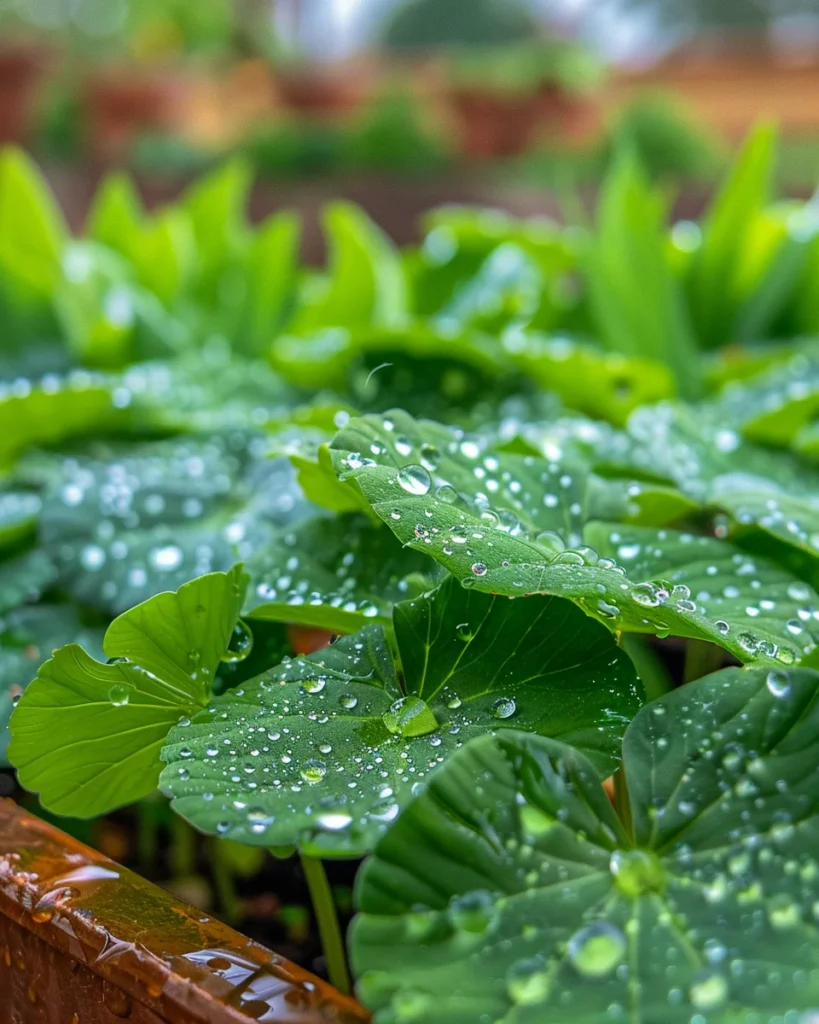
How to Set Up Rainwater Harvesting for Gardens: When to Install, Best Systems & Maintenance
Intro for rainwater harvesting for gardens
Rainwater harvesting is the practice of collecting and storing rainwater from rooftops and other surfaces for later use in your garden. This sustainable gardening technique reduces reliance on municipal water supplies, lowers water bills, and provides plants with natural, unchlorinated water that they prefer. Rainwater harvesting systems can be as simple as a single rain barrel or as complex as underground cisterns with pumps. These systems work best in areas that receive regular rainfall throughout the year, but even in drier climates, capturing occasional rain events can significantly supplement irrigation needs. With proper planning, rainwater harvesting can meet up to 50% of a typical garden’s water requirements while promoting environmental stewardship.
When to plant rainwater harvesting for gardens
Installing a rainwater harvesting system is best done during dry weather when you can work comfortably outdoors. Spring and fall are ideal seasons in most temperate regions, as summer can be too hot for installation work and winter may present freezing concerns. In regions with freezing temperatures (below 0°C/32°F), systems need to be winterized or designed with freeze protection. For areas with distinct wet and dry seasons, aim to have your system operational before the rainy season begins to maximize collection. The ground should be workable and not waterlogged when installing underground components or foundations for larger systems.
Best time to plant rainwater harvesting for gardens
In cool temperate regions (UK, Northern US, Canada), install systems from late April through June or September through October. For warm temperate areas (Southern US, Mediterranean), February through April or September through November work best. Avoid installation during the height of summer heat or during winter freezes. If you’re installing a simple rain barrel system, this can typically be done in a single weekend during any dry spell. For more complex systems with underground components, allow 2-4 weeks for complete installation, including time for concrete foundations to cure if required.
Best rainwater harvesting varieties to grow
- Simple Rain Barrel System – Perfect for beginners with minimal space and budget, collecting from a single downspout.
- Daisy-Chained Barrels – Connects multiple barrels together to increase storage capacity while maintaining a small footprint.
- Slim-Line Tanks – Designed for narrow spaces alongside houses, these vertical tanks maximize storage in limited areas.
- Underground Cisterns – Invisible storage solution that keeps water cool and protected while preserving garden aesthetics.
- Rain Gardens – Planted depressions that slow and capture rainwater runoff, allowing it to percolate into the soil.
- Green Roof Systems – Combines living roof vegetation with rainwater collection for maximum environmental benefit.
- IBC Tote Systems – Repurposed industrial containers offering 1000+ liter capacity at relatively low cost.
How to plant rainwater harvesting for gardens
Materials needed:
- Rain barrel(s) or storage tank
- Downspout diverter or rain chain
- Overflow pipe and fittings
- Spigot/tap
- Mosquito screen
- Level
- Drill with hole saw attachment
- Silicone sealant
- Concrete blocks or sturdy platform
- Hacksaw (for cutting downspout)
- Measuring tape
Installation steps:
- Choose a downspout that drains a significant roof area, ideally near your garden.
- Create a level, stable base using concrete blocks or a purpose-built platform that can support the weight of a full water barrel (water weighs approximately 1kg per liter).
- Position your rain barrel on the platform, ensuring it’s stable and level.
- Mark and cut the downspout approximately 20cm (8in) above the top of the barrel.
- Install the downspout diverter according to manufacturer instructions, or position the barrel directly under the shortened downspout.
- Drill a hole near the bottom of the barrel for the spigot, then install and seal it with silicone.
- Drill an overflow hole near the top of the barrel and attach overflow piping directed away from your home’s foundation.
- Cover all openings with mosquito screen to prevent insect breeding.
- Connect a garden hose to the spigot or install a drip irrigation system for efficient water distribution.
- Wait for rain to fill your new harvesting system!
How to grow rainwater harvesting for gardens
Rainwater harvesting systems require proper placement to maximize collection efficiency. Position tanks where they’ll receive runoff from the largest roof area possible. Most systems don’t require direct sunlight, and shade actually helps prevent algae growth in clear tanks. For watering schedules, use harvested rainwater first before supplementing with municipal water. A typical garden bed requires about 2.5cm (1in) of water per week during growing season.
Fertilizing isn’t necessary for the harvesting system itself, but you can add compost tea to the collected water for a nutrient boost for plants. Apply mulch around garden beds to reduce evaporation and maximize the efficiency of your harvested water. For larger systems, consider installing a first-flush diverter to prevent the initial roof runoff (which contains more contaminants) from entering your storage tank.
For container-specific systems, ensure overflow is directed appropriately and that containers are elevated enough to create water pressure for gravity-fed irrigation. In urban settings with limited space, consider wall-mounted slim tanks or underground storage options.
Caring for rainwater harvesting for gardens
Ongoing maintenance includes cleaning gutters seasonally to prevent debris buildup and checking screens and filters monthly during heavy use periods. Inspect seals and connections twice yearly for leaks. In autumn, clear fallen leaves from roof valleys and gutters to maximize collection efficiency.
Common issues include algae growth (remedy: keep tanks opaque or covered), mosquito breeding (solution: ensure all openings are screened), and sediment buildup (fix: install sediment traps and clean tanks annually). For winter care in freezing climates, either empty the system, install insulation, or use a system designed with freeze protection.
Harvest rainwater continuously throughout rainy periods. For storage, keep tanks covered to prevent evaporation and contamination. Most harvested rainwater can be stored for several months if properly protected from light and organic matter that could cause bacterial growth.
Understanding bolting in rainwater harvesting for gardens
While traditional bolting refers to plants prematurely flowering, in rainwater harvesting systems, “bolting” can refer to the rapid overflow or failure of components during heavy rain events. This typically occurs when the system’s capacity is exceeded or when components aren’t properly secured.
Triggers include undersized overflow pipes, blocked filters, or inadequate storage capacity for your roof area. Heavy downpours can overwhelm systems designed for average rainfall. Stress on components from weight or pressure can cause connections to fail.
Prevention includes properly sizing your system for your roof area (approximately 1m² of roof can generate 1 liter of water per mm of rainfall), installing adequate overflow capacity, and securing all components properly. If overflow occurs, check that diverters and overflow pipes are clear and functioning correctly, and consider adding additional storage capacity or a rain garden to handle excess water.
Why does rainwater harvesting for gardens turn bitter?
- Algae growth – Use opaque tanks or covers to block sunlight and prevent photosynthesis.
- Leaf tannins – Install gutter guards and first-flush diverters to prevent leaf matter from entering the system.
- Bacterial buildup – Clean tanks annually and ensure proper screening of all inlets.
- Roof contaminants – Consider the roofing material; some (like treated wood or new asphalt) may leach chemicals into runoff.
- Stagnation – Use or circulate stored water regularly, especially during hot weather.
Companion planting for rainwater harvesting for gardens
Good companions:
- Rain gardens with native moisture-loving plants to handle overflow and increase groundwater recharge.
- Vertical gardens on or near storage tanks to maximize space usage and provide shade for tanks.
- Drought-tolerant plants in areas furthest from your water source to prioritize harvested water for thirstier plants.
- Water-loving herbs like mint and watercress in areas that receive regular overflow.
- Bog gardens that can utilize excess water during heavy rain events.
Avoid planting near:
- Trees with invasive roots that might damage underground components or foundations.
- Plants requiring consistent chemical treatments that could contaminate runoff.
- Tall plants that might block access to maintenance points on your system.
Seasonal calendar
- January-February: Check for freeze damage; plan system upgrades or expansions.
- March: Clean gutters after winter; reconnect components if winterized.
- April: Install new systems; check and clean existing filters.
- May-June: Monitor water usage as garden needs increase; install water-saving irrigation.
- July-August: Check water quality in tanks; add shade if algae is developing.
- September: Install additional capacity before autumn rains; clean gutters.
- October: Harvest maximum rainfall; check overflow systems.
- November: Prepare system for winter; install insulation if needed.
- December: In freezing regions, drain exposed pipes and hoses.
Problems & solutions
| Problem | Quick Fix |
|---|---|
| Overflow during heavy rain | Install larger overflow pipes or additional storage capacity |
| Mosquito breeding | Add mosquito dunks (Bti) to water and ensure all openings are screened |
| Algae growth | Cover tanks or add non-toxic algaecide approved for garden use |
| Low water pressure | Raise tank height or install a small pump system |
| Leaking connections | Apply silicone sealant or replace gaskets and check for proper alignment |
| Sediment buildup | Install or clean first-flush diverter and sediment filter |
| Freezing damage | Drain exposed components before freezing weather or add insulation |
Common questions about growing rainwater harvesting for gardens
Q: How much water can I collect from my roof?
A: A typical rule of thumb is that 1mm of rain on 1m² of roof yields 1 liter of water. For example, a 100m² roof with 25mm of rain could collect up to 2,500 liters.
Q: Do I need to filter rainwater for garden use?
A: Basic filtering to remove debris and prevent mosquito breeding is sufficient for garden use. First-flush diverters help remove initial contaminants from the roof.
Q: What size container do I need?
A: Start with at least 200 liters (50 gallons) per downspout. For serious gardeners, aim for 1,000+ liters of storage to bridge dry periods.
Q: How far can my garden be from the collection point?
A: With gravity systems, keep gardens within 10m (30ft) and downhill from tanks. With pumps, distance is less important but keep pipe runs reasonable to maintain pressure.
Q: Can rainwater harvesting systems withstand freezing temperatures?
A: Basic systems need winterizing in freezing climates. Drain exposed pipes and hoses, or invest in freeze-resistant systems with buried pipes and insulated tanks.
Q: How often should I clean my rainwater harvesting system?
A: Clean gutters seasonally, check filters monthly during heavy use, and perform a complete system cleaning annually, typically in early spring.
Q: Can I drink harvested rainwater?
A: Garden-grade systems are not designed for potable use. Drinking water requires specialized filtration, treatment, and testing systems beyond standard garden setups.