
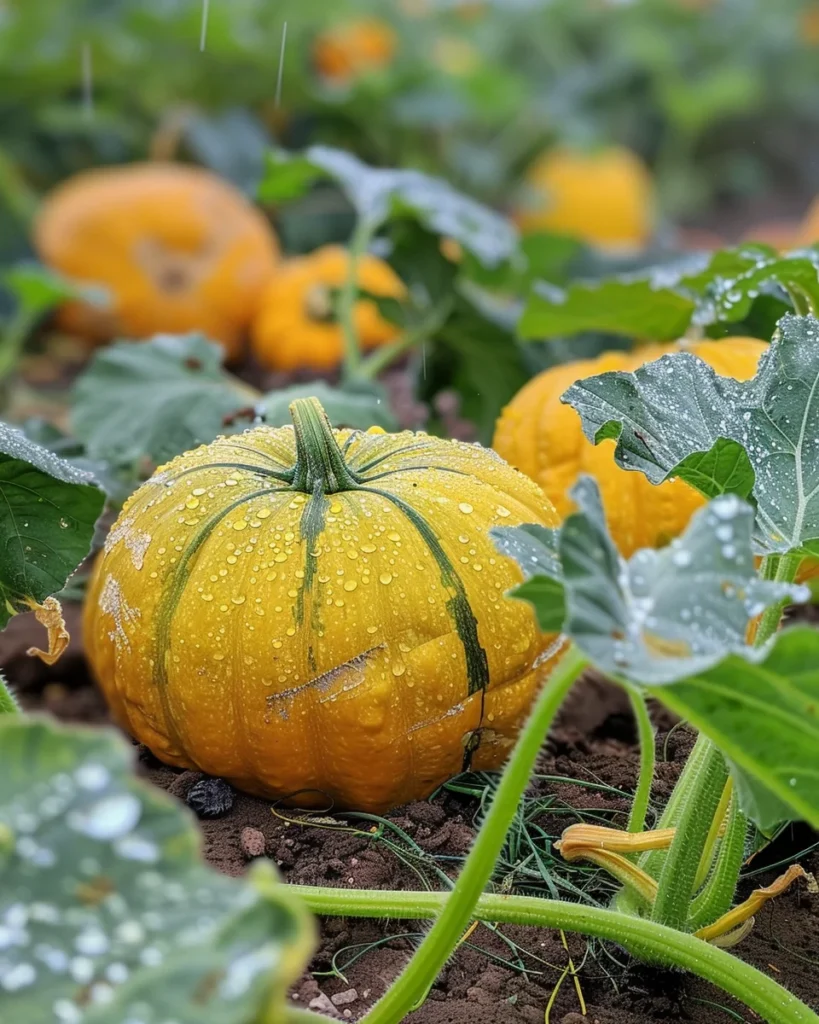
How to Grow Pumpkins in Small Gardens: Space-Saving Varieties, Vertical Growing & Care Tips
Intro for growing pumpkins in small gardens
Pumpkins have a reputation for being garden sprawlers, but with the right techniques and varieties, even gardeners with limited space can enjoy growing these autumn favorites. Small-space pumpkin growing combines smart variety selection with vertical growing methods to maximize yield in minimal square footage. Beyond their decorative appeal, homegrown pumpkins offer delicious, nutritious flesh for cooking and seeds packed with healthy oils and protein. Pumpkins grow best in full sun with rich, well-draining soil and thrive in most temperate regions with a growing season of at least 90-120 days. With some planning and care, you can successfully grow these cheerful orange globes even in tiny gardens, raised beds, or containers.
When to plant pumpkins in small gardens
Pumpkins are warm-season crops that require soil temperatures of at least 18-21°C (65-70°F) for successful germination. They are extremely frost-sensitive, so planting should occur well after the last spring frost date in your region. In most temperate areas, this means waiting until late spring when all danger of frost has passed and soil has thoroughly warmed.
For northern or cooler regions, you may need to start seeds indoors 2-4 weeks before your last frost date to ensure a long enough growing season. Southern and warmer climate gardeners can direct sow seeds and may even consider a second planting in early summer for a fall harvest. Regardless of your climate, ensure you allow enough time for fruits to mature before your first fall frost, as pumpkins typically need 90-120 days from planting to harvest, depending on the variety.
Best time to plant pumpkins in small gardens
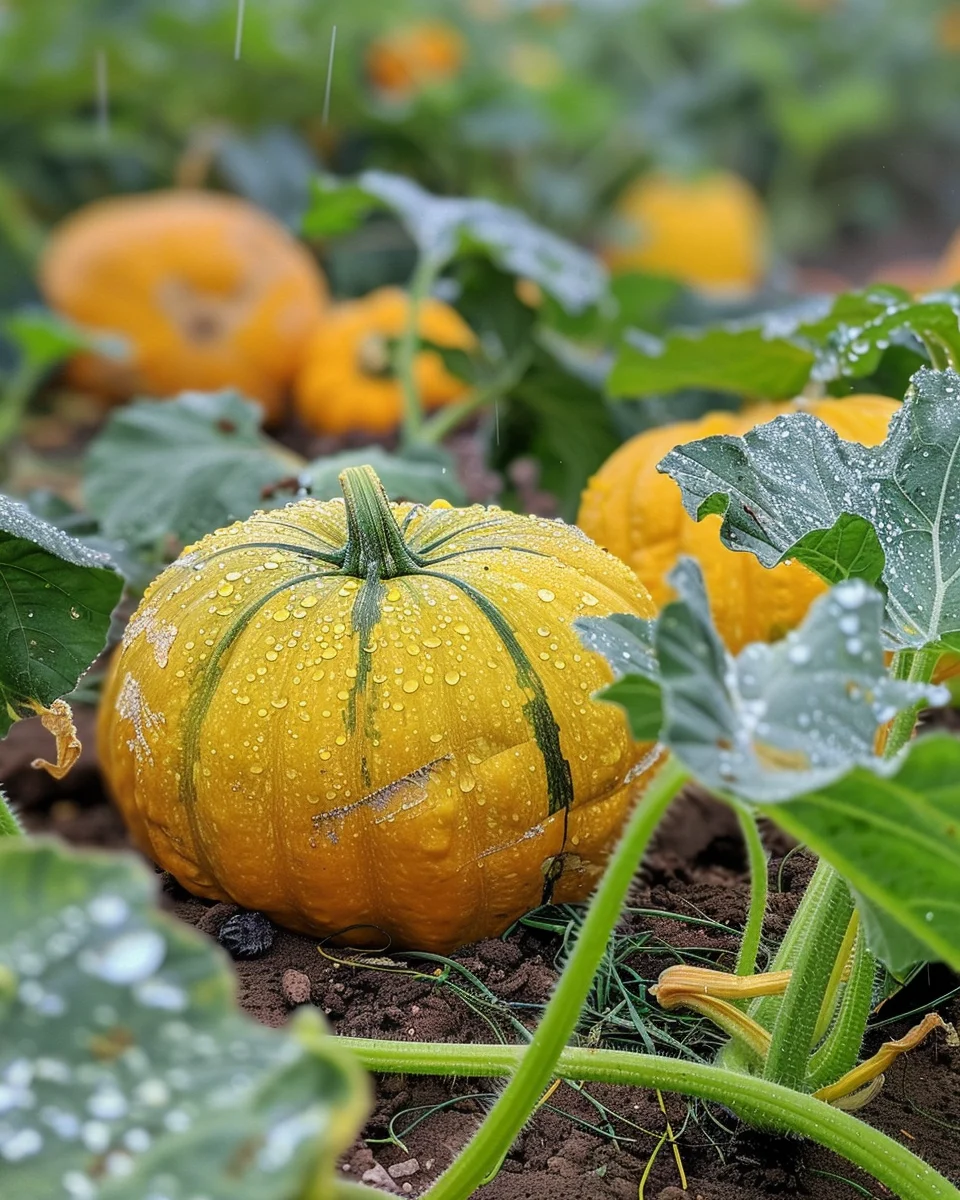
In cool temperate regions (UK, Northern US, Canada), plant pumpkins from mid-May to early June when soil temperatures consistently reach 18°C (65°F). Starting seeds indoors in April gives plants a head start in these shorter-season areas.
For warm temperate regions (Southern US, Mediterranean), direct sowing can begin in late April through May. In very warm climates with mild winters, you might even plant as late as July for a fall harvest.
Container-grown pumpkins follow the same seasonal timing but benefit from slightly later planting as containers warm up faster than ground soil. Transplant seedlings when they have 2-3 true leaves and all danger of frost has passed, typically 2-3 weeks after your region’s last frost date.
Best pumpkin varieties to grow in small gardens
- Jack Be Little – Miniature 8-10 cm (3-4 inch) ornamental pumpkins perfect for containers, producing multiple fruits per vine.
- Baby Boo – Small white 8-12 cm (3-5 inch) pumpkins with short vines ideal for hanging baskets or small raised beds.
- Small Sugar – Compact 20-25 cm (8-10 inch) sweet pie pumpkins with exceptional flavor and manageable 2-3 meter (6-10 foot) vines.
- Wee-B-Little – Award-winning miniature variety growing just 20-25 cm (8-10 inch) vines, perfect for containers.
- Hijinks – Semi-bush habit with 3-4 kg (7-8 lb) fruits on shorter vines that respond well to vertical training.
- Spirit – Semi-bush variety with 4-5 kg (8-10 lb) fruits and good disease resistance for small garden plots.
- Autumn Gold – Early-maturing variety with 3-4 kg (7-8 lb) fruits that can be grown vertically on sturdy trellises.
How to plant pumpkins in small gardens
Materials needed:
- Pumpkin seeds or seedlings
- Compost or well-rotted manure
- General-purpose organic fertilizer
- Trellis, arch, or other vertical support (for vining varieties)
- Large containers (minimum 40-50 cm/16-20 inches diameter) if container growing
- Mulch material (straw, wood chips, etc.)
- Watering can or hose with gentle spray attachment
Step-by-step planting:
- Select the sunniest spot in your small garden, ensuring at least 6-8 hours of direct sunlight daily.
- Prepare the soil by incorporating 5-8 cm (2-3 inches) of compost or well-rotted manure to improve fertility and drainage.
- For vertical growing, install a sturdy trellis, arch, or fence (at least 1.8 m/6 ft tall) before planting.
- Create planting mounds 30-45 cm (12-18 inches) in diameter and 10-15 cm (4-6 inches) high to improve drainage.
- For container growing, fill large pots with high-quality potting mix mixed with 25% compost.
- Plant 2-3 seeds per mound or container, 2.5 cm (1 inch) deep, and thin to the strongest seedling after germination.
- Space mounds 60-90 cm (24-36 inches) apart for bush varieties or 45-60 cm (18-24 inches) apart when growing vertically.
- Water thoroughly after planting, ensuring the soil is moist but not waterlogged.
- Apply a 5 cm (2 inch) layer of mulch around plants (but not touching stems) to conserve moisture and suppress weeds.
- For vertical growing, gently tie young vines to the support structure as they begin to grow, training them upward.
How to grow pumpkins in small gardens
Pumpkins need full sunlight to thrive, requiring a minimum of 6 hours of direct sun daily. In small gardens, place them where they won’t shade other crops as they grow.
Water deeply and consistently, providing 2.5-5 cm (1-2 inches) of water weekly, focusing on the root zone and avoiding wetting the foliage. Container-grown pumpkins may need daily watering during hot weather.
Feed plants with a balanced organic fertilizer at planting time, then switch to a lower-nitrogen, higher-phosphorus and potassium fertilizer (such as 5-10-10) when flowering begins to encourage fruit development.
For vertical growing, train vines up trellises, arches, or fences as they grow. Secure with soft plant ties or strips of cloth, being careful not to damage stems. Once fruits form on vertical vines, create supportive slings from old t-shirts, nylon stockings, or mesh produce bags to prevent heavy fruits from detaching.
In containers, use pots at least 40-50 cm (16-20 inches) in diameter with excellent drainage. Bush varieties work best, but even vining types can cascade from large containers or be trained upward on supports. Container-grown pumpkins need more frequent watering and feeding than ground-planted ones.
Hand-pollinate flowers in small gardens to improve fruit set: transfer pollen from male flowers (with straight stems) to female flowers (with tiny fruit behind the bloom) using a small paintbrush or by removing a male flower and touching its center to the female flower’s center.
Caring for pumpkins in small gardens
Monitor soil moisture consistently, especially during fruit development. Mulch helps maintain even moisture and prevents fruits from contacting bare soil, which can cause rot. Prune excess vines to focus plant energy on developing fruits—limit bush varieties to 3-4 fruits and vining types to 2-3 fruits per plant in small spaces.
Common pests include squash bugs, cucumber beetles, and aphids. Control squash bugs by removing eggs (found on leaf undersides) and handpicking adults. Use row covers until flowering to prevent cucumber beetles. Spray aphids with a strong water jet or insecticidal soap solution.
Watch for powdery mildew, which appears as white powder on leaves. Prevent by spacing plants for good air circulation and avoiding overhead watering. Treat with a baking soda spray (1 tablespoon baking soda, 1 teaspoon mild liquid soap, 1 gallon water) at first signs.
Harvest pumpkins when the rind is fully colored and hard enough to resist puncture by thumbnail. Cut fruits with 7-10 cm (3-4 inches) of stem attached, which improves storage life. Cure harvested pumpkins in a warm, dry place for 7-14 days before storing in a cool, dry location at 10-15°C (50-60°F).
Understanding bolting in pumpkins
Unlike leafy greens, pumpkins don’t bolt in the traditional sense. However, they can experience premature flowering and reduced fruit development under stress conditions. This occurs when plants flower too early before developing sufficient foliage to support fruit production.
Stress triggers include extreme temperature fluctuations, drought, nutrient deficiencies, or transplant shock. Plants may produce mostly male flowers with few female flowers (those with tiny fruits behind the bloom) when stressed.
Prevent these issues by maintaining consistent watering, especially during hot periods, and ensuring adequate nutrition. Avoid disturbing roots when transplanting seedlings. If plants flower very early with minimal vine development, remove the earliest flowers to encourage more vegetative growth before allowing fruits to set.
For small-space growing, this early flower removal is particularly important as it helps establish stronger plants that can support vertical growth and fruit development in limited space.
Why does pumpkin turn bitter?
- Cucurbitacin development – Natural compounds that increase with plant stress; maintain consistent watering and fertilizing to prevent.
- Cross-pollination with wild gourds or ornamental pumpkins – Plant edible varieties away from ornamental types or hand-pollinate and save seeds only from isolated plants.
- Heat and drought stress – Provide shade during extreme heat and ensure regular deep watering, especially important in container growing.
- Immature harvest – Allow fruits to fully mature on the vine; harvest when rind is hard and fully colored.
- Genetic factors – Some varieties naturally contain more bitter compounds; choose varieties bred specifically for eating quality if growing for consumption.
Companion planting for pumpkins in small gardens
Good companions for pumpkins in small gardens include:
- Nasturtiums – Repel squash bugs and cucumber beetles while attracting pollinators with bright flowers.
- Radishes – Quick-growing crops that can be harvested before pumpkins need the space, also deter cucumber beetles.
- Marigolds – Repel nematodes and other soil pests while adding color to the garden.
- Beans – Fix nitrogen in the soil, benefiting heavy-feeding pumpkins, and can share vertical supports.
- Borage – Attracts pollinators and deters pests while improving pumpkin growth and flavor.
Avoid planting pumpkins near:
- Potatoes – Compete for nutrients and can increase susceptibility to disease.
- Other cucurbits (cucumbers, melons, squash) – Share pests and diseases and will cross-pollinate, potentially affecting seed saving.
- Brassicas (broccoli, cabbage) – Compete for nutrients and space in small gardens.
Seasonal calendar
- February-March: Start seeds indoors in cooler regions; prepare growing beds with compost.
- April: Continue indoor seed starting; prepare outdoor beds and containers in warmer regions.
- May: Transplant seedlings after last frost; direct sow in warm regions; install trellises and supports.
- June: Continue direct sowing in cooler regions; begin training vines vertically; thin to strongest plants.
- July: Hand-pollinate flowers; provide support for developing fruits on vertical vines; monitor for pests.
- August: Continue fruit support; maintain consistent watering; remove late-forming flowers to focus energy on existing fruits.
- September-October: Harvest mature pumpkins; cure for storage; remove spent plants and compost.
- November: In warm regions, prepare beds for potential second planting; elsewhere, clean up garden and plan for next season.
Problems & solutions
| Problem | Quick Fix |
|---|---|
| Flowers but no fruits forming | Hand-pollinate flowers in early morning; ensure both male and female flowers are present |
| Fruits rotting on the ground | Place cardboard, straw, or plastic under developing fruits; grow vertically with sling supports |
| Powdery white spots on leaves | Improve air circulation; apply milk spray (1:9 milk:water) or baking soda solution weekly |
| Yellowing leaves with brown edges | Check watering—likely under-watering; apply mulch and water deeply less frequently |
| Stunted growth in containers | Repot to larger container; increase feeding with balanced organic fertilizer |
| Vines wilting suddenly | Check for squash vine borers; slit stem lengthwise, remove larvae, cover damaged area with soil |
| Fruits developing but remaining small | Reduce number of fruits per plant; increase potassium with compost tea or organic fertilizer |
Common questions about growing pumpkins in small gardens
How much water do pumpkins need in containers?
Container-grown pumpkins need checking daily during warm weather. Water thoroughly when the top 2.5 cm (1 inch) of soil feels dry. Containers may require daily watering during hot periods, especially once fruits begin developing. Always water at the soil level to avoid wetting foliage.
Can I grow pumpkins on a balcony?
Yes, with proper planning. Choose miniature varieties like ‘Jack Be Little’ or ‘Wee-B-Little,’ use containers at least 40-50 cm (16-20 inches) in diameter, and provide strong vertical supports. Ensure your balcony receives 6+ hours of direct sunlight and can support the weight of containers, soil, plants, and water.
How much space do bush pumpkin varieties need?
Bush varieties like ‘Spirit’ or ‘Hijinks’ need about 60-90 cm (24-36 inches) of space per plant. In very small gardens, you can further reduce this by pruning side shoots and limiting each plant to 2-3 fruits.
How do I support pumpkins growing vertically?
Use sturdy trellises, arches, or fences at least 1.8 m (6 ft) tall. Train young vines by gently tying them to the support with soft plant ties. Once fruits form, create supportive slings from old t-shirts, nylon stockings, or mesh bags attached to the trellis to prevent fruits from detaching under their own weight.
Can I save seeds from my pumpkins for next year?
Yes, but only if you grew a single variety isolated from other cucurbits (by at least 400 m/quarter mile) to prevent cross-pollination. Select seeds from fully mature fruits, wash to remove pulp, dry thoroughly for 1-2 weeks, and store in a cool, dry place. Note that hybrid varieties won’t grow true to type from saved seeds.
How many pumpkins can I expect per plant in a small garden?
In small gardens using vertical growing methods, expect 2-3 full-sized pumpkins per vining plant or 3-4 per bush variety. Miniature varieties may produce 8-12 fruits per plant. Removing excess female flowers once you have your desired number of developing fruits helps ensure better quality.
When should I harvest pumpkins for best storage?
Harvest when the rind is fully colored and hard enough to resist puncture by thumbnail. The vine attached to the fruit should be starting to dry. Cut (don’t pull) fruits with 7-10 cm (3-4 inches) of stem attached. Cure in a warm, dry place for 7-14 days before storing at 10-15°C (50-60°F) with good air circulation.