
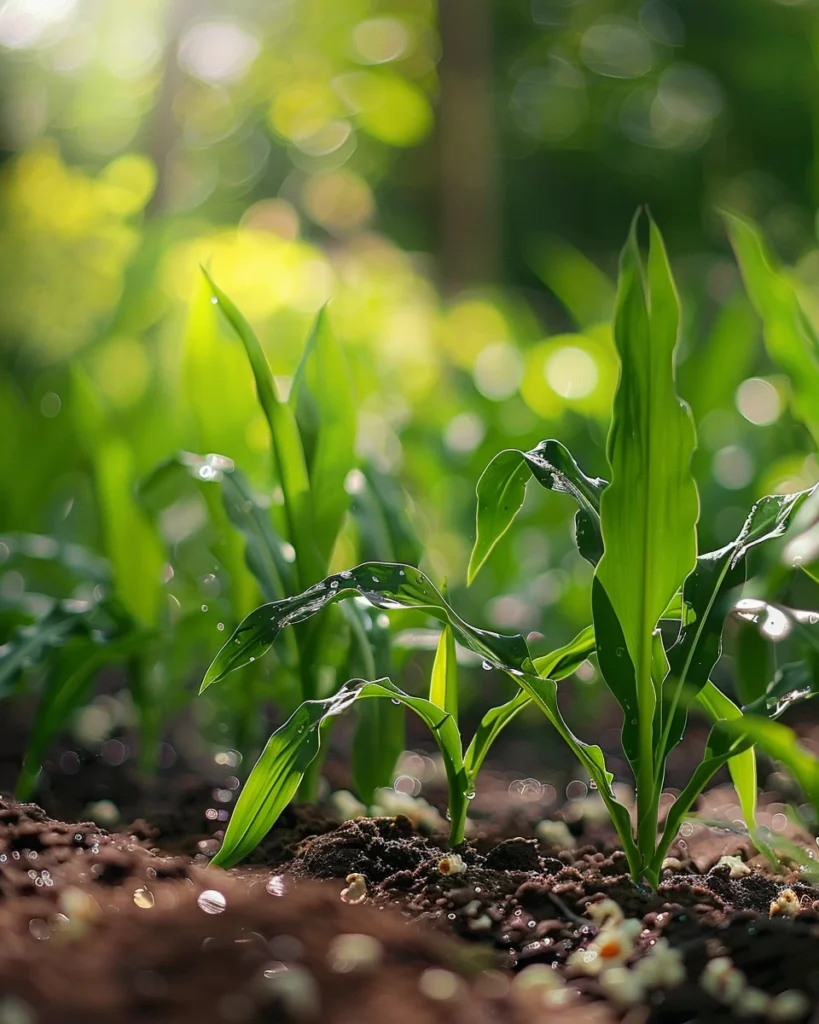
How to Grow Popcorn in Home Gardens: When to Plant, Best Varieties & Care Guide
Intro for growing popcorn in home gardens
Popcorn (Zea mays var. everta) is a special type of flint corn with kernels that burst when heated, creating the beloved snack we all enjoy. Growing your own popcorn can be a rewarding experience that yields a delicious harvest with superior flavor compared to store-bought varieties. Popcorn thrives in full sun and warm soil conditions, making it ideal for summer gardens across most temperate regions. With its tall stalks and decorative ears, popcorn adds visual interest to vegetable gardens while providing a fun crop that can be stored for months after harvest. Even gardeners with limited space can grow compact varieties in containers, making this a versatile crop for nearly any home garden.
When to plant popcorn in home gardens
Popcorn requires warm soil and a long growing season of 90-120 days to reach maturity. Plant popcorn only after all danger of frost has passed and soil temperatures have reached at least 15°C (60°F). In most temperate regions, this means waiting until late spring. Popcorn is extremely frost-sensitive, so early plantings should be protected with cloches or row covers if unexpected cold snaps occur. For gardeners in cooler climates (US Zones 3-5 or UK northern regions), choose shorter-season varieties and start seeds indoors 2-3 weeks before transplanting to extend the growing season.
Best time to plant popcorn in home gardens
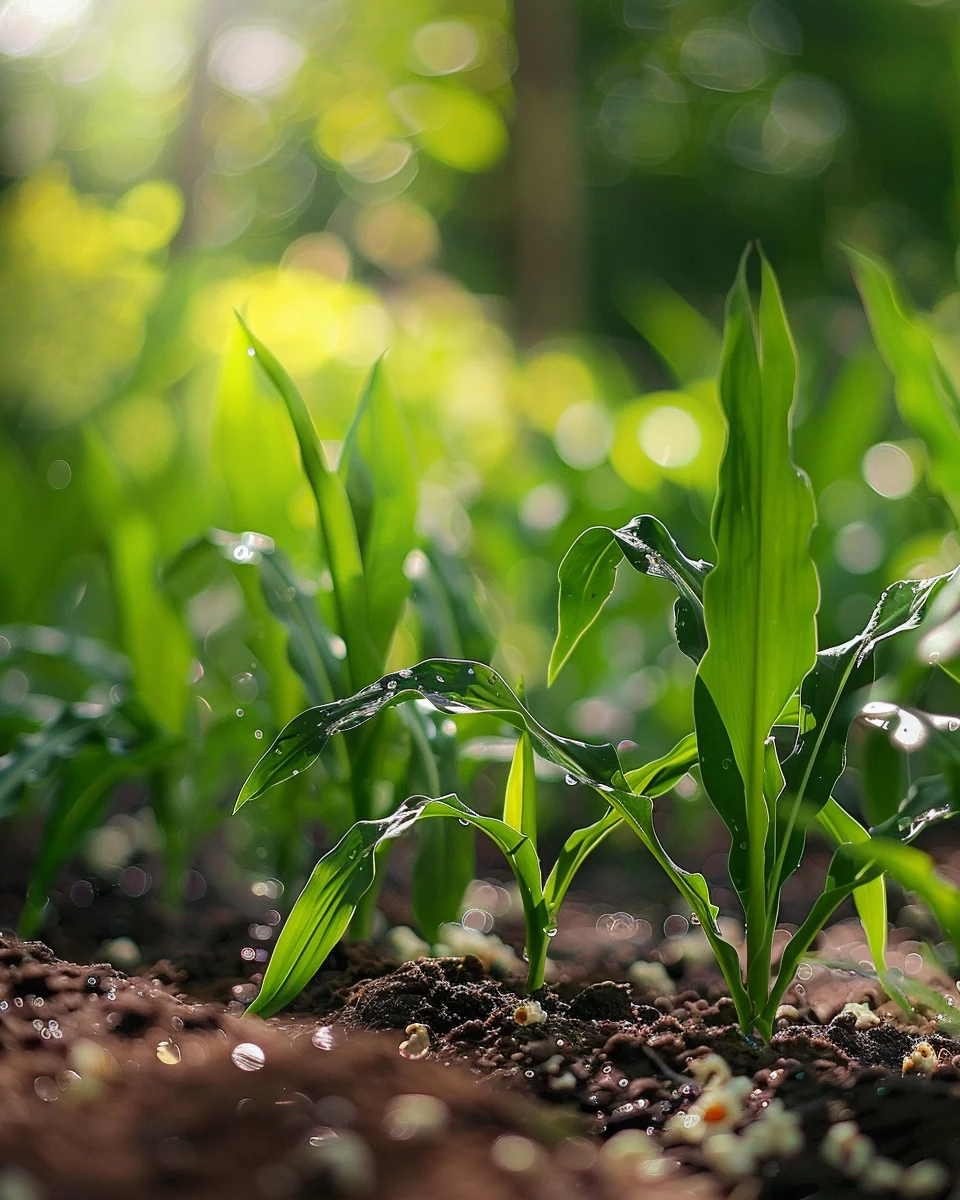
In warm temperate regions (US Zones 7-10, Mediterranean climates), direct sow popcorn from mid-April through early June. For cooler temperate regions (US Zones 4-6, UK, northern Europe), wait until May or early June when soil has thoroughly warmed. Succession planting with 2-3 week intervals can extend your harvest period, but all plantings should allow enough time for maturity before first fall frosts. For indoor starts in cool regions, sow seeds 2-3 weeks before the last expected frost, but be aware that popcorn doesn’t always transplant easily due to its sensitive root system.
Best popcorn varieties to grow
- Dakota Black – An heirloom variety with striking black kernels that pop white with a nutty flavor, maturing in 95 days.
- Strawberry Popcorn – Produces small, decorative deep-red ears shaped like strawberries, perfect for small gardens and containers.
- Tom Thumb – Ultra-compact variety growing just 90-120cm (3-4ft) tall, ideal for containers and small spaces with a 85-90 day maturity.
- Japanese White Hulless – Produces tender white kernels with thin hulls that virtually disappear when popped, maturing in 85-95 days.
- Pennsylvania Dutch Butter Flavored – An heirloom variety with exceptional buttery flavor when popped, no additional butter needed.
- Robust 128YH – A hybrid variety with excellent disease resistance and high yields, maturing in 110 days.
- Miniature Blue – Beautiful blue kernels on small 10cm (4in) ears, perfect for northern gardens with shorter seasons.
How to plant popcorn in home gardens
Materials needed:
- Popcorn seeds
- Compost or well-rotted manure
- Balanced organic fertilizer (10-10-10)
- Garden fork or tiller
- Garden hose or watering can
- Mulch (straw or grass clippings)
- Row markers
Step-by-step planting instructions:
- Select a site that receives at least 8 hours of direct sunlight daily with well-draining soil.
- Prepare the soil by removing weeds and incorporating 5-7cm (2-3in) of compost or well-rotted manure.
- Create furrows 2.5cm (1in) deep, with rows spaced 75-90cm (30-36in) apart.
- Plant seeds 20-25cm (8-10in) apart within rows, or plant in blocks of at least 4 rows to ensure proper pollination.
- Cover seeds with soil and firm gently to ensure good seed-to-soil contact.
- Water thoroughly but gently to avoid washing away seeds.
- For block planting (recommended for better pollination), create a minimum 1m × 1m (3ft × 3ft) block with plants spaced 25cm (10in) apart in all directions.
- Apply a balanced organic fertilizer according to package directions, incorporating lightly into the soil around the planting area.
- Mark rows clearly to identify the planting site until seedlings emerge in 7-10 days.
How to grow popcorn in home gardens
Popcorn requires full sunlight (8+ hours daily) to develop properly. Water deeply once or twice weekly, providing 2.5cm (1in) of water per week, increasing to 5cm (2in) during tasseling, silking, and ear formation. Apply a side dressing of nitrogen-rich fertilizer when plants are 30cm (12in) tall and again when tassels appear. Mulch around plants with straw or grass clippings to conserve moisture and suppress weeds. Thin seedlings to final spacing when plants reach 10-15cm (4-6in) tall, keeping the strongest specimens.
For container growing, select compact varieties and use containers at least 30cm (12in) deep and wide. Plant 2-3 plants per container of this size, using high-quality potting mix with added compost. Container-grown popcorn requires more frequent watering and feeding with a half-strength liquid fertilizer every two weeks. Hand pollination may be necessary for container plants – gently shake plants during mid-morning when tassels are shedding pollen to ensure it reaches the silks.
Caring for popcorn in home gardens
Monitor soil moisture carefully, especially during tasseling and silking stages when water needs are highest. Common pests include corn earworms (treat by applying a few drops of mineral oil to silks after pollination) and European corn borers (control with Bt spray before they bore into stalks). Watch for corn smut, a fungal disease appearing as gray-white galls on ears and tassels – remove and destroy affected parts immediately.
Harvest popcorn when husks are dry and brown, and kernels are hard – typically 30-40 days after silking. Test by trying to dent a kernel with your fingernail; if it resists, it’s ready. Pull ears downward and twist to remove from stalks. For storage, peel back husks without removing them completely, tie several ears together, and hang in a warm, dry, well-ventilated area for 2-4 weeks to cure. Once fully dried (kernels should shatter rather than dent when hit with a hammer), remove kernels by twisting ears in your hands or rubbing two ears together. Store dried kernels in airtight containers in a cool, dry place for up to two years.
Understanding bolting in popcorn in home gardens
Unlike leafy vegetables, popcorn doesn’t bolt in the traditional sense. However, popcorn does go through a natural progression from vegetative growth to reproductive stages (tasseling and silking). This process is triggered by day length and accumulated heat units rather than stress. If popcorn plants produce tassels and silks earlier than expected, it’s usually due to heat stress or drought conditions. To prevent premature tasseling, maintain consistent watering, especially during hot periods, and ensure plants are properly spaced to reduce competition. If early tasseling occurs, continue normal care as the plants will still produce ears, though they may be smaller than expected.
Why does popcorn in home gardens turn bitter?
- Improper storage – Kernels stored in humid conditions can develop mold that creates bitter flavors; store in airtight containers in cool, dry locations.
- Harvesting too late – Overripe kernels can develop off-flavors; harvest when husks are completely dry and brown.
- Insufficient drying – Inadequately dried kernels may develop mildew or fermentation flavors; ensure kernels are completely dry before storage.
- Cross-pollination – Popcorn grown near ornamental corn or field corn can cross-pollinate, affecting flavor; isolate popcorn plantings by distance or timing.
- Soil contaminants – Heavy metals or other soil contaminants can affect flavor; grow in tested soil or raised beds with clean soil.
Companion planting for popcorn in home gardens
Good companions:
- Beans – Fix nitrogen in the soil that corn needs, while corn provides natural support for climbing beans.
- Squash – Creates living mulch that suppresses weeds and retains soil moisture around corn roots.
- Cucumbers – Similar to squash, provide ground cover while benefiting from the partial shade of corn stalks.
- Marigolds – Repel corn-damaging nematodes and other pests with their strong scent.
- Nasturtiums – Attract beneficial insects and may help deter aphids and corn earworms.
Avoid planting near:
- Tomatoes – Compete for nutrients and can share pests and diseases with corn.
- Other corn varieties – Will cross-pollinate, affecting the popping quality of your popcorn.
- Celery – Competes for similar nutrients and doesn’t thrive in the same growing conditions.
Seasonal calendar
- March-April – Start seeds indoors in cooler regions; prepare garden beds.
- May – Direct sow in warm regions; transplant indoor starts after last frost in cooler areas.
- June – Continue direct sowing in cooler regions; first side-dressing of fertilizer for early plantings.
- July – Second side-dressing of fertilizer when tassels appear; ensure consistent watering during this critical period.
- August – Monitor for pest issues; continue deep watering during ear development.
- September-October – Harvest when husks are dry and kernels are hard; begin curing process.
- November – Complete drying and curing; shell ears and store kernels for winter use.
Problems & solutions
| Problem | Quick Fix |
|---|---|
| Poor pollination/partially filled ears | Plant in blocks rather than rows; hand-pollinate by shaking tassels over silks in morning. |
| Corn earworms | Apply several drops of mineral oil mixed with Bt to silks after pollination is complete. |
| Stalks falling over | Create small hills around base of plants (mounding); plant in blocks to allow stalks to support each other. |
| Kernels won’t pop | Ensure proper drying (13-14% moisture content); test by popping a few kernels before storage. |
| Yellow leaves | Side-dress with nitrogen fertilizer; ensure adequate watering as corn is a heavy feeder. |
| Birds eating kernels | Cover ears with paper bags after pollination; secure bags with rubber bands or twine. |
| Raccoon damage | Harvest promptly when mature; install temporary electric fencing during ripening period. |
Common questions about growing popcorn in home gardens
How much water does popcorn need?
Popcorn requires about 2.5cm (1in) of water weekly, increasing to 5cm (2in) during tasseling and ear formation. Water deeply rather than frequently to encourage deep root development. Container-grown popcorn may need daily watering during hot weather.
Can I grow popcorn in containers?
Yes, compact varieties like ‘Tom Thumb’ and ‘Strawberry Popcorn’ grow well in containers at least 30cm (12in) deep and wide. Plant 2-3 plants per container, use quality potting mix, and water more frequently than in-ground plantings.
How far apart should I plant popcorn?
Space plants 20-25cm (8-10in) apart within rows, with rows 75-90cm (30-36in) apart. For block planting (recommended for better pollination), space plants 25cm (10in) apart in all directions in blocks of at least 4 rows by 4 rows.
Why are my popcorn ears small?
Small ears typically result from insufficient pollination, drought stress during ear development, or overcrowding. Ensure adequate spacing, consistent watering, and plant in blocks rather than single rows to improve pollination.
How do I know when popcorn is ready to harvest?
Harvest when husks are completely dry and brown, usually 30-40 days after silking. Test kernels by trying to dent them with your fingernail – they should be hard and resist denting. The connection between kernel and cob should look brown and dry.
Can I save seeds from my popcorn harvest?
Yes, provided your popcorn didn’t cross-pollinate with other corn varieties. Select the largest, most uniform ears from healthy plants, and save kernels from the middle section of these ears for next year’s planting.
How long does homegrown popcorn stay viable for popping?
Properly dried and stored popcorn kernels remain viable for popping for 2-3 years when kept in airtight containers in a cool, dry place. For best popping results, maintain a moisture content of 13-14%.