
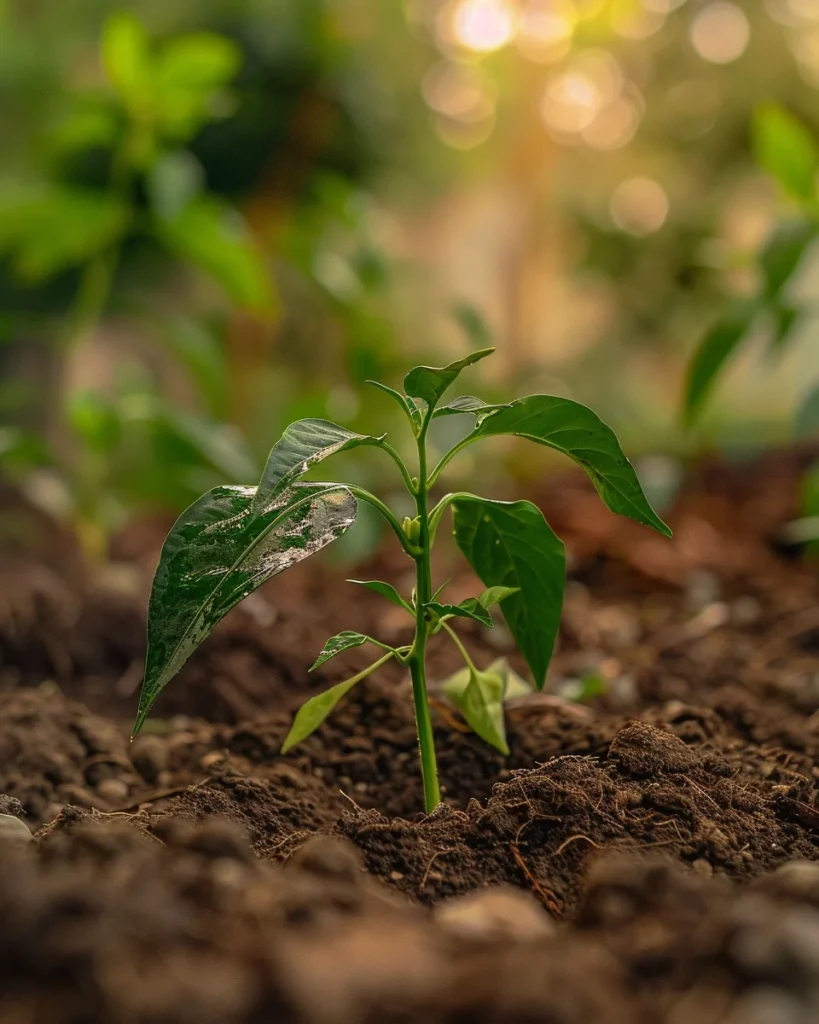
How to Grow Poblano Peppers for Stuffing: When to Plant, Best Varieties & Care
Intro for growing poblano peppers for stuffing
Poblano peppers are mild to medium-hot chiles that are perfect for stuffing due to their thick walls and generous size. Native to Puebla, Mexico, these heart-shaped peppers mature from dark green to deep red and are the fresh version of dried ancho chiles. Growing your own poblanos ensures you’ll have the perfect peppers for making chiles rellenos and other stuffed pepper dishes. With their relatively mild heat (1,000-2,000 Scoville units) and rich, slightly earthy flavor, poblanos are an excellent addition to any garden. They thrive in warm, sunny conditions and can be grown successfully in most temperate regions with a growing season of at least 3-4 months.
When to plant poblano peppers for stuffing
Poblano peppers require warm soil and air temperatures to thrive. Wait until all danger of frost has passed and soil temperatures have reached at least 18°C (65°F). In most temperate regions, this means waiting until 2-3 weeks after the last spring frost date. Poblanos are extremely frost-sensitive and will suffer damage or die if exposed to temperatures below 10°C (50°F). For gardeners in USDA zones 5-9 or equivalent, this typically means planting outdoors from mid-May to early June, depending on your specific microclimate.
Best time to plant poblano peppers for stuffing

In cool temperate regions (UK, Northern US, Canada), start seeds indoors 8-10 weeks before your last expected frost date, typically in March or early April. Transplant seedlings outdoors in late May to early June when nighttime temperatures consistently stay above 10°C (50°F).
In warm temperate regions (Southern US, Mediterranean), you can start seeds indoors 6-8 weeks before the last frost, usually in February, and transplant outdoors in April or May. In very warm climates (zones 9-11), you might even plant a second crop in late summer for fall harvest.
Direct sowing is not recommended for poblanos in most regions as they need a long growing season and warm soil to germinate properly.
Best poblano pepper varieties to grow for stuffing
- Ancho 101 – Traditional variety with thick walls ideal for stuffing and a perfect balance of sweetness and mild heat.
- Tiburon – Heavy-yielding hybrid with extra-large fruits perfect for stuffing and excellent disease resistance.
- Baron – Early-maturing variety (65-70 days) with heavy yields, making it excellent for shorter growing seasons.
- Ancho San Luis – Produces heart-shaped fruits with thick walls and rich flavor, perfect for authentic chiles rellenos.
- Ancho Magnifico – Compact plant (24-30 inches) that performs well in containers while producing full-sized stuffing peppers.
- Mosquetero – Extra-large fruits with thick walls and mild heat, specifically bred for stuffing applications.
- Trident – Heat-tolerant hybrid that continues producing even during hot summer periods.
How to plant poblano peppers for stuffing
Materials needed:
- Poblano pepper seedlings or seeds
- Well-draining potting mix or garden soil amended with compost
- Balanced organic fertilizer (5-5-5 or similar)
- Garden trowel
- Watering can or hose with gentle spray attachment
- Mulch (straw, wood chips, or leaf mold)
- Plant stakes or cages (for support)
Step-by-step planting:
- Select a planting site that receives at least 6-8 hours of direct sunlight daily.
- Prepare soil by incorporating 2-3 inches of compost and a light application of balanced organic fertilizer.
- Dig holes approximately 30-45 cm (12-18 inches) apart in rows spaced 60-75 cm (24-30 inches) apart.
- Make each hole slightly deeper and wider than the root ball of your seedlings.
- Carefully remove seedlings from their containers, disturbing the roots as little as possible.
- Place each seedling in its hole at the same depth it was growing in its container.
- Backfill with soil, gently firming around the roots to eliminate air pockets.
- Water thoroughly, applying water at the base of each plant until soil is evenly moist.
- Apply a 5 cm (2 inch) layer of mulch around plants, keeping it away from stems to prevent rot.
- Install stakes or cages at planting time to avoid disturbing roots later.
How to grow poblano peppers for stuffing
Sunlight: Poblanos require full sun, meaning at least 6-8 hours of direct sunlight daily. In very hot climates, they may benefit from light afternoon shade.
Watering: Keep soil consistently moist but not waterlogged. Water deeply when the top 2.5 cm (1 inch) of soil feels dry. Typically, this means watering 1-2 times per week, increasing to 3-4 times during hot, dry periods. Always water at the base of plants to keep foliage dry and prevent disease.
Fertilizing: Apply a balanced organic fertilizer (5-5-5) when planting. Once plants begin flowering, switch to a lower-nitrogen, higher-phosphorus and potassium fertilizer (like 5-10-10) to encourage fruit production. Feed every 4-6 weeks throughout the growing season.
Mulching: Apply a 5-7 cm (2-3 inch) layer of organic mulch to conserve moisture, suppress weeds, and regulate soil temperature. Straw, shredded leaves, or fine wood chips work well.
Pruning: Remove the first flowers that appear to encourage stronger plant growth. Pinch off suckers (side shoots that grow in leaf axils) to direct energy to fruit production. For larger peppers, limit each plant to 8-12 fruits by removing excess flowers.
Support: Poblano plants typically grow 60-90 cm (24-36 inches) tall and can become top-heavy when laden with fruit. Install stakes or small tomato cages at planting time to provide support as they grow.
Container growing: Choose containers at least 30-40 cm (12-16 inches) deep and wide. Use high-quality potting mix with added compost. Container-grown poblanos need more frequent watering and fertilizing—check moisture daily and fertilize every 3-4 weeks.
Caring for poblano peppers for stuffing
Ongoing tasks: Check plants weekly for pests and diseases. Remove any yellowing leaves promptly. Maintain consistent moisture, especially during fruit development. Harvest peppers regularly to encourage continued production.
Common pests and diseases:
- Aphids: Tiny green or black insects that cluster on new growth. Control with strong water spray or insecticidal soap.
- Spider mites: Cause stippled, yellowing leaves and fine webbing. Increase humidity and apply neem oil.
- Bacterial spot: Creates water-soaked spots on leaves and fruits. Remove affected parts and avoid overhead watering.
- Blossom end rot: Dark, sunken areas at the bottom of fruits caused by calcium deficiency or irregular watering. Maintain consistent moisture and consider calcium spray.
Harvest timing: Poblanos are typically ready to harvest 65-80 days after transplanting. For green poblanos (most common for stuffing), harvest when fruits are firm, glossy, and have reached full size (10-15 cm/4-6 inches long). For red poblanos (sweeter, fruitier flavor), allow to fully change color on the plant.
Harvest method: Use sharp scissors or pruning shears to cut peppers from the plant, leaving a short stem attached. Pulling can damage the plant.
Storage: Fresh poblanos will keep in the refrigerator for 1-2 weeks in a perforated plastic bag. For longer storage, roast and freeze, or dry them to make ancho chiles.
Understanding bolting in poblano peppers for stuffing
Unlike leafy greens, poblano peppers don’t bolt in the traditional sense. However, they can experience premature flowering and reduced fruit set under stress. This happens when plants are exposed to temperature extremes (either too hot or too cold), drought, or nutrient deficiencies.
To prevent stress-induced flowering problems:
- Maintain consistent watering, especially during hot periods
- Provide afternoon shade if temperatures regularly exceed 35°C (95°F)
- Apply mulch to regulate soil temperature and moisture
- Ensure adequate nutrition with regular feeding
If your plants flower too early before establishing good size, pinch off the first set of flowers to redirect energy to vegetative growth. This will result in stronger plants and better pepper production later.
Why does poblano pepper turn bitter?
- Heat stress: Prolonged exposure to temperatures above 35°C (95°F) can cause bitterness. Provide afternoon shade during heat waves.
- Irregular watering: Drought stress followed by heavy watering can affect flavor. Maintain consistent soil moisture.
- Overfertilization: Too much nitrogen can cause bitter flavors. Use balanced fertilizers and follow recommended application rates.
- Harvesting too late: Overripe poblanos can develop bitter notes. Harvest when peppers are firm and fully sized but still glossy.
- Pest or disease damage: Damaged fruits often develop off-flavors. Inspect regularly and discard affected peppers.
Companion planting for poblano peppers for stuffing
Good companions:
- Basil – Repels flies and mosquitoes while improving pepper flavor and growth.
- Marigolds – Deter nematodes and other soil pests that can damage pepper roots.
- Onions and garlic – Help repel aphids and other insect pests that commonly attack peppers.
- Carrots – Use space efficiently as they grow below ground while peppers grow above.
- Nasturtiums – Act as trap crops for aphids, keeping them away from your peppers.
Plants to avoid:
- Fennel – Secretes compounds that inhibit growth of many plants, including peppers.
- Brassicas (cabbage, broccoli, kale) – Compete for similar nutrients and can stunt pepper growth.
- Other nightshades (tomatoes, eggplants) – Can share and spread the same diseases.
Seasonal calendar
- February-March: Start seeds indoors under grow lights (8-10 weeks before last frost).
- April: Harden off seedlings by gradually exposing to outdoor conditions; prepare garden beds.
- May-June: Transplant seedlings outdoors after all danger of frost has passed; install supports.
- June-July: Apply first side-dressing of fertilizer; monitor for pests and diseases.
- July-August: Main growing period; ensure consistent watering; apply second fertilizer application.
- August-September: Begin harvesting green poblanos as they reach full size.
- September-October: Continue harvesting; allow some peppers to ripen to red if desired.
- November: In warm regions, plants may continue producing; in cold areas, harvest all remaining peppers before first frost.
Note: For warmer regions (zones 9-11), start seeds 2-4 weeks earlier. For cooler regions (zones 3-4), delay outdoor planting until early June.
Problems & solutions
| Problem | Quick Fix |
|---|---|
| Flowers dropping without forming fruit | Likely temperature stress. Maintain temperatures between 21-32°C (70-90°F); hand-pollinate flowers with a small brush. |
| Curling, yellowing leaves | Check for aphids on leaf undersides; spray with insecticidal soap or neem oil solution. |
| Small, deformed peppers | Poor pollination or nutrient deficiency. Hand-pollinate and apply balanced organic fertilizer. |
| Black spots on pepper bottoms | Blossom end rot. Maintain consistent watering and apply calcium spray. |
| Stunted growth, not producing | Check for root-knot nematodes; rotate crops and add beneficial nematodes to soil. |
| Peppers have thin walls, not good for stuffing | Variety issue or insufficient nutrients. Ensure you’re growing proper stuffing varieties and feed with phosphorus-rich fertilizer. |
| Plants falling over | Install stakes or cages immediately; prune if top-heavy. |
Common questions about growing poblano peppers for stuffing
Q: How often should I water my poblano peppers?
A: Water when the top inch of soil feels dry, typically 1-2 times per week in moderate weather and 3-4 times weekly during hot periods. Consistent moisture is key, especially during fruit development.
Q: How much sun do poblano peppers need?
A: Poblanos require 6-8 hours of direct sunlight daily for optimal growth and fruit production. In very hot climates, light afternoon shade can be beneficial.
Q: What size container is needed for growing poblanos?
A: Use containers at least 30-40 cm (12-16 inches) in diameter and depth, with a minimum capacity of 19 liters (5 gallons) per plant. Ensure containers have drainage holes.
Q: How far apart should I space poblano plants?
A: Space plants 30-45 cm (12-18 inches) apart in rows 60-75 cm (24-30 inches) apart. In containers, limit to one plant per 5-gallon container.
Q: Can poblanos tolerate cold weather?
A: No, poblanos are very frost-sensitive. They grow best when temperatures are between 21-32°C (70-90°F) and will suffer damage below 10°C (50°F). Protect plants if temperatures drop unexpectedly.
Q: How many poblano peppers will one plant produce?
A: A healthy poblano plant typically produces 20-30 peppers over the growing season. Production varies based on growing conditions, care, and variety.
Q: When are poblano peppers ready to harvest for stuffing?
A: Harvest poblanos for stuffing when they’re full-sized (10-15 cm/4-6 inches long), firm, and dark green with thick walls. This is typically 65-80 days after transplanting.