
How to Grow Peas in Spring Containers: When to Plant, Best Varieties & Care
Intro for growing peas in spring containers
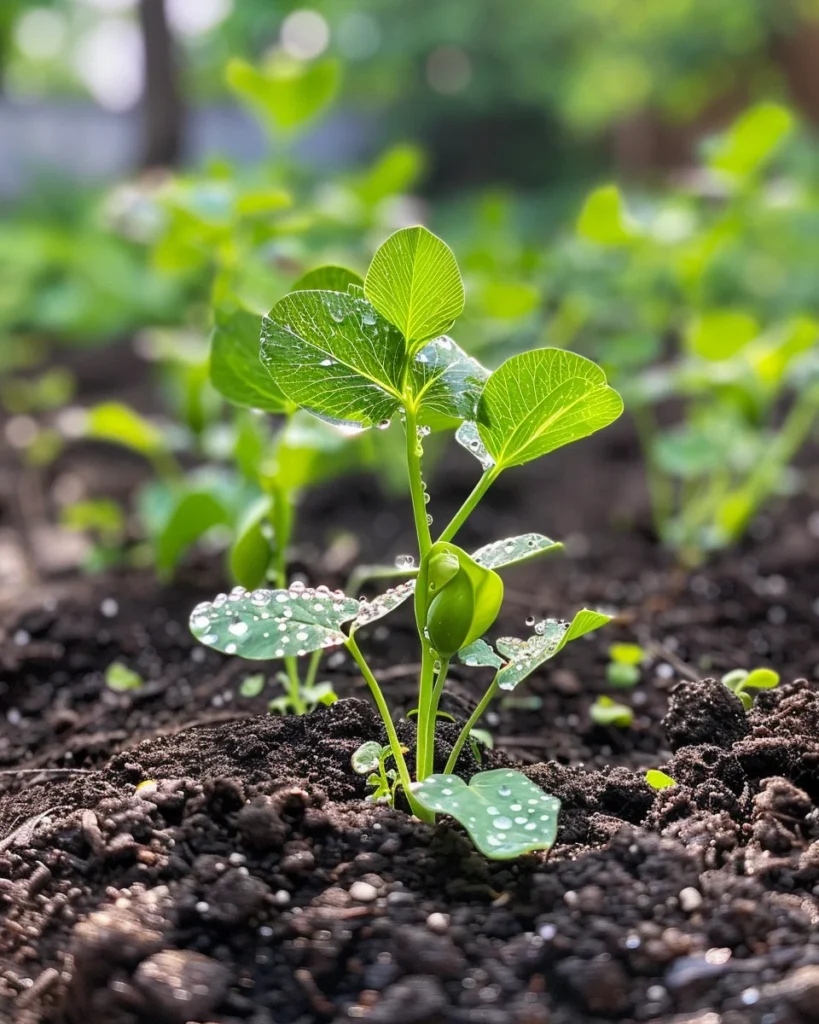
Peas are perfect spring crops for container gardening, offering sweet harvests from even the smallest spaces. These cool-season legumes thrive in the mild temperatures of spring and can be incredibly productive in pots, window boxes, and other containers. Growing peas in containers allows gardeners with limited space to enjoy homegrown peas while also providing better soil control and fewer pest problems. As nitrogen-fixers, peas actually improve your soil as they grow. With their pretty flowers and vertical growth habit, container peas aren’t just productive—they’re decorative additions to patios, balconies, and small gardens, making them ideal for both beginner and experienced gardeners looking to maximize spring harvests.
When to plant peas in spring containers
Peas are quintessential cool-season crops that should be planted early in spring. They germinate best when soil temperatures reach 4-10°C (40-50°F), making them one of the earliest vegetables you can plant. In most temperate regions, peas can be sown as soon as the soil can be worked in late winter or early spring. They can tolerate light frosts once established, but young seedlings may need protection if temperatures drop below -4°C (25°F). For container growing, you have the advantage of being able to start slightly earlier than in-ground gardening, as container soil warms faster and can be moved to protected areas during unexpected cold snaps.
Best time to plant peas in spring containers
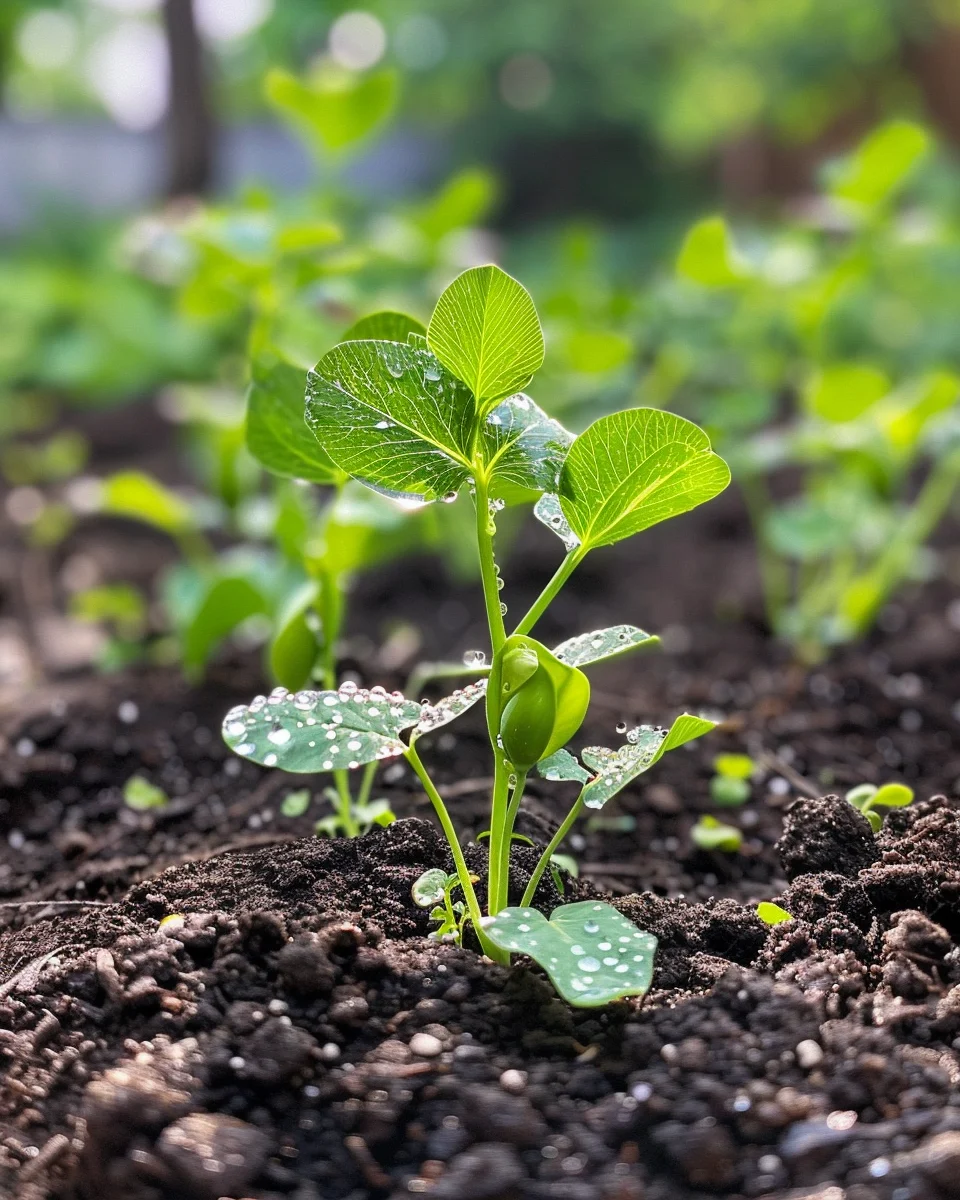
In cool temperate regions (UK, Northern US, Canada), plant peas in containers from mid-February to early April. In warmer zones (US zones 7-9, Mediterranean regions), sow from January to March before temperatures climb too high. For the most reliable results, direct sow peas rather than transplanting, as they dislike root disturbance. If starting indoors is necessary due to extreme conditions, use biodegradable pots and transplant carefully when seedlings are just 2-3 cm (1 inch) tall. For a continuous harvest, consider succession planting every 2-3 weeks until temperatures begin to warm significantly.
Best pea varieties to grow in containers
- Tom Thumb – An heirloom dwarf variety growing only 20-25 cm (8-10 inches) tall, perfect for small containers and window boxes.
- Little Marvel – Compact plants (45-60 cm/18-24 inches) that produce sweet, tender peas and don’t require extensive trellising.
- Sugar Ann – Early-maturing snap pea with edible pods that grows only 60 cm (24 inches) tall and is ideal for containers.
- Patio Pride – Award-winning container variety that matures quickly (40 days) and produces sweet peas on compact 40 cm (16 inch) vines.
- Maestro – Disease-resistant shelling pea that produces high yields even in containers and has excellent heat tolerance.
- Oregon Sugar Pod II – Productive snow pea variety with good disease resistance that works well in larger containers with support.
- Green Arrow – Compact shelling pea that produces abundant double pods and handles spring temperature fluctuations well.
How to plant peas in spring containers
Materials needed:
- Containers at least 25 cm (10 inches) deep with drainage holes
- Quality potting mix (not garden soil)
- Pea seeds
- Trellis, stakes, or other supports (for taller varieties)
- Watering can with gentle spray
- Organic fertilizer (optional, low-nitrogen type)
Step-by-step planting:
- Select containers that are at least 25 cm (10 inches) deep with adequate drainage holes.
- Fill containers with quality potting mix to about 2.5 cm (1 inch) below the rim.
- Soak pea seeds overnight to speed germination (optional but helpful).
- Plant seeds 2.5-5 cm (1-2 inches) deep, spacing them about 5-7.5 cm (2-3 inches) apart.
- For dwarf varieties, sow in a grid pattern; for climbing varieties, plant in rows near where supports will be placed.
- Water gently but thoroughly until moisture comes through drainage holes.
- Install trellises or supports at planting time to avoid disturbing roots later (for climbing varieties).
- Place containers in a location that receives at least 6 hours of sunlight daily.
- Cover with floating row cover if frost threatens young seedlings.
How to grow peas in spring containers
Peas in containers need consistent moisture—check daily and water when the top 2.5 cm (1 inch) of soil feels dry. Unlike many vegetables, peas don’t require heavy feeding; in fact, as nitrogen-fixers, they create their own. If your potting mix doesn’t contain slow-release fertilizer, apply a light application of low-nitrogen, phosphorus-rich fertilizer at planting time. Position containers where they’ll receive 6-8 hours of sunlight daily—morning sun with afternoon shade is ideal in warmer regions. Apply a thin layer of mulch to retain moisture and keep roots cool. For climbing varieties, ensure trellises or supports are sturdy and at least 1.5-2 meters (5-6 feet) tall. Dwarf varieties may need minimal support with small twiggy branches or short stakes. In windy locations, place containers in protected areas or secure trellises to prevent toppling.
Caring for peas in spring containers
Monitor soil moisture carefully—containers dry out faster than garden beds. Harvest regularly to encourage continued production; pick peas in the morning when they’re crisp and sweet. Watch for common pests like aphids, which can be controlled with a strong spray of water or insecticidal soap. Powdery mildew can affect peas in humid conditions—improve air circulation and avoid overhead watering to prevent it. Pea plants are relatively short-lived, producing for 3-4 weeks before declining, especially as temperatures warm. Harvest shelling peas when pods are plump but still bright green; harvest snap and snow peas when pods reach full length but before seeds fully develop. Fresh peas store best in the refrigerator for 5-7 days; for longer storage, blanch and freeze them.
Understanding bolting in peas
Bolting in peas refers to the plant’s rapid shift from leaf and pod production to flowering and seed production. Unlike many vegetables where bolting is undesirable, with peas it’s part of their natural lifecycle. However, premature bolting can reduce yields. The primary trigger for bolting in peas is heat—when temperatures consistently exceed 21°C (70°F), pea plants will accelerate flowering and pod development before shutting down. Other stress factors like drought, root disturbance, or extreme temperature fluctuations can also cause early bolting. To prevent premature bolting, plant early enough to ensure most of the growing season occurs during cool weather, maintain consistent moisture, and consider using shade cloth to cool containers during unexpected heat waves. If bolting begins, harvest all remaining pods immediately, as they’ll quickly become starchy and less sweet.
Why does peas turn bitter?
- Harvested too late – Peas left too long on the vine develop a starchy, bitter taste as sugars convert to starch; harvest when pods are full but still bright green.
- Heat stress – Temperatures above 24°C (75°F) can cause bitterness; grow peas during the coolest part of spring and provide afternoon shade in warm regions.
- Improper storage – Peas convert sugar to starch quickly after harvest; refrigerate immediately or blanch and freeze to preserve sweetness.
- Drought stress – Inconsistent watering causes stress that affects flavor; maintain even soil moisture, especially during pod development.
- Variety selection – Some varieties naturally have more bitterness; choose modern sweet varieties if bitterness is a concern.
Companion planting for peas in containers
Good companions:
- Radishes – Grow quickly while peas are establishing and help mark rows of slower-germinating peas.
- Carrots – Use space efficiently as they grow downward while peas grow upward, and benefit from the nitrogen peas add to soil.
- Mint – Deters pea aphids and other pests with its strong scent (keep in separate container to prevent spreading).
- Spinach – Appreciates the partial shade created by climbing peas and has similar water requirements.
- Lettuce – Makes good use of container space beneath taller pea plants and benefits from some afternoon shade.
Avoid planting near:
- Garlic and onions – Can inhibit pea growth and may slow development.
- Tomatoes – Compete for nutrients and space, and prefer warmer conditions than peas.
Seasonal calendar
- January-February: Prepare containers and purchase seeds; sow earliest crops in mild regions or indoors in biodegradable pots.
- March: Main sowing period for most temperate regions; install supports; protect from late frosts.
- April: Continue succession sowing in cooler regions; thin seedlings if needed; watch for aphids.
- May: Begin harvesting early varieties; final sowings in cool regions; heat protection in warm areas.
- June: Main harvest period; remove finished plants in warm regions; succession sow in very cool areas only.
- July: Final harvests; remove spent plants; prepare containers for fall crops.
- August-September: In mild winter areas, prepare for fall pea planting.
Problems & solutions
| Problem | Quick Fix |
|---|---|
| Poor germination | Soak seeds overnight before planting; ensure soil temperature is at least 4°C (40°F) |
| Yellowing leaves | Check for overwatering; ensure container has good drainage; may indicate root rot |
| Aphids | Spray with strong water jet; apply insecticidal soap; introduce ladybugs |
| Powdery mildew | Improve air circulation; avoid overhead watering; apply milk spray (1:10 milk:water) |
| Few flowers/pods | Ensure adequate sunlight; avoid high-nitrogen fertilizers; check for proper pollination |
| Plants falling over | Install supports early; ensure container is wide enough for stability; protect from wind |
| Pods not filling out | Ensure consistent watering during pod development; protect from extreme heat |
Common questions about growing peas in spring containers
How often should I water container peas?
Check containers daily, especially during warm weather. Water when the top 2.5 cm (1 inch) of soil feels dry. Containers typically need watering every 1-3 days depending on weather conditions and container size.
What size container is best for growing peas?
Use containers at least 25 cm (10 inches) deep with a width of at least 20 cm (8 inches). Larger containers hold more soil and moisture, requiring less frequent watering. For multiple plants, choose containers at least 30 cm (12 inches) wide.
Do peas need full sun in containers?
Peas need 6-8 hours of sunlight daily. In cool regions, full sun is ideal. In warmer areas, morning sun with afternoon shade helps prevent heat stress and extends the productive season.
How many pea plants can I grow in one container?
For a 30 cm (12 inch) diameter container, plant 6-8 pea seeds. For rectangular containers, space plants 5-7.5 cm (2-3 inches) apart. Dwarf varieties can be planted slightly closer than climbing types.
Can I grow peas in containers without a trellis?
Dwarf varieties like ‘Tom Thumb’ and ‘Patio Pride’ grow well without trellising. Taller varieties need support, but this can be as simple as a few twiggy branches or a small tomato cage for semi-dwarf types.
How do I know when to harvest my container peas?
Harvest shelling peas when pods are plump and bright green but before they become bumpy or dull. Harvest snap and snow peas when pods reach full length but before seeds fully develop. Regular harvesting encourages continued production.
Can I reuse the soil after growing peas?
Yes! Peas are nitrogen-fixers that improve soil. After harvesting, cut plants at soil level (leaving roots in place) and reuse the soil for heavy-feeding crops like tomatoes or leafy greens. Add some fresh compost to replenish nutrients.