
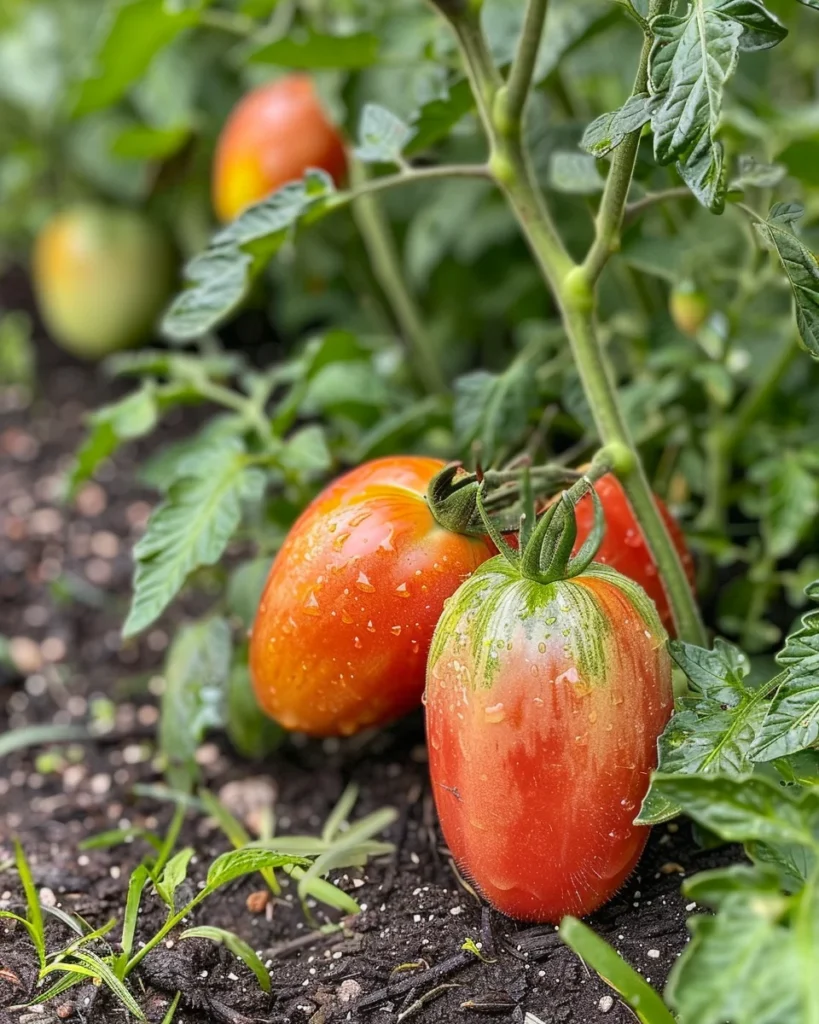
How to Grow Paste Tomatoes for Sauce: When to Plant, Best Varieties & Care Guide
Intro for growing paste tomatoes for sauce
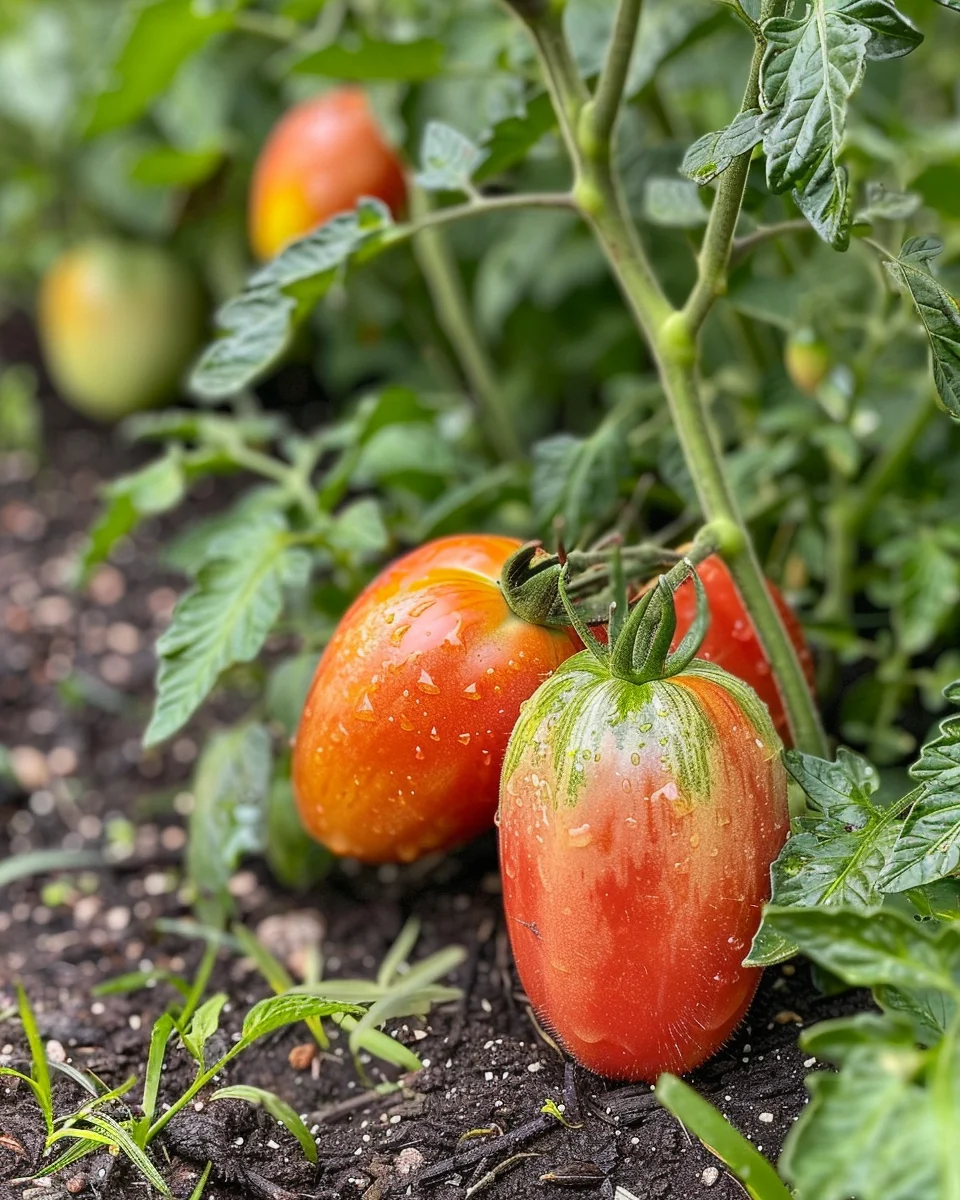
Paste tomatoes, also known as Roma or plum tomatoes, are the backbone of homemade tomato sauce, with their meaty texture, fewer seeds, and concentrated flavor. These oblong fruits have less water content than slicing tomatoes, making them perfect for cooking down into thick, rich sauces, pastes, and ketchups. Paste tomatoes thrive in full sun and well-drained soil, performing best in warm climates but adaptable to most temperate regions with proper care. Growing your own paste tomatoes allows you to harvest at peak ripeness for maximum flavor and avoid the preservatives found in store-bought sauces. Whether you have a spacious garden or just a sunny balcony, these versatile fruits can provide you with the foundation for delicious homemade sauces all year round.
When to plant paste tomatoes for sauce
Paste tomatoes are warm-season crops that require soil temperatures of at least 15-18°C (60-65°F) for proper germination and growth. They are extremely frost-sensitive, so timing is crucial for success. In most temperate regions, paste tomatoes should be planted outdoors only after all danger of frost has passed and night temperatures consistently stay above 10°C (50°F).
For gardeners in cooler climates (UK, Northern US, Canada), it’s essential to start seeds indoors 6-8 weeks before your last expected frost date. Those in Mediterranean or warm southern regions (US Zones 8-10) can direct sow earlier or even grow paste tomatoes as a fall crop in areas with mild winters. Always check your local frost dates as regional variations can significantly impact planting times.
Best time to plant paste tomatoes for sauce
In cool temperate regions (UK, Northern US, Canada), start seeds indoors in March to early April, then transplant outdoors in late May to early June. In moderate climates (US Zones 6-7), indoor seed starting can begin in February to March, with outdoor planting in late April to mid-May. Warm climate gardeners (US Zones 8-10, Mediterranean) can start seeds indoors in January to February and transplant in March to April, or even direct sow in these warmer areas.
For a continuous harvest, consider staggered plantings 2-3 weeks apart, especially in regions with long growing seasons. Fall crops can be planted in late summer (July-August) in zones 8-10 for a late autumn harvest. Remember that soil temperature is more important than calendar date—paste tomatoes need warm soil to establish properly.
Best paste tomatoes varieties to grow
- Roma VF – The classic paste tomato with excellent disease resistance (Verticillium and Fusarium wilt) and reliable production of 2-3 inch fruits.
- San Marzano – Prized Italian heirloom variety with rich flavor, low acidity, and thick flesh that’s considered the gold standard for sauce making.
- Amish Paste – Large, meaty heirloom with exceptional flavor that produces fruits up to 8-12 ounces, excellent for both sauce and fresh eating.
- Speckled Roman – Beautiful red fruits with yellow streaks, offering a perfect balance of sweetness and acidity for complex-flavored sauces.
- Big Mama – Produces enormous 5-inch fruits with few seeds, ideal for gardeners wanting maximum sauce yield per plant.
- Opalka – Polish heirloom with pepper-shaped fruits up to 6 inches long that are nearly seedless and perfect for thick sauces.
- Saucy – Compact determinate variety (60-70cm/24-28in tall) ideal for containers and small spaces while still producing abundant fruits.
- Granadero F1 – Modern hybrid with excellent blight resistance, perfect for UK and other humid climates where disease pressure is high.
How to plant paste tomatoes for sauce
Materials needed:
- Paste tomato seeds or seedlings
- Compost or well-rotted manure
- Balanced organic fertilizer (5-5-5 or similar)
- Garden trowel or spade
- Watering can or hose with gentle spray attachment
- Mulch (straw, compost, or shredded leaves)
- Stakes, cages, or trellising materials
- Garden gloves
Step-by-step planting guide:
- Select a site that receives at least 6-8 hours of direct sunlight daily with well-draining soil.
- Prepare the soil by digging in 5-7cm (2-3in) of compost or well-rotted manure to a depth of 30cm (12in).
- For seedlings, dig holes approximately 30-45cm (12-18in) apart for determinate varieties and 45-60cm (18-24in) apart for indeterminate varieties, with rows spaced 90-120cm (3-4ft) apart.
- Make planting holes deep enough to bury the seedlings up to their first set of true leaves—this encourages additional root growth along the buried stem.
- Add a handful of balanced organic fertilizer to each planting hole, mixing it with the soil at the bottom.
- Remove seedlings carefully from their containers, gently teasing apart roots if they’re root-bound.
- Place each seedling in its hole and backfill with soil, firming gently around the stem.
- Water thoroughly after planting, applying water at the base of plants rather than overhead.
- Install stakes, cages, or trellising at planting time to avoid damaging roots later.
- Apply 5-7cm (2-3in) of mulch around plants, keeping it a few centimeters away from the stems to prevent rot.
How to grow paste tomatoes for sauce
Paste tomatoes thrive in full sunlight, requiring a minimum of 6-8 hours of direct sun daily for optimal fruit production. In extremely hot climates (above 35°C/95°F), some afternoon shade can prevent sunscald on fruits.
Water deeply and consistently, providing 2.5-5cm (1-2in) of water weekly, adjusting for rainfall. Always water at the base of plants to keep foliage dry and reduce disease risk. Paste tomatoes prefer consistent moisture but are more drought-tolerant than slicing varieties once established.
Feed plants with a balanced organic fertilizer at planting time, then switch to a lower-nitrogen, higher-phosphorus fertilizer (such as 5-10-10) when fruits begin to form to encourage production rather than leafy growth. A foliar spray of compost tea every 2-3 weeks can boost plant health and productivity.
Most paste tomato varieties benefit from pruning, especially indeterminate types. Remove suckers (the shoots that form in the crotch between the main stem and branches) to improve air circulation and direct energy to fruit production. For determinate varieties, minimal pruning is needed—just remove any foliage touching the ground.
For container growing, choose a pot at least 40-50cm (16-20in) in diameter with good drainage. Use high-quality potting mix specifically formulated for vegetables, and water more frequently as containers dry out faster than garden soil. Determinate varieties like ‘Roma’ or ‘Saucy’ are better suited for containers due to their compact growth habit.
Caring for paste tomatoes for sauce
Regular maintenance includes checking for and removing yellowing leaves, especially from the bottom of the plant, to prevent disease spread. As plants grow, continue to tie them to supports every 20-30cm (8-12in) of growth. Water consistently at the base of plants, preferably in the morning, to allow foliage to dry before evening.
Common pests include aphids, whiteflies, and tomato hornworms. For aphids and whiteflies, a strong spray of water or insecticidal soap can be effective. Hornworms can be handpicked or controlled with Bacillus thuringiensis (Bt), an organic biological control. Tomato blight, both early and late, presents as dark spots on leaves that eventually cause wilting. Prevent by improving air circulation, avoiding overhead watering, and applying copper-based fungicides at first signs of infection.
Harvest paste tomatoes when they’re fully colored and slightly soft to the touch but still firm. They should detach easily from the vine with a gentle twist. For sauce making, you can wait until fruits are fully ripe for maximum flavor. Most paste varieties ripen simultaneously, making them perfect for batch processing. Store harvested tomatoes at room temperature, never in the refrigerator, as cold temperatures diminish flavor. For long-term storage, consider freezing, canning, or dehydrating your harvest.
Understanding bolting in paste tomatoes for sauce
Unlike leafy greens, paste tomatoes don’t technically “bolt” in the traditional sense of prematurely producing flowers and seeds. However, they can experience stress responses that affect fruit production. Extreme heat (consistently above 32°C/90°F) can cause tomato plants to drop flowers and cease fruit set temporarily. This is sometimes called “heat-induced dormancy” rather than bolting.
Stress factors that can trigger this response include prolonged heat waves, drought conditions, inconsistent watering, and nutrient deficiencies. To prevent heat-related production issues, provide afternoon shade during extreme heat, maintain consistent soil moisture with mulch, and consider using shade cloth in very hot climates.
If your paste tomatoes stop setting fruit during hot weather, focus on maintaining plant health through proper watering and light feeding. Production typically resumes when temperatures moderate. Unlike true bolting crops, tomato plants will recover and continue producing once conditions improve, so patience is key.
Why does paste tomatoes for sauce turn bitter?
- Underripe harvesting – Picking paste tomatoes before they’re fully ripe can result in bitter, acidic flavors; allow fruits to fully color and slightly soften before harvesting.
- Heat stress – Extreme temperatures can affect flavor development; provide afternoon shade during heat waves and maintain consistent watering.
- Genetic factors – Some varieties naturally contain higher levels of alkaloids that contribute to bitterness; try different varieties if this is a persistent issue.
- Soil deficiencies – Calcium deficiency not only causes blossom end rot but can affect overall flavor; amend soil with lime or gypsum if needed.
- Refrigeration – Storing tomatoes in the refrigerator damages flavor compounds; always store at room temperature for best taste.
Companion planting for paste tomatoes for sauce
Beneficial companions for paste tomatoes include:
- Basil – Repels flies and mosquitoes while improving tomato flavor and growth; perfect pairing as they’re also used together in sauce recipes.
- Marigolds – Deter nematodes and other soil pests with their root secretions while adding color to your garden.
- Carrots – Their deep roots help break up soil while tomatoes provide shade for these cooler-season crops.
- Garlic and onions – Repel aphids and other pests while taking up minimal space between tomato plants.
- Nasturtiums – Act as trap crops for aphids and provide ground cover that helps retain soil moisture.
- Borage – Attracts beneficial pollinators and predatory insects while deterring tomato hornworms.
Avoid planting paste tomatoes near:
- Potatoes – Share diseases and pests as fellow nightshade family members.
- Fennel – Releases compounds that inhibit tomato growth.
- Brassicas (cabbage, broccoli, kale) – Compete for nutrients and can stunt tomato growth.
Seasonal calendar
January-February: Order seeds; start seedlings indoors in warm regions (Zones 8-10).
March: Start seeds indoors in most temperate regions; prepare garden beds.
April: Continue indoor seed starting in cooler regions; transplant seedlings outdoors in warm regions; harden off seedlings in moderate climates.
May: Transplant seedlings outdoors in most regions once soil has warmed; install supports.
June: Complete transplanting in cool regions; begin regular feeding program; monitor for pests.
July: Maintain watering schedule; apply mulch if not done earlier; first harvests begin in warm regions.
August: Main harvest period begins; process tomatoes for sauce; consider fall plantings in Zones 8-10.
September: Continue harvesting; begin removing lower leaves as plants mature.
October: Final harvests in most regions; collect green tomatoes before frost to ripen indoors.
November-December: Clean up garden; compost healthy plant material; plan for next season.
Note: In hot regions (Zones 9-10), adjust this calendar earlier by 4-6 weeks. In cool regions (Zones 3-5), compress the growing season and focus on early-maturing varieties.
Problems & solutions
| Problem | Quick Fix |
|---|---|
| Blossom end rot (black bottom on fruits) | Improve calcium uptake with consistent watering; add crushed eggshells or lime to soil; foliar spray with calcium solution. |
| Cracked fruits | Maintain even soil moisture; mulch heavily; harvest fruits slightly earlier during rainy periods. |
| Yellowing leaves | Check for overwatering; improve drainage; remove affected leaves; apply balanced organic fertilizer if nutrient deficiency is suspected. |
| Few or no fruits forming | Tap flower clusters gently at midday to improve pollination; avoid high nitrogen fertilizers; ensure temperatures aren’t too extreme (above 32°C/90°F or below 13°C/55°F at night). |
| Leaf curl | If no discoloration, likely environmental stress—provide afternoon shade and consistent watering; if accompanied by yellowing, check for pests or disease. |
| Leggy seedlings | Provide more direct light; reduce temperature slightly; gently brush tops of seedlings daily to strengthen stems. |
| Early/Late blight | Remove affected leaves immediately; improve air circulation; apply copper-based fungicide; rotate planting areas yearly. |
Common questions about growing paste tomatoes for sauce
Q: How often should I water my paste tomatoes?
A: Water deeply 1-2 times per week, providing 2.5-5cm (1-2in) of water each time, adjusting for rainfall and temperature. Consistent moisture is key, but avoid waterlogged soil. Container plants may need daily watering during hot weather.
Q: Can paste tomatoes grow in partial shade?
A: While paste tomatoes need at least 6 hours of direct sunlight daily for good production, they can tolerate partial shade, especially in hot climates where afternoon shade may actually benefit them. Expect reduced yields with less than 6 hours of sun.
Q: What size container do I need for growing paste tomatoes?
A: Use containers at least 40-50cm (16-20in) in diameter and 45cm (18in) deep with good drainage. Determinate paste varieties like ‘Roma’ or ‘Saucy’ are better suited for container growing due to their compact size.
Q: How far apart should I space paste tomato plants?
A: Space determinate paste varieties 45-60cm (18-24in) apart and indeterminate varieties 60-90cm (24-36in) apart, with rows spaced 90-120cm (3-4ft) apart. Proper spacing improves air circulation and reduces disease pressure.
Q: Are paste tomatoes more heat-tolerant than other tomatoes?
A: Many paste tomato varieties have good heat tolerance, but they still struggle when temperatures consistently exceed 32°C (90°F). Varieties like ‘Roma VF’ and ‘San Marzano’ tend to perform better in hot conditions than large slicing tomatoes.
Q: How many paste tomato plants do I need for making sauce?
A: For a family of four, 8-12 healthy paste tomato plants should provide enough tomatoes for fresh use plus 15-20 quarts of sauce. Each plant typically yields 4-8kg (10-20lbs) of fruit over the season, depending on variety and growing conditions.
Q: Do I need to remove suckers from paste tomato plants?
A: For indeterminate paste varieties, removing suckers (shoots that grow in the leaf axils) improves air circulation and directs energy to fruit production. For determinate varieties, minimal pruning is needed—just remove foliage touching the ground and maintain good airflow.