
How to Grow Oregano Under Grow Lights: A Complete Indoor Herb Garden Guide
Intro for growing oregano under grow lights
Oregano is a fragrant Mediterranean herb that brings robust flavor to countless dishes, from Italian pasta sauces to Greek salads. While traditionally grown outdoors in sunny gardens, oregano thrives remarkably well under grow lights, making it accessible to gardeners year-round regardless of climate or available outdoor space. Indoor cultivation using grow lights allows for consistent temperature, protection from pests, and the ability to harvest fresh oregano even during winter months. This versatile perennial herb is relatively low-maintenance, drought-tolerant, and produces abundant harvests when given the right growing conditions under artificial lighting.
When to plant oregano under grow lights
One of the greatest advantages of growing oregano under grow lights is that traditional seasonal constraints don’t apply. You can start oregano indoors under grow lights at any time of year. However, if you’re planning to eventually transition plants outdoors, time your indoor starting period for 6-8 weeks before your region’s last frost date. Oregano seeds germinate best at soil temperatures between 18-24°C (65-75°F). When growing exclusively under lights, maintain room temperatures in this range for optimal growth and flavor development.
Best time to plant oregano under grow lights
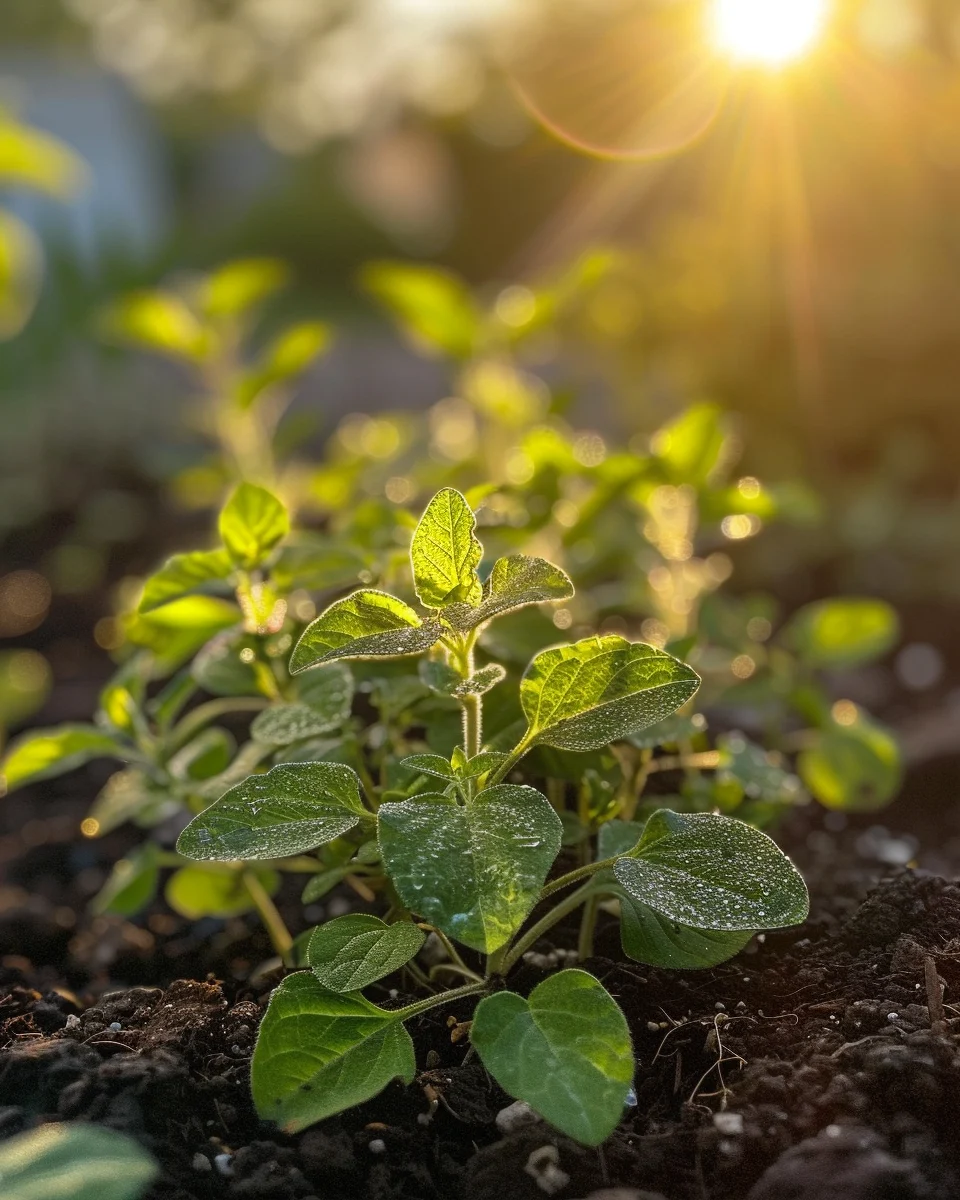
For year-round indoor cultivation under grow lights, you can start oregano at any time. If you’re growing oregano indoors during winter for spring transplanting, start seeds in January or February in cool temperate regions (UK, Northern US) and slightly later (February-March) in warmer zones. For direct indoor cultivation, fall and winter starts (October-January) can be ideal as the plants will be ready for heavy harvesting during late winter and early spring when fresh herbs are otherwise scarce and expensive.
Best oregano varieties to grow under lights
- Greek Oregano (Origanum vulgare hirtum) – The gold standard with the strongest flavor, compact growth habit perfect for grow lights.
- Italian Oregano (Origanum x majoricum) – A hybrid with sweet marjoram, offering a milder flavor and excellent container performance.
- Golden Oregano (Origanum vulgare ‘Aureum’) – Attractive golden foliage that adds visual interest while providing good flavor.
- Compactum Oregano – Dwarf variety ideal for small spaces and grow light setups with limited vertical clearance.
- Hot & Spicy Oregano – Intensely flavored variety that performs exceptionally well under artificial lighting.
- Syrian Oregano (Origanum syriacum) – Also known as Za’atar oregano, with a unique thyme-like flavor that thrives under grow lights.
- Kent Beauty Oregano – Ornamental trailing variety with showy bracts, perfect for hanging containers under grow lights.
How to plant oregano under grow lights
Materials needed:
- Oregano seeds or starter plants
- Grow light system (LED or fluorescent)
- Well-draining potting mix
- Containers with drainage holes (15-20 cm/6-8 in deep)
- Timer for grow lights
- Small fan for air circulation
- Spray bottle for misting
- Thermometer/hygrometer
Step-by-step planting:
- Fill containers with well-draining potting mix, leaving 2.5 cm (1 in) of space at the top.
- For seeds: Sprinkle them lightly on the soil surface (oregano seeds need light to germinate). Press gently but don’t cover with soil.
- For starter plants: Create a hole slightly larger than the root ball and place the plant at the same depth it was growing previously.
- Water thoroughly using a gentle spray until moisture appears from drainage holes.
- Position containers under grow lights, keeping lights 10-15 cm (4-6 in) above seedlings or 15-20 cm (6-8 in) above established plants.
- Set timer to provide 14-16 hours of light daily for optimal growth.
- Maintain temperature between 18-24°C (65-75°F) for best results.
- For seeds: Expect germination within 7-14 days; thin seedlings to one plant every 15-20 cm (6-8 in) when they reach 5 cm (2 in) tall.
- Position a small fan nearby to create gentle air movement, which strengthens stems and prevents fungal issues.
How to grow oregano under grow lights
Oregano under grow lights requires specific care to thrive. Position your lights to provide even coverage, maintaining them 15-20 cm (6-8 in) above plant tops. Use full-spectrum LED or fluorescent lights (T5 or T8) for best results. Set lights on a timer for 14-16 hours daily to simulate optimal summer growing conditions.
Water oregano only when the top 2.5 cm (1 in) of soil feels dry to the touch. These Mediterranean herbs prefer slightly dry conditions; overwatering is a common mistake. Apply water at the base of plants, avoiding wet foliage.
Fertilize sparingly – too much nitrogen produces lush but less flavorful leaves. Apply a half-strength balanced liquid fertilizer monthly, or use a slow-release organic fertilizer once every two months.
Prune regularly to encourage bushier growth. Once plants reach 10 cm (4 in) tall, pinch back growing tips. This creates a fuller plant with more harvestable stems. For container growing, choose pots at least 15 cm (6 in) deep with excellent drainage. Terracotta pots work well as they allow soil to dry more quickly.
Caring for oregano under grow lights
Monitor humidity levels around your indoor oregano – these Mediterranean herbs prefer drier air (40-50% humidity). If growing in a humid environment, ensure good air circulation with a small fan.
Common pests include aphids and spider mites. Inspect plants weekly, looking under leaves for tiny insects or webbing. For minor infestations, spray with insecticidal soap or neem oil solution. For severe cases, isolate affected plants immediately.
Powdery mildew can develop in humid conditions with poor air circulation. Prevent by spacing plants adequately and using a fan. Treat with a baking soda spray (1 tsp baking soda, 1 tsp mild liquid soap, 1 quart water).
Harvest oregano once plants reach 15 cm (6 in) tall, cutting stems just above a leaf node to encourage branching. Morning harvesting provides the highest concentration of essential oils for best flavor. Never remove more than one-third of the plant at once. Store fresh oregano in the refrigerator wrapped in damp paper towels, or dry bunches by hanging upside down in a warm, dark location.
Understanding bolting in oregano under grow lights
Bolting is when oregano shifts from leaf production to flowering and seed production. While less common under grow lights than outdoors, it can still occur. The primary triggers include temperature fluctuations (especially heat spikes above 27°C/80°F), light stress (too much or inconsistent lighting), or age (oregano plants naturally flower after establishing sufficient growth).
To prevent bolting, maintain consistent temperatures between 18-24°C (65-75°F), provide regular but moderate watering, and keep light cycles consistent. Some bolting is natural as plants mature, but regular harvesting and pruning help delay the process by keeping plants in a vegetative state.
If oregano does bolt, you have options. You can pinch off flower buds as they appear to redirect energy to leaf production. Alternatively, allow some flowers to develop – they’re edible, attractive to beneficial insects if moved outdoors, and can be harvested for seeds. After flowering completes, prune the plant back by one-third to encourage fresh leaf growth.
Why does oregano turn bitter?
- Light issues – Insufficient light intensity causes weak, bitter growth; increase light intensity or reduce distance between lights and plants.
- Aging leaves – Older leaves naturally develop stronger, sometimes bitter flavors; harvest regularly and use younger growth for milder taste.
- Excessive heat – Temperatures consistently above 27°C (80°F) can cause bitter compounds to develop; adjust growing environment or move lights further from plants.
- Flowering/bolting – Once oregano begins flowering, leaves often become more bitter; pinch flower buds early to maintain leaf flavor.
- Overfertilization – Too much nitrogen creates lush but bitter foliage; reduce fertilizer application and flush soil if necessary.
Companion planting for oregano under grow lights
Even under grow lights, companion planting principles can enhance growth and flavor. Good companions include:
- Basil – Similar light and water requirements, with complementary culinary uses.
- Thyme – Requires similar growing conditions and both herbs benefit from the same care regimen.
- Chives – Help deter aphids that might otherwise attack oregano.
- Rosemary – Another Mediterranean herb with compatible growing needs.
- Sage – Grows well alongside oregano with similar light and water preferences.
Avoid growing oregano near:
- Mint – Aggressive growth habit will compete with and potentially overwhelm oregano.
- High-moisture herbs like cilantro or parsley, which require more frequent watering that could lead to root rot in oregano.
Seasonal calendar
- January-February: Ideal time to start new oregano seeds under grow lights for year-round indoor growing.
- March-April: Increase light duration to 16 hours if preparing plants for eventual outdoor transition.
- May: Apply light feeding with half-strength balanced fertilizer.
- June-August: Peak harvest period; prune regularly to prevent flowering and maintain bushy growth.
- September: Take cuttings for propagating new plants if desired.
- October: Reduce fertilization as growth naturally slows.
- November-December: Maintain consistent light schedule; harvest as needed for holiday cooking.
Note: For indoor growing under lights, this calendar is flexible as you’re controlling the growing environment. Adjust based on your specific needs and when you started your plants.
Problems & solutions
| Problem | Quick Fix |
|---|---|
| Leggy, stretched growth | Move lights closer (10-15 cm/4-6 in above plants) and increase light intensity |
| Yellow leaves | Usually indicates overwatering; allow soil to dry more between waterings |
| Brown leaf tips | Often caused by low humidity; mist occasionally or use a humidity tray |
| Stunted growth | Check light duration (should be 14-16 hours) and apply diluted organic fertilizer |
| Powdery white spots on leaves | Powdery mildew; improve air circulation and treat with neem oil solution |
| Tiny insects on undersides of leaves | Likely aphids; spray with insecticidal soap and introduce beneficial insects if possible |
| Weak flavor in harvested leaves | Increase light intensity and slightly reduce watering frequency |
Common questions about growing oregano under grow lights
How often should I water oregano under grow lights?
Water only when the top 2.5 cm (1 in) of soil feels dry to the touch, typically every 7-10 days depending on humidity and container size. Oregano prefers to dry out slightly between waterings.
What type of grow light is best for oregano?
Full-spectrum LED lights are ideal, providing the complete light spectrum while remaining energy-efficient. Fluorescent T5 or T8 lights also work well. Aim for 30-50 watts per square foot of growing area.
How large should containers be for oregano under grow lights?
A 15-20 cm (6-8 in) diameter pot with a similar depth is sufficient for a single oregano plant. Ensure containers have drainage holes to prevent root rot.
How far should grow lights be from oregano plants?
Position lights 10-15 cm (4-6 in) above seedlings and 15-20 cm (6-8 in) above mature plants. Adjust height as plants grow to maintain this distance.
Can I grow oregano under lights year-round?
Yes, oregano thrives under grow lights year-round. Replace plants every 2-3 years as older plants become woody and less productive, or take stem cuttings to propagate fresh plants.
How often can I harvest oregano grown under lights?
Once established (about 6-8 weeks after planting), harvest up to one-third of the plant every 3-4 weeks. Regular harvesting encourages bushier growth and prevents flowering.
Do I need to pollinate oregano grown under lights?
No, oregano is grown for its leaves rather than fruits, so pollination isn’t necessary. If flowers do appear, you can either remove them to focus energy on leaf production or allow them to develop for ornamental purposes.