
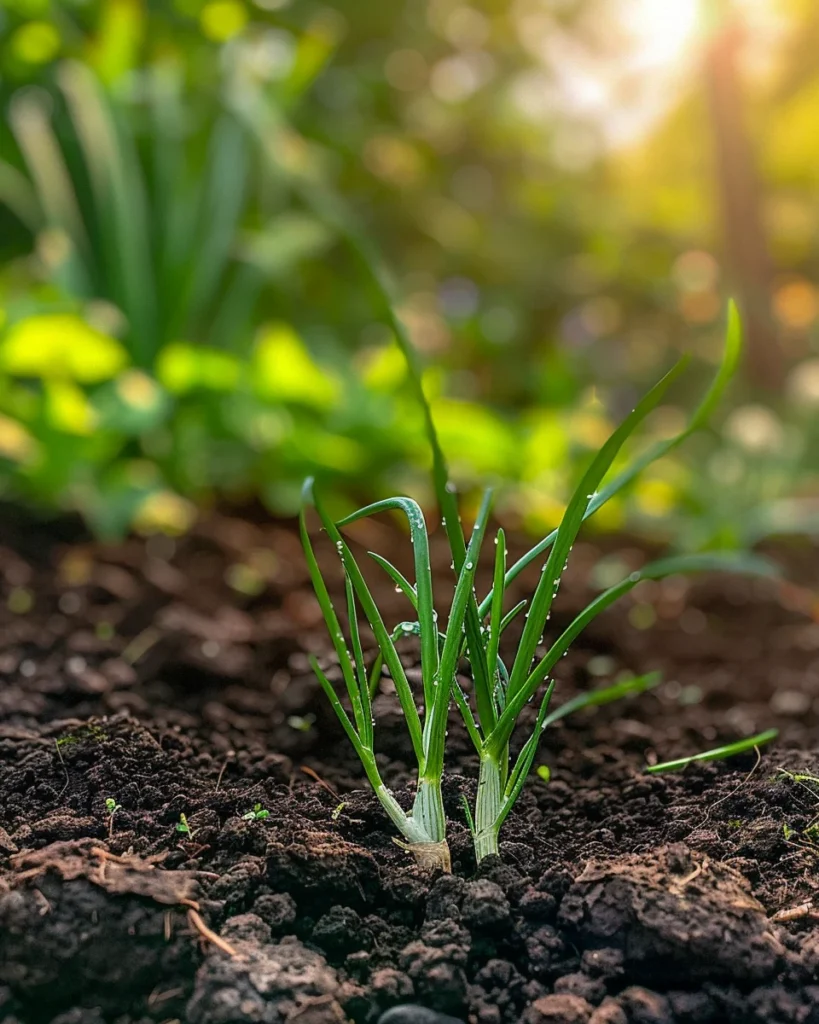
How to Grow Onions from Sets: When to Plant, Best Varieties & Care Guide
Intro for growing onions from sets
Onion sets are small, immature onion bulbs that offer the easiest and most reliable method for home gardeners to grow onions. These ready-to-plant bulbs give you a significant head start compared to growing from seed, typically producing harvestable onions in just 3-4 months. Onion sets are ideal for beginners as they’re less fussy, more disease-resistant, and establish quickly in the garden. They thrive in well-drained, fertile soil with plenty of sunlight and can be grown successfully in most temperate regions. Whether you’re looking to harvest green onions or fully developed bulbs, growing onions from sets provides a straightforward path to adding this essential kitchen staple to your garden.
When to plant onions from sets
Onions from sets should be planted when soil temperatures reach 7-21°C (45-70°F). In most temperate regions, this means early spring once the ground has thawed and can be worked. In milder climates (UK, US Zones 7-9), you can also plant sets in autumn for an early summer harvest the following year. Onion sets are relatively frost-tolerant once established, but newly planted sets benefit from protection if temperatures drop below -2°C (28°F). For warmer Mediterranean regions, winter planting (November-January) often yields the best results before summer heat arrives.
Best time to plant onions from sets

For cool-temperate regions (US Zones 3-6), plant onion sets 2-4 weeks before your last spring frost date, typically March to April. In warmer regions (US Zones 7-9, UK), plant in February to March for spring planting, or September to October for autumn planting. Mediterranean gardeners should aim for November to January planting. Day length sensitivity is crucial – in northern regions, plant “long-day” varieties in spring; southern regions should use “short-day” varieties in autumn or winter. For container growing, you can start 2-3 weeks earlier than in-ground planting as the soil warms faster.
Best onion varieties to grow from sets
- Stuttgarter – Reliable, widely available yellow onion with excellent storage qualities, perfect for beginners.
- Red Baron – Popular red variety with sharp flavor, good disease resistance, and beautiful color for salads.
- Centurion – High-yielding, bolt-resistant variety that stores exceptionally well through winter.
- Snowball – Mild white onion that matures quickly and is ideal for fresh eating and cooking.
- Radar – Excellent winter-hardy variety for autumn planting in milder regions.
- Troy – Compact variety perfect for container growing with good disease resistance.
- Electric – Vibrant red onion with sweet flavor that performs well in cooler climates.
How to plant onions from sets
Materials needed:
- Onion sets
- Garden fork or tiller
- Garden trowel
- Compost or well-rotted manure
- General-purpose fertilizer
- Watering can or hose with spray attachment
- Mulch (optional)
Step-by-step planting:
- Select a sunny site with well-draining soil and prepare the bed by removing weeds and rocks.
- Work in 5-7cm (2-3in) of compost or well-rotted manure to improve soil structure and fertility.
- Add a general-purpose fertilizer according to package instructions, working it into the top 15cm (6in) of soil.
- Create shallow furrows about 2.5cm (1in) deep, spaced 30cm (12in) apart.
- Sort through your onion sets, selecting firm bulbs about the size of a marble (larger sets are more prone to bolting).
- Plant sets 10-15cm (4-6in) apart with the pointed end facing upward, pushing gently into the soil.
- Cover with soil so just the tip is showing above the surface.
- Water thoroughly but gently to avoid dislodging the sets.
- Label rows with variety names and planting dates for future reference.
How to grow onions from sets
Onions require full sun, at least 6-8 hours daily for proper bulb development. Water consistently to maintain even soil moisture, providing about 2.5cm (1in) of water weekly, adjusting for rainfall. Reduce watering when tops begin to yellow and fall over. Apply a nitrogen-rich fertilizer 3-4 weeks after planting, then switch to a balanced fertilizer monthly until bulbs begin forming. Mulch with straw or dried grass clippings to suppress weeds and retain moisture, keeping the mulch away from the bulbs themselves to prevent rot.
For container growing, choose pots at least 20cm (8in) deep with drainage holes. Space sets 7-10cm (3-4in) apart in all directions, using a quality potting mix. Container-grown onions may need more frequent watering and fertilizing than those in the ground. No staking is required, but regular weeding is essential as onions compete poorly with weeds.
Caring for onions from sets
Regular weeding is crucial as onions develop shallow roots and struggle against competition. Stop fertilizing once bulbs begin to swell and push soil away as they grow – don’t rebury them. Watch for onion fly, which lays eggs at the base of plants; symptoms include wilting leaves and maggots in bulbs. Prevent with row covers or apply diatomaceous earth around plants. Downy mildew appears as white fuzzy patches on leaves; improve air circulation and avoid overhead watering to prevent it.
Harvest when tops yellow and begin to fall over, typically 90-120 days after planting. Carefully lift bulbs with a garden fork on a dry day, then cure them by laying in a single layer in a warm, dry, well-ventilated location for 2-3 weeks. Once cured, trim tops to 2.5cm (1in) and store in mesh bags in a cool, dry place (7-10°C/45-50°F) for up to 6 months, depending on variety.
Understanding bolting in onions from sets
Bolting is when onion plants prematurely produce a flowering stalk, diverting energy from bulb formation to seed production. This results in smaller, tougher, less flavorful bulbs with poor storage qualities. The primary triggers include temperature fluctuations (especially cold followed by warm periods), stress from inconsistent watering, and using oversized sets (larger than 2cm/¾in diameter).
To prevent bolting, select smaller sets, maintain consistent soil moisture, plant at the appropriate time for your region, and choose bolt-resistant varieties. If your onions do bolt, immediately cut off the flower stalk as soon as it appears. While this won’t completely reverse the process, it may help redirect some energy back to the bulb. Bolted onions should be harvested and used quickly as they won’t store well.
Why do onions from sets turn bitter?
- Bolting: When onions flower, they develop compounds that create bitter flavors – harvest promptly if flowering occurs.
- Water stress: Inconsistent watering causes stress that can trigger bitter compound production – maintain even soil moisture.
- Heat stress: Excessive heat during growth can alter flavor compounds – provide afternoon shade in very hot climates.
- Variety selection: Some varieties naturally have stronger, more pungent flavors – choose milder varieties if bitterness is a concern.
- Soil sulfur levels: Very high sulfur levels in soil can increase pungency – avoid excessive sulfur fertilizers.
Companion planting for onions from sets
Good companions for onions include:
- Carrots – Onion scent deters carrot fly, while carrots repel onion fly.
- Beets – Different root depths mean they don’t compete for nutrients.
- Lettuce – Shallow roots of lettuce complement the deeper roots of onions.
- Chamomile – Improves the flavor of onions and helps deter pests.
- Strawberries – Onions help prevent fungal diseases in strawberries.
- Tomatoes – Onions deter many tomato pests.
Avoid planting onions near:
- Beans and peas – Onions can stunt their growth.
- Asparagus – Competing root systems can reduce yields for both crops.
- Other alliums (garlic, leeks, chives) – They share the same pests and diseases.
Seasonal calendar
- January-February: Order sets for spring planting; plant in Mediterranean climates.
- March-April: Plant sets in most temperate regions once soil can be worked.
- May: Apply first fertilizer; maintain regular watering; weed carefully.
- June: Continue weeding and watering; apply second fertilizer application.
- July: Reduce watering as bulbs mature; watch for signs of maturity in early varieties.
- August-September: Harvest main crop when tops yellow and fall over; begin curing process.
- September-October: Plant autumn sets in mild regions; store cured onions.
- November-December: Check stored onions regularly; remove any showing signs of rot.
Problems & solutions
| Problem | Quick Fix |
|---|---|
| Small bulbs | Ensure adequate spacing (10-15cm/4-6in), full sun exposure, and regular fertilizing. |
| Onion fly damage | Cover with floating row covers after planting; apply diatomaceous earth around plants. |
| White rot (white fungus at base) | Remove affected plants immediately; avoid planting alliums in same spot for 8+ years. |
| Neck rot (soft, discolored tissue) | Ensure proper curing before storage; store only perfect bulbs in dry, cool conditions. |
| Splitting bulbs | Maintain consistent watering; avoid sudden heavy watering after dry periods. |
| Yellowing leaves | If premature, check for downy mildew; improve air circulation and apply organic fungicide. |
| Sets sprouting in storage | Store in cooler conditions (7-10°C/45-50°F) with low humidity; use sprouting sets promptly. |
Common questions about growing onions from sets
How often should I water onions from sets?
Water onions once or twice weekly, providing about 2.5cm (1in) of water. Reduce watering when tops begin to yellow and fall over, about 2-3 weeks before harvest.
How much sun do onions from sets need?
Onions require full sun, at least 6-8 hours daily. In very hot climates (above 32°C/90°F), light afternoon shade can be beneficial.
Can I grow onions from sets in containers?
Yes, use containers at least 20cm (8in) deep with drainage holes. Space sets 7-10cm (3-4in) apart, using quality potting mix. Container-grown onions need more frequent watering and feeding.
How far apart should I plant onion sets?
Plant sets 10-15cm (4-6in) apart in rows spaced 30cm (12in) apart. For green onions, you can plant more densely at 5cm (2in) apart.
How do I know when onions from sets are ready to harvest?
Harvest when 50-75% of the tops have yellowed and fallen over, typically 90-120 days after planting. The necks should feel soft when gently squeezed.
Can I replant onion sets that have sprouted in storage?
Yes, sprouted sets can be planted, but they may be more prone to bolting. Use them quickly or plant for green onions rather than bulbs.
Why are my onion sets producing only green tops with small bulbs?
This could be due to incorrect day-length variety for your region, too much nitrogen fertilizer, insufficient sunlight, overcrowding, or planting too late in the season.