
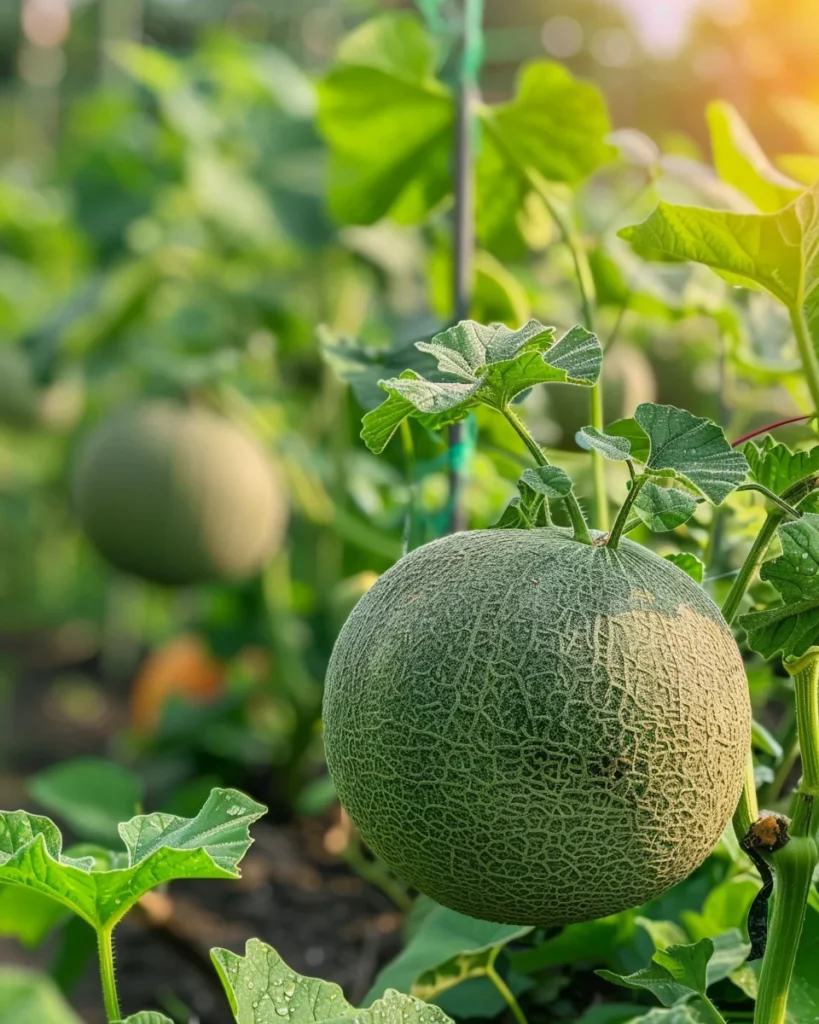
How to Grow Melons on Trellis: Save Space, Increase Yields & Prevent Rot
Intro for growing melons on trellis
Growing melons on a trellis is a game-changer for gardeners with limited space. These sprawling vines traditionally take up significant ground area, but when trained vertically, they not only save space but also produce cleaner, better-shaped fruits with fewer pest and disease issues. Melons grown on trellises receive better air circulation, reducing fungal problems, while the fruits hang safely above damp soil, preventing rot. This vertical growing method works for cantaloupe, honeydew, small watermelons, and specialty melons. With proper support and training, you can grow these sweet summer treats in a fraction of the space while enjoying improved harvests.
When to plant melons on trellis
Melons require warm conditions to thrive, making timing crucial for success. Plant melons only after all danger of frost has passed and soil temperatures have reached at least 18-21°C (65-70°F). Cold soil and temperatures will stunt growth and may kill young plants. In temperate regions, this typically means waiting until late spring when nighttime temperatures consistently stay above 12°C (55°F). For gardeners in cooler climates (UK or US Zones 4-6), starting seeds indoors 3-4 weeks before your last frost date gives plants a head start. Mediterranean and southern US gardeners (Zones 8-10) can often direct sow earlier and may even get two growing seasons.
Best time to plant melons on trellis

For cool-temperate regions (northern US, UK), plant melons outdoors from mid-May through early June, or start seeds indoors in April for transplanting. In warm-temperate areas (US Zones 7-8), the planting window extends from mid-April through June. Hot-climate gardeners (US Zones 9-10, Mediterranean) can plant from March through July, with some even planting a fall crop in August. For all regions, transplants are recommended over direct sowing for trellised melons, as they establish faster and have a better chance of reaching maturity before season’s end. Always wait until soil has warmed to at least 18°C (65°F) before transplanting seedlings outdoors.
Best melon varieties to grow on trellis
- Sugar Cube – Compact cantaloupe (1-2 kg/2-4 lbs) with exceptional sweetness and disease resistance, perfect for trellising.
- Minnesota Midget – Ultra-early cantaloupe with small fruits (10-15 cm/4-6 inches) ideal for short seasons and vertical growing.
- Honey Brew – Disease-resistant honeydew with medium-sized fruits that hang well on trellises without additional support.
- Jade Star – Small watermelon (2-3 kg/5-7 lbs) with sweet red flesh that won’t break trellises when supported properly.
- Sakata’s Sweet – Japanese melon with netted skin and incredibly sweet flesh, traditionally grown vertically in Japan.
- Emerald Gem – Heirloom cantaloupe with small fruits (1 kg/2 lbs) and rich orange flesh, excellent for vertical growing.
- Sugar Baby – Compact watermelon (3-4 kg/6-8 lbs) that can be grown on sturdy trellises with proper fruit support.
How to plant melons on trellis
Materials needed:
- Sturdy trellis (at least 180 cm/6 ft tall)
- Melon seeds or transplants
- Compost or aged manure
- Garden soil
- Mulch (straw or black plastic)
- Soft plant ties or strips of cloth
- Mesh bags or old pantyhose (for supporting fruits)
- Watering can or hose with gentle spray
Step-by-step planting:
- Install your trellis before planting, ensuring it’s sturdy enough to support mature vines and fruits (A-frames, cattle panels, or strong netting work well).
- Choose a site with full sun (8+ hours daily) and protection from strong winds.
- Prepare soil by incorporating 5-7 cm (2-3 inches) of compost or aged manure to improve fertility and drainage.
- Create mounds or hills 30-45 cm (12-18 inches) wide and 7-10 cm (3-4 inches) high at the base of your trellis.
- Space mounds 60-90 cm (24-36 inches) apart along the trellis line.
- Plant 2-3 seeds per mound 2.5 cm (1 inch) deep, or set one transplant in each mound.
- Water thoroughly but gently to avoid washing away seeds.
- Apply mulch around plants (but not touching stems) to retain moisture and suppress weeds.
- If direct sowing, thin to the strongest plant per mound when seedlings have 2-3 true leaves.
- Begin training vines to climb as soon as they’re long enough to reach the trellis (about 15-20 cm/6-8 inches).
How to grow melons on trellis
Trellised melons need full sunlight (minimum 8 hours daily) to develop sweetness. Water deeply at the base of plants 2-3 times weekly, providing 2.5-5 cm (1-2 inches) of water per week. Avoid overhead watering which promotes fungal diseases. As vines grow, gently guide them onto the trellis and secure with soft ties every 30 cm (12 inches) or so. Don’t wrap ties too tightly as stems will thicken.
Fertilize with a balanced organic fertilizer at planting, then switch to a lower-nitrogen, higher-phosphorus formula (like 5-10-10) when flowering begins to encourage fruit production. When fruits form, create slings from mesh bags, old pantyhose, or cloth to support heavier varieties so they don’t tear from vines. For container growing, use minimum 40-liter (10-gallon) containers per plant with excellent drainage, and choose smaller-fruited varieties.
Prune by removing lateral vines that grow away from the trellis and pinch off growth beyond developing fruits to focus the plant’s energy. For maximum sweetness, limit each plant to 2-4 fruits, removing excess flowers and small fruits once your target number has set.
Caring for melons on trellis
Monitor soil moisture carefully, as consistent watering prevents splitting and bitterness. Reduce watering slightly as fruits near maturity to concentrate sugars. Check ties weekly, loosening any that become tight as vines thicken. Inspect the undersides of leaves regularly for pests like aphids and spider mites, which can be controlled with insecticidal soap or neem oil spray.
Common diseases include powdery mildew (white powder on leaves) and downy mildew (yellow patches with gray undersides). Prevent these by maintaining good air circulation and applying organic fungicides like diluted milk spray (1:10 milk to water) or commercial copper-based products at first signs. Bacterial wilt causes sudden vine collapse and is spread by cucumber beetles; control these pests with row covers until flowering.
Harvest cantaloupe when the rind changes from green to tan/yellow and the fruit easily separates from the vine. Honeydew and watermelon don’t slip from the vine; harvest honeydew when the skin turns creamy and has a slight give, and watermelon when the bottom spot turns yellow and the skin loses its shine. Store harvested melons at room temperature until cut, then refrigerate cut portions for up to 5 days.
Understanding bolting in melons on trellis
Unlike leafy greens, melons don’t technically bolt, but they can experience premature flowering and fruit set that results in poor-quality harvests. This is triggered by stress conditions including extreme heat (above 35°C/95°F), drought, or nutrient deficiencies. When melons flower too early, the plants haven’t developed enough foliage to support proper fruit development, resulting in small, less sweet melons.
To prevent premature flowering, maintain consistent soil moisture, provide adequate nutrients, and use row covers or shade cloth during extreme heat waves. If your plants flower when very small, remove the earliest flowers to allow more vegetative growth before fruit set. In very hot climates, providing afternoon shade can help prevent heat stress while still allowing morning sun for photosynthesis.
Why does melon on trellis turn bitter?
- Inconsistent watering – Drought stress followed by heavy watering causes bitter compounds to develop; solution: maintain even soil moisture with regular deep watering.
- Excessive heat – Temperatures above 35°C (95°F) for extended periods can cause bitterness; solution: provide afternoon shade during heat waves.
- Nutrient imbalance – Too much nitrogen promotes foliage at the expense of fruit quality; solution: use low-nitrogen, higher-potassium fertilizer once flowering begins.
- Genetic factors – Some varieties naturally contain more cucurbitacins (bitter compounds); solution: choose varieties known for reliable sweetness.
- Cross-pollination – While rare, cross-pollination with wild cucurbits can increase bitterness; solution: remove any wild cucumber relatives growing nearby.
Companion planting for melons on trellis
Strategic companion planting can improve your trellised melon harvest while maximizing garden space. Good companions include:
- Nasturtiums – Repel aphids and cucumber beetles while attracting pollinators with bright flowers.
- Marigolds – Deter nematodes and other soil pests that can damage melon roots.
- Radishes – Quick-growing crop that can be harvested before melons need the space, while deterring cucumber beetles.
- Sunflowers – Plant on the north side to provide wind protection without shading melons.
- Beans or peas – Can share the same trellis early in the season, adding nitrogen to soil before melons reach full size.
Avoid planting melons near:
- Potatoes – Compete for nutrients and can transfer diseases.
- Other cucurbits – Planting cucumbers, squash or pumpkins nearby increases pest and disease pressure and can cause cross-pollination confusion.
- Brassicas – Cabbage family plants have different nutrient needs and can stunt melon growth.
Seasonal calendar
- February-March – Start seeds indoors in warm regions; prepare trellises and amend soil.
- April – Start seeds indoors in cooler regions; direct sow in warm climates; install trellises.
- May – Transplant seedlings after last frost; direct sow in most regions; begin training vines to trellis.
- June – Continue training vines; thin fruits; apply first supplemental feeding; install fruit slings.
- July – Monitor for pests and diseases; maintain consistent watering; apply second feeding; support developing fruits.
- August – Begin harvesting early varieties; reduce watering as fruits mature; remove new flowers to focus energy on existing fruits.
- September – Main harvest period in most regions; final harvests in northern areas; plant fall crop in hot regions.
- October – Final harvests in warm regions; remove spent plants and clean trellises; add plant material to compost.
Problems & solutions
| Problem | Quick Fix |
|---|---|
| Fruits falling off trellis | Create supportive slings from mesh bags, old pantyhose, or cloth tied to the trellis. |
| Vines not climbing | Gently weave main stems through trellis and secure with soft ties; remove any growth heading away from trellis. |
| Flowers but no fruit | Hand pollinate in early morning using a small brush to transfer pollen between flowers; plant pollinator-attracting flowers nearby. |
| Cracked fruits | Maintain consistent soil moisture; avoid sudden heavy watering after dry periods. |
| Powdery white spots on leaves | Spray with diluted milk solution (1:10) or neem oil to control powdery mildew; improve air circulation. |
| Yellowing, wilting vines | Check for squash vine borers (sawdust-like frass at stem base); slit stem lengthwise to remove, then bury damaged section. |
| Small, tasteless fruits | Reduce number of fruits per vine to 2-4; ensure adequate sunlight and proper feeding with potassium-rich fertilizer. |
Common questions about growing melons on trellis
How often should I water trellised melons?
Water deeply 2-3 times per week, providing 2.5-5 cm (1-2 inches) of water weekly. Increase during fruit development and hot weather, then reduce slightly as fruits near maturity to concentrate sugars. Always water at the soil level, not overhead.
Can all melon varieties be grown on a trellis?
Most cantaloupe and honeydew varieties adapt well to trellising. Small to medium watermelons (under 4 kg/9 lbs) can be trellised with proper support. Giant watermelon varieties (over 9 kg/20 lbs) are generally too heavy for vertical growing.
What’s the minimum container size for trellised melons?
Use containers at least 40 liters (10 gallons) in volume and 30 cm (12 inches) deep per plant. Larger containers (60-80 liters/15-20 gallons) produce better results. Ensure excellent drainage and use moisture-retentive potting mix.
How much space should I leave between trellised melon plants?
Space plants 60-90 cm (24-36 inches) apart along the trellis. This allows adequate root space while the vines grow vertically. Closer spacing (45 cm/18 inches) is possible with aggressive pruning of side shoots.
How do I know when my trellised melons are ripe?
Cantaloupe develops a crack around the stem (called “slipping”) and will detach easily when ripe. Honeydew turns creamy-white to yellow and develops a slight give when pressed. Watermelon is ripe when the bottom spot turns from white to yellow and the skin loses its glossy shine.
Can I grow melons on a trellis in a cold climate?
Yes, choose early-maturing varieties (75-85 days) like ‘Minnesota Midget’ or ‘Sugar Cube.’ Start seeds indoors 3-4 weeks before last frost, use black plastic mulch to warm soil, and consider row covers for additional warmth. Trellising actually helps in cold climates by exposing fruits to more sun.
Do I need to hand-pollinate trellised melons?
Not usually, as bees and other insects will pollinate the flowers. However, if you notice flowers dropping without setting fruit, hand-pollinate in early morning by transferring pollen from male flowers (thin stems) to female flowers (with tiny fruit behind the blossom) using a small brush.