

How to Grow Limes Indoors: Essential Tips for Thriving Citrus Trees in Your Home
Intro for growing limes indoors
Growing lime trees indoors brings the refreshing scent and tangy fruit of these tropical citrus plants right into your home. Indoor lime trees are compact versions of their outdoor counterparts, typically reaching 3-4 feet (90-120 cm) in height when container-grown. They offer year-round greenery, fragrant blossoms, and the possibility of harvesting fresh limes regardless of your climate. While outdoor lime trees require warm temperatures (USDA zones 9-11), indoor cultivation allows gardeners in any region to enjoy these vitamin C-rich fruits. With proper care, potted lime trees can be productive for many years, providing both ornamental value and culinary harvests from the comfort of your home.
When to plant limes indoors
Unlike outdoor gardening, indoor lime trees can be planted year-round since you control the environment. However, the ideal time to start a new indoor lime tree is during spring or early summer when natural light levels are increasing. This gives your young tree the advantage of longer daylight hours during its critical establishment phase. Aim for indoor temperatures between 18-24°C (65-75°F) when planting, avoiding cold drafts that can shock the tree. If you’re propagating from seed, germination requires consistent warmth of at least 21°C (70°F). For most gardeners, purchasing a small, established tree from a nursery offers the quickest path to success.
Best time to plant limes indoors
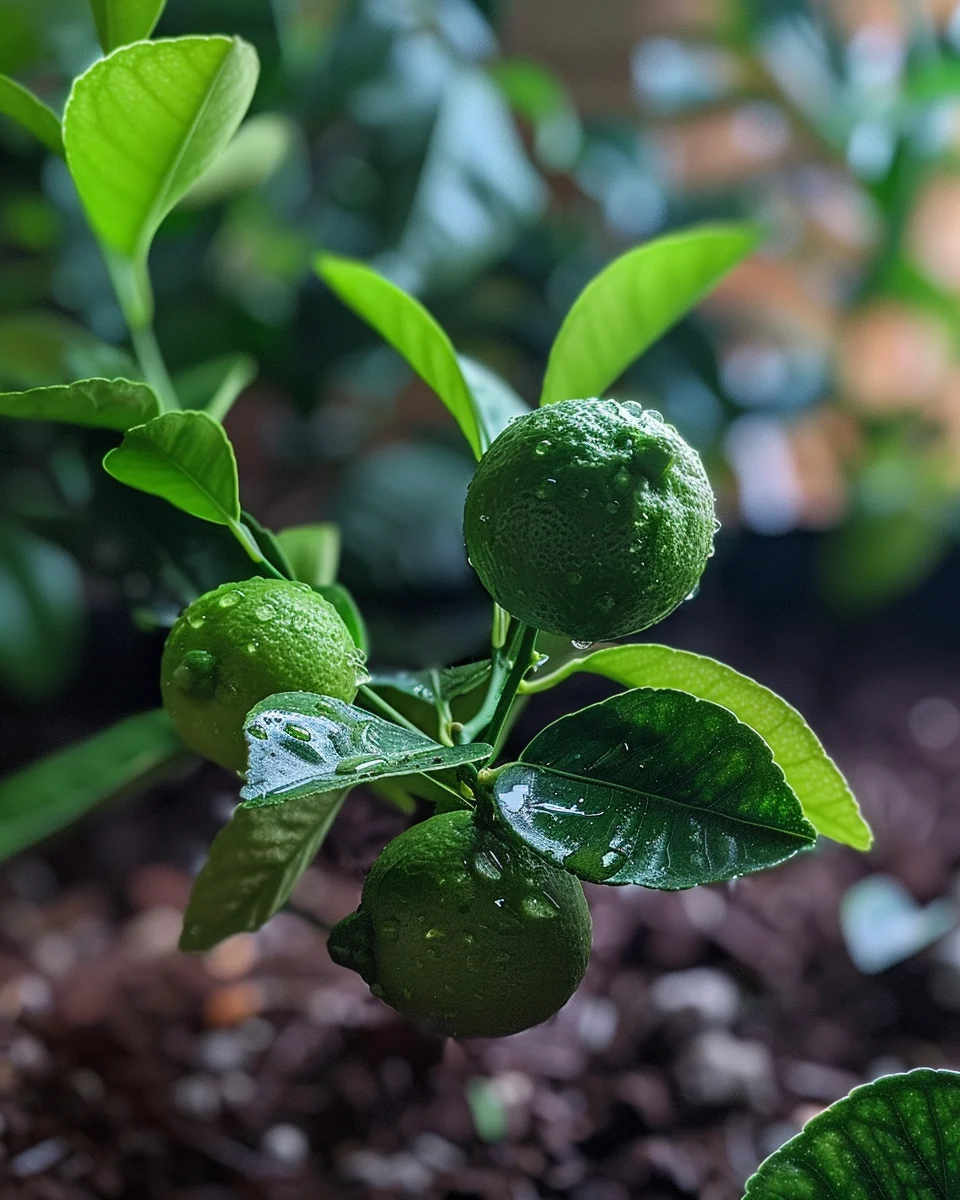
For temperate regions, the optimal window for establishing new indoor lime trees is March through June. This timing aligns with naturally increasing light levels that support vigorous growth. In cooler northern climates, aim for April-May when ambient indoor temperatures are more stable. Southern gardeners have more flexibility and can successfully plant indoor limes from February through September. If you’re transplanting a lime tree that was outdoors for summer into an indoor container, complete this transition in early fall before temperatures drop below 10°C (50°F). This gives the tree time to adjust to indoor conditions before winter’s reduced light levels.
Best lime varieties to grow indoors
- Bearss Lime (Persian Lime) – Most popular indoor variety due to its compact growth habit and thornless branches, making it safer for homes.
- Kaffir Lime – Grown primarily for its aromatic leaves used in Asian cooking; distinctive bumpy fruit and compact size perfect for windowsills.
- Mexican Key Lime – Produces small, intensely flavored fruits ideal for desserts; adapts well to container growing despite some thorns.
- Dwarf Tahiti – A naturally smaller cultivar that fruits reliably indoors with proper care; seedless fruits with excellent juice quality.
- Australian Finger Lime – Unique cylindrical fruits containing caviar-like pulp vesicles; naturally smaller tree suitable for indoor cultivation.
- Calamondin – Not a true lime but a citrus hybrid that’s extremely adaptable to indoor conditions; produces small, tart fruits year-round.
How to plant limes indoors
Materials needed:
- Young lime tree (1-2 years old)
- Container (12-15 inches/30-38 cm diameter) with drainage holes
- Citrus-specific potting mix or well-draining potting soil
- Small rocks or pottery shards for drainage
- Slow-release citrus fertilizer
- Watering can
- Plant saucer
- Pruning shears (sterilized)
Step-by-step planting:
- Select a container 2-4 inches (5-10 cm) larger in diameter than the root ball of your lime tree.
- Place drainage material at the bottom of the pot to prevent soil from clogging drainage holes.
- Fill the container about one-third full with citrus potting mix.
- Carefully remove the lime tree from its nursery container, gently loosening the outer roots if they’re circling.
- Position the tree in the new container so the top of the root ball sits about 1 inch (2.5 cm) below the pot rim.
- Fill around the root ball with potting mix, firming gently as you go to eliminate air pockets.
- Water thoroughly until water flows from the drainage holes, then allow to drain completely.
- Apply a thin layer of slow-release citrus fertilizer to the soil surface, following package directions for indoor application rates.
- Place the potted lime tree in its permanent location, considering light requirements detailed in the next section.
How to grow limes indoors
Sunlight: Lime trees need 8-12 hours of bright light daily. Position your tree in a south-facing window if possible. In northern regions with limited winter sunlight, supplement with grow lights positioned 12-18 inches (30-45 cm) above the plant for 12 hours daily.
Watering schedule: Allow the top 1-2 inches (2.5-5 cm) of soil to dry between waterings. Typically, this means watering once every 7-10 days, but adjust based on your home’s humidity and temperature. Always water thoroughly until it drains from the bottom, then empty the saucer to prevent root rot.
Fertilizing: Feed indoor lime trees with a citrus-specific fertilizer at half the recommended strength every 6-8 weeks during spring and summer, reducing to every 12 weeks in fall and winter. Yellowing leaves often indicate nutrient deficiencies, particularly nitrogen or iron.
Humidity: Maintain humidity around 50% by misting the foliage regularly, using a humidity tray, or placing a small humidifier nearby. This is especially important during winter when indoor heating reduces humidity.
Container specifics: Repot your lime tree every 2-3 years into a container 2 inches (5 cm) larger in diameter. The best containers are made of terracotta or ceramic, which allow better air circulation to the roots than plastic. Always ensure excellent drainage to prevent root diseases.
Caring for limes indoors
Ongoing tasks: Rotate the container weekly to ensure even growth and light exposure. Wipe leaves monthly with a damp cloth to remove dust and improve photosynthesis. Prune lightly to maintain shape and remove any crossing or damaged branches, ideally in early spring before new growth begins.
Pests & diseases: Spider mites appear as tiny specks with fine webbing; control with insecticidal soap or neem oil spray. Scale insects look like small brown bumps on stems; remove with cotton swabs dipped in rubbing alcohol. Leaf yellowing may indicate overwatering or nutrient deficiencies; adjust watering and fertilizing accordingly. Root rot presents as wilting despite moist soil; improve drainage and reduce watering frequency.
Pollination: Indoor lime trees often need hand pollination to produce fruit. When flowers appear, transfer pollen between blooms using a small paintbrush or cotton swab, moving from flower to flower during midday when pollen is most viable.
Harvest timing: Limes typically take 6-9 months to mature after flowering. Harvest when fruits are firm and have reached full size for the variety, usually 1.5-2 inches (4-5 cm) in diameter for most types. Color isn’t always an indicator of ripeness—many limes are harvested while still green.
Storage: Fresh limes keep at room temperature for about a week or in the refrigerator for 2-3 weeks. Lime juice can be frozen in ice cube trays for longer storage.
Understanding bolting in limes indoors
Unlike annual vegetables, lime trees don’t bolt in the traditional sense. However, they can experience stress responses that affect their growth and fruiting. Sudden temperature changes, particularly cold drafts, can cause lime trees to drop flowers and young fruit. Extended periods of drought stress may trigger the tree to enter a semi-dormant state, suspending growth and fruit development.
To prevent stress responses, maintain consistent temperatures between 18-24°C (65-75°F), avoid placing trees near heating vents or air conditioners, and establish a regular watering routine. If your lime tree drops its flowers or leaves suddenly, evaluate recent environmental changes and adjust conditions accordingly. Recovery from stress may take several weeks to months, during which the tree should be given optimal care with reduced fertilizer until new growth appears.
Why does indoor lime fruit turn bitter?
- Insufficient light: Inadequate sunlight reduces sugar production in fruits, leading to more pronounced bitterness. Move to a brighter location or add grow lights.
- Improper watering: Both overwatering and underwatering stress the tree, affecting fruit flavor. Establish a consistent watering routine based on soil moisture.
- Nutrient imbalances: Excessive nitrogen fertilizer promotes foliage at the expense of fruit quality. Switch to a balanced citrus fertilizer with higher phosphorus and potassium.
- Harvesting immature fruit: Picking limes too early results in underdeveloped flavor compounds. Allow fruits to reach full size before harvesting.
- Variety characteristics: Some lime varieties naturally have a more pronounced bitter note. Consider trying different varieties if bitterness persists despite good care.
Companion planting for limes indoors
Good companions:
- Marigolds – Help repel aphids and other pests when placed near lime containers; their compact growth doesn’t compete for resources.
- Basil – Deters fruit flies and other insects while thriving in similar light conditions; aromatic oils may enhance lime tree health.
- Nasturtiums – Act as trap plants for aphids that might otherwise attack lime trees; add ornamental value to your indoor citrus display.
- Chives – Repel certain insect pests with their sulfur compounds while requiring similar care to lime trees.
Avoid planting near:
- Large tropical plants – Can compete for light and humidity, potentially overshadowing smaller lime trees.
- Plants with high water needs – Create conflicting care requirements if sharing space or a container with lime trees that prefer drier conditions between waterings.
Seasonal calendar
- January-February: Reduce watering and fertilizing; monitor for pests during low-light period; provide supplemental lighting in northern regions.
- March-April: Increase watering as growth resumes; apply first spring fertilizer; prune as needed before new growth flush; ideal time to repot if necessary.
- May-June: Pollinate flowers by hand as they appear; increase humidity through misting; move to protected outdoor location if temperatures permit (optional).
- July-August: Monitor for increased water needs during summer heat; apply second round of fertilizer; watch for pest populations which may increase in summer.
- September-October: Bring trees back indoors before temperatures drop below 10°C (50°F) if summered outside; reduce fertilizing frequency; harvest mature fruits.
- November-December: Decrease watering as growth slows; provide supplemental lighting as daylight hours decrease; maintain temperature above 15°C (60°F).
Problems & solutions
| Problem | Quick Fix |
|---|---|
| Yellowing leaves | Check for overwatering; ensure proper drainage; apply citrus micronutrient spray focusing on iron and magnesium. |
| Leaf drop | Evaluate for sudden temperature changes or drafts; increase humidity; ensure consistent watering schedule. |
| Flowers falling without forming fruit | Hand-pollinate flowers with a small brush; increase light levels; maintain temperatures between 18-24°C (65-75°F). |
| Sticky residue on leaves | Check for scale insects or aphids; treat with insecticidal soap or neem oil; wipe leaves with damp cloth. |
| Curling leaves | Increase humidity; check for spider mites (use magnifying glass); ensure consistent watering without extremes. |
| Stunted growth | Repot into larger container with fresh soil; increase light exposure; resume regular fertilizing schedule. |
| Small, dry fruit | Increase watering frequency during fruit development; boost humidity; ensure adequate fertilization. |
Common questions about growing limes indoors
Q: How often should I water my indoor lime tree?
A: Allow the top 1-2 inches (2.5-5 cm) of soil to dry between waterings, typically every 7-10 days. Adjust based on your home’s humidity, temperature, and the size of your tree. Always water thoroughly until it drains from the bottom of the pot.
Q: How much sunlight do indoor lime trees need?
A: Lime trees require 8-12 hours of bright light daily. A south-facing window is ideal, but supplement with grow lights if natural light is insufficient, especially during winter months in northern regions.
Q: What size container does my lime tree need?
A: Start with a 12-15 inch (30-38 cm) diameter pot for young trees, increasing pot size by 2 inches (5 cm) every 2-3 years as the tree grows. The container must have drainage holes and should be made of breathable material like terracotta if possible.
Q: Will my indoor lime tree produce fruit?
A: Yes, with proper care and hand pollination, indoor lime trees can produce fruit. Expect your first harvest 2-3 years after planting, with mature trees potentially yielding 10-20 fruits annually depending on size and care.
Q: What temperature range is best for indoor limes?
A: Maintain daytime temperatures between 18-24°C (65-75°F) and nighttime temperatures no lower than 15°C (60°F). Avoid placing trees near drafty windows, heating vents, or air conditioners that create temperature fluctuations.
Q: How do I increase humidity for my lime tree?
A: Place the pot on a tray filled with pebbles and water (ensuring the pot doesn’t sit directly in water), mist the foliage regularly, group plants together, or use a small humidifier nearby. Aim for humidity levels around 50%.
Q: Can I move my indoor lime tree outside during summer?
A: Yes, lime trees benefit from spending summer outdoors in a sheltered, bright location once temperatures consistently remain above 10°C (50°F). Gradually acclimate the tree to outdoor conditions over 7-10 days to prevent shock, and bring it back indoors before fall temperatures drop.