
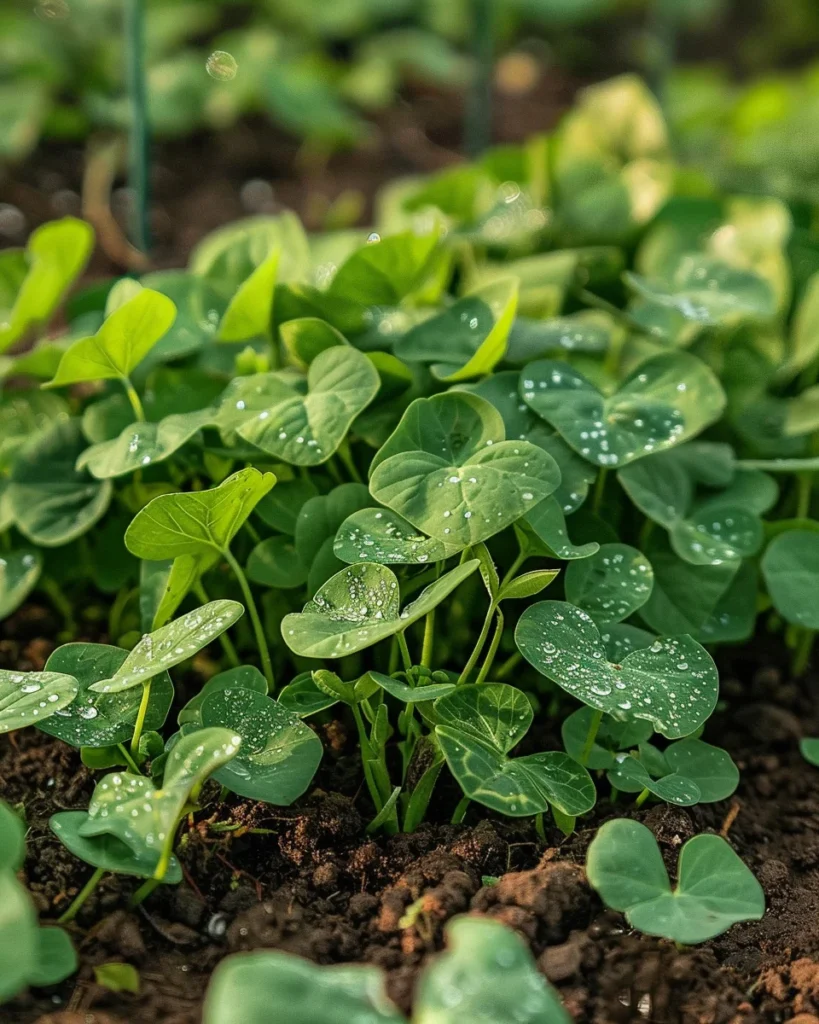
How to Grow Lima Beans in Warm Zones: When to Plant, Best Varieties & Care Guide
Intro for growing lima beans in warm zones
Lima beans (Phaseolus lunatus) thrive in the warm conditions of USDA zones 8-11, making them perfect for gardeners in southern regions. These nutritious legumes, also known as butter beans, offer a creamy texture and buttery flavor that enhances many dishes. Lima beans are nitrogen-fixing plants that improve soil health while providing a protein-rich harvest. They prefer long, hot growing seasons with temperatures between 70-85°F (21-29°C) and perform exceptionally well in areas with at least 3-4 months of warm weather. With proper care, lima beans can be prolific producers, rewarding gardeners with multiple harvests throughout the growing season.
When to plant lima beans in warm zones
In warm zones, lima beans should be planted after all danger of frost has passed and soil has warmed sufficiently. Wait until soil temperatures consistently reach at least 65°F (18°C), as lima beans are extremely sensitive to cold and will rot in cool, wet conditions. Unlike many garden vegetables, lima beans require warm soil and air temperatures to germinate properly and develop strong root systems. In most warm regions, this means waiting until at least 2-3 weeks after the last spring frost date. For fall planting in very warm zones (9-11), sow seeds in late summer to early fall, allowing enough time for maturity before winter temperatures arrive.
Best time to plant lima beans in warm zones
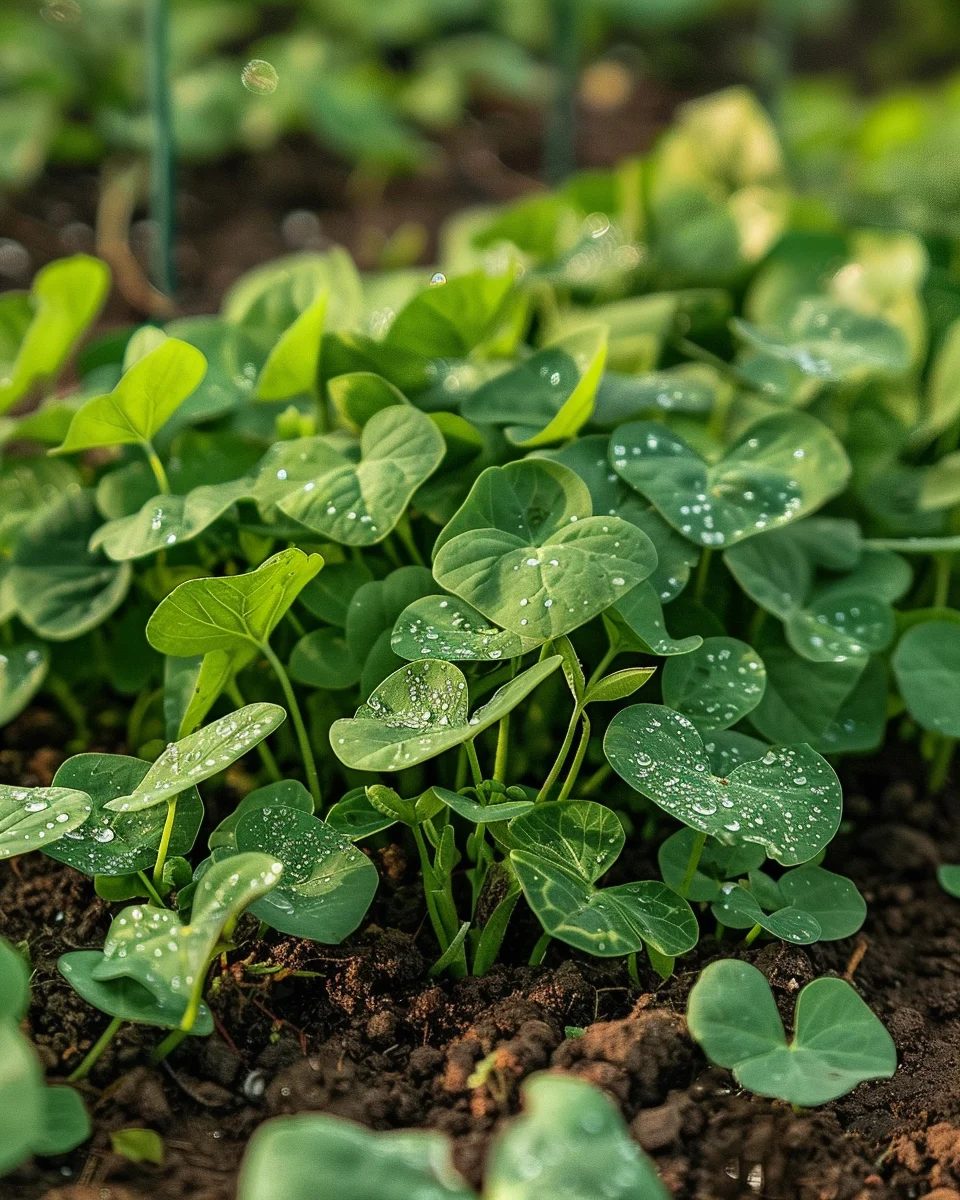
For warm climate regions (zones 8-11), the ideal planting window is mid-April through May when temperatures have stabilized. In hot desert areas, plant in February to March or August to September to avoid the extreme summer heat. For subtropical regions like Florida or southern Texas, you can plant as early as March or even year-round in the warmest areas. Direct sowing is strongly preferred for lima beans as they dislike root disturbance. If starting indoors is necessary due to a shorter season, use biodegradable pots and transplant carefully when seedlings have their first true leaves, typically 2-3 weeks after germination.
Best lima bean varieties to grow
- Henderson Bush – A compact bush variety that matures quickly (65 days) and tolerates heat exceptionally well.
- Fordhook 242 – Heat-resistant bush type with large, buttery beans that maintains quality even during hot spells.
- King of the Garden – Vigorous pole variety that produces over a long season and thrives in hot conditions.
- Jackson Wonder – Drought-tolerant heirloom with beautiful speckled beans and excellent heat resistance.
- Dixie Butterpea – Small-seeded Southern favorite that continues producing through the hottest summer months.
- Florida Speckled – Heat-loving variety with attractive mottled beans that performs exceptionally well in humid conditions.
- Christmas – Large-seeded pole variety with striking red and white coloration that thrives in long, hot growing seasons.
How to plant lima beans in warm zones
Materials needed:
- Lima bean seeds
- Compost or aged manure
- Garden trowel or hoe
- Watering can or hose with gentle spray
- Mulch (straw, leaves, or wood chips)
- Trellising materials for pole varieties
- Inoculant (optional but beneficial)
Step-by-step planting:
- Select a site with full sun (6-8 hours daily) and well-draining soil.
- Prepare soil by incorporating 2-3 inches (5-7.5 cm) of compost to improve fertility and drainage.
- For bush varieties, create rows 2-3 feet (60-90 cm) apart; for pole varieties, space rows 3-4 feet (90-120 cm) apart.
- Soak seeds overnight to speed germination (optional but helpful in very warm conditions).
- Create furrows 1-1.5 inches (2.5-4 cm) deep for planting.
- Place seeds 3-4 inches (7.5-10 cm) apart for bush varieties or 6-8 inches (15-20 cm) apart for pole types.
- Cover with soil, firming gently to ensure good seed-to-soil contact.
- Water thoroughly but gently to avoid washing away seeds.
- For pole varieties, install trellises, poles, or other supports at planting time to avoid disturbing roots later.
- Apply a light layer of mulch after seedlings emerge to conserve moisture and suppress weeds.
How to grow lima beans in warm zones
Lima beans require full sunlight (at least 6-8 hours daily) to produce abundant harvests. In extremely hot regions, light afternoon shade can be beneficial during the hottest part of summer. Water deeply once or twice weekly, providing 1-1.5 inches (2.5-4 cm) of water per week, adjusting for rainfall and increasing during pod formation. Avoid overhead watering which can promote disease; instead, use drip irrigation or soaker hoses. Lima beans typically don’t require heavy fertilization—in fact, too much nitrogen promotes lush foliage at the expense of bean production. Apply a balanced organic fertilizer (5-5-5) at planting time, then switch to a lower-nitrogen formula (2-8-4) when flowering begins. Mulch with 2-3 inches (5-7.5 cm) of organic material to maintain soil moisture and moderate temperature. For pole varieties, provide sturdy support reaching 6-8 feet (1.8-2.4 m) tall. When growing in containers, select a minimum 12-inch (30 cm) deep pot for bush varieties or 18-inch (45 cm) deep for pole types, ensuring excellent drainage.
Caring for lima beans in warm zones
Monitor soil moisture consistently, especially during flowering and pod development when water needs increase. Practice shallow cultivation to control weeds, being careful not to disturb the shallow root system. Common pests include aphids, bean beetles, and spider mites—control with insecticidal soap or neem oil applications in the early morning or evening. Watch for bacterial blight (water-soaked spots on leaves) and powdery mildew (white powder on foliage), treating promptly with copper fungicide or sulfur spray respectively. Harvest bush varieties when pods are firm and slightly swollen but still bright green, typically 65-75 days after planting. Pole varieties produce over a longer period, often 80-90 days. For fresh eating, pick regularly to encourage continued production. For dried beans, allow pods to turn yellow and dry on the plant before harvesting. Fresh lima beans can be refrigerated for 4-5 days; for longer storage, blanch and freeze or allow to dry completely for storage in airtight containers.
Understanding bolting in lima beans
Unlike leafy greens, lima beans don’t technically bolt (produce flowers prematurely), but they can experience related stress responses. When temperatures exceed 90°F (32°C) for extended periods, lima beans may drop their flowers or fail to set pods. This is similar to bolting in that it’s a stress response to environmental conditions. The primary triggers include extreme heat, drought stress, and sudden temperature fluctuations. To prevent heat-related flower drop, maintain consistent soil moisture, apply mulch to moderate soil temperature, provide afternoon shade during extreme heat waves, and select heat-tolerant varieties. If flower drop occurs, focus on maintaining plant health through proper watering and light fertilization—plants will often resume pod production when temperatures moderate.
Why does lima beans turn bitter?
- Harvested too late – Beans left too long on plants develop a starchy, sometimes bitter taste; harvest when pods are plump but still bright green.
- Heat stress – Prolonged temperatures above 90°F (32°C) can cause biochemical changes resulting in bitter compounds; provide afternoon shade in extreme heat.
- Drought conditions – Insufficient water causes stress that can concentrate bitter compounds; maintain consistent soil moisture.
- Variety selection – Some varieties naturally have stronger flavors; large-seeded types like Fordhook tend to be milder and creamier.
- Improper storage – Beans stored too long or at improper temperatures can develop off-flavors; use fresh or properly preserve promptly after harvest.
Companion planting for lima beans
Good companions:
- Corn – Provides natural support for pole lima beans and creates beneficial microclimate.
- Cucumbers – Share similar growing requirements and benefit from the nitrogen fixed by lima beans.
- Sunflowers – Attract pollinators and can provide afternoon shade in extremely hot climates.
- Marigolds – Repel nematodes and other soil pests that might damage lima bean roots.
- Summer savory – Enhances growth and flavor while deterring bean beetles.
- Radishes – Quick-growing crop that can be harvested before lima beans reach maturity.
Avoid planting near:
- Onions and garlic – Release compounds that can inhibit growth of lima beans.
- Other heavy-feeding plants – Compete for nutrients and may reduce yields.
- Brassicas (cabbage family) – Have different growing requirements and can attract pests that may affect lima beans.
Seasonal calendar
- February-March – Prepare soil with compost; plant in zones 9-11 or desert regions.
- April-May – Main planting time for most warm zones (8-10) when soil has warmed sufficiently.
- June – Continue care with regular watering; apply light fertilizer if needed.
- July-August – Main harvest period for bush varieties; continue harvesting pole varieties; provide extra water during heat waves.
- August-September – Fall planting window for zones 9-11; continue harvesting pole varieties; collect seeds from mature pods for next season.
- October-November – Final harvests in most regions; clean up plant debris to prevent overwintering pests.
- December-January – Plan next season’s garden; order seeds for rare varieties.
Problems & solutions
| Problem | Quick Fix |
|---|---|
| Seeds not germinating | Ensure soil temperature is above 65°F (18°C); replant if necessary and avoid overwatering. |
| Yellow leaves | Check for overwatering; ensure proper drainage; apply balanced organic fertilizer if nutrient deficiency is suspected. |
| Flowers dropping without forming pods | Likely heat stress; provide afternoon shade, maintain consistent moisture, and be patient—production will resume when temperatures moderate. |
| Bean beetles or aphids | Apply insecticidal soap or neem oil early morning or evening; introduce beneficial insects like ladybugs. |
| Powdery white spots on leaves | Treat powdery mildew with sulfur spray or diluted milk solution (1:10 ratio with water); improve air circulation. |
| Stunted growth | Check for root-knot nematodes; rotate planting area next season and add abundant organic matter to soil. |
| Curled, distorted leaves | Look for spider mites (tiny specks on leaf undersides); spray with strong water stream or insecticidal soap focusing on leaf undersides. |
Common questions about growing lima beans in warm zones
How often should I water lima beans in hot weather?
In temperatures above 85°F (29°C), water deeply 2-3 times per week, providing about 1.5-2 inches (4-5 cm) of water weekly. Always water at the soil level and preferably in the morning to reduce evaporation and disease risk.
Can lima beans grow in partial shade in very hot climates?
Yes, in zones 9-11 where summer temperatures regularly exceed 95°F (35°C), afternoon shade (4-6 hours of morning sun followed by filtered light) can actually improve production by preventing flower drop during extreme heat.
What size container works best for growing lima beans?
For bush varieties, use containers at least 12 inches (30 cm) deep and 12 inches (30 cm) in diameter, with one plant per container. For pole varieties, use containers 18-24 inches (45-60 cm) deep and 18 inches (45 cm) in diameter, with proper support for climbing.
How far apart should I space lima bean plants?
Space bush varieties 4-6 inches (10-15 cm) apart in rows 24-30 inches (60-75 cm) apart. Space pole varieties 6-8 inches (15-20 cm) apart in rows 36-48 inches (90-120 cm) apart to accommodate their larger growth habit and trellising needs.
What’s the highest temperature lima beans can tolerate?
Lima beans can survive temperatures up to 95°F (35°C) but may temporarily stop flowering and setting pods above 90°F (32°C). They will resume production when temperatures moderate, especially if proper moisture levels are maintained.
How often can I harvest from the same lima bean plant?
Bush varieties typically produce their crop over a 2-3 week period. Pole varieties can produce continuously for 6-8 weeks or longer if properly maintained and harvested regularly. Picking beans every 2-3 days encourages continued production.
Do lima beans need to be staked even in warm zones?
Bush varieties don’t require staking in any climate. Pole varieties absolutely require support 6-8 feet (1.8-2.4 m) tall regardless of climate zone. In fact, proper trellising becomes even more important in warm zones where vigorous growth can make plants unwieldy.