
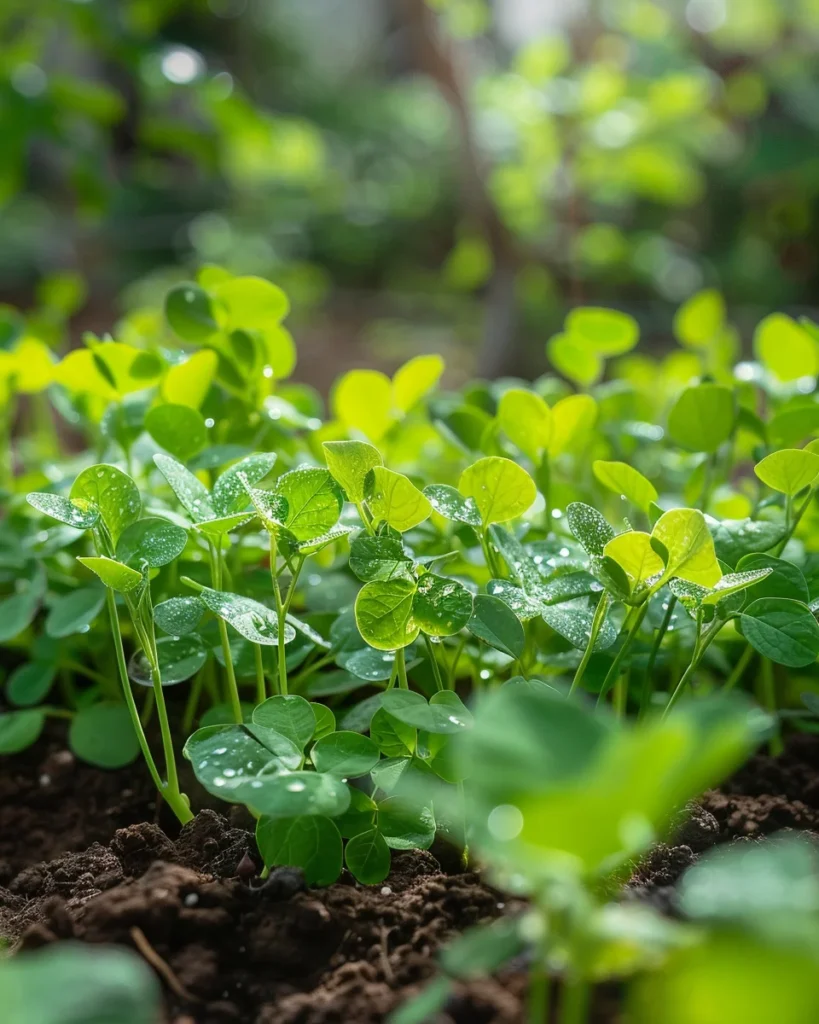
How to Grow Lentils in Small Plots: A Complete Guide for Space-Conscious Gardeners
Intro for growing lentils in small plots
Lentils (Lens culinaris) are nutritional powerhouses that make excellent additions to small garden plots. These legumes pack impressive protein content while requiring minimal space, making them perfect for urban gardens, raised beds, or container growing. Beyond their culinary value, lentils naturally fix nitrogen in the soil, improving your garden’s fertility for future plantings. They thrive in most temperate regions with full sun exposure and well-draining soil. With their modest water requirements and relatively short growing season of 80-110 days, lentils offer an accessible crop for gardeners with limited space who want maximum nutritional return from their garden investment.
When to plant lentils in small plots
Lentils perform best when planted in early spring as soon as soil can be worked. They prefer cool growing conditions with soil temperatures between 10-21°C (50-70°F). As cool-season crops, lentils can tolerate light frosts but should be planted after the risk of hard freezes has passed. In warmer regions (US Zones 8-10), fall planting is also possible, allowing the crop to develop during cooler winter months. Lentils struggle in hot, humid conditions, so timing is crucial to ensure they mature before summer heat arrives in most temperate regions.
Best time to plant lentils in small plots
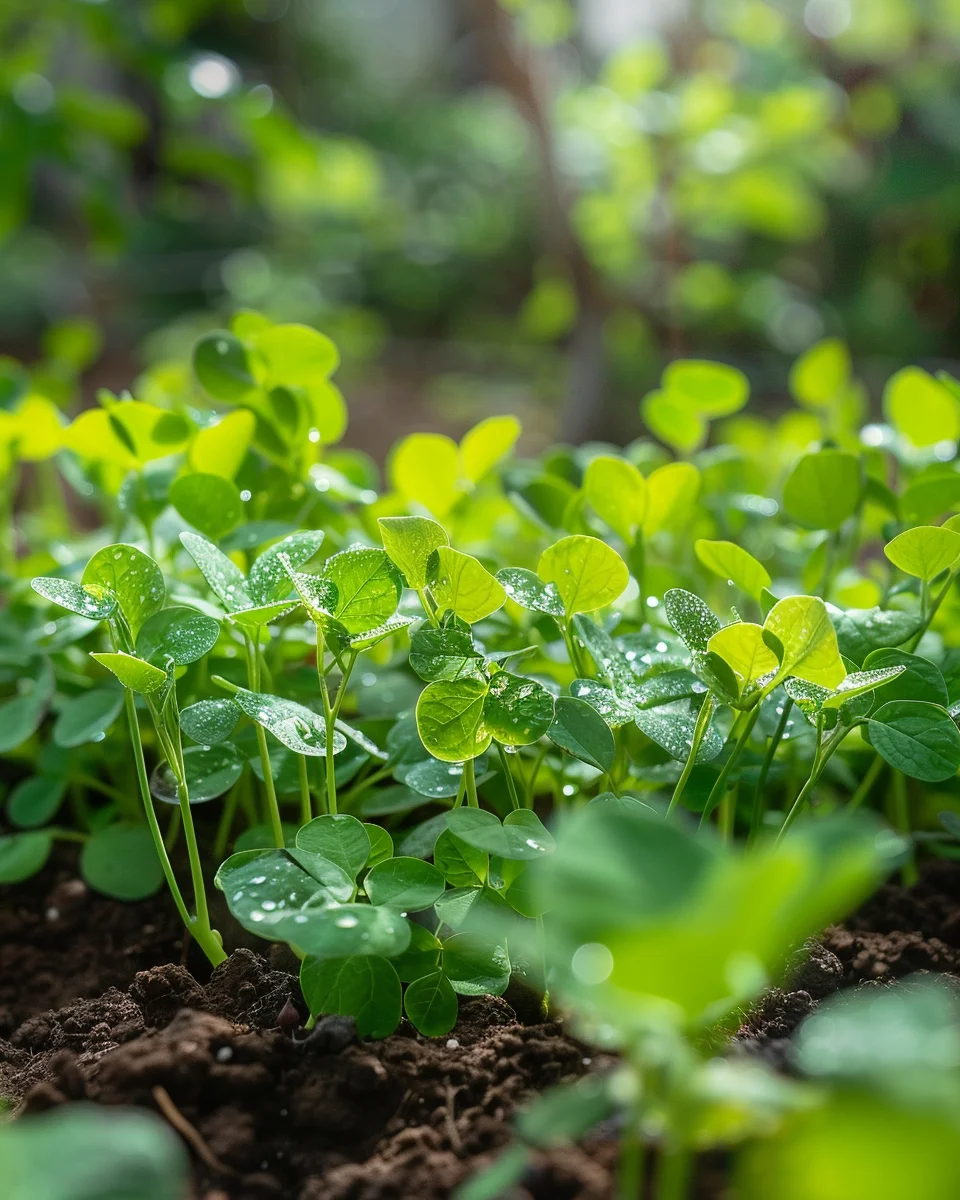
For cool temperate regions (UK, Northern US, Canada), plant lentils from mid-March to early May when soil temperatures consistently reach 10°C (50°F). In Mediterranean or warm temperate climates, October to November plantings work well for a spring harvest. Direct sowing is strongly preferred for lentils as they develop delicate taproots that don’t transplant easily. For container growing in any region, you can start 2-3 weeks earlier than garden planting by moving containers to protected areas during unexpected cold snaps.
Best lentil varieties to grow
- French Green (Puy) – Holds shape after cooking with peppery flavor; excellent for small plots due to compact growth habit.
- Beluga Black – Striking black seeds that resemble caviar; drought-tolerant and suitable for container growing.
- Red Chief – Fast-maturing (75-80 days) variety ideal for shorter growing seasons or succession planting.
- Pardina – Spanish brown lentil with excellent flavor; relatively compact plants good for small-space growing.
- Masoor – Red lentil variety that’s highly productive even in modest spaces with good disease resistance.
- Macachiados – Heirloom variety with beautiful speckled pattern; performs well in containers and raised beds.
- Verte du Puy – Protected designation of origin variety with exceptional flavor; compact growth habit ideal for small plots.
How to plant lentils in small plots
Materials needed:
- Lentil seeds
- Compost or aged manure
- Garden fork or tiller
- Inoculant (rhizobium bacteria)
- Watering can or hose with gentle spray attachment
- Row markers or plant labels
- Light mulch material (optional)
Step-by-step planting:
- Select a site that receives 6-8 hours of direct sunlight daily with well-draining soil.
- Test soil pH – aim for 6.0-6.5 for optimal lentil growth.
- Prepare soil by removing weeds and incorporating 2-3 cm (1 inch) of compost.
- Create shallow furrows approximately 2.5 cm (1 inch) deep and 20-25 cm (8-10 inches) apart.
- Coat seeds with rhizobium inoculant specific for legumes to enhance nitrogen fixation.
- Sow seeds 2.5-5 cm (1-2 inches) apart within rows.
- Cover lightly with soil and firm gently to ensure good seed-to-soil contact.
- Water thoroughly but gently to avoid displacing seeds.
- Label rows with variety names and planting dates.
- Apply a thin layer of fine mulch if birds are a problem in your area.
How to grow lentils in small plots
Lentils require full sunlight (minimum 6 hours daily) to produce well. Water regularly but moderately, providing about 2.5 cm (1 inch) of water weekly, allowing the soil to dry slightly between waterings. Lentils are light feeders thanks to their nitrogen-fixing abilities – avoid high-nitrogen fertilizers which promote foliage at the expense of pod production. If needed, apply a light application of phosphorus-potassium fertilizer (like 0-10-10) at planting time.
For container growing, use pots at least 20 cm (8 inches) deep with drainage holes. Plant 6-8 seeds per 30 cm (12-inch) container. Mulch around plants once they reach 10 cm (4 inches) tall to conserve moisture and suppress weeds. Lentils generally don’t require thinning unless extremely overcrowded. Their bushy growth habit means they can benefit from light support in windy locations – consider using small twiggy branches or short pea stakes inserted among plants.
Caring for lentils in small plots
Monitor soil moisture consistently, especially during flowering and pod formation. Weed carefully around plants, as lentils don’t compete well with aggressive weeds. Watch for aphids, which can be controlled with a strong water spray or insecticidal soap. Powdery mildew may appear in humid conditions – improve air circulation and avoid overhead watering. Root rot can occur in waterlogged soil, so ensure proper drainage.
Harvest lentils when plants turn yellow and pods become dry and brittle, typically 80-110 days after planting. Pull entire plants and hang upside down in a dry location until completely dry. Thresh pods by rubbing between hands or beating gently in a pillowcase. Store dried lentils in airtight containers in a cool, dark place for up to a year.
Understanding bolting in lentils
Bolting in lentils refers to premature flowering and seed production, though it’s less common than in leafy greens. It’s typically triggered by sudden temperature increases, extended daylight hours, or drought stress. To prevent bolting, maintain consistent soil moisture, plant early enough to allow maturation before summer heat, and provide afternoon shade in hot climates. If bolting begins, you can still harvest the immature pods for fresh “green lentils” which have a sweet, pea-like flavor, though yield will be reduced.
Why does lentil growth turn poor?
- Nitrogen-rich soil – Excessive nitrogen promotes foliage growth at the expense of pod production; use low-nitrogen fertilizers.
- Insufficient sunlight – Less than 6 hours daily results in leggy plants with poor yields; choose sunnier locations.
- Improper pH – Soil too acidic (below 6.0) or alkaline (above 7.0) inhibits nutrient uptake; amend soil accordingly.
- Overcrowding – Too many plants competing for resources; maintain proper spacing of 5-7.5 cm (2-3 inches) between mature plants.
- Heat stress – Temperatures consistently above 27°C (80°F) can stunt growth; provide afternoon shade or use shade cloth in hot regions.
Companion planting for lentils
Good companions for lentils include:
- Cucumbers – Benefit from the nitrogen fixed by lentils while providing partial shade in hot weather.
- Herbs like summer savory and thyme – Repel aphids and enhance lentil flavor.
- Shallow-rooted leafy greens – Utilize different soil layers without competing for resources.
- Radishes – Quick-growing crop that can be harvested before lentils reach maturity.
- Marigolds – Deter nematodes and other soil pests that might affect lentils.
Avoid planting lentils near:
- Garlic and onions – Can inhibit growth of lentils and other legumes.
- Other legumes – Compete for the same soil resources and can share diseases.
- Fennel – Produces compounds that inhibit growth of many plants, including lentils.
Seasonal calendar
- February-March: Prepare soil and add compost in mild climates.
- March-April: Direct sow seeds in cool temperate regions when soil workable.
- April-May: Continue succession plantings in cooler areas; final sowings in warm regions.
- May-June: Monitor for pests; provide support if needed; maintain consistent watering.
- July-August: Reduce watering as plants begin to yellow; prepare for harvest in early plantings.
- August-September: Main harvest period for spring plantings; dry and process seeds.
- October-November: Plant fall crop in warm regions (Zones 8-10); prepare soil for next season elsewhere.
- December-January: Plan next season’s lentil plot; order seeds for specialty varieties.
Problems & solutions
| Problem | Quick Fix |
|---|---|
| Yellowing leaves | Check drainage; reduce watering if soil is waterlogged. |
| Poor germination | Ensure soil temperature is above 10°C (50°F); check seed viability. |
| Few flowers/pods | Verify adequate sunlight (6+ hours); avoid high-nitrogen fertilizers. |
| Aphid infestation | Spray with strong water jet or apply insecticidal soap; introduce ladybugs. |
| Powdery white spots | Improve air circulation; apply organic fungicide like diluted milk spray (1:10 ratio). |
| Plants falling over | Insert small twiggy branches or stakes for support; protect from strong winds. |
| Pods not filling | Ensure consistent watering during pod formation; check for insect damage. |
Common questions about growing lentils in small plots
How often should I water lentils?
Water lentils when the top 2.5 cm (1 inch) of soil feels dry, typically providing 2.5 cm (1 inch) of water weekly. Reduce watering as plants begin to yellow and pods mature to prevent pod rot and encourage proper drying.
Can lentils grow in partial shade?
Lentils perform best with 6-8 hours of direct sunlight daily. They can tolerate partial shade (4-6 hours of sun), but expect reduced yields and longer maturation times. In very hot climates, afternoon shade can actually be beneficial.
What size container works for growing lentils?
Use containers at least 20 cm (8 inches) deep with a minimum diameter of 30 cm (12 inches). A container this size can support 6-8 lentil plants. Ensure containers have adequate drainage holes to prevent waterlogging.
How far apart should I space lentil plants?
Plant lentil seeds 2.5-5 cm (1-2 inches) apart initially, with rows 20-25 cm (8-10 inches) apart. You generally won’t need to thin lentils unless they’re extremely overcrowded, as they benefit from growing relatively close together.
Can I grow lentils year-round?
In most temperate regions, lentils are a single-season crop grown in spring. In Mediterranean or mild winter climates (Zones 8-10), fall planting for spring harvest is possible. True year-round production would require controlled environments like greenhouses in most regions.
How do I know when lentils are ready to harvest?
Harvest lentils when plants turn yellow and brown, pods become dry and brittle, and seeds rattle inside the pods when shaken. This typically occurs 80-110 days after planting, depending on variety and growing conditions.
Can I save seeds from my lentil harvest for replanting?
Yes, lentils are self-pollinating and seeds can be saved for future planting. Select the largest, healthiest-looking seeds from your harvest and store them in a cool, dry place. Lentil seeds remain viable for 3-4 years when properly stored.