
How to Grow Kumquats in Containers: Complete Guide for Citrus Success in Small Spaces
Intro for growing kumquats in containers
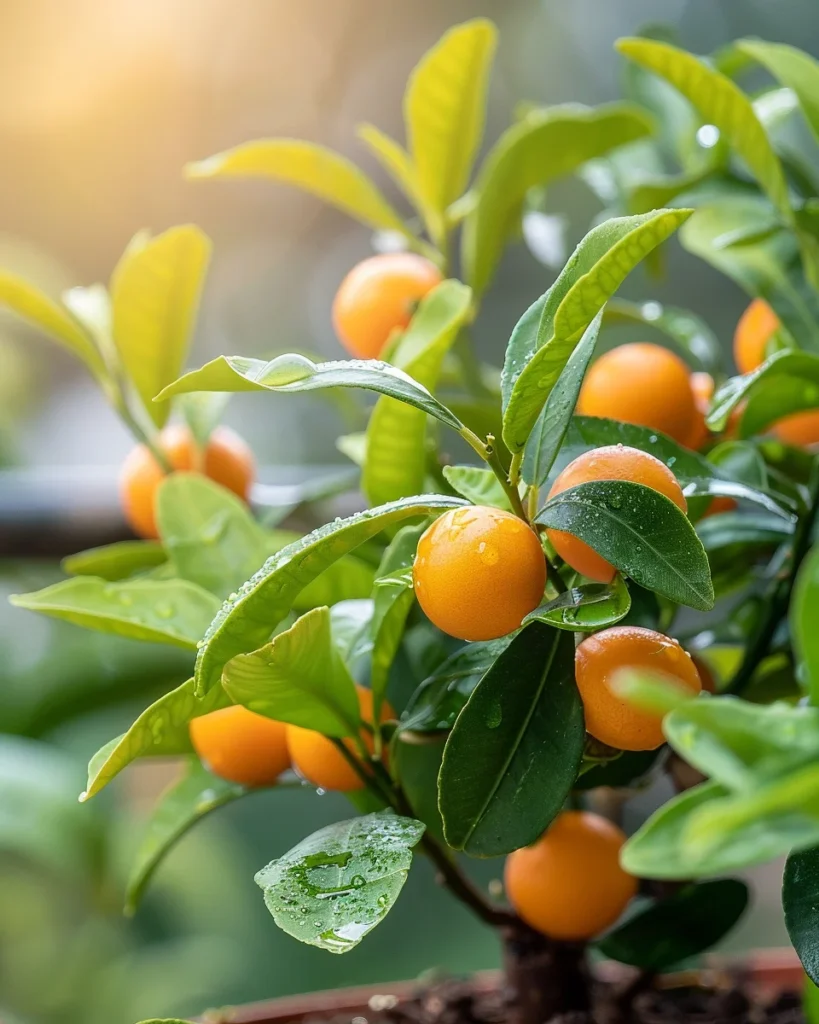
Kumquats (Fortunella spp.) are the smallest of the citrus fruits, featuring a sweet edible skin and tart flesh that creates a unique flavor experience. These compact citrus trees are perfect for container growing, making them accessible even to gardeners with limited space. Native to China, kumquats are more cold-hardy than most citrus, typically thriving in USDA zones 8-11, but container growing extends their range as they can be moved indoors during winter. With their glossy evergreen foliage, fragrant white blossoms, and bright orange fruits, kumquats offer year-round ornamental value while providing nutritious, vitamin C-rich fruits that can be eaten whole, preserved, or used in cooking.
When to plant kumquats in containers
Kumquats should be planted when all danger of frost has passed and temperatures consistently remain above 10°C (50°F). In temperate regions, spring is ideal as it gives the young tree time to establish before summer heat or winter cold. For Mediterranean climates, fall planting is also suitable as mild winters allow for root development. Soil temperature should be at least 15°C (60°F) for optimal root growth. Unlike many citrus varieties, kumquats have some cold tolerance down to about -7°C (20°F) once established, but container-grown trees should be protected when temperatures approach freezing.
Best time to plant kumquats in containers
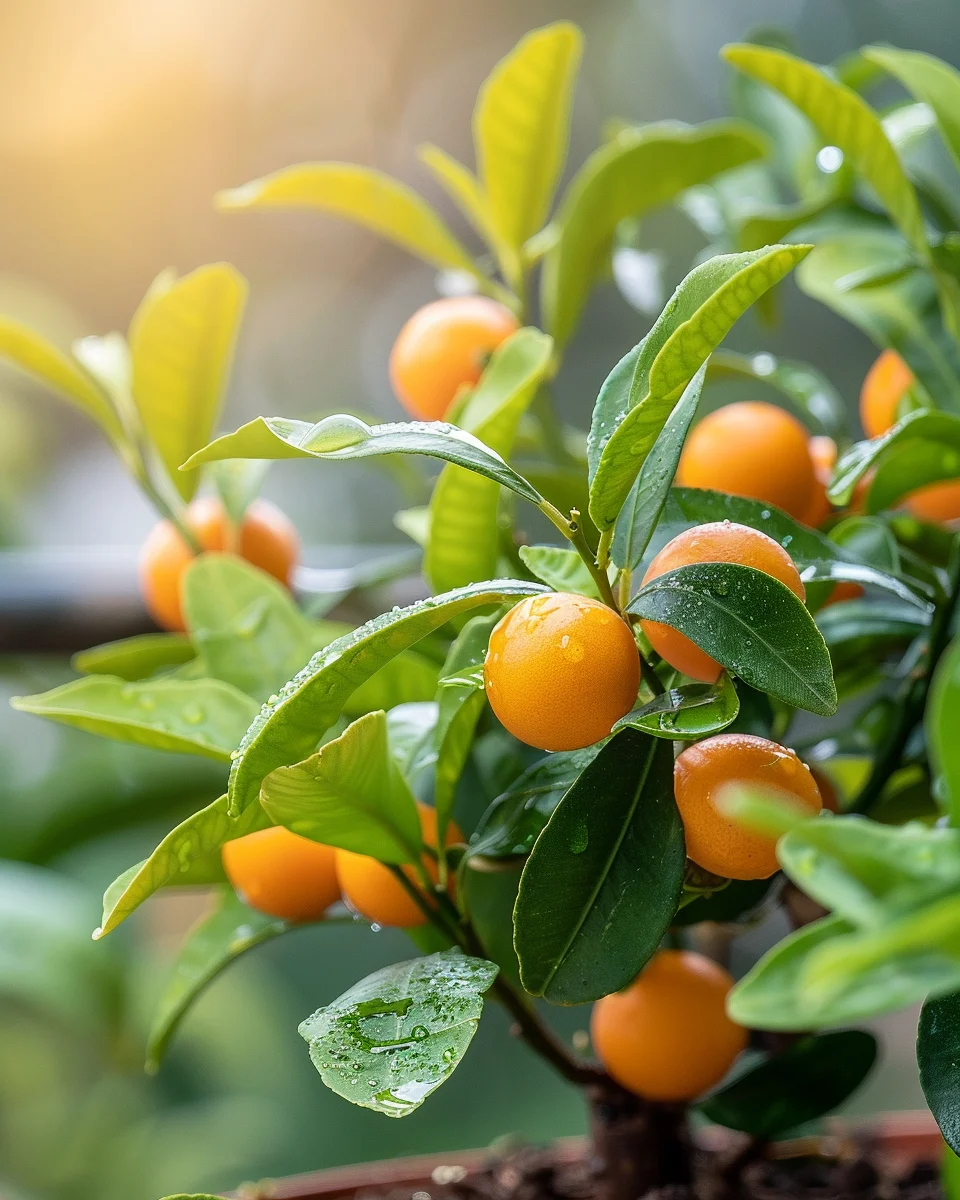
In cool temperate regions (UK, Northern US), plant kumquats from late April through May when nighttime temperatures stay above 7°C (45°F). In warm temperate regions (Southern US, Mediterranean), the planting window extends from March through May or September through October. Container-grown kumquats are typically purchased as young trees (1-3 years old) rather than grown from seed, as seed-grown trees may take 7-10 years to fruit and won’t grow true to the parent plant. For the best start, transplant nursery-bought trees into containers during these optimal periods.
Best kumquat varieties to grow
- Nagami (Fortunella margarita) – Most common variety with oval fruits and tart flesh, excellent for container growing due to compact growth habit.
- Meiwa (Fortunella crassifolia) – Sweeter, rounder fruits with less acidity, making them perfect for eating fresh.
- Fukushu – Produces round, juicy fruits with a thin skin and mild flavor, more cold-tolerant than other varieties.
- Marumi (Fortunella japonica) – Compact tree with round fruits, very ornamental and well-suited to container culture.
- Centennial Variegated – Features striking variegated foliage with green and white leaves, producing oval fruits similar to Nagami.
- Nordmann Seedless – Rare variety producing seedless fruits, ideal for those who prefer not to deal with seeds.
How to plant kumquats in containers
Materials needed:
- Young kumquat tree
- Container (40-50 cm/16-20 in diameter minimum) with drainage holes
- Citrus-specific potting mix or well-draining potting soil
- Perlite or pumice for additional drainage
- Slow-release citrus fertilizer
- Watering can
- Mulch (optional)
Step-by-step planting:
- Select a container at least 40-50 cm (16-20 in) in diameter with multiple drainage holes. Terracotta or wooden containers are ideal as they allow the soil to breathe.
- Create a drainage layer at the bottom of the pot using small stones or broken pottery pieces (2-3 cm/1 in layer).
- Mix citrus potting soil with about 20% perlite or pumice to ensure excellent drainage.
- Fill the container partially with the soil mix, leaving enough space for the root ball.
- Carefully remove the kumquat tree from its nursery container, gently loosening the outer roots if they’re circling.
- Position the tree so the top of the root ball sits about 2.5 cm (1 in) below the container rim.
- Fill around the root ball with soil mix, firming gently but not compacting.
- Water thoroughly until water flows from the drainage holes.
- Apply a thin layer of mulch, keeping it away from the trunk to prevent rot.
- Place the container in a sunny, sheltered position protected from strong winds.
How to grow kumquats in containers
Kumquats require full sunlight to thrive, needing at least 6-8 hours of direct sun daily. Position containers in your sunniest spot, ideally south-facing in the Northern Hemisphere. Water when the top 2.5 cm (1 in) of soil feels dry, typically every 3-5 days in summer and less frequently in winter. Always water thoroughly until it drains from the bottom, but never allow the pot to sit in water.
Fertilize with a slow-release citrus fertilizer in spring, following package directions, then supplement with liquid citrus fertilizer every 4-6 weeks during the growing season (spring through early fall). Reduce feeding in late fall and winter. Kumquats benefit from occasional pruning to maintain shape and size, best done after fruiting. For container growth, prune to maintain a height of 1.2-1.8 m (4-6 ft).
Container-specific care includes repotting every 2-3 years in spring, moving to a pot one size larger each time. In cold regions, move containers indoors or to a protected area when temperatures approach freezing, placing them in a cool, bright location like a sunroom or unheated conservatory.
Caring for kumquats in containers
Monitor soil moisture carefully, as containers can dry out quickly in hot weather. Increase humidity around indoor trees by placing the pot on a tray filled with pebbles and water (ensuring the pot doesn’t sit directly in water). Periodically wipe dust from leaves with a damp cloth to keep pores clear.
Common pests include scale insects, spider mites, and aphids. For scale, identified by small brown bumps on stems and leaves, use horticultural oil or neem oil. Spider mites, causing stippled yellowing leaves, can be controlled with regular misting and insecticidal soap. Aphids can be removed with a strong water spray or insecticidal soap.
Disease issues include root rot (from overwatering), citrus leaf miner (creating silvery trails on leaves), and nutrient deficiencies. Prevent root rot with proper drainage and careful watering. Remove affected leaves with leaf miner damage. Address yellowing leaves between veins (potential iron deficiency) with citrus micronutrient spray.
Harvest kumquats when they’re fully colored and slightly soft to the touch, typically in winter to early spring. Unlike other citrus, kumquats are sweetest when completely ripe. Fruits can remain on the tree for weeks without deteriorating. Store harvested fruits at room temperature for up to a week or refrigerate for 2-3 weeks.
Understanding bolting in kumquats in containers
Unlike annual vegetables, kumquats don’t bolt in the traditional sense as they’re perennial woody trees. However, they can experience stress responses that affect flowering and fruiting. Environmental stressors like extreme temperature fluctuations, drought, or nutrient deficiencies can cause kumquats to drop flowers or young fruit prematurely.
To prevent stress responses, maintain consistent watering schedules, protect from temperature extremes, and ensure proper nutrition. If your kumquat tree drops flowers or young fruits, evaluate recent environmental changes and adjust care accordingly. Stabilizing growing conditions usually allows the tree to resume normal flowering and fruiting cycles in subsequent seasons.
Why does kumquat fruit turn bitter?
- Underripe harvest – Unlike most citrus, kumquat skin should be sweet while the flesh is tart; picking too early results in overall bitterness.
- Drought stress – Inconsistent watering can concentrate bitter compounds; maintain even soil moisture.
- Nutrient imbalance – Excessive nitrogen fertilizer can increase bitterness; use balanced citrus fertilizer.
- Variety differences – Some varieties like Nagami are naturally more tart; try Meiwa for sweeter fruits.
- Cold damage – Exposure to freezing temperatures can affect fruit flavor; protect trees during cold snaps.
Companion planting for kumquats in containers
When growing kumquats in containers, consider these beneficial companions:
- Marigolds – Repel nematodes and other pests while adding color.
- Nasturtiums – Attract beneficial insects and may deter aphids.
- Chives or garlic chives – Help repel aphids and other insect pests with their strong scent.
- Shallow-rooted herbs (thyme, oregano) – Make good use of surface soil without competing for deeper resources.
- Alyssum – Attracts pollinators and beneficial insects while creating an attractive display.
Avoid planting kumquats with:
- Deep-rooted vegetables – They compete for nutrients and space in the container.
- Other citrus trees – May increase risk of disease spread and compete for resources.
- Plants with high water needs – Create conflicting watering requirements.
Seasonal calendar
- January-February: Harvest ripe fruits; protect from frost; minimal watering; no fertilizing.
- March: Resume regular watering as growth begins; apply first fertilizer of season; last chance for winter harvest.
- April-May: Ideal planting time; increase watering; white fragrant flowers appear; repot if needed.
- June-July: Maintain consistent watering; apply second round of fertilizer; fruit begins to form.
- August-September: Continue regular watering; apply final fertilizer of season; fruit continues developing.
- October-November: Reduce watering frequency; fruit begins to color; prepare to move indoors in cold regions.
- December: Minimal watering; fruits reach full color; early harvest begins; protect from frost.
Note: In warmer regions (zones 9-11), fruiting may occur earlier. In cooler regions, move containers indoors earlier in fall.
Problems & solutions
| Problem | Quick Fix |
|---|---|
| Yellowing leaves | Check for overwatering; ensure good drainage; apply citrus micronutrient spray if iron deficiency is suspected. |
| Leaf drop | Normal in small amounts; excessive drop may indicate temperature shock, drought, or overwatering; stabilize conditions. |
| No flowering/fruiting | Ensure adequate sunlight (6+ hours daily); apply phosphorus-rich fertilizer; check that tree is mature enough (3+ years). |
| Fruit drop | Some natural drop is normal; excessive drop may indicate inconsistent watering or nutrient deficiency; stabilize care routine. |
| Sticky leaves/sooty mold | Indicates insect infestation (likely scale or aphids); treat with insecticidal soap or neem oil; wipe affected leaves. |
| Curling leaves | Check for citrus leaf miners or aphids; remove severely affected leaves; treat with appropriate insecticide if infestation is severe. |
| Split fruit | Caused by inconsistent watering; maintain even soil moisture, especially as fruits mature. |
Common questions about growing kumquats in containers
Q: How large should my container be for a kumquat tree?
A: Start with a container at least 40-50 cm (16-20 in) in diameter, moving up to 60-75 cm (24-30 in) as the tree matures. Ensure it has multiple drainage holes.
Q: How often should I water my container-grown kumquat?
A: Water when the top 2.5 cm (1 in) of soil feels dry. In summer, this might be every 3-5 days; in winter, perhaps every 7-14 days. Always water thoroughly until it drains from the bottom.
Q: Can kumquats in containers survive winter outdoors?
A: While kumquats are more cold-hardy than most citrus (to about -7°C/20°F briefly), container-grown trees are more vulnerable. In zones 8 and below, move containers indoors or to a protected area when temperatures approach freezing.
Q: How much sun do container-grown kumquats need?
A: Kumquats need at least 6-8 hours of direct sunlight daily. Place containers in your sunniest location, ideally south-facing in the Northern Hemisphere.
Q: When will my kumquat tree produce fruit?
A: Purchased trees that are 2-3 years old may fruit within a year of planting. Younger trees typically take 3-5 years to begin fruiting. Proper sunlight, pollination, and care are essential for fruit production.
Q: How do I know when kumquats are ready to harvest?
A: Harvest when fruits are fully colored (bright orange), slightly soft to the touch, and easily twist off the branch. Unlike other citrus, kumquats are sweetest when completely ripe.
Q: How often should I repot my kumquat tree?
A: Repot every 2-3 years in spring, moving to a container one size larger. Once the tree reaches your desired size, you can root prune and return it to the same container with fresh soil to maintain its size.