
How to Grow Jerusalem Artichokes (Sunchokes) in Beds: When to Plant, Best Varieties & Care Guide
Intro for growing Jerusalem artichokes in beds
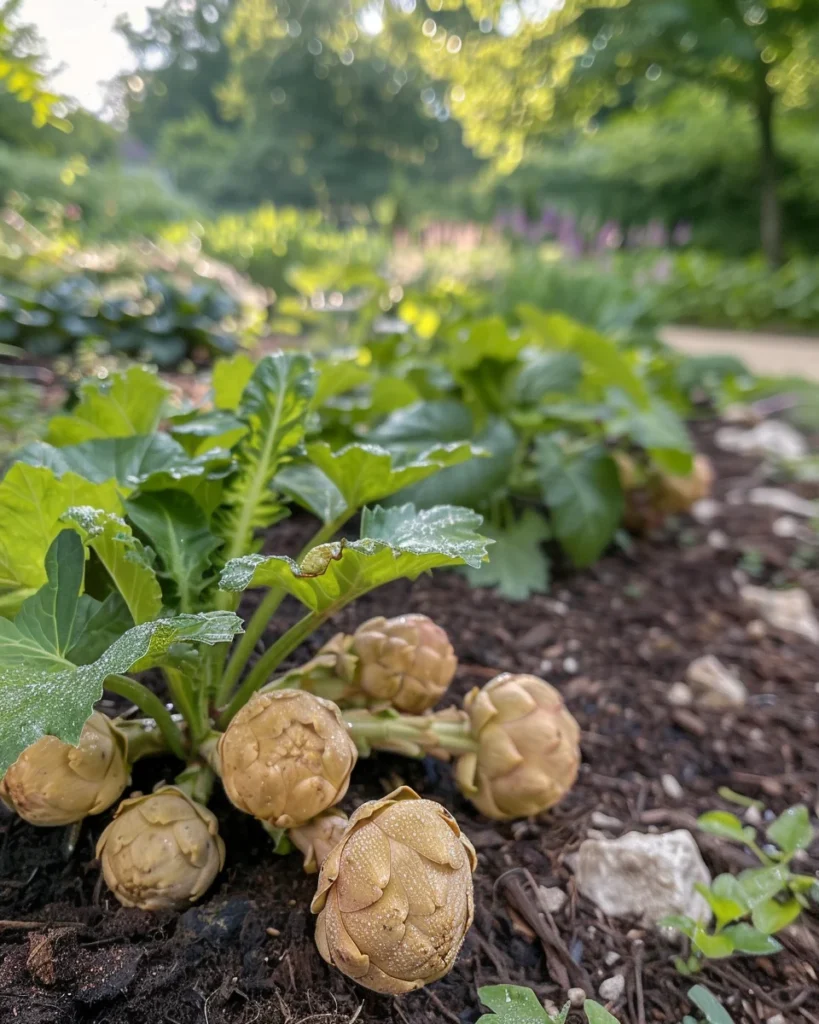
Jerusalem artichokes, also known as sunchokes, are versatile, nutritious tubers that grow from the roots of a sunflower-like plant (Helianthus tuberosus). Despite their name, they’re neither from Jerusalem nor artichokes, but rather native North American plants with a nutty, slightly sweet flavor similar to artichoke hearts. These hardy perennials are incredibly easy to grow, producing abundant harvests with minimal effort. They thrive in most temperate regions, tolerate poor soil conditions, and once established, can produce for years. Growing Jerusalem artichokes in garden beds offers the perfect environment for their extensive root systems while providing a stunning backdrop of tall, yellow flowers before harvest time.
When to plant Jerusalem artichokes
Jerusalem artichokes are best planted in early spring once soil temperatures reach 7-10°C (45-50°F). In most temperate regions, this falls between February and April. Unlike many vegetables, sunchokes are quite frost-tolerant, with established plants able to withstand temperatures as low as -30°C (-22°F). However, for new plantings, it’s best to wait until after the last spring frost to ensure good establishment. In warmer climates (US Zones 8-10), fall planting is also possible, allowing the tubers to establish over winter for an earlier summer harvest. The key indicator for planting time is workable soil that has thawed and drained sufficiently after winter.
Best time to plant Jerusalem artichokes
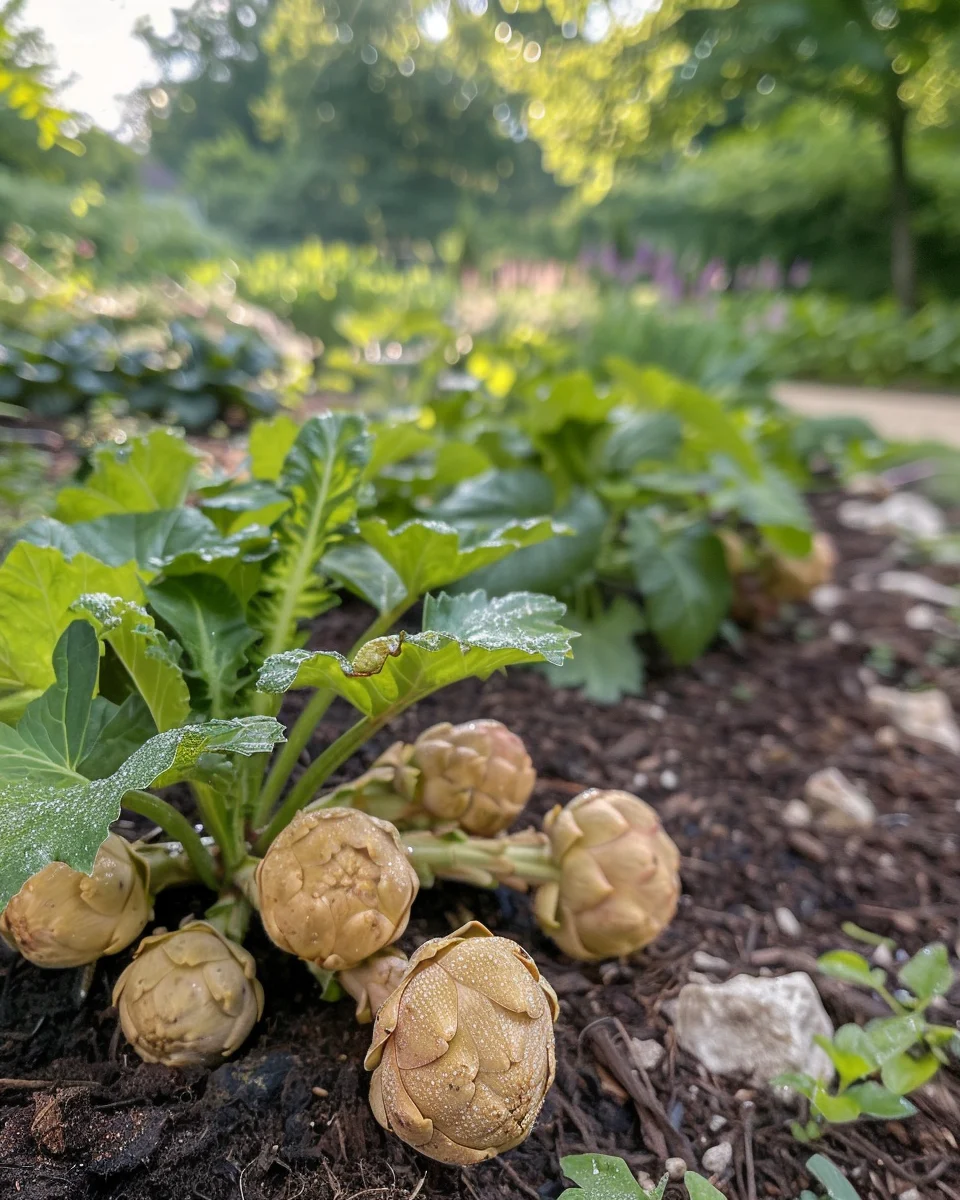
For cool temperate regions (UK, Northern US, Canada), plant Jerusalem artichokes from mid-March to late April. In warmer regions (US Zones 7-9, Mediterranean), February to early March is ideal for spring planting, or October to November for fall planting. Unlike many vegetables, sunchokes are always planted directly as tubers rather than started as seeds or transplants. For container growing, timing remains the same, though container-grown plants may benefit from slightly later planting in cooler regions to avoid root chilling. For a continuous harvest in subsequent years, no replanting is necessary as unharvested tubers will regrow, though dividing crowded plants every 3-4 years improves production.
Best Jerusalem artichoke varieties to grow
- Stampede – Earlier maturing variety with smoother, less knobby tubers that are easier to clean and prepare.
- Fuseau – Produces long, smooth tubers that are less likely to cause digestive discomfort and are easier to peel.
- Red Fuseau – Features attractive red-skinned tubers with excellent flavor and higher inulin content for health benefits.
- Mammoth – Grows exceptionally large tubers and tall plants (up to 3m/10ft), ideal for creating privacy screens or windbreaks.
- Dwarf Sunray – Compact variety reaching only 1.5m (5ft), perfect for smaller gardens or container growing.
- White Fuseau – Produces high yields of white-skinned tubers with superior culinary qualities and milder flavor.
- Violet de Rennes – French heirloom with purple-tinged skin, exceptional taste, and good disease resistance.
How to plant Jerusalem artichokes
Materials needed:
- Jerusalem artichoke tubers
- Garden fork or spade
- Compost or well-rotted manure
- Garden hose or watering can
- Mulch (straw, wood chips, or leaf mold)
- Garden gloves
Step-by-step planting:
- Select a sunny site with well-draining soil, ideally at the edge of your garden as plants can spread aggressively.
- Prepare the bed by digging to a depth of 20-25cm (8-10in), removing weeds and incorporating compost.
- Cut larger tubers into pieces, ensuring each has 2-3 eyes (growth buds), similar to potato planting.
- Dig planting holes 10-15cm (4-6in) deep, spacing them 30-45cm (12-18in) apart in rows 75-90cm (30-36in) apart.
- Place tubers horizontally in the holes with eyes facing upward.
- Cover with soil, firming gently to remove air pockets.
- Water thoroughly after planting to settle the soil around tubers.
- Apply a 5-7cm (2-3in) layer of mulch to conserve moisture and suppress weeds.
- Mark the planting area clearly, as plants may take 3-4 weeks to emerge.
How to grow Jerusalem artichokes
Jerusalem artichokes thrive in full sun but tolerate partial shade, producing at least 6-8 hours of direct sunlight daily for optimal yields. Water newly planted tubers regularly, keeping soil consistently moist but not waterlogged. Once established, sunchokes are drought-tolerant, requiring watering only during extended dry periods. Fertilizing is rarely necessary in reasonably fertile soil, but a light application of balanced organic fertilizer in spring can boost growth. Apply a thick mulch layer to retain moisture and suppress weeds. When plants reach about 30cm (12in) tall, hill soil around the stems to provide stability against wind and encourage more tuber formation. For container growing, use pots at least 50cm (20in) deep and wide, with excellent drainage, and be prepared for smaller yields. Tall varieties may require staking, especially in windy locations – bamboo poles or metal garden stakes work well when plants reach about 1m (3ft) tall.
Caring for Jerusalem artichokes
Ongoing care for Jerusalem artichokes is minimal. Remove weeds regularly until plants are established, after which their dense growth suppresses competition. Watch for aphids on young growth, which can be controlled with a strong water spray or insecticidal soap. Powdery mildew may appear on leaves in late summer but rarely affects tuber development. Jerusalem artichokes are remarkably pest and disease resistant, with few serious problems affecting yields. Harvest begins after the first frost kills the foliage, typically October to November in most regions, continuing through winter as needed. To harvest, carefully dig around the plant with a garden fork, lifting the entire root mass to collect tubers. For storage, clean tubers gently (don’t wash until ready to use), and keep in a cool, dark place around 0-2°C (32-36°F) with high humidity. Unlike potatoes, they don’t store long at room temperature, but can remain in the ground and be harvested as needed in regions with mild winters.
Understanding bolting in Jerusalem artichokes
Unlike leafy vegetables, Jerusalem artichokes don’t bolt in the traditional sense. What might be confused with bolting is their natural flowering cycle, where tall stems produce yellow, sunflower-like blooms in late summer to early fall. This flowering is normal and doesn’t negatively impact tuber development – in fact, it’s part of the plant’s natural growth cycle. The flowers are actually beneficial, attracting pollinators to your garden. If you’re growing sunchokes primarily for ornamental purposes, you can enjoy the flowers fully. For maximum tuber production, some gardeners recommend cutting flower heads just as they begin to form, redirecting energy to the tubers, though this practice is optional and evidence of its effectiveness is mixed. After flowering, plants naturally die back, signaling that tubers are maturing underground and approaching harvest readiness.
Why does Jerusalem artichoke turn bitter?
- Age after harvest – Tubers stored too long develop a bitter taste; harvest as needed or store properly at near-freezing temperatures.
- Exposure to light – Like potatoes, sunchokes turn green and bitter when exposed to light; store in complete darkness.
- Frost damage – While light frost improves sweetness, severe freezing and thawing cycles can cause bitterness; harvest after light frost but before deep freezes.
- Soil conditions – Extremely poor, dry soil can stress plants, affecting flavor; amend soil with organic matter before planting.
- Variety selection – Some varieties naturally have a more bitter undertone; Fuseau and White Fuseau are known for milder flavor.
Companion planting for Jerusalem artichokes
Jerusalem artichokes make excellent companions for several garden plants. Tomatoes benefit from the shade tall sunchokes provide during intense summer heat. Pole beans can use sunchoke stalks as natural supports, while fixing nitrogen that benefits the artichokes. Squash and pumpkins work well planted between rows, with their spreading habit suppressing weeds. Sunflowers complement sunchokes aesthetically and attract similar beneficial insects. Marigolds interplanted help repel nematodes and other soil pests. However, avoid planting Jerusalem artichokes near potatoes, as they can compete for nutrients and potentially share diseases. Also keep them away from other tall crops like corn that would compete for sunlight. Due to their potentially invasive nature, avoid planting near slow-growing perennials that could be overwhelmed by spreading sunchokes.
Seasonal calendar
- February-March: Prepare beds and plant tubers in warmer regions.
- March-April: Plant tubers in cooler regions once soil can be worked.
- May-June: Plants emerge and begin rapid growth; water during dry spells.
- July: Plants reach significant height; stake if necessary; hill soil around stems.
- August-September: Flowering begins; optionally remove flower heads to direct energy to tubers.
- October: Foliage begins to die back in cooler regions; can begin harvesting after first frost.
- November-February: Main harvest period; dig tubers as needed or all at once.
- Year-round in mild climates: Leave some tubers for next season’s growth.
Problems & solutions
| Problem | Quick Fix |
|---|---|
| Plants falling over | Hill soil around stems and/or stake plants; plant in blocks rather than single rows for mutual support. |
| Poor tuber development | Ensure adequate sunlight (6+ hours); improve soil with compost; water consistently during dry periods. |
| Spreading too aggressively | Plant in raised beds with barriers or dedicated areas; harvest thoroughly each season. |
| Aphid infestation | Spray with strong water jet; apply insecticidal soap; introduce ladybugs as natural predators. |
| Powdery mildew on leaves | Improve air circulation; apply milk spray (1:10 milk:water) or commercial fungicide if severe. |
| Digestive discomfort after eating | Cook thoroughly; start with small portions; try Fuseau variety which contains less inulin. |
| Knobby, difficult-to-clean tubers | Choose smoother varieties like Fuseau; harvest from looser soil; soak briefly before cleaning. |
Common questions about growing Jerusalem artichokes
How often should I water Jerusalem artichokes?
Water newly planted tubers weekly if rainfall is insufficient. Once established, they’re drought-tolerant and typically need watering only during prolonged dry spells of 2+ weeks.
How much sun do Jerusalem artichokes need?
They prefer full sun (6-8 hours daily) but tolerate partial shade, producing fewer but still worthwhile tubers with 4-5 hours of direct sunlight.
What size container works for growing Jerusalem artichokes?
Use containers at least 50cm (20in) deep and 40-50cm (16-20in) in diameter, with excellent drainage. Each container can accommodate 2-3 tubers, though yields will be smaller than ground plantings.
How far apart should I space Jerusalem artichokes?
Space tubers 30-45cm (12-18in) apart in rows 75-90cm (30-36in) apart. For smaller varieties or container growing, spacing can be reduced to 25-30cm (10-12in).
Can Jerusalem artichokes survive winter in the ground?
Yes, they’re extremely cold-hardy, surviving temperatures down to -30°C (-22°F). In most temperate regions, they can remain in the ground all winter, harvested as needed.
How do I prevent Jerusalem artichokes from taking over my garden?
Plant in contained beds with barriers extending 30cm (12in) below ground, harvest thoroughly each season, and dedicate a specific area where spreading won’t cause problems.
When are Jerusalem artichokes ready to harvest?
Harvest begins after the first frost kills the foliage (typically October-November) and continues through winter. Tubers develop sweeter flavor after light frost exposure.