
How to Grow Hot Peppers in Small Pots: Space-Saving Methods for Fiery Harvests
Intro for how to grow hot peppers in small pots
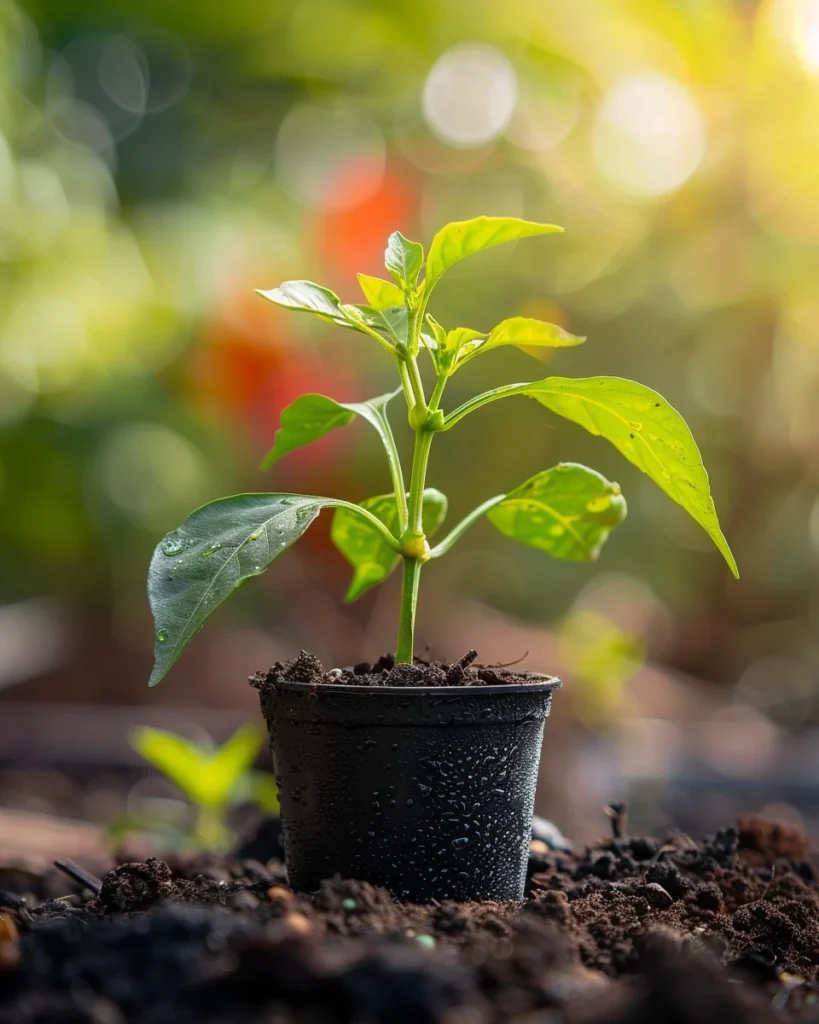
Hot peppers (Capsicum species) are perfect candidates for container gardening, making them accessible even to gardeners with limited space. These compact plants can produce impressive yields of spicy fruits in pots as small as 3 gallons (11 liters). Beyond their culinary value, hot peppers add ornamental appeal with their colorful fruits and glossy foliage. Container-grown peppers benefit from better drainage and soil temperature control than garden-grown counterparts, often resulting in healthier plants. With proper care, potted hot peppers can thrive on balconies, patios, and even sunny windowsills, bringing the joy of homegrown spice to virtually any living situation.
When to plant how to grow hot peppers in small pots
Hot peppers require warm conditions to germinate and grow properly. Seeds should be started indoors 8-10 weeks before your region’s last frost date. Soil temperature is crucial—aim for 21-32°C (70-90°F) for optimal germination. In temperate regions, this typically means starting seeds indoors between February and March. Hot peppers are extremely frost-sensitive, so don’t move plants outdoors until all danger of frost has passed and nighttime temperatures consistently stay above 10°C (50°F). For gardeners in USDA zones 9-11 or UK mild temperate regions, the growing season can be extended significantly.
Best time to plant how to grow hot peppers in small pots
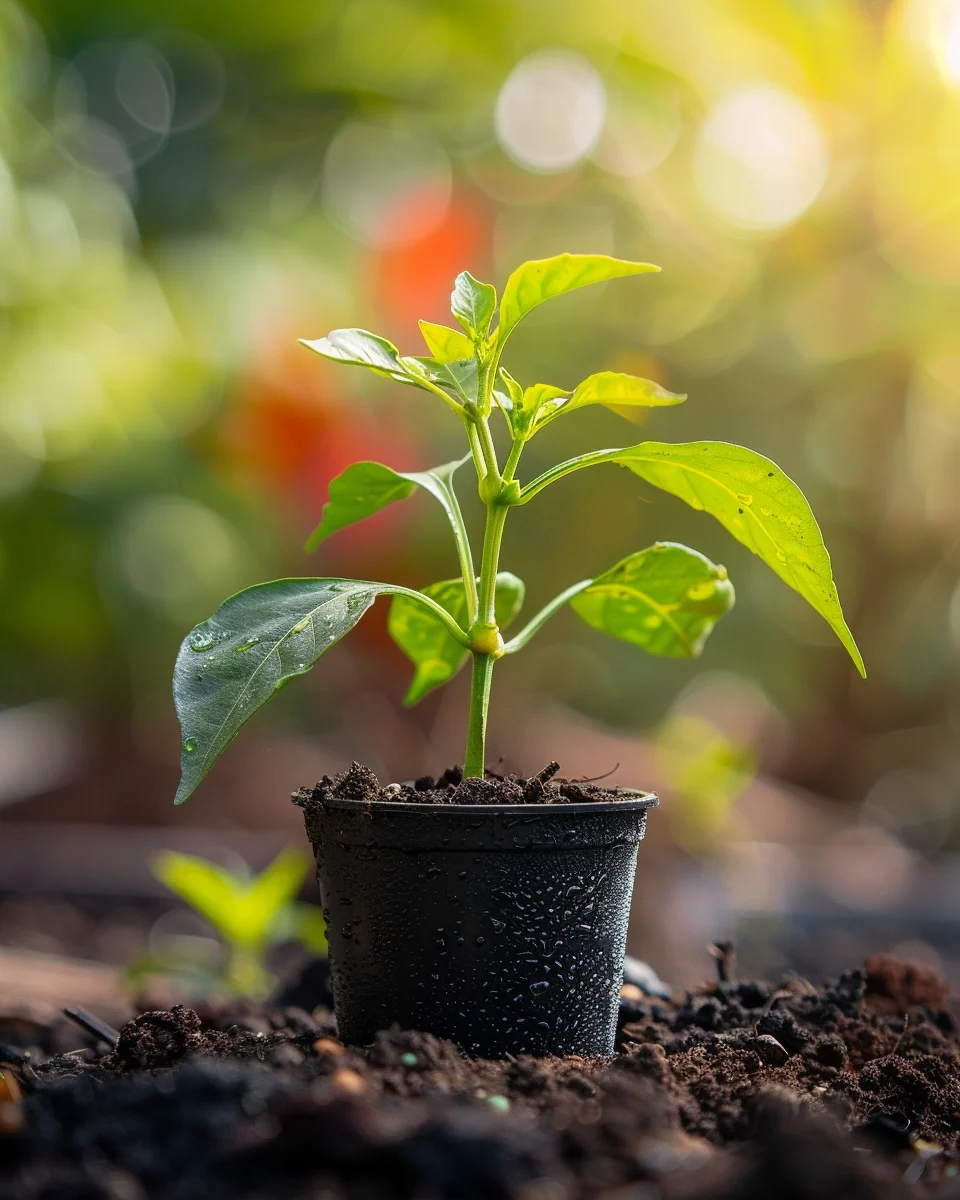
In cool temperate regions (USDA zones 4-6, UK northern areas), transplant seedlings outdoors from mid-May to early June when soil temperatures reach at least 16°C (60°F). For warm temperate regions (USDA zones 7-9, UK southern areas), mid-April to early May is typically suitable. Mediterranean and subtropical climates (USDA zones 10-11) can support transplanting as early as March. Direct sowing is generally not recommended for hot peppers in pots except in the warmest climates with long growing seasons. For indoor growing under grow lights, you can start hot peppers year-round, though natural light conditions are best from spring through fall.
Best how to grow hot peppers in small pots varieties to grow
- Thai Bird’s Eye – Compact growth habit makes it perfect for small pots while delivering intense heat in small, upright fruits.
- Habanero – Bushy, container-friendly plants that produce extremely hot, lantern-shaped peppers with tropical fruit undertones.
- Jalapeño – Reliable producer in pots with moderate heat and thick walls that are perfect for stuffing or pickling.
- Apache – Dwarf variety (30-45cm/12-18in tall) bred specifically for containers, producing dozens of medium-hot peppers.
- Cayenne – Slender plants adapt well to pot culture while producing long, thin peppers ideal for drying or powdering.
- Pequin – Naturally small plants with tiny, intensely hot peppers that grow upright like holiday lights.
- Basket of Fire – Cascading growth habit makes it perfect for hanging baskets with colorful, medium-hot fruits.
How to plant how to grow hot peppers in small pots
Materials needed:
- Containers (minimum 2-3 gallon/7.5-11L size with drainage holes)
- High-quality potting mix (not garden soil)
- Organic compost or worm castings
- Slow-release fertilizer (balanced NPK)
- Hot pepper seedlings or seeds
- Watering can with gentle spray
- Liquid seaweed or fish emulsion (optional)
Step-by-step planting:
- Select containers at least 25-30cm (10-12in) in diameter with multiple drainage holes.
- Fill containers with high-quality potting mix amended with 20% compost or worm castings.
- Mix in 1-2 tablespoons of slow-release fertilizer per container according to package directions.
- Make a hole in the center of each pot about the size of the seedling’s root ball.
- Gently remove seedling from its nursery container, taking care not to damage roots.
- Place seedling in the hole at the same depth it was growing previously (avoid burying the stem).
- Backfill with potting mix and firm gently around the plant base.
- Water thoroughly until moisture drains from the bottom of the pot.
- Apply a thin layer of mulch (1-2cm/0.5-1in) to retain moisture, keeping it away from the stem.
- Position pots in a sheltered, sunny location protected from strong winds.
How to grow how to grow hot peppers in small pots
Hot peppers require full sun to thrive in containers—aim for at least 6-8 hours of direct sunlight daily. South or west-facing positions typically provide optimal light conditions. Water when the top 2.5cm (1in) of soil feels dry, typically every 2-3 days during hot weather and less frequently in cooler conditions. Always water at the soil level to avoid wetting foliage. Feed with a liquid fertilizer high in phosphorus and potassium (like 5-10-10) every 2-3 weeks once plants begin flowering. For container peppers, avoid high-nitrogen fertilizers which promote leafy growth at the expense of fruit production.
Mulch with a thin layer of compost or coconut coir to retain moisture and regulate soil temperature. Pruning is beneficial for potted peppers—pinch the growing tips when plants reach 15-20cm (6-8in) tall to encourage bushier growth. For taller varieties, insert bamboo stakes at planting time and loosely tie stems as they grow. In containers, maintain at least 30-40cm (12-16in) between plants, or grow just one plant per pot for optimal air circulation and productivity.
Caring for how to grow hot peppers in small pots
Monitor soil moisture carefully—container peppers are vulnerable to both overwatering and underwatering. During flowering and fruiting, consistent moisture is crucial. Check for pests regularly, especially aphids, spider mites, and whiteflies which are attracted to pepper plants. Treat aphid infestations with a strong spray of water or insecticidal soap. For spider mites, increase humidity around plants and apply neem oil. Whiteflies can be managed with yellow sticky traps and regular leaf inspection.
Common diseases include powdery mildew (white powder on leaves) and blossom end rot (dark, sunken spots on fruit bottoms). Combat powdery mildew by improving air circulation and applying a baking soda spray (1 tsp baking soda, 1 tsp vegetable oil, and 1 drop of dish soap in 1 liter/quart of water). Prevent blossom end rot with consistent watering and calcium supplementation.
Harvest peppers when they reach full size and desired color—green peppers will eventually ripen to red, orange, yellow, or other colors depending on variety, becoming sweeter and often hotter. Use scissors to cut peppers from the plant rather than pulling them. Store fresh peppers in the refrigerator for 1-2 weeks or dry them for longer preservation.
Understanding bolting in how to grow hot peppers in small pots
Unlike leafy greens, hot peppers don’t bolt in the traditional sense. However, they can experience premature flowering and reduced vegetative growth under stress conditions. This stress response is triggered by extreme temperature fluctuations, drought, or nutrient deficiencies. When pepper plants flower too early, they often produce fewer and smaller fruits.
To prevent stress-induced premature flowering, maintain consistent watering schedules, protect plants from temperature extremes, and ensure adequate nutrition. If your pepper plants flower when they’re still very small, consider removing the earliest flowers to redirect energy into vegetative growth. Once the plant has developed a good framework of leaves and branches, allow subsequent flowers to develop into fruits.
Why does how to grow hot peppers in small pots turn bitter?
- Overripening – Some hot peppers develop bitter compounds if left on the plant too long after reaching full color; harvest promptly when peppers reach desired ripeness.
- Heat stress – Extreme temperatures above 35°C (95°F) can cause bitterness; provide afternoon shade during heatwaves.
- Inconsistent watering – Drought followed by heavy watering affects flavor development; maintain even soil moisture.
- Nutrient imbalance – Excessive nitrogen fertilizer can contribute to bitter flavors; switch to a bloom-promoting formula when plants start flowering.
- Genetic factors – Some varieties naturally contain more bitter compounds; try different varieties if bitterness persists despite good growing practices.
Companion planting for how to grow hot peppers in small pots
Even in containers, companion planting can benefit hot peppers. Consider these beneficial neighbors:
- Basil – Repels flies and mosquitoes while potentially improving pepper flavor and growth.
- Marigolds – Deter nematodes and other soil pests with their root secretions.
- Chives or Garlic – Help prevent aphids and other sap-sucking insects.
- Nasturtiums – Act as trap crops for aphids, protecting your pepper plants.
- Petunias – Not only ornamental but also repel leafhoppers and certain beetles.
Avoid planting hot peppers in containers with:
- Fennel – Secretes compounds that inhibit pepper plant growth.
- Brassicas (cabbage, broccoli, kale) – Compete for similar nutrients and can stunt pepper growth.
- Other nightshades (tomatoes, eggplants) – Can spread diseases between related plants when grown too closely.
Seasonal calendar
- January-February: Order seeds, prepare growing area, gather containers and supplies.
- March: Start seeds indoors under grow lights in warm locations (8-10 weeks before last frost).
- April: Continue caring for seedlings, begin hardening off in mild climates, prepare potting mix.
- May: Transplant seedlings to containers after last frost, apply initial fertilizer.
- June: Monitor for pests, maintain consistent watering, apply first liquid fertilizer.
- July-August: Continue regular feeding every 2-3 weeks, watch for first peppers forming, provide afternoon shade during extreme heat.
- September-October: Harvest main crop, reduce fertilizer, prepare to bring plants indoors in cold regions.
- November-December: In warm regions, continue harvesting; in cold regions, either discard plants or maintain them indoors under grow lights.
Note: In hot regions (USDA 9-11), start seeds 4-6 weeks earlier; in cool regions (USDA 4-5), delay outdoor planting until early June.
Problems & solutions
| Problem | Quick Fix |
|---|---|
| Yellowing leaves | Check for overwatering; ensure pot has good drainage; apply balanced liquid fertilizer. |
| Flowers dropping without forming fruit | Improve pollination by gently shaking plants daily; maintain temperatures between 21-32°C (70-90°F). |
| Stunted growth | Check for root binding; transplant to larger container; apply seaweed extract to reduce transplant shock. |
| Curling leaves | Look for aphids on leaf undersides; spray with insecticidal soap; check for extreme temperature fluctuations. |
| Small, deformed fruits | Ensure consistent pollination; apply calcium spray; maintain even soil moisture. |
| White powdery coating on leaves | Improve air circulation; apply milk spray (1 part milk to 9 parts water) or commercial fungicide. |
| Peppers not developing heat | Ensure hot temperatures; slightly stress plants with reduced watering once fruits form; allow full ripening. |
Common questions about growing how to grow hot peppers in small pots
Q: How often should I water my potted hot peppers?
A: Check soil moisture every 1-2 days by inserting your finger 2.5cm (1in) into the soil. Water when it feels dry at this depth, typically every 2-3 days in summer and less frequently in cooler weather. Always water thoroughly until it drains from the bottom.
Q: What’s the minimum pot size for growing hot peppers?
A: Use containers at least 25-30cm (10-12in) in diameter and 25cm (10in) deep, which equals roughly 7-11 liters (2-3 gallons). Smaller varieties like Thai Bird’s Eye can manage in 5-liter (1.5-gallon) pots, while larger types like habaneros need at least 11 liters (3 gallons).
Q: How much sunlight do container-grown hot peppers need?
A: Hot peppers require 6-8 hours of direct sunlight daily for optimal fruit production. In extremely hot climates, providing afternoon shade can prevent stress during the hottest part of the day.
Q: Can I overwinter my potted hot pepper plants?
A: Yes, many hot peppers are perennial in their native habitats. Bring containers indoors before temperatures drop below 10°C (50°F), place in a sunny window or under grow lights, reduce watering, and prune back by about one-third. They’ll often produce for 2-3 years with proper care.
Q: Why are my peppers not as hot as expected?
A: Heat level in peppers is influenced by temperature, water, and stress. For maximum heat, grow in hot conditions, slightly reduce watering once fruits form (without causing wilting), and allow peppers to fully ripen on the plant.
Q: How many pepper plants can I grow in one container?
A: For optimal yields, grow one plant per 7-11 liter (2-3 gallon) container. In larger containers (15+ gallons), you can grow multiple plants spaced 30-40cm (12-16in) apart, but individual yields may be reduced.
Q: Is it safe to use garden soil in containers for hot peppers?
A: No, garden soil compacts too easily in containers, leading to poor drainage and root problems. Always use commercial potting mix or make your own with equal parts compost, perlite, and coconut coir or peat moss.