
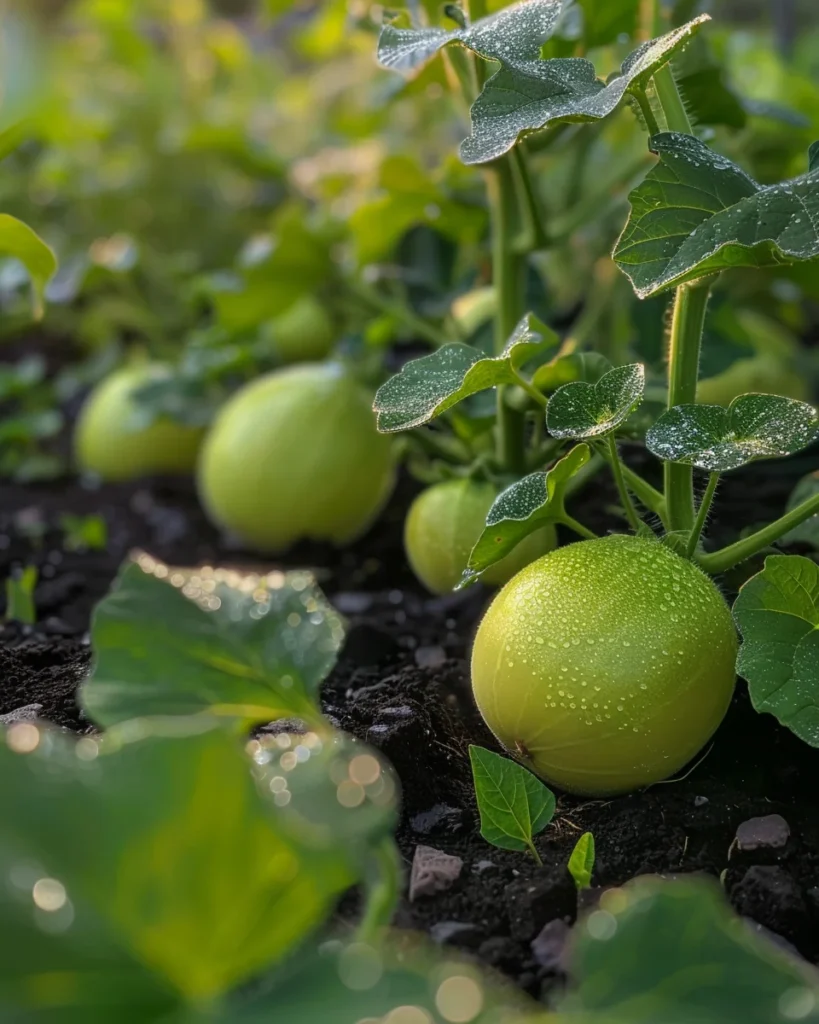
How to Grow Honeydew in Cool Climates: When to Plant, Best Varieties & Cold-Weather Success
Intro for growing honeydew in cool climates
Honeydew melons (Cucumis melo) are sweet, juicy fruits typically associated with warm-weather growing regions, but with the right techniques and varieties, you can successfully grow them in cooler climates too. These pale green melons with their distinctive honey-sweet flavor are packed with vitamins C and B6, potassium, and dietary fiber. While honeydews naturally thrive in Mediterranean-type climates, gardeners in cooler regions (UK, northern US, Canada) can cultivate these delicious melons by creating microclimates, selecting cold-tolerant varieties, and employing season-extension techniques. With proper planning and care, you can enjoy homegrown honeydew even in areas with shorter growing seasons.
When to plant honeydew in cool climates
In cool climates, timing is crucial for honeydew success. Wait until all danger of frost has passed and soil temperatures have reached at least 18°C (65°F) consistently. Honeydew seeds won’t germinate well in cold soil, and young plants are extremely frost-sensitive. In most cool temperate regions, this means waiting until late spring to early summer for planting outdoors. For areas with very short growing seasons (less than 80 frost-free days), start seeds indoors 3-4 weeks before your last expected frost date to give plants a head start.
Best time to plant honeydew in cool climates
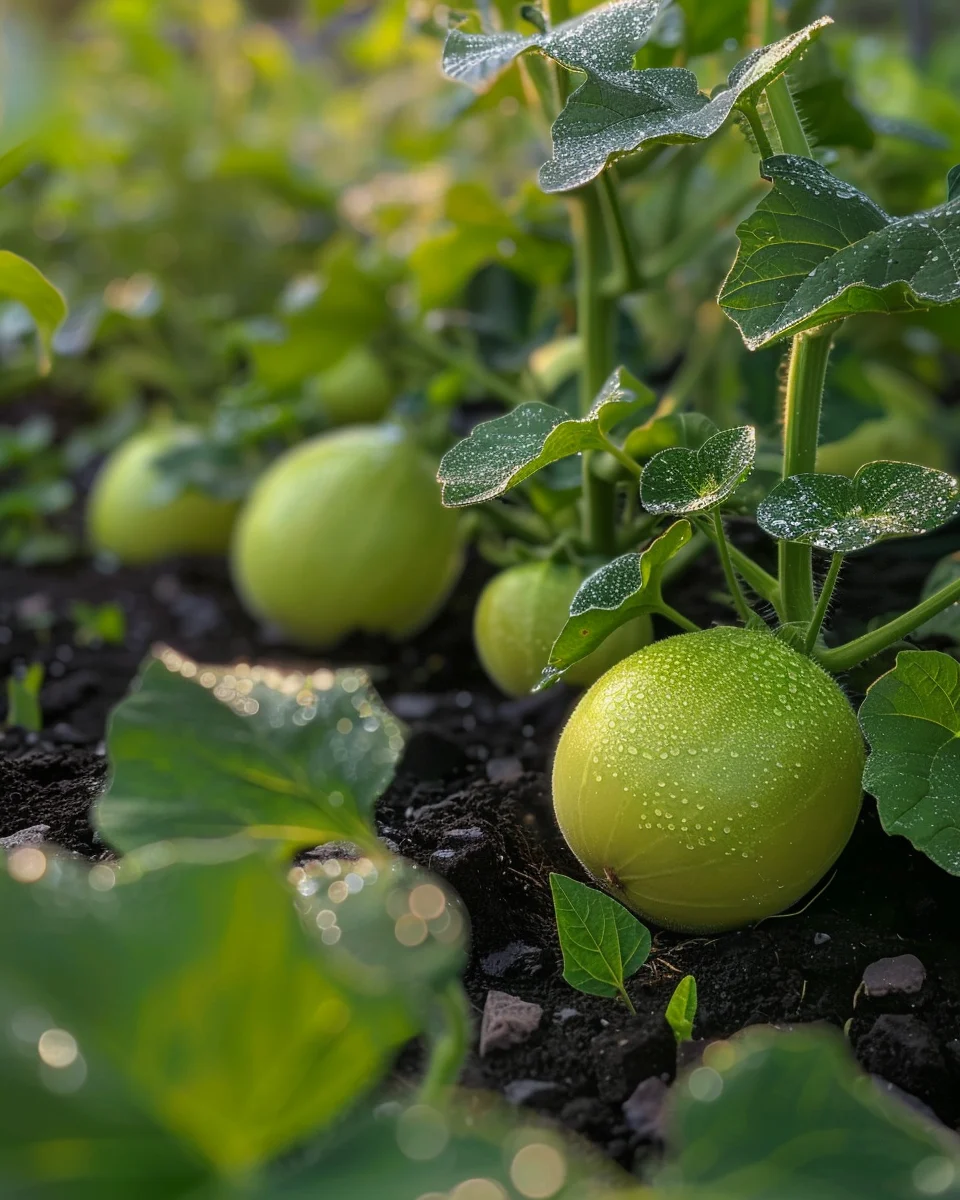
For cool climate regions (UK, northern US zones 3-6, Canada), the optimal planting window is typically mid-to-late May through early June for transplants, or early-to-mid June for direct sowing. In slightly milder areas (US zones 6-7), you might plant as early as late April to early May with protection. Start seeds indoors in biodegradable pots 3-4 weeks before your intended transplant date. For container growing, you can start even earlier if you can bring containers indoors during cold nights. Always check your local frost dates and adjust accordingly—honeydew needs a minimum of 75-90 frost-free days to reach maturity.
Best honeydew varieties to grow in cool climates
- Minnesota Midget – Ultra-early variety (65-70 days) specifically bred for northern gardens with small but sweet 4-inch fruits.
- Earlidew – Early-maturing (75 days) with good cold tolerance and medium-sized fruits with excellent flavor.
- Honey Orange – Quick-maturing (80 days) with orange flesh, exceptionally sweet and performs well in cooler conditions.
- Pixie – Compact plants ideal for containers or small spaces, with personal-sized fruits that mature in just 70-75 days.
- Honey Pearl – Disease-resistant variety with creamy white flesh that performs relatively well in cooler, damper conditions.
- Diplomat – Hybrid variety with good disease resistance and relatively short season (80-85 days) for a full-sized honeydew.
- Sweet Delight – Slightly more cold-tolerant than standard varieties with excellent sweetness even in less-than-ideal conditions.
How to plant honeydew in cool climates
Materials needed:
- Honeydew seeds or transplants
- Compost or well-rotted manure
- Garden fork or tiller
- Black plastic mulch (optional but recommended)
- Cloches, row covers, or mini-greenhouses
- Thermometer for soil temperature
- Trowel
- Watering can or hose with gentle spray
Step-by-step planting:
- Select the warmest, most sheltered spot in your garden with full sun exposure (minimum 8 hours daily).
- Prepare soil 2-3 weeks before planting by incorporating plenty of compost or well-rotted manure to improve drainage and fertility.
- Create raised mounds or hills about 20-25 cm (8-10 inches) high and 90-120 cm (3-4 feet) in diameter to improve drainage and soil warming.
- For extra warmth, cover the planting area with black plastic mulch for 1-2 weeks before planting to pre-warm the soil.
- Cut holes in the plastic for planting, or remove it just before planting if not using as season-long mulch.
- Plant 3-4 seeds per hill about 2.5 cm (1 inch) deep, or set one transplant per hill.
- Space hills 90-120 cm (3-4 feet) apart in rows 150-180 cm (5-6 feet) apart.
- Water thoroughly but gently after planting to avoid washing away seeds.
- Cover newly planted areas with cloches, row covers, or mini-greenhouses to create a warmer microclimate.
- Once seedlings emerge and establish (or immediately for transplants), thin to the strongest 2 plants per hill.
How to grow honeydew in cool climates
Sunlight is critical for honeydew in cool climates—ensure plants receive at least 8 hours of direct sunlight daily. Consider using reflective mulch to maximize light exposure. Water consistently, providing 2.5-5 cm (1-2 inches) weekly, but avoid overhead watering which can promote disease in cool conditions. Apply a balanced organic fertilizer (5-10-10) at planting time, then switch to a lower-nitrogen, higher-phosphorus and potassium fertilizer once flowering begins to encourage fruit development.
Mulch around plants with black plastic to warm the soil and conserve moisture. In particularly cool areas, create additional heat by placing water-filled plastic bottles painted black near plants to absorb heat during the day and release it at night. For container growing, use minimum 40-50 liter (10-13 gallon) containers with excellent drainage, and position in the warmest, most sheltered location available—against a south-facing wall is ideal.
Train vines onto trellises to maximize sun exposure and save space, supporting developing fruits with slings made from old t-shirts or pantyhose. Remove any fruits that set late in the season to focus the plant’s energy on ripening the earlier melons.
Caring for honeydew in cool climates
Monitor plants daily in cool climates, as problems can develop quickly. Remove row covers during flowering to allow pollinator access, but be prepared to replace them during cold snaps. Hand-pollinate flowers in the morning using a small paintbrush if bee activity is low due to cool weather. Common pests include cucumber beetles and aphids—control with insecticidal soap or neem oil. Watch for powdery mildew, which thrives in cool, damp conditions; prevent by improving air circulation and applying a milk spray (1 part milk to 9 parts water) weekly.
Harvest honeydew when the skin turns creamy-yellow (not green), the blossom end yields slightly to pressure, and a sweet aroma is detectable. Most varieties will slip from the vine when ripe, but in cool climates, you may need to harvest slightly earlier and allow to ripen indoors. Store harvested melons at room temperature until fully ripe, then refrigerate for up to 5-7 days.
Understanding bolting in honeydew
Unlike leafy greens, honeydew melons don’t bolt in the traditional sense. However, they can experience premature flowering and fruit set when stressed, which results in smaller, less flavorful melons. This stress response is typically triggered by temperature fluctuations, particularly cold nights followed by warm days. To prevent this stress response, maintain consistent growing conditions by using row covers at night and removing them during warm days. If plants flower too early when still small, remove the first few female flowers (those with tiny fruits behind the blossom) to allow the plant to develop more foliage before setting fruit. This ensures the plant has enough leaf area to produce the sugars needed for sweet, well-developed melons.
Why does honeydew turn bitter?
- Insufficient heat – Honeydew needs consistent warmth to develop sugars; use black plastic mulch and row covers to increase heat.
- Irregular watering – Stress from drought followed by heavy watering causes bitterness; maintain consistent soil moisture with mulch and regular watering.
- Harvested too early – Immature melons taste bitter; wait until skin turns creamy-yellow and gives slightly to pressure at the blossom end.
- Poor pollination – Incomplete pollination leads to misshapen, bitter fruits; hand-pollinate in cool weather when bee activity is low.
- Nutrient imbalance – Too much nitrogen promotes foliage at the expense of fruit quality; switch to low-nitrogen fertilizer once flowering begins.
Companion planting for honeydew in cool climates
Strategic companion planting can create microclimates and improve growing conditions for honeydew in cool areas:
- Corn – Provides a natural windbreak and creates a warmer microclimate for melons planted on the south side.
- Nasturtiums – Attract pollinators and deter cucumber beetles and aphids while covering the ground to retain heat.
- Marigolds – Repel nematodes and other soil pests while their dark foliage absorbs heat.
- Sunflowers – Plant on the north side to reflect light and heat toward melons while providing wind protection.
- Radishes – Quick-growing companions that can mark rows and break up soil before melons develop extensive root systems.
Avoid planting honeydew near:
- Potatoes – Compete for nutrients and can transmit diseases to melons.
- Aromatic herbs (rosemary, sage) – May inhibit melon growth and repel beneficial pollinators.
- Other cucurbits – When space is limited, as they compete for the same nutrients and can cross-pollinate (though this only affects saved seeds, not current fruit).
Seasonal calendar
- February-March: Start seeds indoors in biodegradable pots in warm locations (only in very short-season areas).
- April: Prepare garden beds with compost and install black plastic to pre-warm soil. Start seeds indoors in most cool climate regions.
- May: Harden off seedlings gradually. Transplant outdoors under protection in late May if soil temperature reaches 18°C (65°F).
- June: Direct sow seeds or transplant seedlings once soil is consistently warm. Install supports if trellising.
- July: Apply side dressing of low-nitrogen fertilizer as flowers appear. Begin hand-pollinating if needed.
- August: Remove late-setting fruits to focus plant energy. Begin harvesting early varieties.
- September: Main harvest period for most varieties in cool climates. Protect from early frosts with covers.
- October: Harvest any remaining fruits before first hard frost, even if not fully ripe, and allow to ripen indoors.
Problems & solutions
| Problem | Quick Fix |
|---|---|
| Cold soil slowing growth | Use black plastic mulch, cloches, or water-filled black containers near plants to increase heat absorption |
| Poor fruit set | Hand-pollinate flowers in the morning using a small paintbrush to transfer pollen between flowers |
| Powdery mildew on leaves | Improve air circulation, avoid overhead watering, and spray with a solution of 1 part milk to 9 parts water |
| Fruits not ripening | Remove some foliage to increase sun exposure to fruits and reduce watering to concentrate sugars |
| Fruits rotting on ground | Place fruits on upturned pots, straw mulch, or use fruit slings if trellising |
| Cucumber beetles damaging plants | Cover young plants with row covers until flowering, then use yellow sticky traps and neem oil spray |
| Early frost threatening crop | Cover plants with blankets or row covers overnight; harvest any nearly-mature fruits to ripen indoors |
Common questions about growing honeydew in cool climates
How much water do honeydew melons need in cool climates?
In cool climates, honeydew requires about 2.5-5 cm (1-2 inches) of water weekly, but water needs are lower than in hot regions. Water at soil level in the morning to allow foliage to dry, reducing disease risk. Reduce watering when fruits begin to ripen to concentrate sugars and improve flavor.
Can I grow honeydew in containers in cool climates?
Yes, containers are excellent for honeydew in cool climates as they warm up faster than ground soil. Use minimum 40-50 liter (10-13 gallon) containers with excellent drainage. Position against a south-facing wall for maximum heat reflection and consider using black containers to absorb more heat.
How do I know when honeydew is ripe in cooler regions?
In cool climates, honeydew may not display all typical ripening signs. Look for skin color changing from green to creamy-yellow, a slight give at the blossom end when pressed, and a subtle sweet aroma. If frost threatens before full ripening, harvest and allow to ripen indoors at room temperature.
How much space do honeydew plants need?
When grown on the ground, space hills 90-120 cm (3-4 feet) apart in rows 150-180 cm (5-6 feet) apart. If trellised vertically, you can reduce row spacing to about 90 cm (3 feet). Compact varieties like ‘Pixie’ or ‘Minnesota Midget’ can be grown with slightly closer spacing.
Do honeydew melons need a lot of sunlight in cool climates?
Yes, maximum sunlight is crucial in cool climates—aim for at least 8 hours of direct sun daily. Plant on south-facing slopes if possible, and consider using reflective mulch to increase light exposure. Trellising vines also helps maximize sun exposure to both plants and developing fruits.
How can I speed up honeydew ripening in cool climates?
To accelerate ripening, reduce watering slightly when fruits reach full size, remove any new flowers and fruits that won’t have time to mature, prune some foliage to increase sun exposure to fruits, and place ripening melons on black plastic to absorb more heat. If necessary, harvest nearly-mature fruits and ripen indoors.
Can I save seeds from honeydew grown in cool climates?
Yes, but only from open-pollinated varieties (not hybrids), and only from the earliest, best-performing plants. This will help develop a strain better adapted to your cool climate over several generations. Ensure fruits are fully mature before harvesting seeds, then ferment, clean, and dry them thoroughly before storage.