
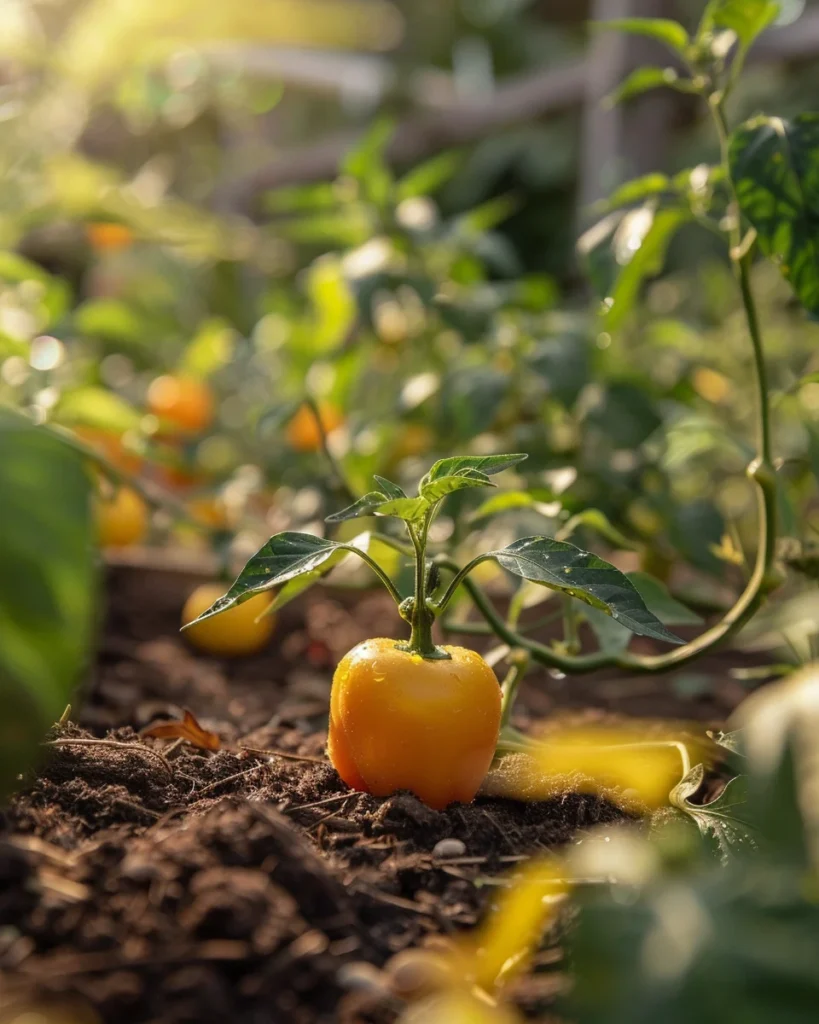
How to Grow Habanero Peppers with Caution: When to Plant, Best Varieties & Safety Tips
Intro for how to grow habanero peppers with caution
Habanero peppers (Capsicum chinense) are among the hottest peppers home gardeners can grow, measuring 100,000-350,000 Scoville Heat Units. These fiery fruits add incredible flavor and heat to dishes, but require careful handling during both growing and harvesting. Native to the Amazon region, habaneros thrive in warm, sunny conditions and produce abundantly in temperate to tropical climates. While they demand patience—taking 75-100 days to mature—they reward gardeners with colorful, flavorful peppers that can be used fresh, dried, or in hot sauces. This guide will help you successfully grow these potent peppers while taking necessary precautions to handle their extreme heat safely.
When to plant habanero peppers with caution
Habanero peppers require consistently warm conditions to thrive. Wait until all danger of frost has passed and soil temperatures have reached at least 18-21°C (65-70°F). In most temperate regions, this means waiting 2-3 weeks after the last spring frost date. Habaneros are extremely frost-sensitive and will suffer damage or die if exposed to temperatures below 10°C (50°F). For gardeners in cooler climates (UK, Northern US, Canada), consider starting seeds indoors 8-10 weeks before your last frost date to give these long-season peppers enough time to mature.
Best time to plant habanero peppers with caution
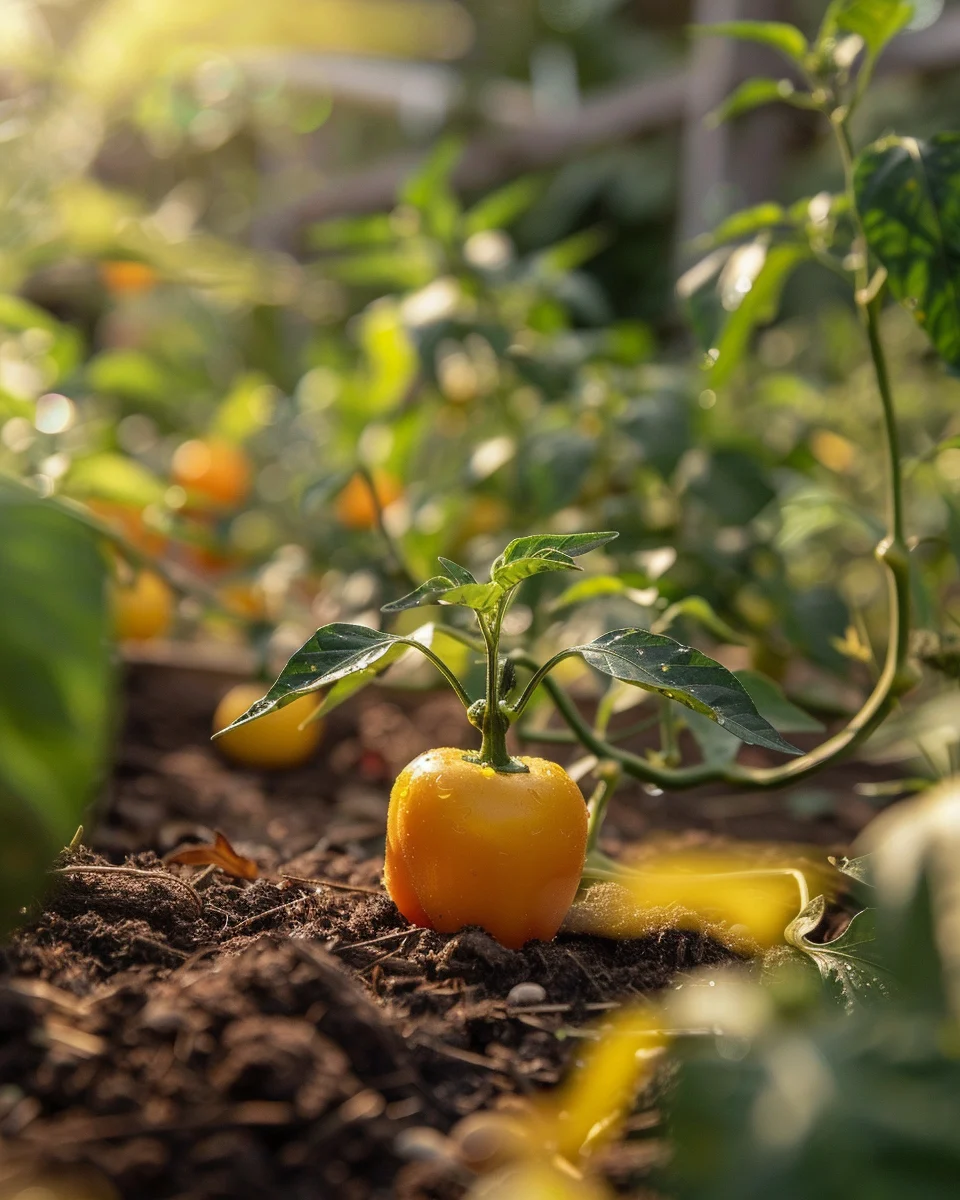
In warm regions (US Zones 8-11, Mediterranean climates), plant habaneros outdoors from mid-April through May. In cooler temperate regions (US Zones 5-7, UK), wait until late May or early June when nighttime temperatures consistently stay above 12°C (55°F). For indoor seed starting, sow seeds in February to early March for most temperate regions. Transplant seedlings outdoors only when nighttime temperatures remain reliably warm. In tropical regions, habaneros can be planted year-round, though they may produce less during extremely hot or rainy seasons.
Best habanero pepper varieties to grow
- Red Caribbean – The classic habanero with excellent heat and fruity flavor, maturing to bright red.
- Orange Habanero – Slightly less heat than red varieties with distinctive citrus notes and high productivity.
- Chocolate Habanero – Rich brown color with deeper, more complex flavor and significant heat.
- White Habanero – Rare variety with cream-colored fruits and intense heat, excellent for container growing.
- Habanero Maya Red – Earlier maturing variety (70-75 days), making it suitable for shorter growing seasons.
- Mustard Habanero – Unique yellow-brown fruits with fruity flavor and moderate habanero heat.
- Habanada – Heatless habanero with all the tropical flavor but none of the burn, perfect for cautious gardeners.
How to plant habanero peppers with caution
Materials needed: Habanero seedlings or seeds, well-draining potting soil, compost, gloves, garden trowel, watering can, plant labels, row covers (optional), organic fertilizer.
- Select a planting location that receives 6-8 hours of direct sunlight daily with protection from strong winds.
- Prepare soil by incorporating 2-3 inches of compost and ensuring good drainage; habaneros hate wet feet.
- Dig holes approximately 30-45 cm (12-18 inches) apart in rows spaced 60-75 cm (24-30 inches) apart.
- If starting from seed outdoors (warm climates only), plant seeds 0.6 cm (¼ inch) deep and thin seedlings later.
- For transplants, dig holes slightly larger than the root ball and plant at the same depth as they were in their containers.
- Water thoroughly after planting, providing about 2.5 cm (1 inch) of water to settle the soil around roots.
- Apply a 5 cm (2 inch) layer of mulch around plants, keeping it away from stems to prevent rot.
- Install plant supports if needed, as fruit-laden habanero plants can become top-heavy.
- Label varieties clearly, especially if growing multiple types of hot peppers.
- Consider using row covers in cooler regions to maintain warmth during establishment.
How to grow habanero peppers with caution
Habaneros require full sun, ideally 8+ hours daily. In extremely hot regions, light afternoon shade can prevent sunscald. Water deeply but infrequently, allowing the top 2.5 cm (1 inch) of soil to dry between waterings. Typically, this means 2-3 waterings per week in warm weather, adjusting for rainfall. Fertilize sparingly—too much nitrogen produces lush foliage at the expense of fruit. Apply a balanced organic fertilizer (5-5-5) when planting, then switch to a phosphorus-rich formula (5-10-10) when flowering begins.
For container growing, use minimum 5-gallon (19-liter) pots with excellent drainage. Containers may need daily watering during hot weather. Pinch growing tips when plants reach 15 cm (6 inches) tall to encourage bushier growth. When handling plants, always wear gloves—oils from habanero plants can irritate skin and eyes even before peppers form. Provide support with small tomato cages or stakes if plants become heavy with fruit.
Caring for habanero peppers with caution
Monitor soil moisture consistently, as drought stress followed by heavy watering can cause blossom end rot or fruit splitting. Watch for aphids, spider mites, and whiteflies—treat infestations early with insecticidal soap or neem oil. Bacterial spot appears as water-soaked lesions on leaves and fruits; remove affected parts and avoid overhead watering. Powdery mildew can develop in humid conditions—improve air circulation and apply organic fungicides if necessary.
Harvest habaneros when they’ve fully changed color (orange, red, chocolate, etc.) using scissors or pruners while wearing gloves. NEVER touch your face, eyes, or other sensitive areas after handling habaneros without thoroughly washing hands with soap. Store harvested peppers in the refrigerator for 1-2 weeks or freeze whole for longer preservation. For seed saving, select fully mature peppers from your healthiest plants.
Understanding bolting in habanero peppers
Unlike leafy greens, habanero peppers don’t truly bolt—they’re designed to flower and produce fruit. However, they can experience premature flowering when stressed, resulting in smaller plants with reduced yields. This stress response is typically triggered by temperature fluctuations, particularly cold snaps below 10°C (50°F) followed by heat. Drought stress can also cause early flowering. To prevent stress-induced premature flowering, maintain consistent temperatures, water regularly, and provide wind protection. If plants flower when very small, pinch off early blooms to encourage more vegetative growth before allowing the plant to fruit.
Why does habanero pepper turn bitter?
- Overripening – Peppers left too long on the plant can develop bitter compounds; harvest when fully colored but still firm.
- Heat stress – Extreme temperatures above 35°C (95°F) for extended periods can cause bitterness; provide afternoon shade in very hot climates.
- Inconsistent watering – Drought followed by heavy watering affects flavor development; maintain even soil moisture.
- Nutrient imbalance – Excessive nitrogen fertilizer can contribute to bitter flavors; use balanced or low-nitrogen formulas.
- Cross-pollination – While rare, cross-pollination with certain other peppers can affect flavor; isolate habaneros if growing for seed.
Companion planting for habanero peppers
Good companions:
- Basil – Repels flies and mosquitoes while potentially improving pepper flavor.
- Marigolds – Deter nematodes and other soil pests that can damage pepper roots.
- Oregano – Provides ground cover that retains moisture and deters pests.
- Carrots – Use soil at different depths, maximizing garden space without competition.
- Onions and garlic – Help repel aphids and other pests that commonly attack peppers.
Avoid planting near:
- Fennel – Secretes compounds that inhibit growth of many plants, including peppers.
- Brassicas (cabbage, broccoli, kale) – Compete for similar nutrients and can stunt pepper growth.
- Other nightshades (tomatoes, eggplants) – Share diseases and pests; avoid in small gardens or rotate crops.
Seasonal calendar
- January-February: Order seeds, prepare indoor growing setup (temperate regions).
- March: Start seeds indoors 8-10 weeks before last frost (cool regions); direct sow in frost-free areas.
- April: Continue indoor growing; harden off seedlings in warm regions; transplant in zones 9-11.
- May: Transplant seedlings in zones 7-8 after last frost; continue hardening off in cooler areas.
- June: Final transplanting in zones 5-6; apply first fertilizer; mulch plants.
- July: Monitor for pests and diseases; provide consistent water; apply second fertilizer when flowering.
- August-September: Begin harvesting in most regions; continue pest monitoring.
- October: Final harvests in northern regions; continue harvesting in warm climates.
- November-December: Remove plants after frost in temperate regions; continue growing in zones 9-11.
Problems & solutions
| Problem | Quick Fix |
|---|---|
| Flowers dropping without forming fruit | Temperatures too high (above 35°C/95°F) or too low (below 15°C/60°F); improve temperature conditions or hand-pollinate flowers. |
| Yellow leaves | Usually indicates overwatering; reduce frequency and ensure good drainage. |
| Stunted growth | Cold soil or nights; use black plastic mulch to warm soil and protect from cool nights. |
| Sunscald (white/tan patches on peppers) | Provide partial shade during intense afternoon sun or ensure adequate leaf coverage. |
| Blossom end rot (black bottom on fruits) | Calcium deficiency from inconsistent watering; maintain even moisture and add calcium with crushed eggshells. |
| Skin irritation from handling plants | Always wear gloves when working with habaneros and wash hands thoroughly afterward. |
Common questions about growing habanero peppers with caution
How often should I water habanero peppers?
Water deeply when the top inch of soil feels dry, typically 2-3 times weekly in warm weather. Container plants may need daily watering during hot spells. Consistent moisture is key—avoid cycles of drought and flooding.
Can habanero peppers grow in partial shade?
While habaneros prefer full sun (6-8 hours minimum), they can tolerate partial shade in very hot climates. However, less sun means fewer peppers and potentially reduced heat levels in the fruits that do develop.
What size container is best for growing habaneros?
Use containers at least 5 gallons (19 liters) in volume with excellent drainage. Larger 7-10 gallon (26-38 liter) containers are even better, allowing for more extensive root development and greater stability.
How do I safely handle habanero peppers during harvest?
Always wear disposable gloves when harvesting and processing habaneros. Use scissors or pruners rather than pulling fruits. Avoid touching your face, and wash hands thoroughly with soap after handling, even if you wore gloves. Consider wearing eye protection when harvesting large quantities.
How long does it take habanero peppers to turn from green to orange/red?
After peppers reach full size, color change typically takes 2-4 additional weeks, depending on temperature and sunlight. Total time from flower to fully colored fruit is approximately 80-100 days.
Can I grow habaneros indoors year-round?
Yes, with sufficient light (14-16 hours from grow lights), temperatures between 21-29°C (70-85°F), and good air circulation. Indoor plants typically produce fewer peppers but can provide harvests throughout winter in cold climates.
Are habanero plants perennial?
In frost-free regions (zones 10-11), habaneros can grow as perennials for 3-5 years. In colder areas, they’re grown as annuals or can be overwintered indoors in containers, though production typically decreases in subsequent years.