
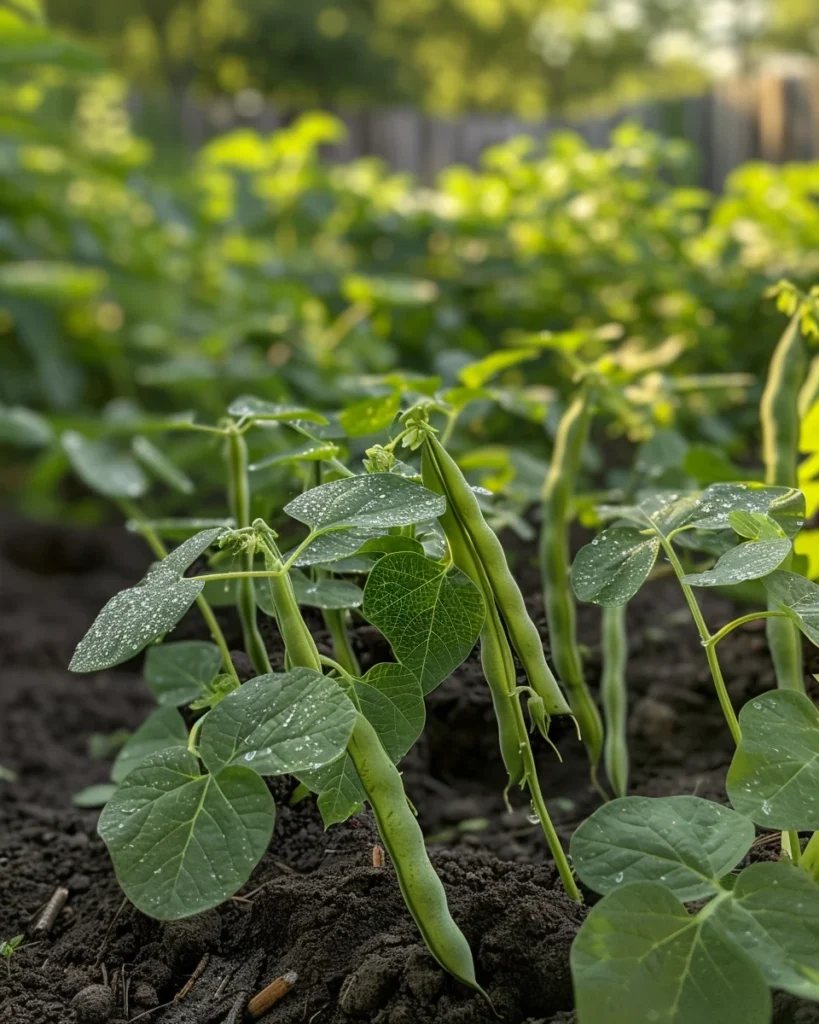
How to Grow Green Beans on Teepees: A Space-Saving Method for Abundant Harvests
Intro for growing green beans on teepees
Growing green beans on teepees is a traditional, space-efficient gardening technique that transforms your vegetable patch into a productive vertical garden. This method not only maximizes your growing area but also creates an attractive garden feature. Green beans (Phaseolus vulgaris) are perfect candidates for teepee structures as they naturally climb and twine, producing abundant harvests that are easy to pick. Suitable for gardens of all sizes—from small urban plots to larger country gardens—bean teepees work well in most temperate climates. This approach improves air circulation around plants, reduces disease pressure, and makes harvesting a breeze while adding architectural interest to your garden.
When to plant green beans on teepees
Green beans are warm-season crops that thrive when soil and air temperatures have sufficiently warmed. Wait until all danger of frost has passed and soil temperatures have reached at least 15-18°C (60-65°F). In most temperate regions, this typically means waiting until 2-3 weeks after your last spring frost date. Green beans are frost-sensitive, so early plantings may need protection if unexpected cold snaps occur. For gardeners in cooler regions (UK, Northern US, Canada), consider starting with black plastic mulch to warm the soil faster. In warmer Mediterranean or southern US climates (Zones 8-10), you can often plant earlier and may even manage a fall crop by sowing in late summer.
Best time to plant green beans on teepees
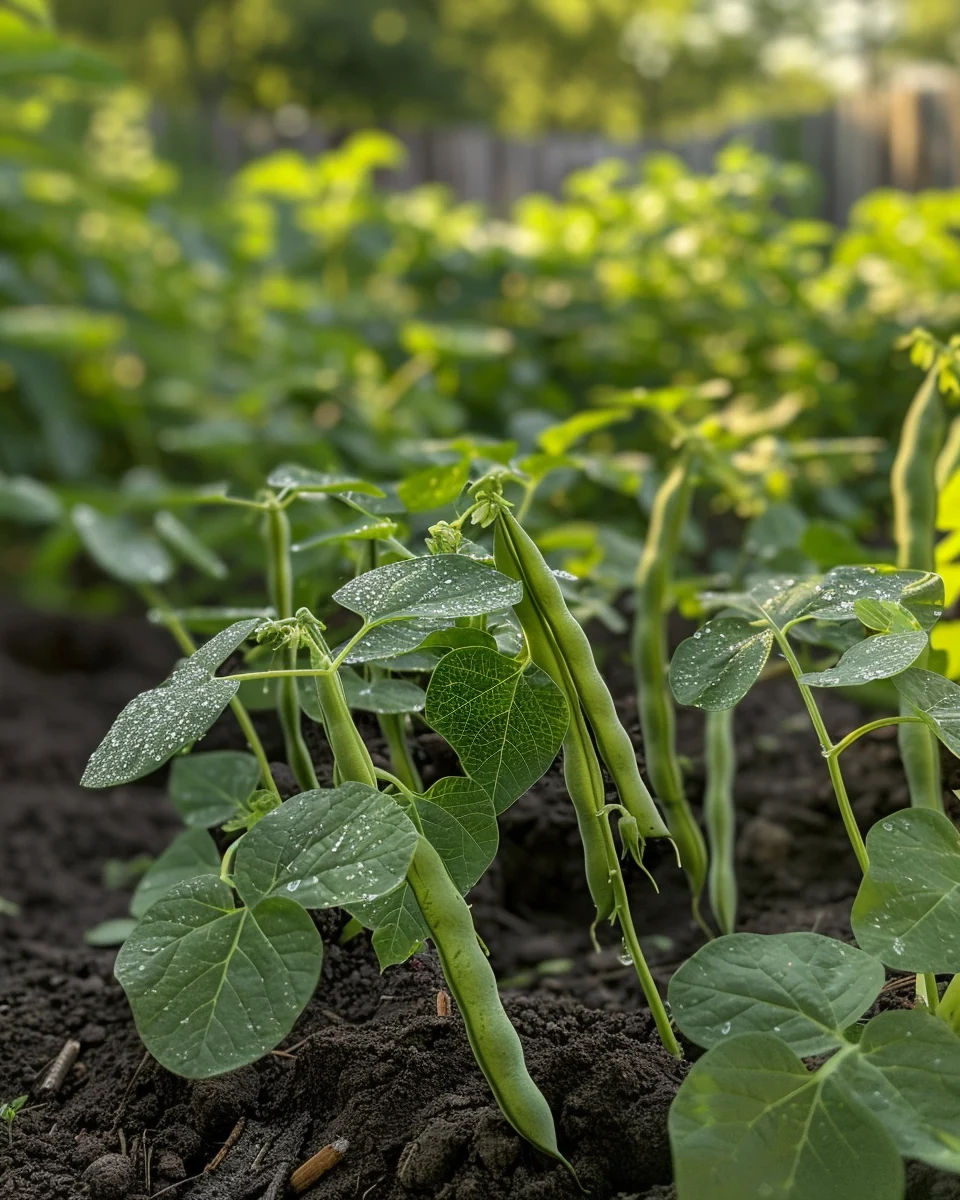
For cool-temperate regions (UK, Northern Europe, US Zones 3-5), plant green beans from mid-May through early June when soil has reliably warmed. In moderate climates (US Zones 6-7), the ideal window is late April to mid-May. Warm-climate gardeners (US Zones 8-10, Mediterranean) can plant as early as March or April and again in August for a fall crop. Pole beans for teepees are almost always direct-sown rather than transplanted, as they dislike root disturbance. For an extended harvest, consider succession planting by sowing new seeds every 2-3 weeks until about 10-12 weeks before your first fall frost date.
Best green bean varieties to grow on teepees
- Kentucky Wonder – A classic heirloom pole bean with exceptional flavor and reliable productivity over a long season.
- Blue Lake – Known for stringless pods and excellent canning quality; maintains tenderness even when pods grow large.
- Scarlet Runner – Produces beautiful red flowers that attract pollinators before developing tasty beans; excellent in cooler climates.
- Rattlesnake – Heat-tolerant variety with distinctive purple-streaked pods and excellent drought resistance.
- Fortex – Gourmet French filet-type bean producing extra-long pods (up to 11 inches) with exceptional flavor.
- Purple Podded – Striking purple pods (that turn green when cooked) make harvesting easy to spot against green foliage.
- Lazy Housewife – Historic variety dating to the 1800s, known for being stringless and easy to prepare.
How to plant green beans on teepees
Materials needed:
- 6-8 bamboo poles, wooden stakes, or branches (2-2.5m/6-8ft long) per teepee
- Garden twine or natural jute
- Green bean seeds
- Compost or aged manure
- Garden trowel
- Watering can or hose with gentle spray attachment
- Garden gloves
Step-by-step planting:
- Select a sunny location that receives at least 6-8 hours of direct sunlight daily.
- Prepare the soil by removing weeds and incorporating 2-3 inches of compost or aged manure.
- Arrange 6-8 poles in a circle approximately 3-4 feet (90-120cm) in diameter, pushing them about 6 inches (15cm) into the soil.
- Gather the tops of the poles together and secure firmly with garden twine, creating a teepee structure.
- Add horizontal support strings between poles about every 12 inches (30cm) to give young vines additional climbing support.
- Plant 6-8 bean seeds around the base of each pole, approximately 1 inch (2.5cm) deep and 2 inches (5cm) away from the pole.
- Water thoroughly but gently to avoid washing away seeds.
- Once seedlings emerge (usually 7-10 days), thin to the strongest 3-4 plants per pole.
- Apply a 2-inch (5cm) layer of mulch around plants, keeping it away from direct contact with stems.
- Guide young seedlings toward the poles if they don’t naturally find them within the first week of climbing.
How to grow green beans on teepees
Green beans on teepees require full sunlight (6-8 hours minimum) for optimal production. Water consistently, providing 1-1.5 inches (2.5-4cm) of water weekly, increasing during hot, dry periods. Beans prefer steady moisture but not waterlogged conditions. As legumes, green beans fix their own nitrogen, so fertilizing needs are minimal. Apply a balanced organic fertilizer (5-5-5) at planting time, then switch to a lower-nitrogen formula (like 3-6-4) once plants begin flowering to encourage pod production rather than leaf growth.
Mulch with 2-3 inches (5-8cm) of straw, shredded leaves, or compost to retain moisture and suppress weeds. Check regularly that young vines are finding their way up the poles—you may need to gently guide them initially. Once established, pole beans will climb vigorously. For container growing, use a minimum 5-gallon (20L) pot per teepee with excellent drainage, and monitor soil moisture more frequently as containers dry out faster than garden soil.
Caring for green beans on teepees
Regular harvesting is essential for continued production—pick beans every 2-3 days once they begin producing. The more you harvest, the more the plants will produce. Watch for common pests like bean beetles, aphids, and spider mites. For bean beetles, handpick and drop in soapy water; for aphids and spider mites, spray with a strong stream of water or insecticidal soap. Bean plants may develop powdery mildew or bacterial blight in humid conditions—improve air circulation by thinning plants if needed and avoid overhead watering.
Harvest beans when they’re young and tender, before seeds inside become prominent. Most varieties are ready when pods are about the thickness of a pencil. For storage, refrigerate unwashed beans in a perforated plastic bag for up to one week. For longer storage, blanch and freeze, or consider pressure canning (never water-bath can green beans as they’re low-acid vegetables).
Understanding bolting in green beans
Unlike leafy greens, green beans don’t technically “bolt” in the traditional sense of prematurely producing flowers and seeds. However, they can experience stress-related issues that affect production. Extreme heat (consistently above 90°F/32°C) can cause flowers to drop without setting pods. Drought stress can similarly reduce yields or cause tough, fibrous pods. To prevent heat-related problems, maintain consistent soil moisture, apply mulch to keep root zones cool, and consider providing afternoon shade in extremely hot climates. If plants stop producing during a heatwave, keep them watered and they’ll often resume production when temperatures moderate.
Why does green beans turn bitter?
- Overmaturity – Beans left too long on the vine develop seeds that cause bitterness; harvest when pods are young and tender.
- Heat stress – Extended periods above 90°F (32°C) can cause biochemical changes resulting in bitter compounds; provide afternoon shade in hot climates.
- Variety characteristics – Some heirloom varieties naturally have stronger flavors; try different varieties if bitterness is consistent.
- Disease pressure – Certain viral or bacterial infections can alter bean flavor; remove and destroy affected plants.
- Chemical exposure – Drift from herbicides or pesticides can cause off-flavors; avoid chemical applications near edible gardens.
Companion planting for green beans on teepees
Green beans make excellent garden companions for many plants. Plant corn nearby for mutual support (beans can climb corn stalks if teepees aren’t available). Grow aromatic herbs like rosemary, summer savory, and dill to repel bean beetles. Carrots and beets work well planted around the base of bean teepees, utilizing the space efficiently. Potatoes also benefit from the nitrogen beans add to soil.
Avoid planting beans near onions, garlic, or chives, as these alliums can stunt bean growth. Keep beans away from fennel, which inhibits growth of many plants. While sunflowers might seem like natural supports, they can compete too aggressively for nutrients and water.
Seasonal calendar
- Early Spring – Prepare soil with compost; build teepee structures.
- Mid-Spring – Sow seeds after last frost when soil reaches 60°F (15°C).
- Late Spring – Thin seedlings; apply mulch; guide young vines to supports.
- Early Summer – Monitor for pests; ensure adequate water during dry spells.
- Mid-Summer – Begin harvesting beans; succession plant for extended harvests in cooler regions.
- Late Summer – Continue harvesting; plant fall crop in warm regions; save seeds from heirloom varieties.
- Fall – Final harvests; remove spent plants; add to compost unless diseased.
- Winter – Plan next year’s bean teepee location (rotate crops); clean and store poles.
Problems & solutions
| Problem | Quick Fix |
|---|---|
| Plants not climbing | Gently wrap young vines around poles in a clockwise direction; they’ll continue on their own. |
| Yellow leaves | Check for overwatering; ensure good drainage; may indicate nitrogen deficiency despite beans’ ability to fix nitrogen. |
| Few flowers/pods | Verify full sun exposure; excessive nitrogen fertilizer promotes leaves over flowers; switch to phosphorus-rich fertilizer. |
| Bean beetles | Handpick in morning when sluggish; use row covers until flowering; plant trap crops like nasturtiums nearby. |
| Pods tough/stringy | Harvest younger pods; increase watering consistency; try different varieties next season. |
| Teepee collapsing | Reinforce base by driving poles deeper; add horizontal supports; reduce plant density if overgrown. |
Common questions about growing green beans on teepees
How often should I water my bean teepees?
Water deeply once or twice weekly, providing 1-1.5 inches (2.5-4cm) of water. Increase frequency during hot, dry periods, but avoid overhead watering which can promote disease.
How many bean plants can I grow on one teepee?
A standard teepee with 6-8 poles can support 18-24 plants total (3-4 plants per pole). Overcrowding reduces air circulation and can lead to disease problems.
Can I grow green beans on teepees in containers?
Yes, use a container at least 18-24 inches (45-60cm) in diameter and 12 inches (30cm) deep with excellent drainage. A half-barrel or similar large container works well for a smaller teepee with 3-4 poles.
How tall do bean teepees get?
Most pole bean varieties will climb 6-8 feet (1.8-2.4m) or more. Ensure your teepee is tall enough to accommodate full growth, or be prepared to pinch growing tips when they reach the top.
Do green beans need full sun?
Yes, green beans produce best with 6-8 hours of direct sunlight daily. In very hot climates (above 95°F/35°C regularly), afternoon shade can be beneficial during the hottest part of summer.
How long until I can harvest beans from my teepee?
Most pole bean varieties produce their first harvest 55-65 days after planting and continue producing for 6-8 weeks or longer with regular picking.
Can I save seeds from my bean plants?
Yes, pole beans are excellent for seed saving. Allow some pods to fully mature and dry on the vine until they rattle when shaken, then collect, dry thoroughly, and store in a cool, dry place for next season.