
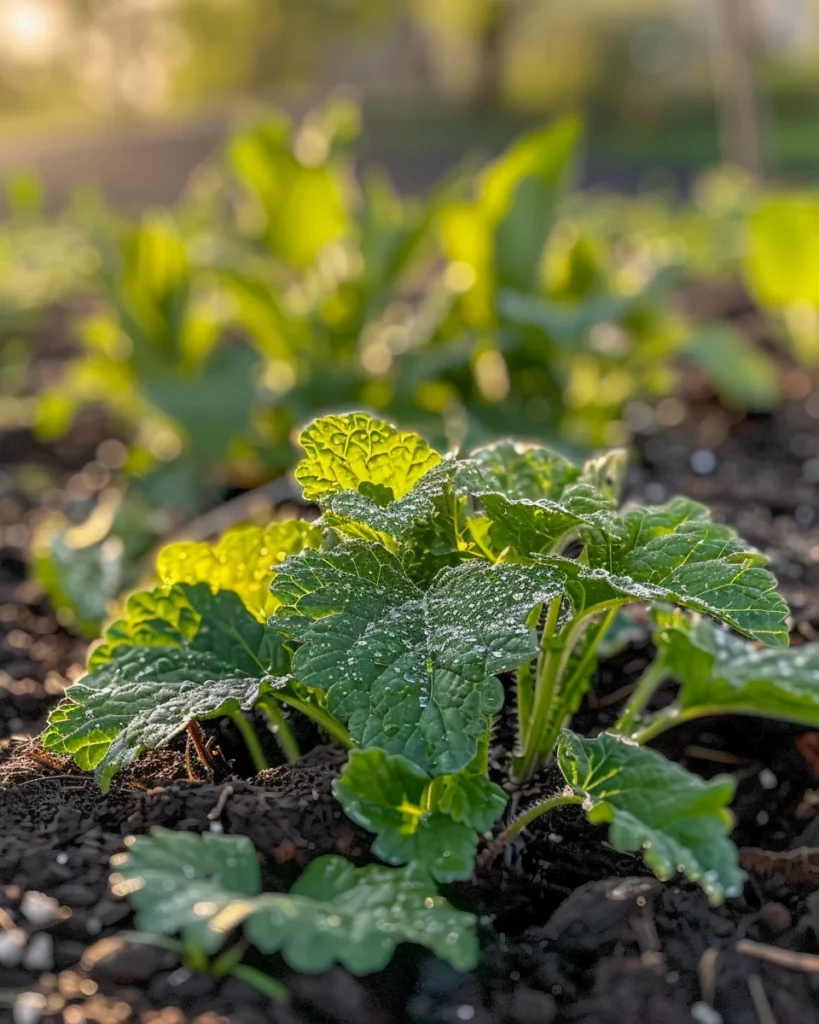
How to Grow Good King Henry in Modern Gardens: A Forgotten Perennial Vegetable
Intro for Good King Henry
Good King Henry (Chenopodium bonus-henricus) is a perennial leafy vegetable that was once a staple in medieval cottage gardens but has fallen into obscurity in modern times. This versatile plant, also known as “poor man’s asparagus,” offers nutritious leaves similar to spinach, edible flower shoots resembling asparagus, and seeds that can be used like quinoa. A member of the goosefoot family, Good King Henry thrives in temperate climates and partial shade, making it perfect for woodland garden edges and underutilized garden spaces. With minimal maintenance requirements and perennial growth habit, it’s an excellent addition to sustainable, low-maintenance modern gardens.
When to plant Good King Henry
Good King Henry is best planted in early spring or fall in most temperate regions. In cooler northern climates (UK, Northern Europe, US zones 3-6), early spring planting is ideal as soon as soil can be worked. In warmer regions (US zones 7-9, Mediterranean), fall planting allows roots to establish during cooler months. Soil temperature should ideally be between 10-18°C (50-65°F) for optimal germination. Good King Henry is frost-hardy once established, tolerating temperatures down to -15°C (5°F), making it suitable for year-round growing in many climates.
Best time to plant Good King Henry
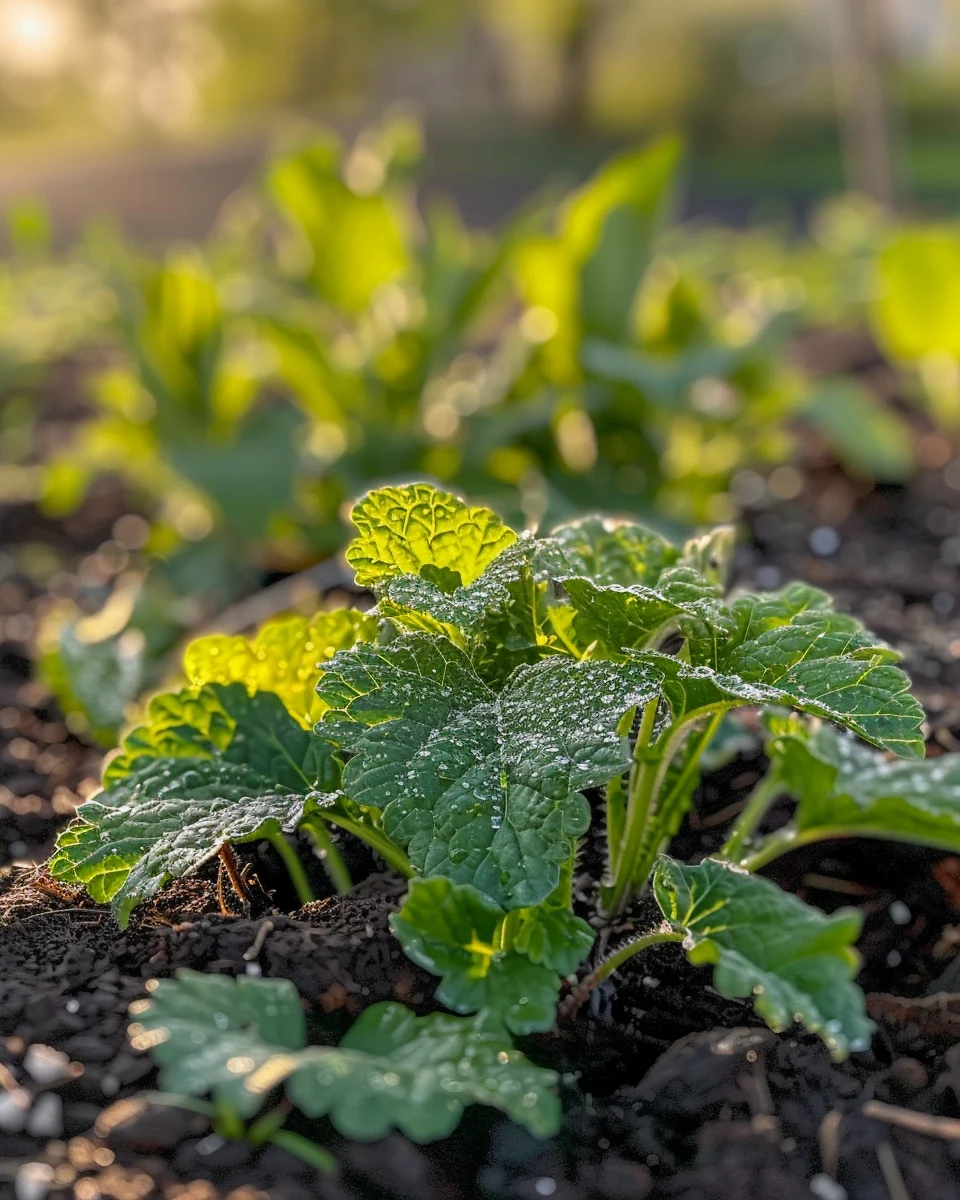
For cool temperate regions, plant seeds or transplants from March to April, when soil has warmed but before summer heat arrives. In warmer regions, September to October provides ideal conditions for establishment before winter. Direct sowing works well in spring, but germination can be slow and irregular (2-4 weeks). For more reliable results, start seeds indoors 6-8 weeks before your last frost date, then transplant seedlings when they have several true leaves. Fall-planted seedlings typically produce harvestable leaves earlier the following spring than spring-planted ones.
Best Good King Henry varieties to grow
Good King Henry has fewer named cultivars than modern vegetables, but several selections are worth seeking:
- Traditional – The standard variety with dark green, arrow-shaped leaves and excellent cold hardiness.
- Lincolnshire Spinach – A regional English variety with slightly larger leaves and more vigorous growth.
- Wildtype – Seeds collected from naturalized populations, often showing excellent adaptation to local conditions.
- Organic Selection – Seeds from organic growers may have been selected for better vigor and leaf production.
- Compact Form – Some nurseries offer selections better suited to container growing with more compact growth habit.
How to plant Good King Henry
Materials list:
- Good King Henry seeds or seedlings
- Compost or well-rotted manure
- Garden fork or tiller
- Garden trowel
- Watering can or hose with gentle spray attachment
- Mulch (straw, leaf mold, or compost)
Step-by-step planting:
- Select a site with partial shade to full sun, ideally with morning sun and afternoon shade in warmer regions.
- Prepare soil by digging to a depth of 30cm (12in), removing weeds and incorporating compost.
- For direct sowing, create shallow furrows about 1cm (½in) deep.
- Sow seeds thinly and cover with fine soil.
- For transplants, dig holes twice the width of the root ball.
- Space plants 30-45cm (12-18in) apart as they will grow into substantial perennial clumps.
- Place seedlings at the same depth they were growing previously.
- Water thoroughly after planting to settle soil around roots.
- Apply a 5cm (2in) layer of mulch around plants, keeping it away from stems.
- Label plantings, as young Good King Henry can resemble other goosefoot family members.
How to grow Good King Henry
Good King Henry performs best in partial shade but tolerates full sun in cooler climates. Water regularly during establishment, then only during dry periods once established. This plant is remarkably drought-tolerant for a leafy vegetable. Fertilize sparingly – an annual application of compost or balanced organic fertilizer in early spring is sufficient. Excessive nitrogen can produce lush but less flavorful leaves.
Mulch around plants to suppress weeds and retain moisture. No pruning is necessary, but removing flower stalks before seed formation will encourage leaf production. For container growing, choose pots at least 30cm (12in) deep with good drainage. A single plant needs a container at least 30cm (12in) in diameter. In containers, water more frequently and feed with half-strength liquid fertilizer monthly during the growing season.
Caring for Good King Henry
Once established, Good King Henry requires minimal maintenance. Divide crowns every 3-4 years in early spring to maintain vigor. Watch for slugs and snails, especially on young growth – use organic slug pellets, beer traps, or copper tape as deterrents. Powdery mildew may appear in humid conditions; improve air circulation and avoid overhead watering. Leaf miners occasionally affect foliage; remove and destroy affected leaves.
Harvest young leaves throughout spring and summer when 5-10cm (2-4in) long for best flavor. Young flower shoots can be harvested in late spring when 10-15cm (4-6in) tall before flowers open. Seeds can be collected in late summer when dry. Leaves store well in the refrigerator for 3-5 days wrapped in damp paper towels. Blanched leaves can be frozen for winter use.
Understanding bolting in Good King Henry
Bolting refers to the plant’s natural progression to produce flower stalks and seeds. Unlike annual greens, bolting in Good King Henry is part of its normal growth cycle rather than a stress response. Flower stalks typically emerge in late spring to early summer, depending on climate. While not triggered by heat stress like in lettuce, extended periods of hot weather may accelerate flowering.
To manage bolting, harvest young flower shoots as a delicacy similar to asparagus. If seed production is not desired, cut flower stalks at the base to redirect energy to leaf production. Unlike annual greens, Good King Henry will continue producing leaves even after flowering begins. In very hot climates, providing afternoon shade may extend the leaf harvest season before flowering begins.
Why does Good King Henry turn bitter?
Several factors can contribute to bitterness in Good King Henry leaves:
- Age of leaves – Older, larger leaves naturally develop more bitterness; harvest young leaves for milder flavor.
- Summer heat – High temperatures intensify bitter compounds; harvest in cooler weather or provide shade.
- Drought stress – Insufficient water can concentrate bitter compounds; ensure consistent moisture.
- Soil minerals – Excessive nitrogen fertilizer can increase bitterness; use balanced organic fertilizers.
- Natural oxalates – Like spinach, Good King Henry contains oxalic acid; blanching leaves briefly in boiling water reduces bitterness.
Companion planting for Good King Henry
Good companions for Good King Henry include:
- Alliums (onions, garlic, chives) – Deter pests with their strong scent and utilize different soil nutrients.
- Calendula – Attracts beneficial insects and adds color to the perennial bed.
- Comfrey – Another perennial vegetable that shares similar growing conditions.
- Strawberries – Form an excellent ground cover partnership, utilizing different root zones.
- Nasturtiums – Act as a trap crop for aphids that might otherwise attack Good King Henry.
Avoid planting near:
- Beans and peas – Good King Henry may inhibit their growth.
- Other Chenopodium species – May cross-pollinate or share pests and diseases.
Seasonal calendar
- January-February: Plan placement in garden; order seeds.
- March-April: Start seeds indoors; prepare planting sites; plant outdoors in milder regions.
- May: Transplant seedlings outdoors after frost risk passes; begin harvesting young leaves.
- June: Harvest young flower shoots; continue leaf harvest.
- July-August: Reduce harvest during hottest periods; water during dry spells.
- September-October: Resume leaf harvest in cooler weather; plant new seedlings in warm regions.
- November: Final harvests; mulch established plants for winter.
- December: Rest period; plants remain dormant in colder regions.
In hot regions, leaf production may slow or pause during summer heat. In very cold regions, growth stops during winter but resumes vigorously in early spring.
Problems & solutions
| Problem | Quick Fix |
|---|---|
| Poor germination | Soak seeds 24 hours before planting; ensure consistent moisture during germination period. |
| Slug damage | Apply organic slug pellets, use copper tape barriers, or set beer traps near plants. |
| Yellowing leaves | Check for overwatering; ensure good drainage; apply diluted seaweed fertilizer. |
| Leaf miners | Remove affected leaves; use row covers during insect’s active period. |
| Powdery mildew | Improve air circulation; apply milk spray (1 part milk to 9 parts water) to affected areas. |
| Slow growth | Apply balanced organic fertilizer; ensure adequate sunlight; check soil pH (prefer 6.0-7.0). |
Common questions about growing Good King Henry
How often should I water Good King Henry?
Water regularly during establishment and dry periods. Once established, Good King Henry is drought-tolerant and typically needs watering only during extended dry spells, making it a low-maintenance addition to modern gardens.
Can Good King Henry grow in full shade?
Good King Henry prefers partial shade but can tolerate full shade, though growth will be slower and less robust. In hot climates, afternoon shade is beneficial, while in cooler regions, more sun produces better growth.
What size container is needed for Good King Henry?
Use containers at least 30cm (12in) deep and 30cm (12in) in diameter per plant. Ensure good drainage and use a rich potting mix amended with compost for best results in container growing.
How long does Good King Henry take to establish?
Good King Henry typically takes one full growing season to establish properly. The first year focuses on root development with modest leaf production, while the second and subsequent years yield more abundant harvests.
Is Good King Henry winter-hardy?
Yes, Good King Henry is remarkably winter-hardy, surviving temperatures down to -15°C (5°F). In very cold regions, a winter mulch of straw or leaf mold provides additional protection for the crown.
How do I harvest Good King Henry without damaging the plant?
Harvest young leaves by pinching or cutting them individually rather than stripping entire stems. For flower shoots, cut at the base when they reach 10-15cm (4-6in) tall. Never harvest more than one-third of the plant at once to ensure continued growth.
Can I eat Good King Henry raw?
While young leaves can be eaten raw in small quantities, cooking is recommended to reduce oxalic acid content. Blanching or steaming improves flavor and digestibility, making the leaves more palatable in modern cuisine.