
How to Grow Goji Berries at Home: When to Plant, Best Varieties & Care Guide
Intro for growing goji berries
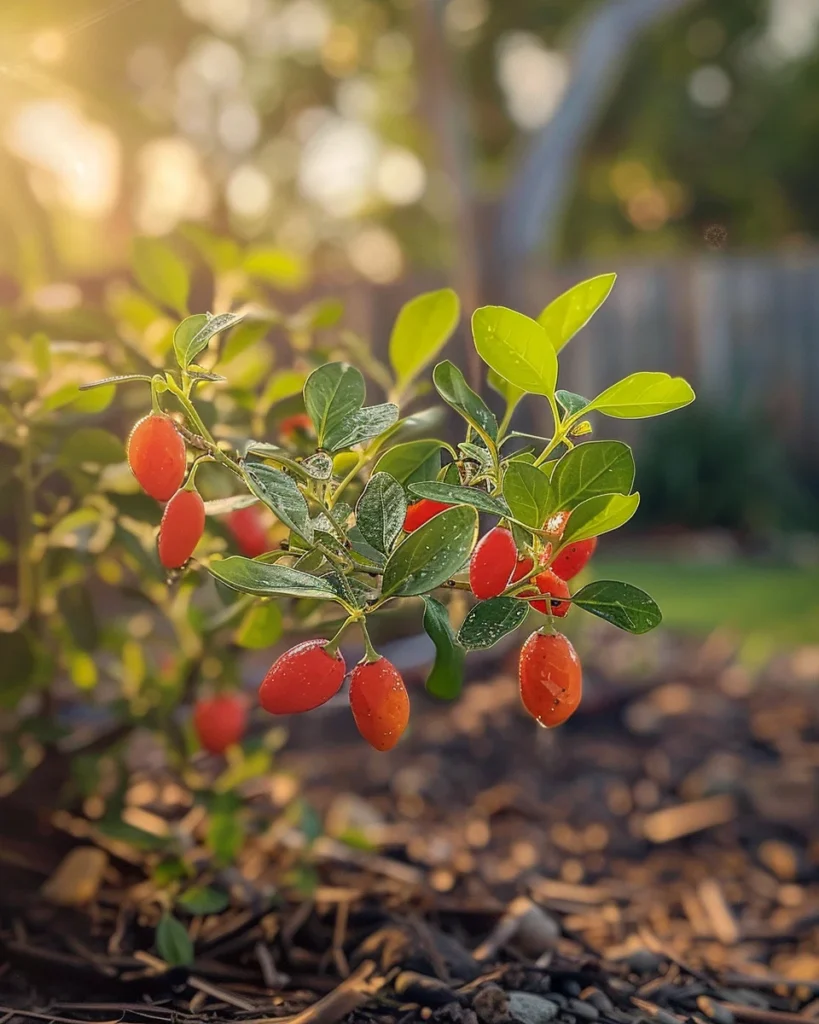
Goji berries (Lycium barbarum) are nutrient-dense superfruits that have been used in traditional Chinese medicine for centuries. These bright red berries are packed with antioxidants, vitamins, and minerals, making them a valuable addition to any home garden. Native to Asia, goji plants are surprisingly adaptable and can thrive in many temperate regions (USDA zones 3-10). These deciduous woody shrubs grow 3-10 feet (1-3 meters) tall and produce small purple flowers that develop into vibrant berries. With proper care, goji plants are long-lived perennials that can produce fruit for decades, offering both ornamental value and nutritious harvests from a single planting.
When to plant goji berries
Goji berries perform best when planted after all danger of frost has passed and soil temperatures have reached at least 50°F (10°C). In most temperate regions, this means spring planting is ideal. These hardy plants can withstand winter temperatures as low as -15°F (-26°C) once established, but young plants need protection from harsh conditions. In warmer Mediterranean climates, fall planting is also possible, giving roots time to establish before summer heat arrives. Regardless of your region, ensure soil has warmed sufficiently and is workable before planting.
Best time to plant goji berries
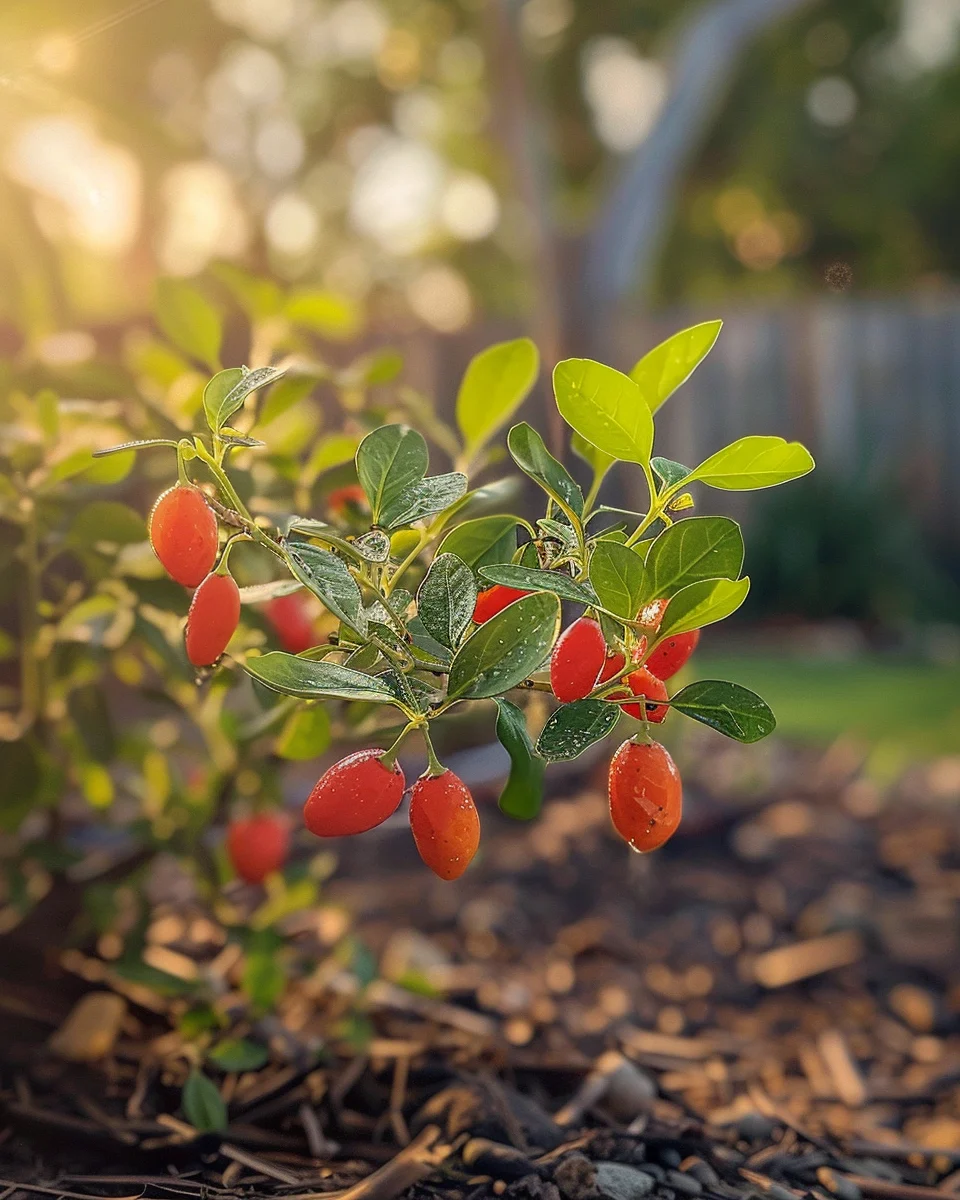
In cool temperate regions (UK, Northern US, Canada), plant goji berries from mid-spring to early summer (April to June). For warmer regions (Southern US, Mediterranean), early spring (March-April) or fall (September-October) planting works well to avoid summer heat stress during establishment. Container-grown plants can be transplanted any time during the growing season, though spring remains optimal. If starting from seed, begin indoors 6-8 weeks before your last frost date, as goji seeds can take 10-14 days to germinate and seedlings develop slowly initially.
Best goji berry varieties to grow
- Phoenix Tears – Earlier fruiting with sweeter berries than most varieties, good for shorter growing seasons.
- Crimson Star – Compact growth habit (4-5 feet/1.2-1.5m) making it excellent for containers and small spaces.
- Big Lifeberry – Produces larger berries with high yields, developed for commercial production.
- Sweet Lifeberry – As the name suggests, offers sweeter fruit with less bitterness than wild types.
- Dynamite – Cold-hardy to zone 3, making it suitable for northern gardens.
- Black Goji (Lycium ruthenicum) – Produces unusual black berries with different antioxidant profile than red varieties.
- Tibetan – Traditional variety with excellent medicinal properties and good drought tolerance.
How to plant goji berries
Materials needed:
- Goji berry plants or seeds
- Compost or well-rotted manure
- Garden fork or tiller
- Garden spade
- Watering can or hose
- Mulch (straw, wood chips, or leaf mold)
- Support stakes (optional)
Step-by-step planting:
- Select a site with full sun (6+ hours daily) and well-draining soil with pH 6.5-7.0.
- Clear the area of weeds and work in 2-3 inches (5-7.5 cm) of compost to improve soil structure.
- Dig a hole twice as wide and as deep as the root ball of your plant.
- If planting multiple bushes, space them 3-5 feet (1-1.5 meters) apart to allow for mature spread.
- Remove the plant from its container and gently loosen the roots if pot-bound.
- Place the plant in the hole so the top of the root ball is level with the soil surface.
- Backfill with soil, firming gently to eliminate air pockets.
- Water thoroughly after planting, providing about 1 gallon (4 liters) per plant.
- Apply a 2-3 inch (5-7.5 cm) layer of mulch around the plant, keeping it away from the stem.
- For seedlings, plant at the same depth they were growing in their containers and space 3-5 feet apart.
How to grow goji berries
Goji berries require full sunlight (minimum 6 hours daily) to produce abundant fruit. Water newly planted goji berries deeply once a week, providing about 1 inch (2.5 cm) of water. Once established, these plants are quite drought-tolerant, needing water only during extended dry periods. Fertilize sparingly in spring with a balanced organic fertilizer or compost tea; excessive nitrogen promotes leafy growth at the expense of fruit production.
Mulch around plants to suppress weeds and retain soil moisture. Goji berries benefit from pruning in late winter to remove dead wood and shape the plant. They fruit on new growth, so annual pruning encourages better harvests. For container growing, use a 15-20 gallon (57-76 liter) pot with drainage holes and a quality potting mix. Container plants will need more frequent watering and fertilizing than ground-planted specimens.
While goji plants can grow as sprawling shrubs, training them to a trellis or support system improves air circulation and makes harvesting easier. Install supports at planting time to avoid root disturbance later.
Caring for goji berries
Goji berries typically begin producing fruit in their second or third year. The main ongoing tasks include spring fertilization, summer watering during dry spells, and winter pruning. Common pests include aphids and spider mites, which can be controlled with insecticidal soap or neem oil. Watch for powdery mildew in humid conditions; improve air circulation and apply organic fungicides if needed.
Harvest berries when they turn bright red and are slightly soft to the touch, typically from mid-summer through fall. Berries bruise easily, so handle with care. Fresh berries have a short shelf life (about a week refrigerated), but they can be dried or frozen for longer storage. Dried berries will keep for months in an airtight container.
Be patient with young plants—goji berries improve in productivity and flavor as they mature. Most plants reach peak production at 3-5 years of age.
Understanding bolting in goji berries
Unlike annual vegetables, goji berries don’t bolt in the traditional sense. As perennial woody shrubs, they naturally transition from vegetative growth to flowering and fruiting as part of their seasonal cycle. However, environmental stress can affect fruit production and quality. Extended heat waves or drought can cause berries to be smaller or fewer in number. Inconsistent watering can lead to fruit drop.
To prevent stress-related issues, maintain consistent soil moisture during fruit development and provide afternoon shade in extremely hot climates. If plants show signs of stress (wilting, yellowing leaves), increase watering frequency and apply mulch to moderate soil temperature.
Why does goji berry fruit turn bitter?
- Immature harvesting – Picking berries before they’re fully ripe results in bitter flavor; wait until berries are bright red and slightly soft.
- Drought stress – Insufficient water during fruit development concentrates compounds that create bitterness; maintain consistent soil moisture.
- Excessive nitrogen – Too much nitrogen fertilizer can affect flavor; use balanced fertilizers and avoid high-nitrogen products.
- Variety differences – Some varieties naturally have more bitter compounds; consider switching to sweeter cultivars like ‘Sweet Lifeberry’.
- Soil mineral imbalances – Extreme pH or mineral deficiencies can affect flavor; test soil and amend accordingly.
Companion planting for goji berries
Good companions for goji berries include:
- Herbs like mint and garlic – Repel aphids and other pests that might attack goji plants.
- Marigolds – Help deter nematodes and other soil pests with their root exudates.
- Borage – Attracts pollinators that can increase goji berry fruit set.
- Legumes (beans, peas) – Fix nitrogen in the soil, providing gentle fertilization.
- Nasturtiums – Act as trap crops for aphids, drawing them away from your goji plants.
Avoid planting goji berries near:
- Potatoes, tomatoes, eggplants – These nightshade relatives can share diseases with goji plants.
- Black walnut trees – Produce juglone, a natural growth inhibitor that can harm goji plants.
Seasonal calendar
- January-February: Prune dormant plants; plan for spring planting.
- March: Prepare soil; apply compost around established plants.
- April: Plant new goji bushes; start seeds indoors in colder regions.
- May: Transplant seedlings; apply light organic fertilizer to established plants.
- June: Install supports for growing plants; mulch to retain moisture.
- July-September: Harvest berries as they ripen; water during dry periods.
- October: Last harvests; fall planting in warm regions.
- November: Clean up fallen leaves; add mulch for winter protection in cold areas.
- December: Protect young plants from severe cold in northern regions.
Problems & solutions
| Problem | Quick Fix |
|---|---|
| Yellowing leaves | Check for overwatering; ensure good drainage; may indicate nutrient deficiency—apply balanced organic fertilizer. |
| Few or no berries | Ensure full sun exposure; check age of plant (may need 2-3 years to fruit); avoid excessive nitrogen fertilizer. |
| Leaf spots/fungal issues | Improve air circulation through pruning; avoid overhead watering; apply organic fungicide if severe. |
| Aphid infestation | Spray with strong water jet to dislodge; apply insecticidal soap or neem oil; introduce ladybugs as natural predators. |
| Spider mites | Increase humidity around plants; spray undersides of leaves with water; apply insecticidal soap if infestation is severe. |
| Fruit drop | Maintain consistent watering during fruit development; protect from extreme heat; ensure proper pollination. |
| Winter dieback | Mulch around base for protection; avoid late-season fertilizing; prune affected branches in spring. |
Common questions about growing goji berries
How often should I water my goji berry plants?
Water newly planted goji berries once weekly, providing about 1 inch (2.5 cm) of water. Established plants are drought-tolerant and typically need watering only during extended dry periods. Container plants require more frequent watering, especially during summer.
Can goji berries grow in partial shade?
While goji berries can survive in partial shade, they produce significantly more fruit with at least 6-8 hours of direct sunlight daily. In very hot climates, afternoon shade can be beneficial, but morning sun is essential for good fruit production.
What size container is best for growing goji berries?
Use a container at least 15-20 gallons (57-76 liters) in volume with good drainage. Smaller containers will restrict growth and reduce fruit production. Terra cotta or fabric pots work well as they allow better air circulation to the root zone.
How far apart should I space multiple goji plants?
Space goji berry plants 3-5 feet (1-1.5 meters) apart to allow for their mature spread. If growing as a hedge, you can space them slightly closer at 2.5-3 feet (75-90 cm) apart.
How cold-hardy are goji berries?
Established goji plants are surprisingly cold-hardy, typically surviving temperatures down to -15°F (-26°C) or USDA zone 3. Young plants are more vulnerable to cold damage and may need winter protection in their first year.
When will my goji berry plant start producing fruit?
Most goji plants begin producing a small crop in their second year, with production increasing significantly in years 3-5. Plants reach full maturity and peak production at about 5 years of age and can continue producing for decades with proper care.
Are goji berries difficult to grow organically?
Goji berries are well-suited to organic growing methods. They have few serious pest or disease issues when grown in appropriate conditions, and their moderate fertility needs can be met with compost and organic fertilizers. Their natural vigor and adaptability make them excellent candidates for organic home gardens.