
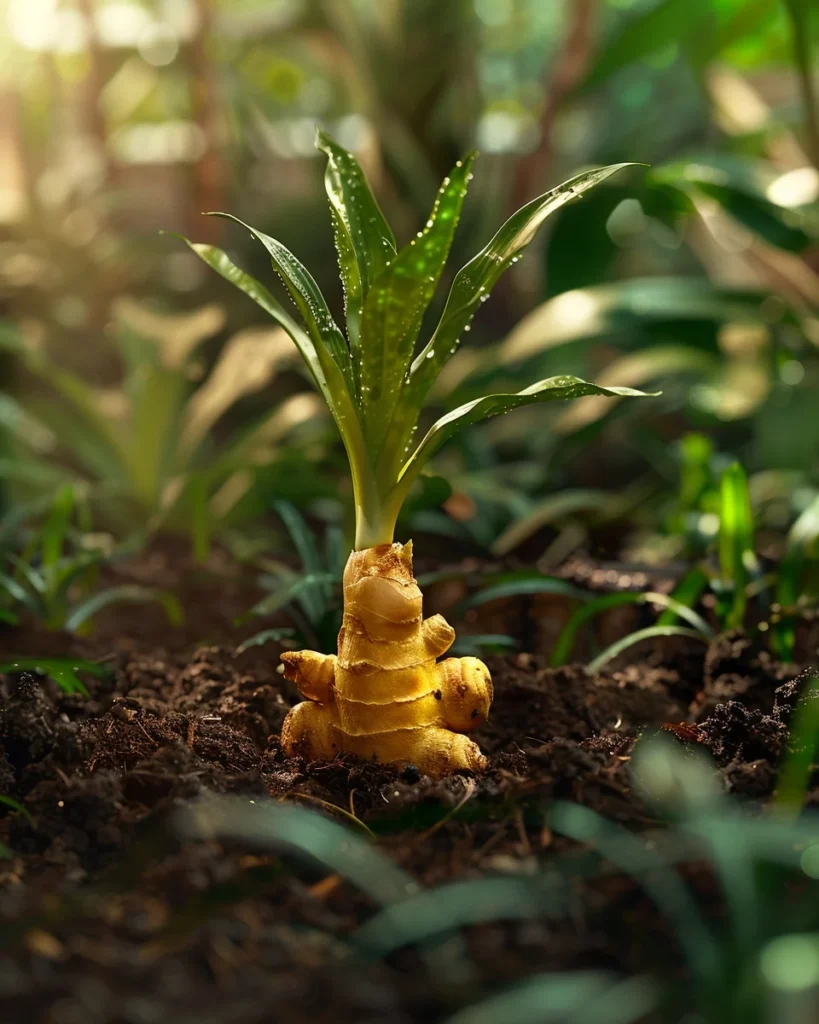
How to Grow Ginger from Store Bought Rhizomes: A Complete Guide to Planting, Varieties & Care
Intro for how to grow ginger from store bought rhizomes
Growing ginger (Zingiber officinale) from store-bought rhizomes is a rewarding and economical way to produce your own fresh, aromatic spice at home. This tropical plant with its distinctive warming flavor can thrive in temperate gardens during warm months or year-round in containers indoors. Beyond its culinary uses, homegrown ginger offers superior flavor and potency compared to store-bought versions that may have been sitting on shelves for weeks. Ginger grows best in warm, humid conditions with filtered sunlight and rich, well-draining soil. With minimal investment and some patience, you can transform ordinary grocery store ginger into a productive garden plant that provides fresh rhizomes for cooking, tea, and medicinal purposes.
When to plant how to grow ginger from store bought rhizomes
Ginger is a tropical plant that requires warm soil temperatures between 22-26°C (71-79°F) to sprout and grow properly. In temperate regions, plant ginger in early spring after all danger of frost has passed and soil has warmed sufficiently. For UK gardeners, this typically means late April to May, while Mediterranean regions can start as early as March. In cooler climates (US Zones 6 and below), it’s best to start ginger indoors 6-8 weeks before the last frost date. Ginger requires a long growing season (8-10 months) to develop substantial rhizomes, so early planting is advantageous. In frost-prone areas, plan to either harvest before first frost or grow in containers that can be moved indoors.
Best time to plant how to grow ginger from store bought rhizomes
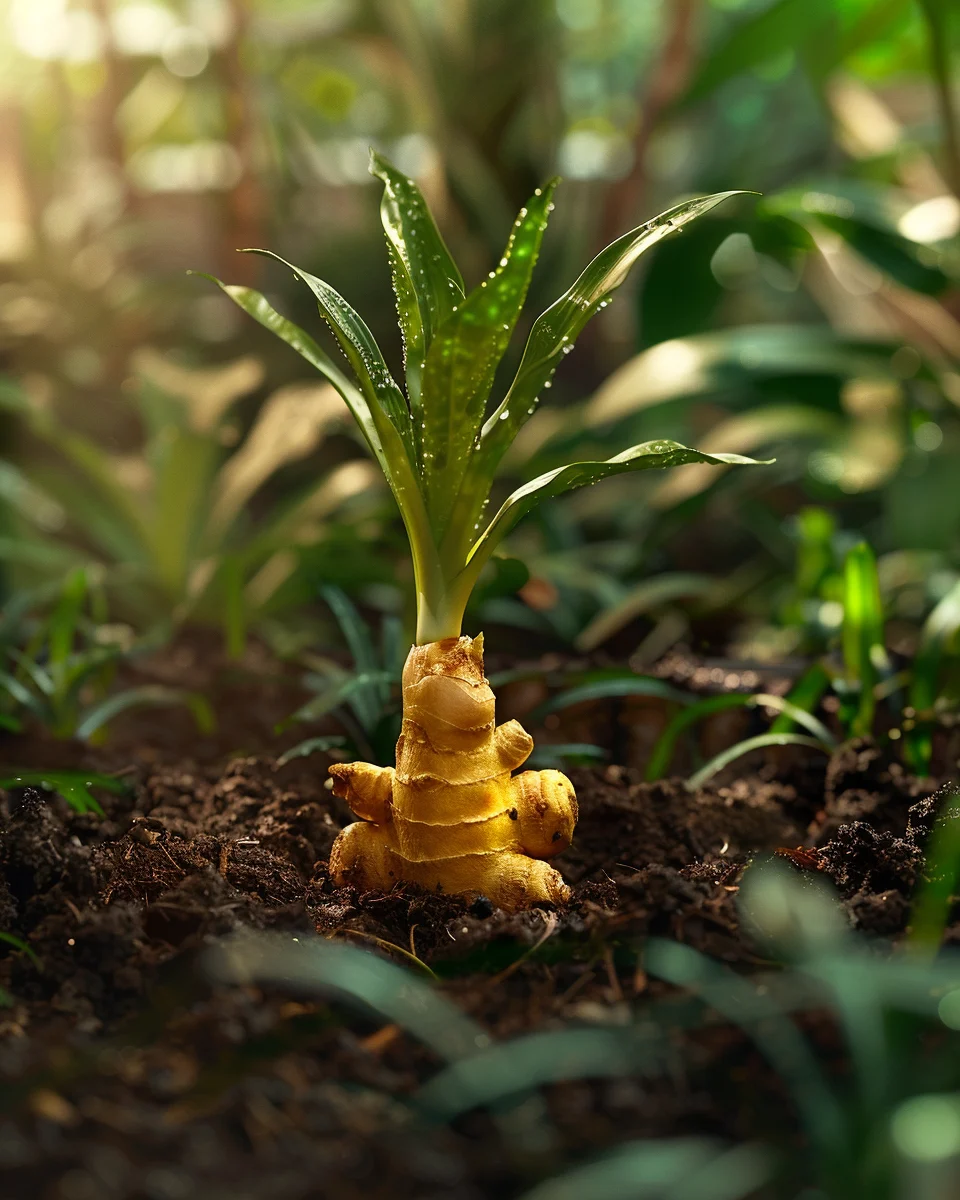
For warm climate regions (US Zones 9-11, Mediterranean), plant ginger outdoors from February to April to maximize the growing season. In moderate temperate regions (US Zones 7-8, UK), aim for April to early May planting. For cooler regions (US Zones 4-6), start indoors in March-April and transplant outdoors in late May to early June when nighttime temperatures consistently stay above 13°C (55°F). If growing in containers that will remain indoors, you can plant year-round, though growth will be more vigorous during spring and summer months when light levels are higher. For optimal results, pre-sprout rhizomes indoors 3-4 weeks before your intended outdoor planting date.
Best how to grow ginger from store bought rhizomes varieties to grow
- Common Yellow Ginger (Zingiber officinale) – The standard grocery store variety, versatile for cooking with moderate spiciness and good productivity.
- Baby Ginger (Young Zingiber officinale) – Harvested early, featuring pink-tinged skin, milder flavor, and less fibrous texture ideal for beginners.
- Galangal (Alpinia galanga) – Related to common ginger with citrusy, piney flavor perfect for Southeast Asian cooking.
- White Ginger (Zingiber officinale ‘White’) – Milder flavor with less heat, excellent for teas and desserts.
- Hawaiian Yellow Ginger (Zingiber flavescens) – Bright yellow flesh with intense flavor, excellent productivity in warm conditions.
- Japanese Ginger (Zingiber mioga) – Grown primarily for its edible flower buds rather than rhizomes, more cold-tolerant than other varieties.
- Turmeric (Curcuma longa) – A close relative of ginger with similar growing requirements but distinctive orange flesh and earthy flavor.
How to plant how to grow ginger from store bought rhizomes
Materials needed:
- Organic, plump ginger rhizomes from grocery store (preferably with visible growth buds or “eyes”)
- Rich potting mix or garden soil amended with compost
- Containers (minimum 30cm/12in deep) with drainage holes if not planting in ground
- Organic fertilizer (slow-release or compost)
- Watering can or hose with gentle spray
- Mulch (straw, leaf mold, or coconut coir)
Step-by-step planting instructions:
- Select fresh, plump ginger rhizomes with visible growth buds (small points or protrusions). Avoid shriveled or moldy pieces.
- Soak rhizomes in warm water overnight to help break dormancy and remove any growth inhibitors that may have been applied.
- Cut larger rhizomes into sections 5-8cm (2-3in) long, ensuring each piece has at least 2-3 growth buds. Allow cut surfaces to dry for 24 hours to prevent rotting.
- Prepare containers or garden bed with rich, well-draining soil mixed with 25% compost. For containers, ensure at least 30cm (12in) depth.
- Plant rhizomes 5-8cm (2-3in) deep with growth buds facing upward. Space multiple pieces 20-25cm (8-10in) apart.
- Cover with soil and water thoroughly but gently to avoid dislodging the rhizomes.
- Apply 5cm (2in) of mulch to retain moisture and suppress weeds, keeping mulch from directly touching the rhizomes.
- Place containers in a warm location with bright, indirect light or plant in a garden spot that receives morning sun and afternoon shade.
- Keep soil consistently moist but not waterlogged while awaiting sprouting, which typically takes 2-4 weeks.
How to grow how to grow ginger from store bought rhizomes
Ginger thrives in filtered sunlight or partial shade, preferring 4-6 hours of morning sun with protection from intense afternoon heat. In cooler regions, provide more sun; in hot areas, increase shade. Water consistently to maintain even soil moisture—about 2.5cm (1in) per week—but never allow the soil to become waterlogged. During active growth (spring through summer), fertilize monthly with a balanced organic fertilizer or compost tea. Alternatively, use a slow-release fertilizer at half the recommended strength at planting time and again midseason. Maintain a 5cm (2in) layer of mulch throughout the growing season, refreshing as needed to conserve moisture and suppress weeds.
For container growing, use pots at least 30cm (12in) deep and 30cm (12in) in diameter per rhizome. Ensure excellent drainage with drainage holes and a layer of gravel at the bottom. Container-grown ginger may need more frequent watering and feeding. In regions with cool nights, move containers to warmer spots or indoors when temperatures drop below 10°C (50°F). As plants grow taller (potentially reaching 90-120cm/3-4ft), they may benefit from light support with bamboo stakes, especially in windy locations.
Caring for how to grow ginger from store bought rhizomes
As your ginger plants mature, gradually reduce watering during the final month before harvest to help develop flavor. Throughout the growing season, monitor for common pests including aphids, spider mites, and thrips. Treat aphid infestations with a strong spray of water or insecticidal soap. For spider mites, increase humidity around plants and apply neem oil. Thrips can be controlled with sticky traps and neem oil applications.
Watch for diseases such as bacterial wilt (sudden plant collapse), rhizome rot (soft, smelly rhizomes), and powdery mildew (white powder on leaves). Prevent these issues by avoiding overhead watering, ensuring good air circulation, and practicing crop rotation. For bacterial wilt or rhizome rot, remove and destroy affected plants immediately. Treat powdery mildew with a baking soda spray (1 tablespoon baking soda, 1 tablespoon vegetable oil, and 1 teaspoon liquid soap in 4 liters/1 gallon of water).
Harvest ginger when the leaves begin to yellow and die back, typically 8-10 months after planting. For baby ginger (milder and less fibrous), you can harvest as early as 4-6 months. Carefully dig around the plant and lift the entire rhizome cluster, clean off soil, and allow to dry in a shaded, well-ventilated area for a few hours. Store unwashed rhizomes in a cool, dry place for up to 2 months, refrigerate for up to 3 months, or freeze for longer storage.
Understanding bolting in how to grow ginger from store bought rhizomes
Unlike many garden vegetables, ginger doesn’t typically bolt (produce flowers and seeds prematurely) in the traditional sense. However, ginger does produce flowers when mature and in ideal conditions. This flowering is not detrimental to rhizome production and is actually a sign of a healthy, mature plant. In most temperate gardens, ginger rarely reaches the flowering stage due to insufficient growing season length.
If your ginger does produce flower stalks, it’s generally best to leave them, as removing them doesn’t significantly increase rhizome size. The flowers are actually quite attractive and can add ornamental value to your garden. Stress factors like extreme temperature fluctuations, drought, or poor nutrition can reduce overall plant vigor but won’t cause bolting as seen in leafy greens or herbs.
To encourage optimal rhizome development rather than flowering, maintain consistent moisture and temperature, provide adequate but not excessive fertilizer, and ensure plants receive filtered rather than direct sunlight in hot climates. If growing primarily for ornamental purposes, allowing the plant to complete its natural lifecycle including flowering can be rewarding.
Why does how to grow ginger from store bought rhizomes turn bitter?
- Age of rhizomes: Older ginger develops stronger, sometimes bitter flavors – harvest younger for milder taste or use fresh young ginger for less bitterness.
- Stress conditions: Drought, extreme heat, or poor soil can cause stress compounds to develop – maintain consistent moisture and optimal growing conditions.
- Improper storage: Storing harvested ginger in too warm or humid conditions can cause flavor deterioration – store in cool, dry conditions or refrigerate.
- Soil mineral imbalance: Excessive nitrogen fertilizer can affect flavor – use balanced organic fertilizers and avoid high-nitrogen synthetic options.
- Variety differences: Some ginger varieties naturally have stronger, more pungent flavors – select milder varieties like White Ginger if bitterness is a concern.
Companion planting for how to grow ginger from store bought rhizomes
Ginger grows well alongside several companion plants that either enhance its growth or benefit from its presence:
- Turmeric – A close relative with similar growing requirements that creates a complementary understory planting.
- Legumes (beans, peas) – Fix nitrogen in the soil, providing natural fertilization for nutrient-hungry ginger.
- Basil – Repels many insect pests and thrives in the same partial shade conditions as ginger.
- Marigolds – Deter nematodes and other soil pests that might damage ginger rhizomes.
- Lemongrass – Creates beneficial microclimate and shares similar tropical growing preferences.
Avoid planting ginger near:
- Bamboo – Competes aggressively for nutrients and moisture.
- Sunflowers – Cast too much shade and secrete compounds that may inhibit ginger growth.
- Other heavy feeders like corn or cabbage that will compete for nutrients.
Seasonal calendar
- January-February: Purchase and pre-sprout rhizomes indoors in warm regions; plan garden space.
- March: Start rhizomes indoors in cooler regions; direct plant in very warm regions.
- April-May: Plant pre-sprouted rhizomes outdoors once soil warms to 21°C (70°F); apply initial fertilizer.
- June: Apply mulch; ensure consistent watering as temperatures rise.
- July-August: Apply second round of fertilizer; monitor for pests in hot weather; provide afternoon shade in hot regions.
- September: Begin reducing water slightly in regions where harvest will occur in October-November.
- October-November: Harvest in cooler regions before first frost; continue growing in warm regions.
- December: Harvest in warm regions; store rhizomes; save some for replanting next season.
Problems & solutions
| Problem | Quick Fix |
|---|---|
| Yellowing leaves | Check for overwatering; ensure good drainage; may indicate normal end-of-season die-back if in fall. |
| No sprouting after 4 weeks | Ensure soil temperature is above 21°C (70°F); gently check rhizome for rot; replace if necessary. |
| Soft, mushy rhizomes | Reduce watering immediately; improve drainage; remove affected sections; treat remaining plants with fungicide. |
| Stunted growth | Apply balanced organic fertilizer; check for root competition; ensure adequate but not excessive sunlight. |
| Leaf spots or browning | Avoid overhead watering; improve air circulation; apply organic fungicide if fungal disease is present. |
| Curling or distorted leaves | Check undersides for aphids or mites; spray with insecticidal soap or neem oil solution. |
| Thin, fibrous rhizomes | Increase organic matter in soil; ensure consistent moisture; extend growing season if possible. |
Common questions about growing how to grow ginger from store bought rhizomes
Can I grow ginger in a pot indoors?
Yes, ginger grows well in containers at least 30cm (12in) deep with good drainage. Use a rich potting mix, place in bright indirect light, and maintain consistent moisture. Indoor ginger may grow more slowly but can produce year-round in proper conditions.
How much sun does ginger need?
Ginger prefers filtered sunlight or partial shade, ideally receiving 4-6 hours of morning sun with protection from intense afternoon heat. In cooler climates, ginger can tolerate more sun; in hot regions, it benefits from more shade.
Can I harvest ginger without killing the plant?
Yes, you can practice “stem harvesting” by carefully digging at the edges of the rhizome cluster and breaking off outer pieces while leaving the central portion to continue growing. This works best with plants at least 4-6 months old.
How cold can ginger tolerate?
Ginger is a tropical plant that stops growing below 10°C (50°F) and can be damaged by temperatures below 7°C (45°F). It will die if exposed to frost. In cold regions, grow in containers that can be moved indoors during cool weather.
Do I need to peel store-bought ginger before planting?
No, do not peel ginger before planting. The skin protects the rhizome from disease and drying out. Simply plant the whole piece or cut sections with the skin intact, ensuring each piece has at least 2-3 growth buds.
How can I tell when my ginger is ready to harvest?
Ginger is typically ready to harvest when the leaves turn yellow and begin to die back, usually 8-10 months after planting. For young “baby” ginger with milder flavor and less fiber, you can harvest as early as 4-6 months after planting.
Why is my ginger not sprouting?
Common reasons include: soil too cold (below 21°C/70°F), rhizomes treated with growth inhibitors (soak overnight before planting), planting too deep, or rotting due to excessive moisture. Ensure warm soil, proper drainage, and use fresh, plump rhizomes with visible growth buds.