
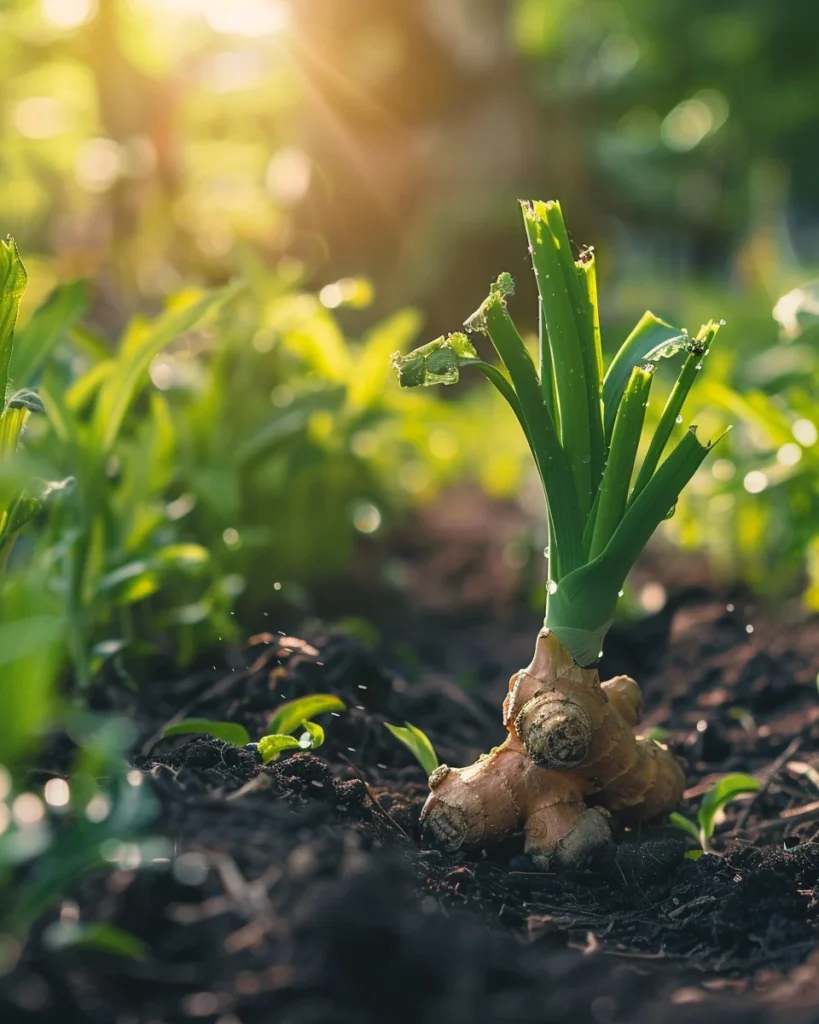
How to Grow Ginger at Home: When to Plant, Best Varieties & Care Guide
Intro for How to Grow Ginger at Home
Ginger (Zingiber officinale) is a versatile, aromatic rhizome that adds distinctive flavor to countless dishes while offering impressive health benefits. Growing your own ginger at home is surprisingly simple and rewarding, allowing you to harvest fresh rhizomes whenever needed. This tropical plant thrives in warm, humid conditions but can be successfully cultivated in most temperate regions with proper care, especially in containers that can be moved indoors during colder months. With minimal space requirements and relatively low maintenance needs, homegrown ginger provides superior freshness and flavor compared to store-bought options, while saving you money in the long run. Once you establish your own ginger growing routine, you may never need to purchase it again.
When to plant Ginger
Ginger is a warm-season crop that requires soil temperatures consistently above 15°C (59°F) for successful growth. In temperate regions, the ideal planting time is late winter to early spring after all danger of frost has passed. Ginger requires a long growing season of 8-10 months to reach full maturity, though younger rhizomes can be harvested earlier. In cooler climates (below USDA Zone 9 or UK Zone 8), start ginger indoors 6-8 weeks before the last expected frost date. Ginger is extremely frost-sensitive, so in regions with cold winters, either grow it as an annual or plan to bring potted plants indoors when temperatures drop below 10°C (50°F).
Best time to plant Ginger

For warm climate regions (USDA Zones 9-11), plant ginger outdoors from February to April when soil has warmed. In moderate temperate regions (USDA Zones 7-8), wait until April or May when soil temperatures remain consistently above 15°C (59°F). For cooler regions (USDA Zones 4-6), start ginger indoors in March or April in containers, then either transplant outdoors in late May or keep in movable containers. If starting indoors, pre-sprout rhizomes in a warm, moist environment 2-3 weeks before planting. For Mediterranean climates, plant in February or March to take advantage of spring rains before summer heat intensifies.
Best Ginger varieties to grow
- Chinese White Ginger – Most common variety with mild flavor, excellent for beginners and general culinary use.
- Japanese Ginger – Smaller rhizomes with delicate flavor and pink tips, ideal for container growing.
- Hawaiian Yellow Ginger – Vibrant yellow flesh with intense flavor and higher essential oil content.
- Blue Hawaiian – Distinguished by its bluish rings when cut, with spicy notes and medicinal properties.
- Bubba Baba – Large, plump rhizomes that produce high yields, good for commercial-scale home growing.
- Khing Yai – Thai variety with exceptional heat tolerance and aromatic qualities.
- Jamaican Ginger – Particularly pungent variety prized for making ginger beer and strong medicinal preparations.
How to plant Ginger
Materials needed:
- Fresh organic ginger rhizomes with visible growth buds (“eyes”)
- Well-draining potting mix or garden soil amended with compost
- Containers (minimum 30cm/12in deep) or prepared garden bed
- Organic fertilizer (balanced NPK)
- Mulch material (straw, dried leaves, or coconut coir)
- Watering can or irrigation system
Step-by-step planting process:
- Select plump, firm ginger rhizomes with several growth buds or “eyes” (small pointy nodules on the surface).
- Cut larger rhizomes into 5-8cm (2-3in) pieces, ensuring each section has at least 2-3 growth buds. Allow cut surfaces to dry and callus for 24-48 hours.
- Prepare your growing medium by mixing equal parts garden soil, compost, and sand or perlite for excellent drainage.
- For containers, fill to within 5cm (2in) of the top with the prepared soil mix.
- Plant ginger pieces 5-10cm (2-4in) deep with the growth buds facing upward.
- Space multiple pieces 15-20cm (6-8in) apart to allow room for horizontal spread.
- Water thoroughly but gently to avoid displacing the rhizomes.
- Apply a 2-5cm (1-2in) layer of mulch to retain moisture and suppress weeds.
- Place in a warm location with filtered sunlight or partial shade.
How to grow Ginger
Ginger thrives in bright, indirect sunlight or partial shade (around 2-5 hours of direct morning sun followed by filtered light). Avoid harsh afternoon sun which can scorch the leaves. Maintain consistently moist soil without waterlogging—water when the top 2.5cm (1in) of soil feels dry. During active growth, feed monthly with a balanced organic fertilizer or compost tea. In hot weather, mist the foliage regularly to increase humidity. For container growing, use pots at least 30cm (12in) deep and 30cm (12in) wide per rhizome section to accommodate horizontal spread. Containers should have excellent drainage holes. As plants grow taller (potentially reaching 90-120cm/3-4ft), they may benefit from light support. In cooler climates, move containers to a protected porch or indoors when temperatures drop below 10°C (50°F). For indoor growing, place near a south or east-facing window with bright, indirect light.
Caring for Ginger
Monitor soil moisture carefully throughout the growing season, as ginger prefers consistent moisture without becoming waterlogged. As shoots emerge and grow, gradually build up soil or mulch around the base to encourage larger rhizome development (similar to hilling potatoes). The main pests affecting ginger include aphids, spider mites, and thrips, which can be controlled with insecticidal soap or neem oil applications. Watch for signs of root rot (yellowing leaves, foul smell) or bacterial wilt (sudden wilting), which are typically caused by overwatering or poor drainage—improve ventilation and reduce watering immediately if these appear. Harvest can begin as early as 4-5 months after planting for “baby ginger” (milder and more tender) or wait 8-10 months for mature rhizomes with stronger flavor. To harvest, carefully dig around the plant and remove the entire rhizome cluster or harvest partially by taking outer pieces while leaving the rest to continue growing. Store harvested ginger in a cool, dry place for immediate use, or freeze grated ginger in ice cube trays for longer preservation.
Understanding bolting in Ginger
Unlike many garden vegetables, ginger doesn’t typically bolt (produce flowers and seeds prematurely) in the traditional sense. Ginger naturally produces flowers as part of its normal growth cycle, usually after 8-10 months of vegetative growth. These flowers don’t negatively impact the rhizome development. However, stress factors like extreme temperature fluctuations, drought, or nutrient deficiencies can cause the plant to divert energy from rhizome production to survival mechanisms. If your ginger plant appears stressed with yellowing leaves or stunted growth, focus on stabilizing its growing conditions with consistent watering, adequate nutrition, and protection from temperature extremes. If flowering does occur, it’s generally not a concern—the ornamental flowers are actually a bonus feature of your ginger plant, and rhizome development will continue underneath the soil.
Why does Ginger turn bitter?
- Age of rhizomes – Older ginger develops stronger, sometimes bitter compounds; harvest younger for milder flavor.
- Improper storage – Ginger stored too long or in unsuitable conditions (too warm or humid) can develop off-flavors; store properly in refrigerator or freezer.
- Soil conditions – Highly alkaline soil or excessive fertilizer can cause bitterness; maintain slightly acidic to neutral pH (6.0-6.8).
- Environmental stress – Drought, extreme heat, or cold damage can trigger defense compounds that create bitter flavors; maintain consistent growing conditions.
- Variety differences – Some ginger varieties naturally contain higher levels of pungent compounds; select milder varieties if bitterness is a concern.
Companion planting for Ginger
Good companions:
- Turmeric – Related plant with similar growing requirements that doesn’t compete for resources.
- Legumes (beans, peas) – Fix nitrogen in soil, benefiting ginger’s growth without competing for space.
- Sweet potatoes – Provide ground cover that helps retain soil moisture and suppress weeds.
- Basil – Repels certain insects and creates beneficial microclimate with partial shade.
- Marigolds – Deter nematodes and other soil pests that might damage ginger rhizomes.
Avoid planting near:
- Aggressive root vegetables (potatoes, garlic) – Compete directly for underground growing space.
- Bamboo – Aggressive growth habit and similar nutrient needs create too much competition.
- Sunflowers – Cast too much shade and deplete soil nutrients needed by ginger.
Seasonal calendar
- January-February: Purchase or prepare rhizomes for planting; pre-sprout indoors in warm climates.
- March-April: Plant pre-sprouted rhizomes in containers indoors in cool regions; direct plant outdoors in warm regions.
- May: Move indoor-started plants outside in temperate regions after frost danger; apply first fertilization.
- June-July: Maintain consistent watering; apply mulch to retain moisture during summer heat.
- August: Apply second round of fertilizer; monitor for pests in hot weather.
- September: Begin harvesting baby ginger if desired; hill up soil around plants.
- October: In cooler regions, prepare to bring containers indoors before first frost.
- November-December: Harvest mature rhizomes in warm regions; continue growing indoors in cool regions.
Problems & solutions
| Problem | Quick Fix |
|---|---|
| Yellowing leaves | Check for overwatering; improve drainage and reduce watering frequency. |
| Stunted growth | Apply balanced organic fertilizer and ensure adequate light without direct hot sun. |
| Soft, rotting rhizomes | Remove affected parts, improve drainage, and treat remaining plants with fungicide. |
| Leaf spots or browning | Increase air circulation, avoid overhead watering, apply neem oil for fungal issues. |
| Pest infestation (aphids, mites) | Spray with insecticidal soap or neem oil solution every 7-10 days until resolved. |
| No sprouting after planting | Ensure soil temperature is above 15°C (59°F); check rhizome quality and replant with fresh pieces. |
| Leggy, weak stems | Provide more light but protect from intense direct sun; support with stakes if needed. |
Common questions about growing Ginger
How often should I water my ginger plants?
Water ginger when the top 2.5cm (1in) of soil feels dry to the touch, typically every 2-3 days during warm weather and less frequently in cooler conditions. Ensure consistent moisture without waterlogging, as soggy conditions lead to root rot.
Can I grow ginger in a small apartment?
Yes, ginger grows well in containers indoors with bright, indirect light. Use a pot at least 30cm (12in) deep with excellent drainage, place near a south or east-facing window, and maintain humidity by misting or using a humidifier.
How long does it take for ginger to grow?
Baby ginger can be harvested as early as 4-5 months after planting, while mature rhizomes with stronger flavor require 8-10 months of growth. In cooler climates with shorter growing seasons, start indoors early to extend the growing period.
Can I regrow ginger from store-bought rhizomes?
Yes, but choose organic ginger that hasn’t been treated with growth inhibitors. Look for plump pieces with visible growth buds or “eyes,” and soak overnight before planting to help remove any growth-inhibiting treatments.
How much ginger can I harvest from one plant?
A single ginger plant started from a 5-8cm (2-3in) rhizome piece can yield 0.5-1kg (1-2lbs) of ginger after 8-10 months under optimal growing conditions. Yields vary based on growing conditions, variety, and length of growing season.
Can ginger survive winter outdoors?
Ginger is a tropical plant that cannot survive freezing temperatures. It can only overwinter outdoors in USDA Zones 9-11 (UK Zones 9-10). In colder regions, either grow as an annual or bring containers indoors before temperatures drop below 10°C (50°F).
How do I know when my ginger is ready to harvest?
Ginger is ready for harvest when the leaves begin to yellow and dry, typically 8-10 months after planting. For baby ginger (milder and more tender), harvest after 4-5 months when stems are still green. You can also harvest partially by carefully removing outer pieces while leaving the rest to continue growing.