
How to Grow Garlic in Zone 9b: When to Plant, Best Varieties & Care Guide
Intro for growing garlic in zone 9b
Garlic (Allium sativum) is one of the most rewarding crops for home gardeners in zone 9b, offering both culinary versatility and health benefits. This Mediterranean native thrives in warmer climates with mild winters, making zone 9b ideal for growing flavorful bulbs. In this warm growing zone, which includes parts of California, Texas, Florida, and Arizona, garlic cultivation differs slightly from cooler regions. With proper timing and variety selection, you can produce robust garlic bulbs that store well and provide intense flavor for your cooking. Growing garlic in zone 9b requires understanding the unique climate challenges, but the reward is a homegrown harvest that far surpasses store-bought alternatives in both flavor and freshness.
When to plant garlic in zone 9b
In zone 9b, garlic planting differs from cooler regions due to the milder winters. The ideal soil temperature for garlic planting is between 10-15°C (50-60°F). Unlike northern zones where fall planting is standard, zone 9b gardeners have more flexibility. Plant garlic in late fall to early winter (October to December) when temperatures have cooled but before the ground freezes (which rarely happens in zone 9b). Some gardeners in this zone even have success with January plantings. Garlic needs a period of cold temperatures (but not freezing) to stimulate proper bulb formation, so timing is crucial. In zone 9b, you’ll need to ensure your garlic varieties are adapted to milder winters with fewer chilling hours.
Best time to plant garlic in zone 9b
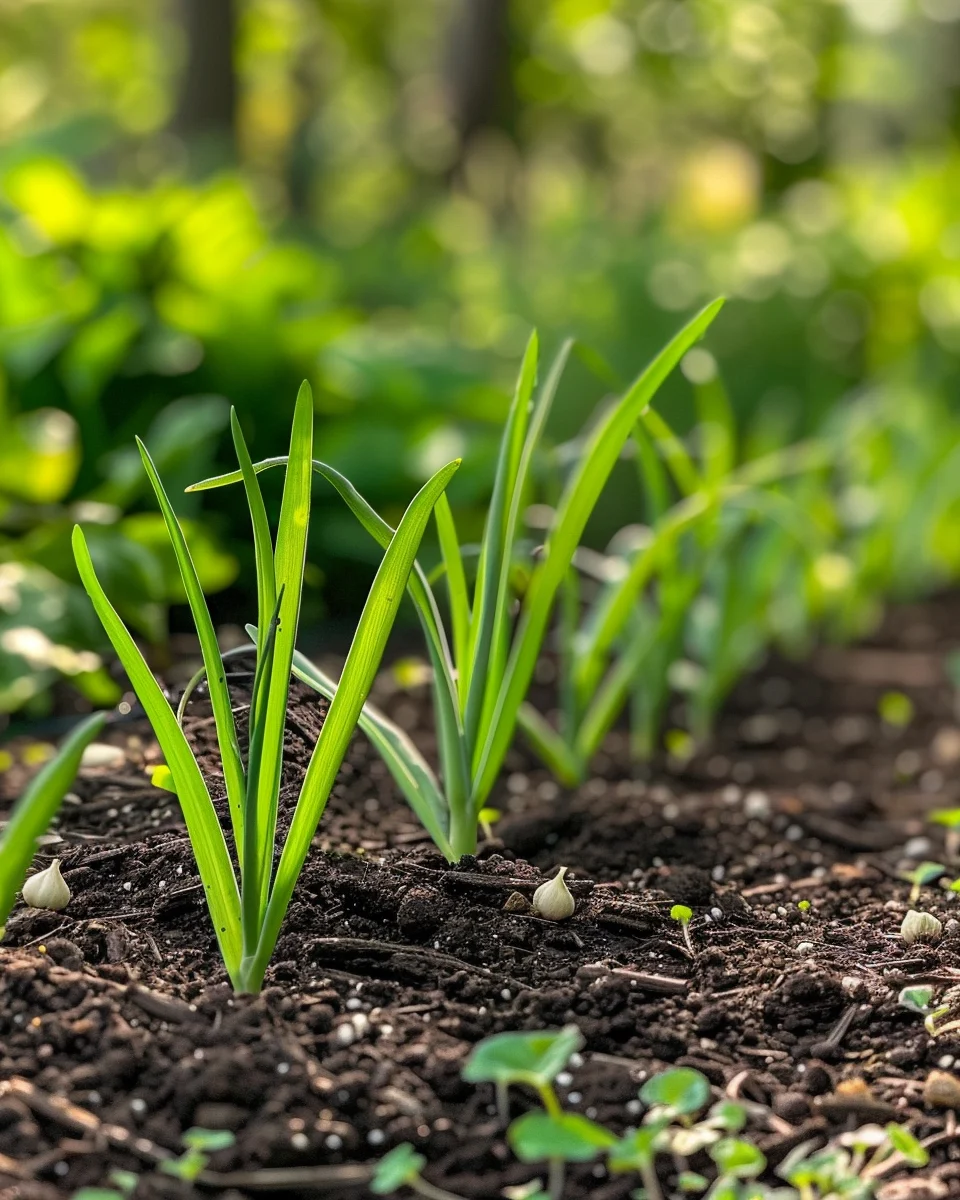
For zone 9b specifically, the optimal planting window is mid-October through December. This timing allows garlic to establish roots before the brief cool period that stimulates bulb development. In warmer parts of zone 9b, aim for November to early December plantings when nighttime temperatures consistently fall below 15°C (60°F). For coastal zone 9b areas with milder winters, the planting window can extend into January. Pre-chilling your garlic cloves in the refrigerator for 2-4 weeks before planting can help compensate for the milder winters in zone 9b. Unlike cooler zones, spring planting is generally not recommended in zone 9b as bulbs won’t have sufficient time to develop before summer heat arrives.
Best garlic varieties to grow in zone 9b
- Creole varieties – Heat-tolerant types like ‘Ajo Rojo’ and ‘Creole Red’ that were developed in warm climates and require minimal cold exposure.
- California Early – Matures quickly before intense summer heat, producing medium-sized bulbs with excellent flavor.
- Elephant Garlic – Not a true garlic but thrives in zone 9b, producing massive bulbs with milder flavor perfect for roasting.
- Silverskin – Long-storing variety with strong flavor that adapts well to warmer climates with proper care.
- Spanish Roja – A softneck variety that performs surprisingly well in zone 9b despite being traditionally grown in cooler regions.
- Early Italian Purple – Matures quickly with rich flavor and adapts well to container growing in zone 9b.
- Inchelium Red – Award-winning flavor that performs well in warmer climates with proper timing.
How to plant garlic in zone 9b
Materials needed:
- Garlic bulbs suitable for zone 9b
- Compost or aged manure
- Balanced organic fertilizer
- Light mulch material (straw or shredded leaves)
- Garden fork or tiller
- Garden trowel
- Watering can or hose with gentle spray
Step-by-step planting:
- Select a planting site that receives 6-8 hours of direct sunlight daily with well-draining soil.
- Prepare the soil by loosening it to a depth of 20-25 cm (8-10 inches) and mixing in 5-7 cm (2-3 inches) of compost.
- Break apart garlic bulbs into individual cloves, keeping the papery skin intact, and select the largest cloves for planting.
- If planting in zone 9b’s milder climate, pre-chill cloves in the refrigerator for 2-4 weeks before planting.
- Dig planting holes or trenches 5-7 cm (2-3 inches) deep, spacing cloves 10-15 cm (4-6 inches) apart in rows 30 cm (12 inches) apart.
- Place cloves in the soil with the pointed end facing up and the flat root end down.
- Cover with soil and water thoroughly but gently to avoid displacing the cloves.
- Apply a thin layer of mulch (2-3 cm/1 inch) to moderate soil temperature and conserve moisture.
- In zone 9b’s warmer climate, consider planting in slightly raised beds to improve drainage during winter rains.
How to grow garlic in zone 9b
In zone 9b, garlic requires consistent care to thrive in the warmer conditions. Provide full sun exposure (6-8 hours daily), though in the hottest parts of zone 9b, light afternoon shade can be beneficial during summer months. Water deeply once a week, providing about 2.5 cm (1 inch) of water, but reduce frequency during winter rains. In the drier parts of zone 9b, you may need to water twice weekly during hot periods. Apply a balanced organic fertilizer (10-10-10) when shoots reach 15 cm (6 inches) tall, then again about 3-4 weeks later.
Maintain a 5-7 cm (2-3 inch) layer of light-colored mulch to keep soil cool and conserve moisture, which is especially important in zone 9b’s heat. For container growing, use pots at least 20 cm (8 inches) deep with excellent drainage, and place in locations that receive morning sun but afternoon shade during the hottest months. In late spring, watch for flower stalks (scapes) on hardneck varieties and remove them promptly to direct energy to bulb formation. As summer approaches, gradually reduce watering when the lower leaves begin to yellow, typically 2-3 weeks before harvest.
Caring for garlic in zone 9b
In zone 9b’s warm climate, garlic requires vigilant care to prevent stress from heat. Monitor soil moisture carefully, especially during dry spells, maintaining even moisture until bulbs begin to mature. Stop watering completely 2-3 weeks before harvest to allow bulbs to cure properly. Common pests in zone 9b include thrips and onion maggots – control with neem oil spray or diatomaceous earth applied around plants. Watch for signs of white rot (yellowing leaves and white fungal growth) and downy mildew (yellow spots on leaves), which can be problematic in zone 9b’s humidity. Improve air circulation between plants and avoid overhead watering to prevent fungal issues.
Harvest garlic when the lower third to half of the leaves have turned yellow but before all leaves dry completely, typically in May to early June in zone 9b. Carefully dig (don’t pull) bulbs using a garden fork, then cure them in a warm, dry, well-ventilated location out of direct sunlight for 2-3 weeks. After curing, trim roots to 1 cm (½ inch), cut tops to 2.5-5 cm (1-2 inches), and store in a cool, dry place with good air circulation. In zone 9b’s warmth, refrigeration at 0-4°C (32-40°F) can extend storage life significantly.
Understanding bolting in garlic
Bolting in garlic occurs when the plant produces a flowering stalk (scape), diverting energy from bulb formation to seed production. In zone 9b, bolting is primarily triggered by fluctuating temperatures, particularly warm periods followed by cold snaps, rather than by day length as in cooler regions. Hardneck varieties are more prone to bolting than softneck types, which is why softnecks often perform better in zone 9b’s milder winters.
To prevent bolting, select varieties adapted to warmer climates, maintain consistent soil moisture, and apply mulch to moderate soil temperature fluctuations. Proper planting timing is crucial – planting too early in fall can expose developing plants to temperature swings that trigger bolting. If scapes do appear, remove them promptly by cutting or snapping them off as soon as they begin to curl. The good news is that garlic scapes are edible and delicious, with a mild garlic flavor perfect for pestos and stir-fries, so bolting isn’t a complete loss in your garden.
Why does garlic turn bitter?
- Harvesting too late – In zone 9b’s heat, garlic left in the ground too long can develop a bitter taste; harvest when lower leaves begin yellowing but before all foliage dries.
- Improper storage – Storing garlic in high humidity or refrigeration (except for long-term storage) can cause sprouting and bitterness; cure properly and store in cool, dry conditions.
- Heat stress during growth – Excessive heat in zone 9b without adequate mulching or irrigation can stress plants, leading to bitter compounds; maintain consistent moisture and use light-colored mulch.
- Soil mineral imbalances – Too much nitrogen fertilizer promotes leafy growth at the expense of bulb quality; use balanced fertilizers and test soil before amending.
- Variety selection – Some varieties naturally have stronger, more pungent flavors that may be perceived as bitter; experiment with milder varieties if preferred.
Companion planting for garlic
Garlic makes an excellent companion for many plants in zone 9b gardens, offering natural pest protection while benefiting from certain neighbors. Plant garlic near tomatoes to help repel spider mites and other tomato pests, while the tomatoes’ shade can protect garlic from excessive afternoon heat in zone 9b. Peppers benefit from garlic’s ability to deter aphids, and both crops enjoy similar growing conditions in zone 9b’s warm climate. Strawberries paired with garlic show improved vigor and reduced fungal issues, as garlic has natural fungicidal properties.
Cucumbers and other cucurbits benefit from garlic’s ability to repel many common garden pests, while herbs like chamomile and summer savory are said to improve garlic’s flavor and growth. However, avoid planting garlic near legumes (beans and peas) as garlic can inhibit their growth and nitrogen fixation. Similarly, keep garlic away from asparagus, as they compete for nutrients and can inhibit each other’s development. In zone 9b’s extended growing season, careful companion planning can maximize garden productivity while reducing pest and disease issues naturally.
Seasonal calendar
- October-December: Prime planting time for garlic in zone 9b; prepare beds with compost and plant cloves.
- January-February: Monitor for adequate moisture during dry spells; apply light fertilizer if growth seems slow.
- March: Apply balanced fertilizer as plants actively grow; ensure consistent watering as temperatures rise.
- April: Watch for and remove scapes on hardneck varieties; begin reducing water as first leaves yellow.
- May-June: Harvest time when lower third to half of leaves have yellowed; carefully dig and begin curing process.
- July-August: Complete curing and prepare storage; save best bulbs for replanting in fall.
- September: Prepare planting beds for next crop; add compost and amendments based on soil tests.
Problems & solutions
| Problem | Quick Fix |
|---|---|
| Small bulbs | Plant earlier in the season (October-November), choose varieties suited to zone 9b, and ensure adequate fertilization. |
| Yellowing leaves before maturity | Check for root rot from overwatering; improve drainage and reduce irrigation frequency. |
| Soft, rotting cloves | Likely white rot fungus; remove affected plants, avoid planting alliums in that location for 4-5 years. |
| Stunted growth | Test soil pH (garlic prefers 6.0-7.0); amend with sulfur if too alkaline or lime if too acidic. |
| Leaf tips browning | Common in zone 9b heat; ensure consistent watering and consider afternoon shade cloth during hottest months. |
| Premature sprouting in storage | Store in cooler conditions (0-4°C/32-40°F) with low humidity; consider refrigeration in zone 9b’s warmth. |
Common questions about growing garlic in zone 9b
Q: Can I grow garlic year-round in zone 9b?
A: No, garlic has a specific growing season even in zone 9b. Plant in fall (October-December) for harvest in late spring to early summer (May-June). The summer heat in zone 9b is too intense for garlic growth.
Q: How much sunlight do garlic plants need in zone 9b?
A: Garlic needs 6-8 hours of sunlight daily, but in zone 9b’s intense summer heat, afternoon shade can be beneficial during the final growth stages in April-May.
Q: What size container works for growing garlic in zone 9b?
A: Use containers at least 20 cm (8 inches) deep and 25 cm (10 inches) in diameter, with excellent drainage. Each container this size can accommodate 4-6 garlic plants.
Q: How far apart should I plant garlic cloves in zone 9b?
A: Space cloves 10-15 cm (4-6 inches) apart in rows 30 cm (12 inches) apart. In zone 9b’s heat, slightly wider spacing (15 cm/6 inches) improves air circulation and reduces disease pressure.
Q: Can garlic survive the summer heat in zone 9b?
A: Mature garlic cannot tolerate zone 9b’s summer heat. Time your planting so harvest occurs before intense summer temperatures arrive (typically by early June), then cure and store the bulbs.
Q: How often should I water garlic in zone 9b?
A: Water deeply once a week during cool months, increasing to twice weekly during dry, warm periods. Reduce and then stop watering when bulbs begin to mature (when lower leaves yellow) about 2-3 weeks before harvest.
Q: Do I need to pre-chill garlic cloves before planting in zone 9b?
A: While not absolutely required, pre-chilling cloves in the refrigerator for 2-4 weeks before planting can improve bulb development in zone 9b’s milder winters, especially for varieties that typically need more cold exposure.