
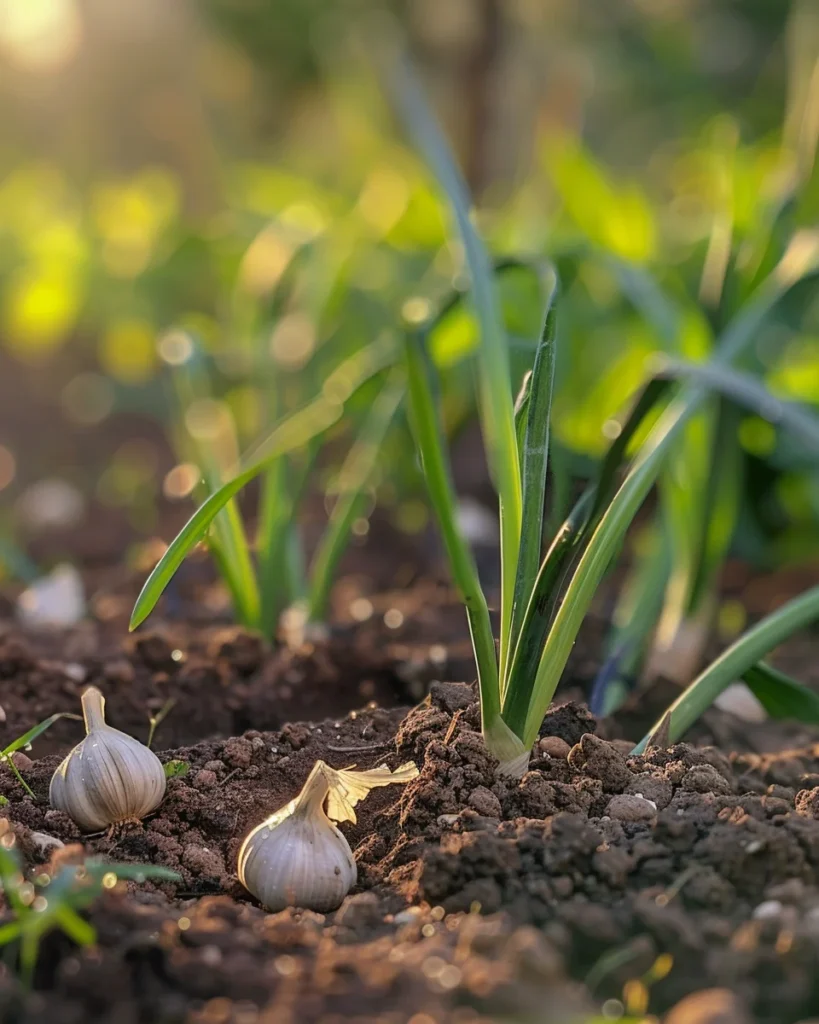
How to Grow Garlic in Warm Climates: When to Plant, Best Varieties & Care Tips
Intro for growing garlic in warm climates
Growing garlic in warm climates presents unique challenges but offers rewarding results when done correctly. Garlic (Allium sativum) is traditionally a cool-weather crop that requires a period of cold to develop properly. However, with the right varieties and techniques, gardeners in USDA zones 7-10, Mediterranean regions, and other warm areas can successfully cultivate this flavorful bulb. Home-grown garlic delivers superior flavor and health benefits compared to store-bought options. This guide will walk you through the adaptations needed for warm-climate garlic growing, from selecting heat-tolerant varieties to timing your planting to avoid the worst summer heat.
When to plant garlic in warm climates
In warm climates, the traditional fall planting schedule needs adjustment. Plant garlic when soil temperatures have cooled to 10-15°C (50-60°F), typically in late fall or early winter. Unlike cooler regions where September-October planting is standard, warm-climate gardeners often plant in November-December or even January, depending on your specific location.
Garlic needs some exposure to cold temperatures (vernalization) to form bulbs properly, but in warm regions, you’ll be working with shorter, milder cold periods. Some heat-tolerant varieties require less vernalization, making them ideal choices. Avoid planting during periods when temperatures consistently exceed 27°C (80°F), as high heat can prevent proper bulb formation.
Best time to plant garlic in warm climates
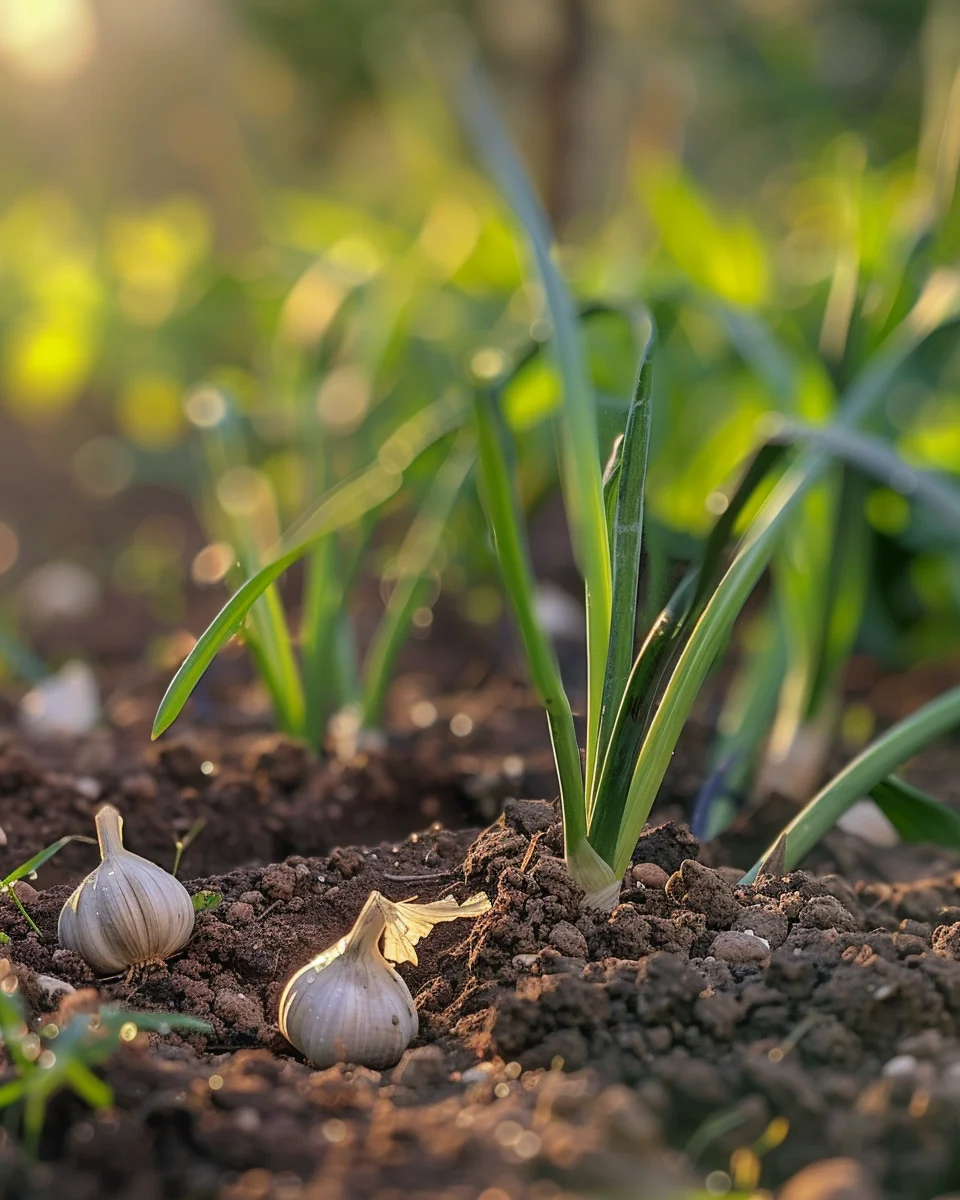
For warm Mediterranean-type climates (USDA zones 8-10), the optimal planting window is November through January. This timing allows garlic to establish roots during mild winter conditions before bulbing begins in spring. In subtropical regions, aim for the coolest months—often December through February.
If using pre-chilled garlic (artificially vernalized), you can plant slightly later, even into February in the warmest regions. For container growing, you gain flexibility to move plants to cooler spots during heat waves, extending your planting window by a few weeks on either end.
Regardless of your specific warm climate, aim to harvest before summer temperatures consistently exceed 32°C (90°F), as extreme heat degrades bulb quality and storage potential.
Best garlic varieties to grow in warm climates
- Creole varieties – Developed in warm regions like Louisiana and Spain, these heat-tolerant types like ‘Ajo Rojo’ and ‘Creole Red’ require minimal cold exposure.
- Turban garlic – Early-maturing varieties like ‘Thai Purple’ and ‘Chinese Pink’ that can be harvested before intense summer heat arrives.
- Silverskin – ‘Silver White’ and ‘California Late’ varieties adapt well to warm conditions and offer excellent storage potential.
- Artichoke types – ‘Inchelium Red’ and ‘California Early’ feature heat tolerance and milder flavors perfect for everyday cooking.
- Elephant garlic – Not true garlic but a leek relative, it’s more heat-tolerant with milder flavor and impressive size.
- Taiwan garlic – Specifically bred for tropical and subtropical conditions, requiring minimal vernalization.
- Italian Late – Despite the name, this variety matures relatively early in warm climates and handles heat well.
How to plant garlic in warm climates
Materials needed:
- Garlic bulbs from a reputable source (avoid grocery store garlic)
- Compost or well-rotted manure
- Light-colored mulch (straw or shredded leaves)
- Garden fork or tiller
- Garden trowel
- Watering can or irrigation system
- Organic fertilizer (balanced NPK)
Step-by-step planting:
- Select a planting site that receives 6-8 hours of sunlight but has afternoon shade in the hottest regions.
- Prepare soil by loosening to a depth of 15-20 cm (6-8 inches) and incorporating 5-7 cm (2-3 inches) of compost.
- Break apart garlic bulbs into individual cloves, keeping the papery skin intact. Select the largest cloves for planting.
- If possible, pre-chill cloves in the refrigerator for 2-3 weeks before planting to simulate winter conditions.
- Plant cloves 5 cm (2 inches) deep with the pointed end facing up.
- Space cloves 10-15 cm (4-6 inches) apart in rows 30 cm (12 inches) apart.
- Water thoroughly after planting to settle soil around cloves.
- Apply a 5-7 cm (2-3 inch) layer of light-colored mulch to keep soil cool and conserve moisture.
- In extremely warm areas, consider providing temporary shade during the hottest part of the day.
How to grow garlic in warm climates
Sunlight requirements: In warm climates, garlic benefits from morning sun with afternoon shade during the hottest months. While garlic needs 6-8 hours of sunlight, protecting it from intense afternoon heat improves bulb development.
Watering schedule: Maintain consistent soil moisture without waterlogging. Water deeply once weekly during cooler months, increasing to twice weekly during dry periods. Reduce watering when foliage begins to yellow, stopping completely 2-3 weeks before harvest.
Fertilizing: Apply a balanced organic fertilizer (10-10-10) at planting time. Follow with nitrogen-rich fertilizer (like fish emulsion) when growth begins, then switch to a phosphorus-potassium fertilizer (like 5-10-10) when bulbs begin forming in spring.
Mulching: Use light-colored organic mulch like straw or shredded leaves to reflect heat, maintain soil moisture, and suppress weeds. Keep mulch 5-7 cm (2-3 inches) thick, refreshing as needed.
Growing in containers: Select containers at least 20 cm (8 inches) deep with drainage holes. Use high-quality potting mix amended with compost. Space cloves 10 cm (4 inches) apart, and position containers where they can be moved to cooler locations during heat waves.
Caring for garlic in warm climates
Monitor soil moisture carefully during warm spells, as garlic in hot climates can quickly dry out. Remove any flower stalks (scapes) as soon as they appear to direct energy to bulb formation. Regularly check for signs of heat stress, including yellowing leaves or stunted growth.
Common pests and diseases:
- Thrips – Cause silvery streaks on leaves; control with insecticidal soap or neem oil sprays.
- White rot – Fungal disease causing yellowing leaves and rotting bulbs; prevent with crop rotation and avoid planting infected areas.
- Leaf blight – Brown spots on leaves; improve air circulation and avoid overhead watering.
- Nematodes – Microscopic worms that damage roots; use marigold cover crops in rotation years.
Harvest and storage: Harvest when lower third to half of leaves have yellowed, typically 4-6 weeks earlier than in cool climates. Cure harvested bulbs in a warm, dry, well-ventilated location for 2-3 weeks. Once cured, store in a cool, dry place with good air circulation—though expect shorter storage life (3-5 months) than garlic grown in cooler regions.
Understanding bolting in garlic in warm climates
Bolting refers to when garlic sends up a flowering stalk (scape), diverting energy from bulb formation. In warm climates, inconsistent temperatures—particularly warm periods followed by brief cold snaps—can trigger premature bolting. Photoperiod changes (lengthening days) combined with heat stress are common triggers in warm regions.
To prevent bolting, select heat-tolerant varieties less prone to this issue. Maintain consistent soil moisture and temperature with proper mulching. Plant at the correct time for your specific climate to ensure plants establish before temperature fluctuations occur.
If bolting occurs, promptly remove scapes by cutting them at the base. While this won’t completely reverse the process, it redirects some energy back to bulb development. Bolted garlic is still edible but produces smaller bulbs with shorter storage life.
Why does garlic in warm climates turn bitter?
- Heat stress – Temperatures consistently above 32°C (90°F) can alter garlic’s flavor compounds; plant earlier to harvest before extreme heat.
- Improper curing – Curing in excessive heat can cause bitterness; cure in warm (not hot) locations with good airflow.
- Harvesting too late – Overmaturity in warm conditions leads to strong flavors; harvest when 1/3 to 1/2 of leaves have yellowed.
- Soil mineral imbalances – Excessive sulfur or nitrogen can intensify flavor; test soil and amend appropriately.
- Variety selection – Some varieties naturally develop stronger flavors in heat; choose milder varieties for warm climates.
Companion planting for garlic in warm climates
Good companions:
- Tomatoes – Garlic repels spider mites and other tomato pests while tomatoes provide afternoon shade.
- Peppers – Similar benefits as tomatoes, plus both crops enjoy similar watering schedules.
- Fruit trees – Garlic planted under fruit trees helps deter borers and other pests.
- Carrots – Garlic’s strong scent masks the smell that attracts carrot flies.
- Eggplant – Garlic helps repel many eggplant pests and benefits from eggplant’s shade in hot climates.
Avoid planting near:
- Legumes (beans, peas) – Garlic can stunt their growth and interfere with nitrogen fixation.
- Asparagus – Both compete for similar nutrients and can inhibit each other’s growth.
- Other alliums (onions, leeks) – Share pests and diseases, increasing vulnerability in warm climates.
Seasonal calendar
- October-November: Prepare planting beds, pre-chill garlic cloves if needed.
- November-January: Plant garlic cloves (timing depends on your specific warm climate zone).
- February-March: Apply nitrogen-rich fertilizer as active growth begins, maintain consistent watering.
- April: Switch to phosphorus-potassium fertilizer, remove any scapes that appear.
- May: Begin reducing water as leaves start to yellow (earlier in very hot regions).
- May-June: Harvest when 1/3 to 1/2 of leaves have yellowed (earlier than in cool climates).
- June-July: Cure harvested garlic in warm, dry location with good airflow.
- July-August: Store cured garlic, prepare for next planting cycle.
- September: Source new seed garlic if needed, begin soil preparation for next crop.
Note: In subtropical or tropical regions, shift this calendar earlier by 1-2 months.
Problems & solutions
| Problem | Quick Fix |
|---|---|
| Small bulbs | Plant earlier in the season, select heat-tolerant varieties, ensure adequate phosphorus and potassium. |
| Premature yellowing | Check for overwatering or underwatering; ensure proper drainage and consistent moisture. |
| Soft/rotting cloves | Improve air circulation, reduce watering, harvest earlier in warm climates before summer heat intensifies. |
| Splitting bulbs | Maintain consistent moisture (avoid drought followed by heavy watering), harvest promptly when ready. |
| No bulb formation | Ensure varieties are suitable for warm climates, pre-chill cloves before planting, plant during coolest period. |
| Sunscald on leaves | Provide afternoon shade during hottest months, use reflective mulch to reduce soil temperature. |
| Poor storage life | Cure thoroughly in warm (not hot) conditions, store in cool, dry place with good ventilation. |
Common questions about growing garlic in warm climates
Can I grow garlic year-round in warm climates?
No, garlic still requires a growing season with some cooler temperatures. In warm climates, focus on growing during the coolest months (typically November-May), harvesting before intense summer heat arrives.
How much sunlight does garlic need in hot regions?
In very warm climates, garlic benefits from 6-8 hours of sunlight with protection from intense afternoon sun. Morning sun with dappled afternoon shade is ideal when temperatures exceed 32°C (90°F).
What size container works for growing garlic?
Use containers at least 20 cm (8 inches) deep with a width that allows 10-15 cm (4-6 inches) spacing between cloves. A 40 cm (16-inch) diameter pot can accommodate about 8-10 garlic plants.
Do I need to refrigerate garlic before planting in warm climates?
Pre-chilling garlic cloves for 2-3 weeks at 4-10°C (40-50°F) before planting can improve bulb formation in warm climates by simulating winter conditions. This is especially helpful for varieties requiring more vernalization.
How can I tell when garlic is ready to harvest in warm regions?
Harvest when the lower third to half of the leaves have yellowed but before all leaves dry completely. In warm climates, this typically occurs 4-6 weeks earlier than in cooler regions, often in May or early June.
Can I save my own garlic for replanting in warm climates?
Yes, but select the largest, healthiest bulbs from your harvest and store them in cool, dry conditions until planting time. In very warm regions, you may need to refrigerate seed garlic to provide adequate vernalization.
Why is my garlic sprouting early in storage?
Early sprouting is common in warm-climate garlic due to shorter dormancy periods. To extend storage life, keep harvested garlic in the coolest location available (ideally 10-15°C/50-60°F) with low humidity and good air circulation.