
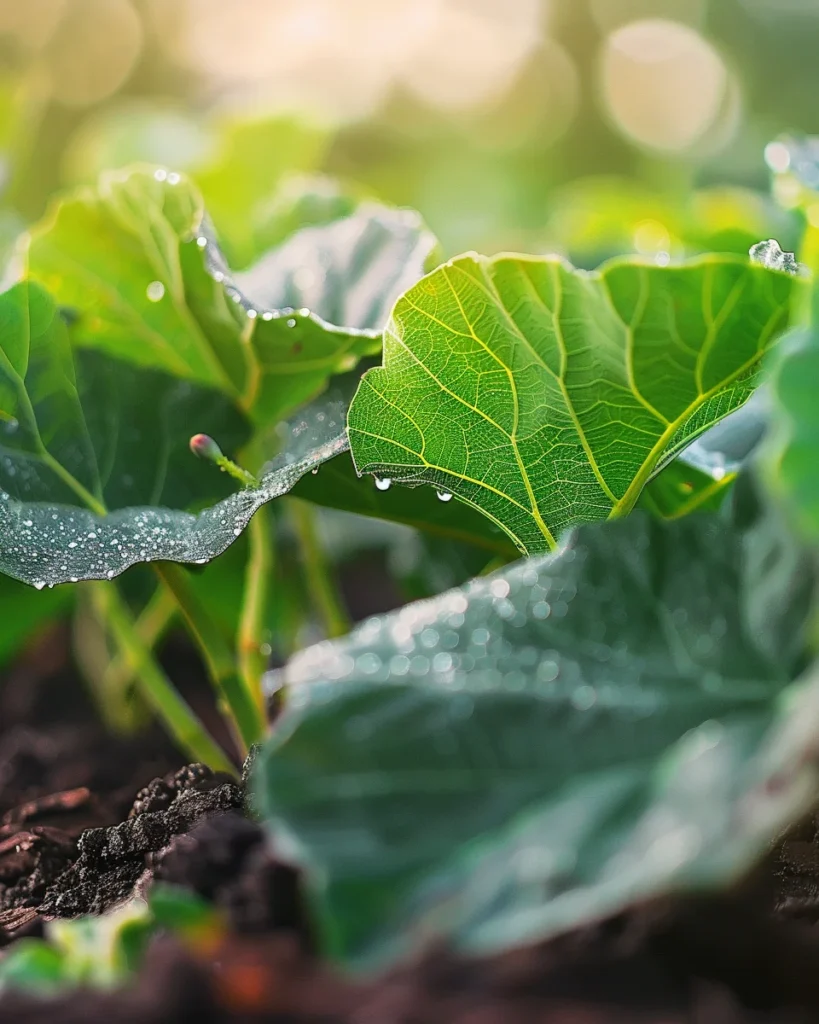
How to Grow Figs in Cold Climates: When to Plant, Best Cold-Hardy Varieties & Winter Protection
Intro for growing figs in cold climates
Figs (Ficus carica) are typically associated with Mediterranean climates, but with the right techniques and varieties, these sweet, honeyed fruits can thrive even in colder regions. Growing figs in cold climates (USDA zones 5-7 or UK zones 7-8) requires some special considerations, but the reward of harvesting your own fresh figs makes the effort worthwhile. These ancient fruits are not only delicious but also relatively low-maintenance once established, contain beneficial fiber and nutrients, and make stunning landscape specimens with their distinctive lobed leaves. With proper winter protection and site selection, cold-climate gardeners can enjoy bountiful fig harvests from their own backyards.
When to plant figs in cold climates
In cold climates, timing is crucial for fig planting success. The ideal planting window is after all danger of frost has passed and soil temperatures have warmed to at least 15-18°C (60-65°F). For most cold regions, this means late spring to early summer. Planting during this period gives young fig trees time to establish before facing their first winter challenge. Unlike warmer regions where fall planting works well, cold-climate gardeners should avoid autumn planting as trees won’t have sufficient time to establish before winter dormancy and could suffer significant cold damage.
Best time to plant figs in cold climates
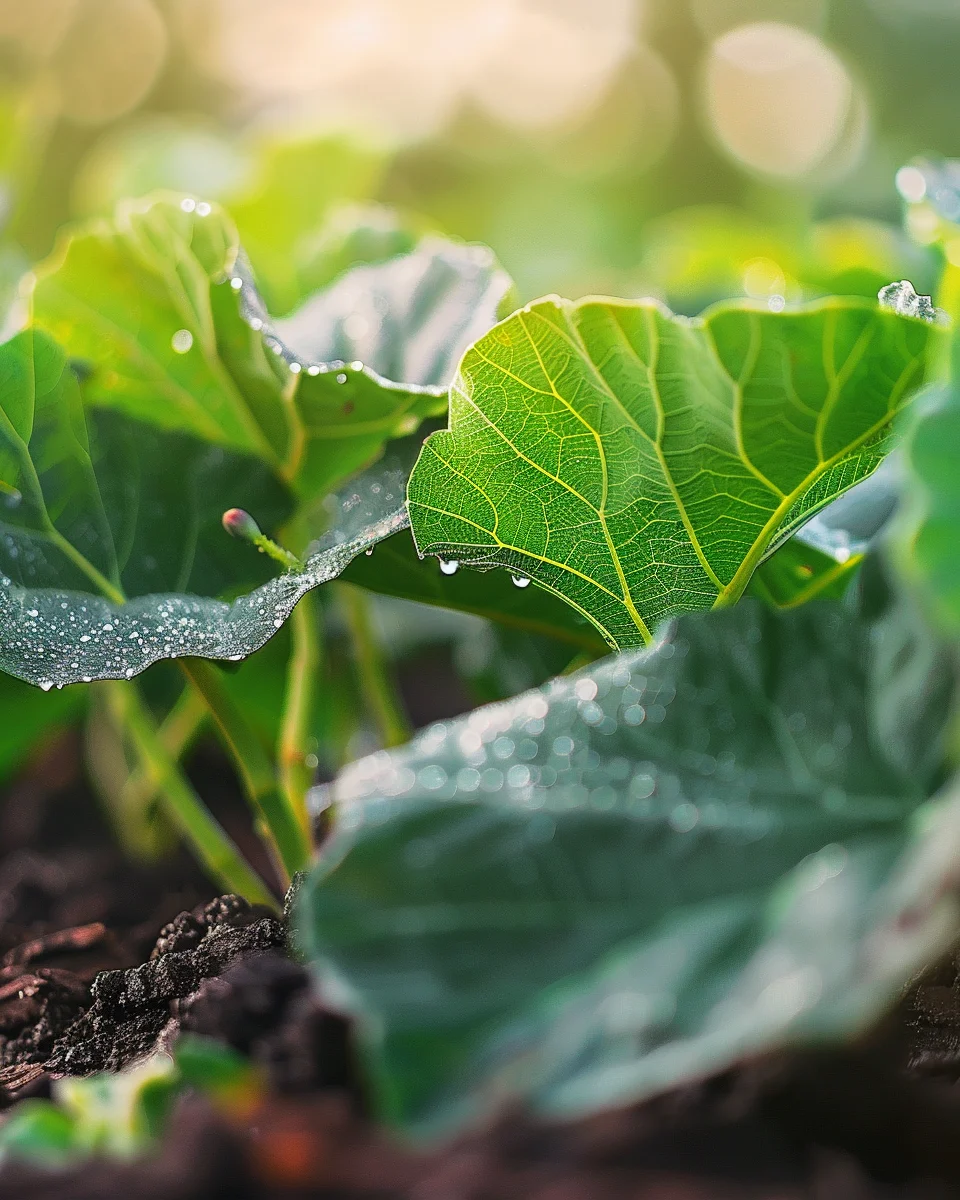
For northern temperate regions (USDA zones 5-6, UK zones 7-8), plant figs between mid-May and mid-June when soil has thoroughly warmed. In slightly milder cold climates (USDA zone 7), the planting window extends from late April through June. Container-grown figs can be planted anytime during the growing season but benefit most from early-season planting. If you’re starting from bare-root stock, early spring planting (as soon as soil can be worked) is preferable to give roots maximum establishment time before winter. Always wait until nighttime temperatures consistently remain above 10°C (50°F) before planting outdoor figs.
Best fig varieties to grow in cold climates
- Chicago Hardy – Exceptionally cold-tolerant to -29°C (-20°F) when dormant; will often regrow from roots even if top growth dies back.
- Brown Turkey – Reliable producer in cooler regions with medium-sized, sweet brown-purple fruits; can withstand temperatures to -15°C (5°F) with protection.
- Celeste – Compact size makes it ideal for containers; produces small, sweet figs and shows good cold hardiness to -12°C (10°F).
- Desert King – Produces reliable breba (early) crop even in short seasons; good for northern gardens where summer may not be long enough for main crop.
- Marseilles – Also called ‘Lemon Fig’; ripens early, making it suitable for shorter growing seasons in colder regions.
- Ronde de Bordeaux – Early ripening with excellent flavor; compact growth habit perfect for container culture in cold areas.
- Brunswick – Hardy to -12°C (10°F) with protection; produces large, sweet figs with a long harvest period.
How to plant figs in cold climates
Materials needed:
- Fig tree (potted or bare root)
- Compost or well-rotted manure
- Garden spade and fork
- Watering can or hose
- Mulch (straw, wood chips, or bark)
- Stakes (if planting in windy location)
- Burlap and straw (for winter protection)
- Large container (if growing in pots)
Step-by-step planting:
- Select a planting site with maximum sun exposure and protection from cold winds – south or west-facing walls provide excellent microclimate benefits.
- Prepare the soil by digging a hole twice as wide as the root ball but no deeper than the original container depth.
- Mix compost or well-rotted manure into the excavated soil at a ratio of about 1:3 (compost to soil).
- If your soil drains poorly, consider planting in a raised bed or mound to improve drainage, as figs hate wet feet.
- Remove the fig from its container, gently loosen the roots if pot-bound, and place in the hole with the top of the root ball level with the soil surface.
- Backfill with the amended soil, firming gently to eliminate air pockets but not compacting heavily.
- Water thoroughly after planting to settle the soil around roots.
- Apply a 5-10cm (2-4in) layer of mulch around the base, keeping it a few inches away from the trunk to prevent rot.
- For container planting, select a pot at least 45-60cm (18-24in) in diameter with drainage holes, using a mix of 70% potting soil and 30% compost or well-rotted manure.
How to grow figs in cold climates
Figs need full sun to thrive in cold climates – provide at least 6-8 hours of direct sunlight daily. In the first year, water newly planted figs regularly to establish a strong root system, providing about 2.5cm (1in) of water weekly when rainfall is insufficient. Once established, figs are somewhat drought-tolerant but produce better with consistent moisture, especially during fruit development.
Fertilize sparingly – excessive nitrogen promotes leafy growth at the expense of fruit. Apply a balanced organic fertilizer (like 5-5-5) in early spring, or use compost as a top dressing. Avoid fertilizing after mid-summer to prevent stimulating tender new growth before winter.
For cold-climate success, training figs against a wall (espalier method) maximizes heat absorption and wind protection. Prune in late winter while the tree is dormant, removing dead or damaged branches and thinning to improve air circulation. Container-grown figs should be moved to protected locations (unheated garage, shed, or basement) when temperatures approach freezing, keeping the soil barely moist during winter dormancy.
Caring for figs in cold climates
Winter protection is the most critical aspect of cold-climate fig care. For in-ground trees, when temperatures drop below -10°C (14°F), wrap the trunk and branches with burlap or frost cloth, then surround with straw or leaves contained within chicken wire. Some gardeners build insulated “fig houses” using wooden frames covered with insulation and plastic.
The main pests affecting figs in cold climates include birds (use netting when fruits ripen) and occasionally fig rust (orange spots on leaves). Treat rust by removing affected leaves and improving air circulation. Root-knot nematodes can be problematic in containers; prevent by using sterile potting mix and not reusing soil from affected plants.
Harvest figs when they soften and droop slightly on the branch. They won’t continue ripening once picked, so patience is key. In cold climates, focus on the breba (early) crop that forms on last year’s wood, as the main crop may not have time to ripen before frost. Fresh figs keep only briefly; refrigerate for 2-3 days or freeze for longer storage.
Understanding bolting in figs
Unlike leafy vegetables, figs don’t bolt in the traditional sense. However, they can experience stress responses in cold climates that affect fruiting. When fig trees break dormancy too early due to fluctuating late winter/early spring temperatures, the tender new growth becomes vulnerable to late frosts. This can kill developing fruit buds and sometimes branches.
To prevent this cold-climate challenge, delay spring growth by keeping winter protection in place until all danger of frost has passed. For container figs, keep them in protected storage until stable spring temperatures arrive. If unexpected late frosts threaten after growth has started, cover trees with frost cloth or blankets overnight. Should frost damage occur, prune affected areas back to healthy tissue once the danger of frost has completely passed.
Why does fig fruit fail to ripen?
- Insufficient heat units – Solution: Choose early-ripening varieties and plant against south-facing walls to maximize heat absorption.
- Short growing season – Solution: Focus on breba crop varieties that produce on previous year’s wood; protect trees to prevent winter dieback.
- Excessive nitrogen fertilizer – Solution: Reduce fertilization and use phosphorus-potassium rich formulations to encourage fruiting.
- Insufficient pollination – Solution: Most cold-hardy figs are self-fertile and don’t require pollination, but ensure adequate air circulation.
- Winter damage to fruiting wood – Solution: Improve winter protection methods; consider growing in containers that can be moved to protected locations.
Companion planting for figs
Good companions:
- Comfrey – Deep roots bring up nutrients that benefit figs when leaves are used as mulch.
- Herbs like rosemary and lavender – Thrive in similar well-drained conditions and deter some pests.
- Strawberries – Make good ground cover under fig trees, maximizing garden space.
- Marigolds – Help repel nematodes that can damage fig roots.
- Nasturtiums – Attract pollinators and beneficial insects while serving as trap crops for aphids.
Avoid planting near:
- Walnut trees – Produce juglone, a chemical that inhibits growth of many plants including figs.
- Vegetables requiring frequent watering – Create overly moist conditions that figs dislike.
- Aggressive vines – May compete with or overwhelm young fig trees.
Seasonal calendar
- Late Winter (February-March) – Prune dormant trees; maintain winter protection until danger of frost passes.
- Spring (April-May) – Remove winter protection when frost danger passes; apply compost top dressing; plant new trees after soil warms.
- Early Summer (June) – Begin regular watering schedule; apply mulch to retain moisture; watch for breba crop on some varieties.
- Mid-Summer (July-August) – Maintain consistent watering during fruit development; harvest breba crop; protect ripening fruit from birds.
- Late Summer/Early Fall (September-October) – Harvest main crop if climate permits; reduce watering to help trees harden off for winter.
- Late Fall (November) – Begin winter protection measures when temperatures approach freezing; move container figs to protected locations.
- Winter (December-January) – Maintain winter protection; check occasionally for rodent damage; keep container figs barely moist.
Problems & solutions
| Problem | Quick Fix |
|---|---|
| Winter dieback | Improve winter protection; prune dead wood in spring; consider hardier varieties or container growing. |
| Fruit drops before ripening | Ensure consistent watering during fruit development; avoid nitrogen-heavy fertilizers. |
| Few or no fruits forming | Ensure adequate sunlight; protect from late frosts; choose varieties suited to short seasons. |
| Yellowing leaves | Check for overwatering; improve drainage; apply balanced fertilizer if nutrient deficiency is suspected. |
| Leaf rust (orange spots) | Remove affected leaves; improve air circulation; apply organic fungicide if severe. |
| Cracked fruits | Maintain consistent moisture levels, especially during fruit development. |
| Root damage in containers | Provide adequate winter protection for container roots; consider wrapping pots with insulation. |
Common questions about growing figs in cold climates
Q: Can figs really survive in cold climates?
A: Yes, with the right varieties and winter protection methods, figs can survive and produce fruit in USDA zones 5-7. Chicago Hardy and Brown Turkey are particularly resilient choices.
Q: Should I grow figs in containers or in the ground in cold regions?
A: Containers offer the advantage of mobility, allowing you to move trees to protected locations in winter. In-ground planting can work with proper site selection and winter protection measures.
Q: How much sun do figs need in cold climates?
A: Maximum sun exposure is crucial in cold climates – aim for at least 8 hours of direct sunlight daily, preferably against a south or west-facing wall that provides additional warmth.
Q: When will my cold-climate fig tree produce fruit?
A: Most fig trees begin producing in their second or third year. In cold climates, focus on varieties that produce a breba crop (on previous year’s wood) as these fruits will have time to ripen even in shorter growing seasons.
Q: How do I overwinter fig trees in cold climates?
A: Container figs should be moved to an unheated garage or basement where temperatures stay between -1°C and 10°C (30-50°F). In-ground figs need insulation – wrap the trunk and branches with burlap, then surround with straw or leaves contained within a wire cage.
Q: How often should I water fig trees in cold climates?
A: During the growing season, provide about 2.5cm (1in) of water weekly when rainfall is insufficient. Reduce watering in fall to help trees harden off, and keep barely moist during winter dormancy.
Q: Can I espalier fig trees in cold climates?
A: Espalier (training against a wall) is an excellent technique for cold-climate figs, as it maximizes heat absorption and provides wind protection. South or west-facing walls are ideal locations.