
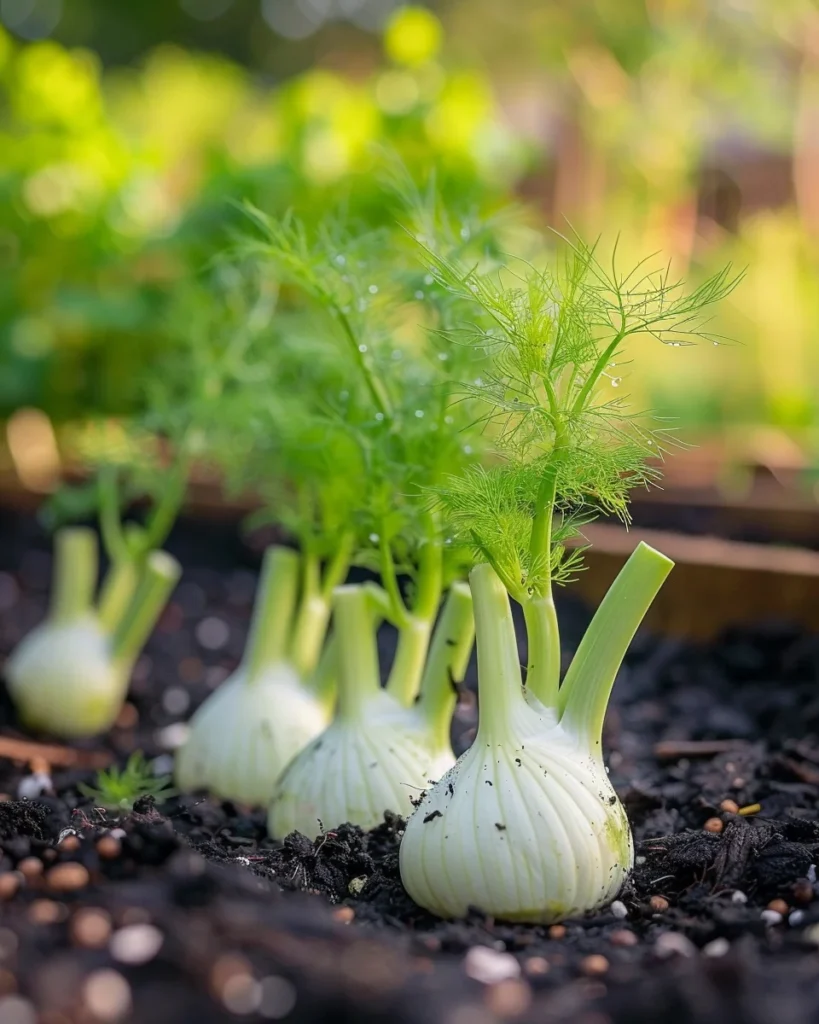
How to Grow Fennel Bulb in Containers: Complete Guide for Crisp, Aromatic Harvests
Intro for growing fennel bulb in containers
Fennel bulb (Foeniculum vulgare var. azoricum) is a versatile Mediterranean vegetable prized for its crisp, anise-flavored bulb and feathery foliage. Growing fennel in containers offers several advantages: it prevents this assertive plant from taking over your garden, allows precise control of growing conditions, and helps manage its tendency to cross-pollinate with other plants in the Apiaceae family. Container-grown fennel thrives in full sun and well-draining soil, making it perfect for patios, balconies, and small gardens. With its striking height (up to 1.5m/5ft) and delicate, blue-green foliage, fennel adds both culinary value and ornamental interest to your container garden.
When to plant fennel bulb in containers
Fennel bulb is a cool-season crop that performs best when temperatures range between 15-21°C (60-70°F). In temperate regions, fennel can be planted in early spring once soil temperatures reach at least 10°C (50°F) or in late summer for a fall harvest. Fennel is frost-sensitive when young but mature plants can tolerate light frosts down to -3°C (27°F). In Mediterranean or warm-temperate climates (US Zones 8-10), fennel can be grown as a winter crop, while in cooler regions (US Zones 4-7), it’s best grown in spring through early summer or as a fall crop.
Best time to plant fennel bulb in containers
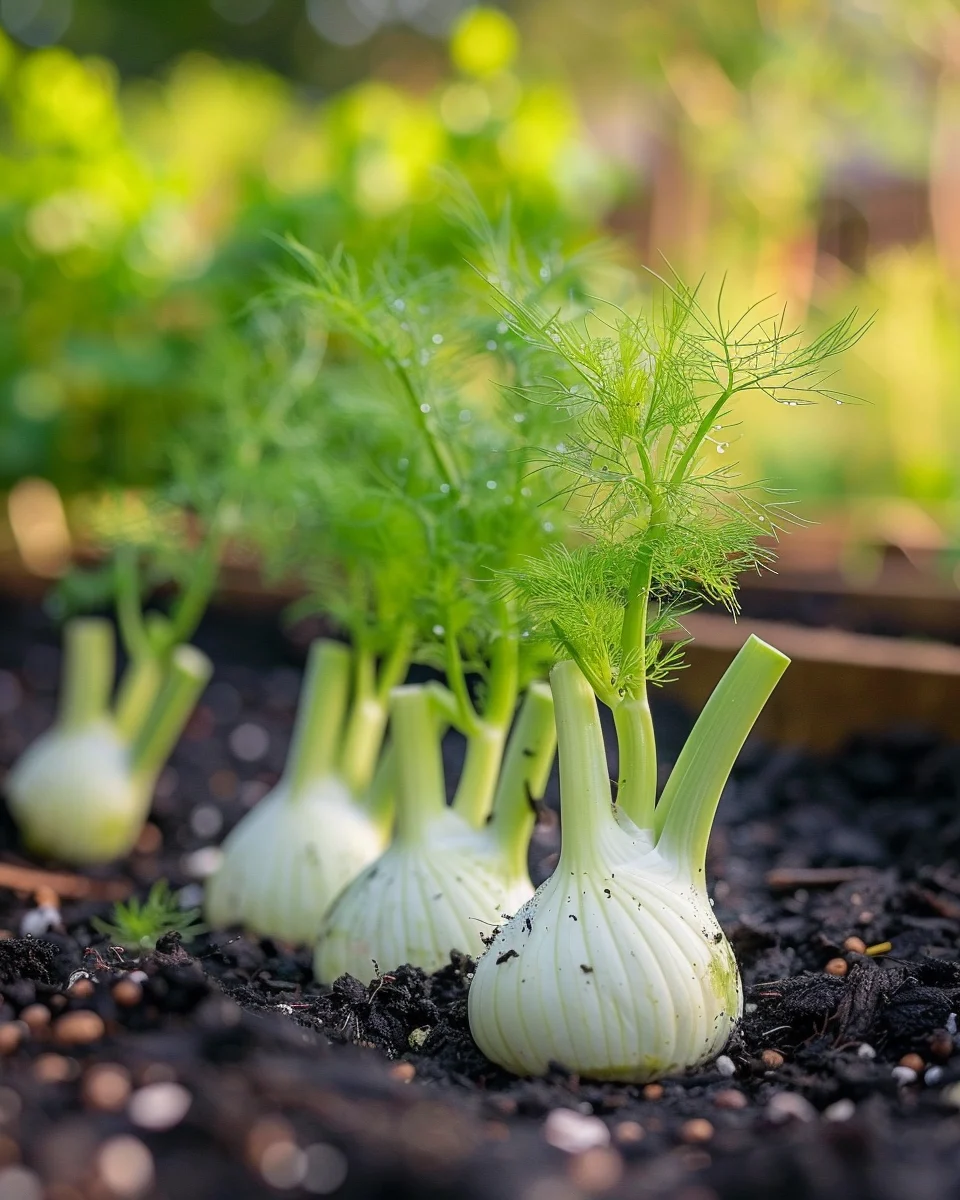
For cool-temperate regions (UK, Northern US, Canada), sow fennel seeds directly into containers from mid-April to early June when temperatures consistently stay above 10°C (50°F). For a fall crop, sow in late July to early August. In warm-temperate regions (Southern US, Mediterranean), direct sow from February to March for spring harvests or August to September for fall/winter harvests. For transplants, start seeds indoors 3-4 weeks before your last frost date, then move containers outdoors when seedlings have 3-4 true leaves. Avoid transplanting during hot summer months as heat stress can trigger premature bolting.
Best fennel bulb varieties to grow
- Florence Fennel (Zefa Fino) – Early-maturing variety (80-90 days) with excellent bulb development and bolt resistance, ideal for containers.
- Perfection – Produces uniform, round bulbs with superior flavor and good resistance to bolting, perfect for beginners.
- Orion F1 – Hybrid variety with excellent bulb formation, disease resistance, and tolerance to less-than-ideal growing conditions.
- Preludio F1 – Early-maturing (75 days) with excellent bolt resistance, allowing for extended growing seasons.
- Mantovano – Italian heirloom producing large, flattened bulbs with exceptional flavor and good container performance.
- Bronze Fennel – Grown primarily for its decorative bronze-purple foliage and seeds rather than bulbs, but makes an attractive container specimen.
How to plant fennel bulb in containers
Materials needed:
- Container at least 30cm (12in) deep and 30cm (12in) wide
- High-quality potting mix with added compost
- Fennel seeds or seedlings
- Organic fertilizer (balanced, slow-release)
- Watering can with fine rose attachment
- Drainage material (optional)
Step-by-step planting:
- Select a container with adequate drainage holes and at least 30cm (12in) depth to accommodate fennel’s taproot.
- Fill the container with high-quality potting mix enriched with 20% compost, leaving 2.5cm (1in) space at the top.
- For direct sowing, create shallow furrows 6mm (¼in) deep and space seeds 5cm (2in) apart.
- Cover seeds lightly with soil and water gently using a fine spray to avoid displacing seeds.
- For transplants, dig holes large enough to accommodate the root ball and space plants 20-25cm (8-10in) apart.
- Place the container in a full sun location protected from strong winds.
- Water thoroughly after planting until water drains from the bottom of the container.
- Apply a thin layer of fine mulch around seedlings once they reach 10cm (4in) tall to retain moisture.
How to grow fennel bulb in containers
Fennel requires full sunlight (at least 6-8 hours daily) to develop proper bulbs. Place containers where they’ll receive maximum sun exposure, rotating occasionally for even growth. Water consistently to maintain even soil moisture—containers dry out faster than garden soil, so check daily during hot weather. Aim to keep the soil moist but never waterlogged, typically watering when the top 2.5cm (1in) of soil feels dry.
Feed fennel in containers with a balanced, organic fertilizer (like 5-5-5) at half-strength every 3-4 weeks during the growing season. Alternatively, use a slow-release fertilizer at planting time. Thin seedlings to 20-25cm (8-10in) apart once they reach 10cm (4in) tall, selecting the strongest plants. As bulbs begin to form, gently mound soil or mulch around the base to blanch them, which improves flavor and tenderness.
For container growing, choose pots at least 30cm (12in) deep and wide per plant. Fennel’s taproot needs depth, while the feathery foliage requires space to spread. Use lightweight, well-draining potting mix rather than garden soil, which compacts in containers. In hot climates, consider light-colored containers to keep root temperatures cooler.
Caring for fennel bulb in containers
Regular care includes checking soil moisture daily during warm weather and keeping the area around plants free from weeds. Common pests include aphids, which can be controlled with a strong spray of water or insecticidal soap, and slugs, which can be managed with diatomaceous earth sprinkled around plants. Fennel rarely suffers from serious diseases, but root rot can occur in waterlogged soil—ensure proper drainage and avoid overwatering.
Harvest fennel bulbs when they reach 7-10cm (3-4in) in diameter, typically 80-115 days after sowing. Cut the bulb at soil level using a sharp knife, leaving the root in the soil. For a continuous harvest, cut outer stalks as needed while allowing the plant to continue growing. Fennel leaves can be harvested anytime for culinary use. Store harvested bulbs in the refrigerator for up to two weeks, wrapped loosely in damp paper towels inside a perforated plastic bag.
Understanding bolting in fennel bulb
Bolting is when fennel prematurely produces a flowering stalk instead of developing a bulb. This natural response is triggered by several factors: long daylight hours (over 14 hours), temperatures above 24°C (75°F), drought stress, or root disturbance during transplanting. Once fennel bolts, the bulb becomes woody and bitter, making it unpalatable.
To prevent bolting, plant fennel during cooler seasons (early spring or late summer), provide consistent moisture, and avoid transplanting when possible. Choose bolt-resistant varieties like ‘Zefa Fino’ or ‘Preludio F1’. If your fennel does bolt, harvest any usable bulb portion immediately, then enjoy the flowers for their ornamental value and to attract beneficial insects. The seeds can also be harvested once they mature and dry on the plant.
Why does fennel bulb turn bitter?
- Heat stress – Temperatures consistently above 24°C (75°F) can cause bitterness; provide afternoon shade during hot periods.
- Bolting – Once flowering begins, bulbs quickly become bitter; harvest immediately if you notice a central stalk forming.
- Water stress – Inconsistent watering (too much or too little) can affect flavor; maintain even soil moisture.
- Maturity – Overmature bulbs develop stronger, sometimes bitter flavors; harvest when bulbs reach optimal size.
- Variety selection – Some varieties naturally have stronger flavors; choose milder varieties like ‘Perfection’ if you prefer less intensity.
Companion planting for fennel bulb in containers
Fennel is notoriously antisocial in the garden, but in containers, you can manage its allelopathic tendencies. Good companions include:
- Dill – Similar growing requirements and both attract beneficial insects like ladybugs and parasitic wasps.
- Cosmos – These flowers attract pollinators and beneficial insects that help protect fennel.
- Nasturtiums – Act as a trap crop for aphids that might otherwise attack fennel.
- Mint – When grown in its own container nearby (not shared), can help repel some pests.
Avoid planting fennel near:
- Other Apiaceae family members – Carrots, cilantro, and parsley can cross-pollinate with fennel, affecting seed quality.
- Beans and tomatoes – Fennel may inhibit their growth through allelopathic compounds.
Seasonal calendar
- February-March – Start seeds indoors in warm regions; prepare containers.
- April-May – Direct sow or transplant seedlings after last frost in cool regions; thin seedlings.
- June-July – Maintain consistent watering; apply light fertilizer; harvest spring-planted fennel.
- August – Sow fall crop in most regions; continue harvesting spring crop.
- September-October – Maintain fall crop; protect from early frosts if necessary.
- November-December – Harvest fall crop before hard freezes in cold regions; continue growing in mild winter areas.
- January – Plan for next season; order seeds; clean and prepare containers.
Problems & solutions
| Problem | Quick Fix |
|---|---|
| Leggy, thin plants | Increase sunlight; move container to a sunnier location; ensure proper spacing. |
| Small or no bulb formation | Check daylight hours and temperature; ensure consistent watering; verify variety is bulbing type. |
| Aphid infestation | Spray with strong water jet; apply insecticidal soap; introduce ladybugs. |
| Yellowing leaves | Check for overwatering; ensure proper drainage; apply balanced fertilizer if nutrient deficient. |
| Premature flowering | Harvest immediately; provide shade during hot periods; choose bolt-resistant varieties next time. |
| Container-bound roots | Transplant to a larger container; harvest earlier next time; select more compact varieties. |
Common questions about growing fennel bulb in containers
How often should I water container-grown fennel?
Check soil moisture daily, especially in hot weather. Water when the top 2.5cm (1in) of soil feels dry, typically every 1-3 days depending on temperature and container size.
What size container is best for growing fennel bulb?
Use containers at least 30cm (12in) deep and 30cm (12in) in diameter per plant to accommodate fennel’s taproot and allow proper bulb development.
Can I grow multiple fennel plants in one container?
Yes, but ensure each plant has at least 20-25cm (8-10in) of space. For optimal bulb development, a 45-50cm (18-20in) container could accommodate 2-3 plants.
How do I know when fennel bulb is ready to harvest?
Harvest when the bulb reaches 7-10cm (3-4in) in diameter, typically 80-115 days after sowing. The bulb should feel firm and solid when gently squeezed.
Can fennel survive winter in containers?
In mild climates (Zones 8-10), fennel can overwinter in containers. In colder regions, treat as an annual or move containers to a protected location when temperatures drop below -3°C (27°F).
Why is my fennel all leaves with no bulb?
This could be due to insufficient light, heat stress, improper variety (herb fennel vs. bulbing fennel), or inconsistent watering. Ensure you’re growing a bulbing variety like Florence fennel and providing optimal growing conditions.