
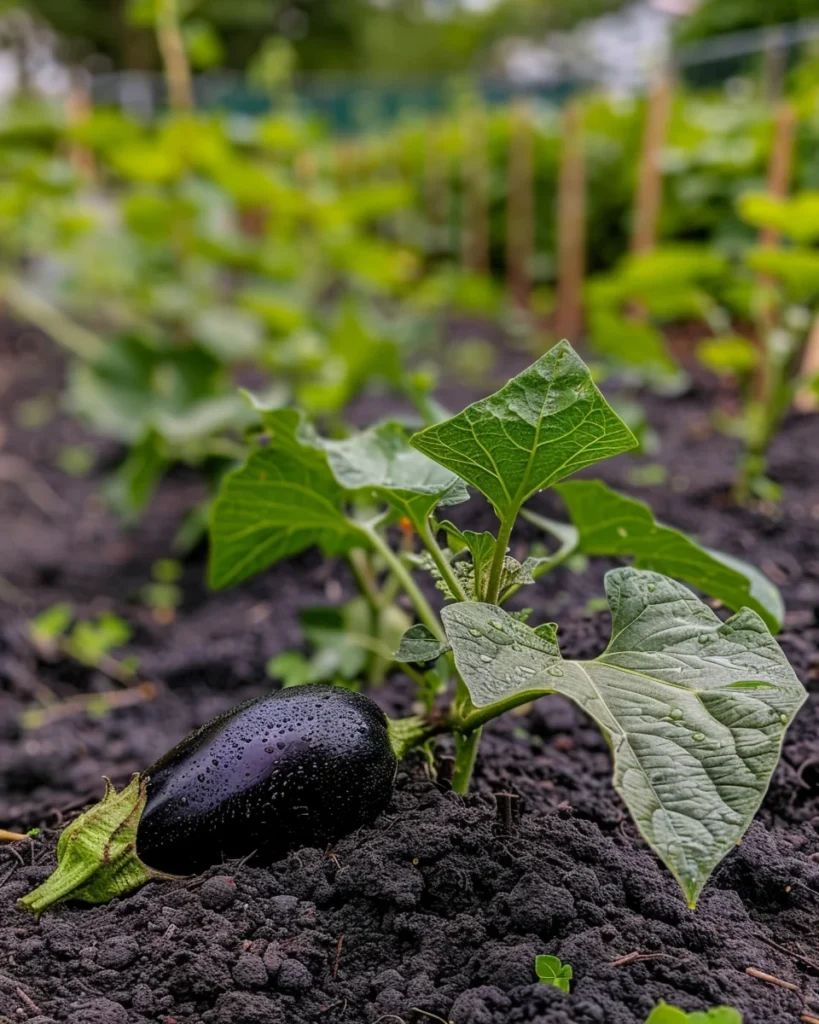
How to Grow Eggplant in Cool Summers: When to Plant, Best Varieties & Care
Intro for growing eggplant in cool summers
Eggplant (Solanum melongena) is typically a heat-loving crop that thrives in warm conditions, but with the right approach, you can successfully grow these glossy purple fruits even in regions with cool summers. Native to Southeast Asia, eggplants require consistent warmth to develop properly, making them challenging in cooler climates. However, by selecting appropriate varieties, using season-extending techniques, and providing optimal growing conditions, gardeners in cooler regions can enjoy homegrown eggplants. These nutritious vegetables are rich in fiber, antioxidants, and vitamins, making them worth the extra effort. This guide will walk you through the specific strategies needed to overcome cool weather challenges and produce a satisfying eggplant harvest.
When to plant eggplant in cool summers
In cool-summer regions, timing is critical for eggplant success. Wait until all danger of frost has passed and soil temperatures have reached at least 18°C (65°F) consistently. In most temperate regions, this means late spring to early summer. Eggplants are extremely frost-sensitive and will suffer damage at temperatures below 10°C (50°F). For cool-climate gardeners, starting seeds indoors 8-10 weeks before your last frost date is essential to give plants the longest possible growing season. In areas with particularly short summers, you may need to maintain season extension methods like row covers or cloches even after planting out.
Best time to plant eggplant in cool summers
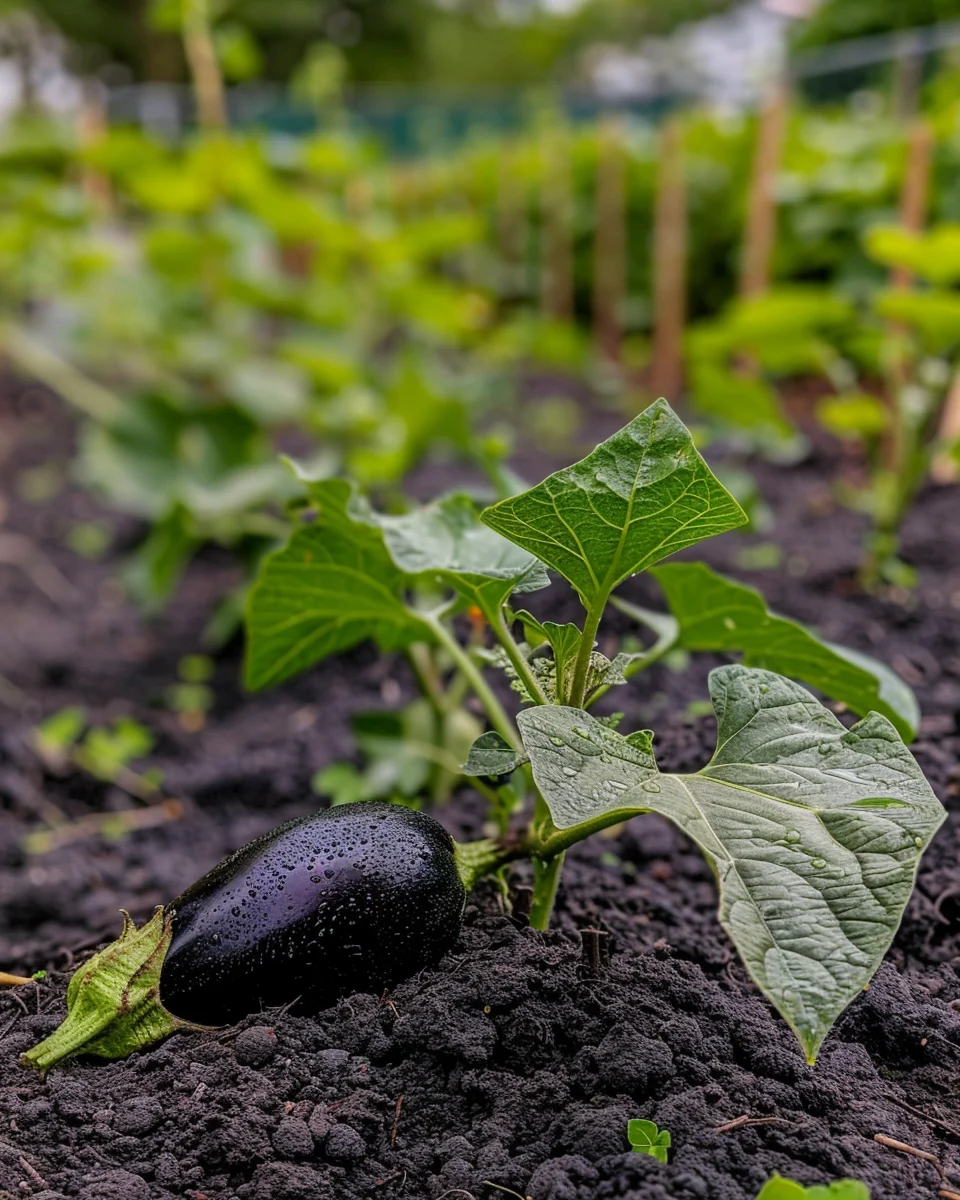
For cool-climate regions (UK, Pacific Northwest, US Zones 4-6), start seeds indoors in March or early April for transplanting outdoors in late May or June when nighttime temperatures consistently stay above 10°C (50°F). In moderate climates (US Zones 7-8), start seeds in February for transplanting in late April or early May. Direct sowing is not recommended for cool-summer regions as the growing season is too short. Always harden off seedlings for 7-10 days before transplanting by gradually exposing them to outdoor conditions. For container growing, you can start earlier and move pots outdoors when conditions permit, bringing them in during cold snaps.
Best eggplant varieties to grow in cool summers
- Bonica F1 – Early-maturing hybrid (57 days) with excellent cold tolerance and reliable production in cool conditions.
- Diamond – Open-pollinated Ukrainian variety that matures quickly (70 days) and performs well in cooler temperatures.
- Little Finger – Compact plants producing small, slender fruits that mature early, perfect for containers and short seasons.
- Fairy Tale – Award-winning variety with decorative purple-striped fruits that develop well in cooler conditions.
- Ping Tung Long – Taiwanese variety with long, slender fruits that matures relatively early and continues producing in cool weather.
- Applegreen – Light green variety that matures in about 65 days, more tolerant of cool nights than purple varieties.
- Early Midnight – Developed specifically for northern gardens with a fast maturation period of 55-60 days.
How to plant eggplant in cool summers
Materials needed:
- Eggplant seedlings or seeds
- Compost or well-rotted manure
- Balanced organic fertilizer
- Black plastic mulch or landscape fabric
- Row covers or cloches
- Stakes or cages for support
- Soil thermometer
- Watering can or irrigation system
Step-by-step planting:
- Select the warmest, most sheltered spot in your garden with full sun exposure (minimum 6-8 hours daily).
- Two weeks before planting, warm the soil by covering it with black plastic mulch.
- Prepare soil by incorporating 2-3 inches (5-7 cm) of compost and a balanced organic fertilizer.
- Dig planting holes 18-24 inches (45-60 cm) apart in rows spaced 30-36 inches (75-90 cm) apart.
- Remove seedlings carefully from containers, disturbing roots as little as possible.
- Plant at the same depth as they were growing in their containers, slightly deeper if leggy.
- Water thoroughly after planting, applying about 1 liter per plant directly to the root zone.
- Install stakes or cages at planting time to avoid disturbing roots later.
- Cover newly planted seedlings with row covers or cloches to maintain warmth.
- Monitor nighttime temperatures and be prepared to add additional protection if temperatures drop below 10°C (50°F).
How to grow eggplant in cool summers
Sunlight is crucial for eggplants in cool climates – ensure they receive at least 8 hours of direct sun daily. Consider using reflective mulch to increase light intensity. Water consistently, providing 1-2 inches (2.5-5 cm) weekly, but avoid overhead watering which can promote disease in cool conditions. Fertilize every 2-3 weeks with a balanced liquid fertilizer, switching to one higher in potassium and phosphorus once flowering begins. Black plastic mulch is essential in cool summers – it warms the soil, prevents weeds, and keeps fruits clean. Remove any side shoots below the first flower cluster to focus energy on fruit production.
For container growing, use dark-colored pots at least 5 gallons (19 liters) in size, which warm up faster than ground soil. Place containers against a south-facing wall to reflect heat and protect from wind. On cool nights, move containers to sheltered locations or wrap with bubble wrap for insulation. Consider using a greenhouse, polytunnel, or cold frame to create a microclimate that traps heat and extends your growing season significantly.
Caring for eggplant in cool summers
Monitor plants daily in cool conditions, checking for signs of stress from low temperatures. Maintain row covers on cooler days and nights, removing them during warm, sunny periods to allow pollination. Hand-pollinate flowers by gently shaking plants or using a small brush to transfer pollen between flowers if natural pollinators are scarce in cool weather.
Common pests include flea beetles, which are particularly problematic in cool conditions. Control them with floating row covers and diatomaceous earth. Watch for early blight (yellow leaves with dark spots) and verticillium wilt (wilting despite adequate moisture), both exacerbated by cool, damp conditions. Prevent these by ensuring good air circulation and avoiding overhead watering.
Harvest eggplants when the skin is glossy and firm, using pruning shears to cut the tough stems. In cool climates, don’t wait for fruits to reach maximum size – smaller fruits are often more tender and flavorful. Store harvested eggplants at around 10°C (50°F) with high humidity for up to one week, but use them as soon as possible for best flavor.
Understanding bolting in eggplant
Unlike leafy greens, eggplants don’t technically bolt (rapidly flower and set seed). However, they can experience stress responses to temperature fluctuations that affect production. When eggplants experience cold temperatures followed by sudden warmth, they may drop flowers or produce malformed fruits. To prevent stress responses, maintain consistent temperatures as much as possible using row covers, cloches, or other protection. If plants experience cold shock, provide extra care with balanced feeding and consistent watering to help them recover. Remove any damaged or yellowing leaves to redirect energy to new growth and fruit production.
Why does eggplant turn bitter?
- Age of fruit – Overmaturity causes bitterness; harvest when fruits are young and skin is still glossy.
- Temperature stress – Cold nights below 10°C (50°F) can trigger bitterness; use row covers to maintain warmth.
- Inconsistent watering – Drought stress increases bitter compounds; maintain even soil moisture.
- Variety selection – Some varieties naturally contain more bitter compounds; choose modern hybrids bred for reduced bitterness.
- Slow growth – In cool conditions, slow-growing fruits develop more bitter compounds; use soil warming techniques to speed growth.
Companion planting for eggplant in cool summers
Good companions:
- Marigolds – Repel nematodes and other pests while attracting pollinators.
- Beans – Fix nitrogen in soil, benefiting heavy-feeding eggplants.
- Spinach or lettuce – As shallow-rooted crops, they can be grown between eggplants, providing ground cover that helps retain soil moisture and warmth.
- Thyme – Repels insects and acts as living mulch to keep soil warm.
- Nasturtiums – Attract pollinators and act as trap crops for aphids.
Avoid planting near:
- Fennel – Inhibits growth of many plants including eggplant.
- Corn – Competes for nutrients and can shade eggplants, reducing soil temperature.
- Other nightshades (potatoes, tomatoes, peppers) – Share pests and diseases, increasing vulnerability in already challenging conditions.
Seasonal calendar
- February-March: Start seeds indoors under grow lights in warm location (21-27°C/70-80°F).
- April: Begin hardening off seedlings in mild areas; continue indoor growth in cooler regions.
- May: Prepare garden beds with black plastic mulch to warm soil; transplant in warm regions.
- June: Transplant seedlings in cooler regions when soil reaches 18°C (65°F); install protection.
- July: Apply first side dressing of fertilizer; monitor for pests and diseases.
- August: Main harvest period begins in warmer regions; continue fertilizing.
- September: Peak harvest in cool regions; prepare to protect plants from early cold snaps.
- October: Final harvests; remove plants after first frost in most regions.
Problems & solutions
| Problem | Quick Fix |
|---|---|
| Plants not setting fruit | Hand-pollinate flowers; ensure daytime temperatures reach at least 21°C (70°F) using row covers. |
| Flea beetle damage (tiny holes in leaves) | Apply diatomaceous earth to leaves; use yellow sticky traps; maintain row covers. |
| Yellowing leaves | Check for overwatering; ensure soil drains well; apply balanced liquid fertilizer. |
| Stunted growth | Increase soil temperature with black plastic; apply diluted seaweed extract as foliar spray. |
| Flower drop | Maintain temperatures above 15°C (60°F) at night; ensure adequate pollination. |
| Small, malformed fruits | Improve pollination; ensure consistent watering; apply calcium-rich fertilizer. |
| Frost damage | Immediately cover plants; remove damaged portions; apply seaweed extract to stimulate recovery. |
Common questions about growing eggplant in cool summers
How much sunlight do eggplants need in cool climates?
In cool climates, eggplants need maximum sunlight – at least 8 hours of direct sun daily. Choose your sunniest location, preferably with a south-facing exposure and wind protection to create a warm microclimate.
Can I grow eggplant in containers in cool summers?
Yes, containers are often better for cool climates as they warm up faster than ground soil. Use dark-colored pots at least 5 gallons (19 liters) in size, place in the sunniest spot available, and move to protected areas during cold spells.
How often should I water eggplant in cool conditions?
Water less frequently in cool conditions – about once a week, providing 1-2 inches (2.5-5 cm) of water. Always water at the soil level in the morning so foliage can dry completely, reducing disease risk in cool, humid conditions.
What’s the minimum temperature eggplants can tolerate?
Eggplants will stop growing below 15°C (60°F) and can be damaged at temperatures below 10°C (50°F). They’re killed by frost. Use protection when temperatures drop below these thresholds.
How far apart should I space eggplants?
In cool climates, space plants 18-24 inches (45-60 cm) apart, slightly closer than in warm regions. This creates a beneficial microclimate where plants help shelter each other while still allowing adequate airflow.
When should I harvest eggplant in cool-summer regions?
Harvest earlier and smaller in cool regions – when fruits are one-half to two-thirds their full size, with glossy skin that springs back when gently pressed. Don’t wait for maximum size as fruits may become bitter.
Do I need to stake eggplants in cool climates?
Yes, staking is essential in cool climates. Plants tend to grow more slowly and can be top-heavy when fruits develop. Use stakes or cages to keep fruits off cool ground and improve air circulation.