
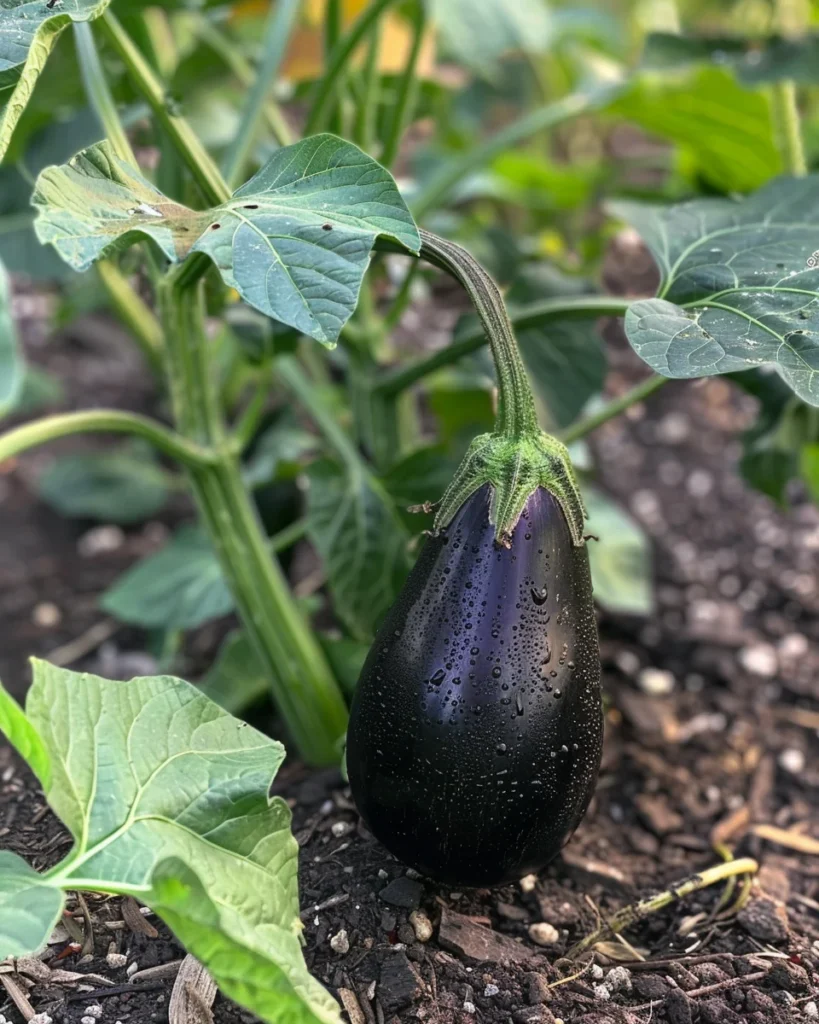
How to Grow Eggplant at Home and Enjoy Endless Harvests: When to Plant, Best Varieties & Care
Intro for How to Grow Eggplant at Home
Eggplant (Solanum melongena) is a versatile, warm-season vegetable that brings gourmet flavor and striking beauty to home gardens. With their glossy skin in shades of deep purple, white, or striped patterns, eggplants offer both ornamental appeal and culinary versatility. These heat-loving plants thrive in sunny locations and reward gardeners with abundant harvests throughout summer and early fall. Whether you have a spacious garden or just a sunny balcony, eggplants can be successfully grown in various settings, including containers. Native to Southeast Asia, eggplants prefer warm growing conditions similar to their pepper and tomato relatives, making them ideal for USDA zones 5-12 with proper timing and care.
When to plant Eggplant
Eggplants are decidedly warm-season crops that require consistent temperatures to thrive. They should only be planted outdoors after all danger of frost has passed and soil temperatures have reached at least 15°C (60°F), though they prefer soil temperatures of 21-29°C (70-85°F) for optimal growth. In most temperate regions, this means waiting until late spring when nighttime temperatures consistently stay above 10°C (50°F). Eggplants are extremely frost-sensitive and will suffer damage or die if exposed to temperatures below 4°C (40°F), so patience in planting is essential for success. In cooler climates, consider using black plastic mulch, cloches, or row covers to warm the soil and protect young plants.
Best time to plant Eggplant

For most temperate regions, start eggplant seeds indoors 8-10 weeks before your last expected frost date. In warmer climates (USDA zones 9-12), this typically means starting seeds in January or February for transplanting in March or April. In cooler regions (zones 5-8), start seeds in March or April for transplanting in May or June. Direct sowing is generally not recommended for eggplants except in the warmest climates with long growing seasons. For container growing, you can start slightly earlier if you can bring plants indoors during cold spells. In Mediterranean climates, a second planting in midsummer can provide fall harvests.
Best Eggplant varieties to grow
- Black Beauty – A classic variety with large, glossy purple-black fruits that’s reliable and productive in most home gardens.
- Fairy Tale – Compact plants producing clusters of small, elongated purple-striped fruits, perfect for containers and small spaces.
- Ichiban – Early-maturing Japanese variety with slender fruits that’s less bitter and more heat-tolerant than many varieties.
- Rosa Bianca – Italian heirloom with beautiful lavender and white fruits offering exceptionally creamy texture and mild flavor.
- Ping Tung Long – Taiwanese variety producing slender 30cm (12in) fruits with thin skin that rarely needs peeling.
- White Egg – Produces small, egg-shaped white fruits that mature quickly and are excellent for container growing.
- Little Fingers – Early-maturing variety with clusters of slim, 10-15cm (4-6in) fruits that are perfect for quick cooking and stir-fries.
How to plant Eggplant
Materials needed:
- Eggplant seedlings or seeds
- Well-draining garden soil or potting mix
- Compost or aged manure
- Balanced organic fertilizer
- Mulch (straw, wood chips, or black plastic)
- Stakes or cages for support
- Watering can or irrigation system
- Garden gloves and trowel
Step-by-step planting:
- Select a planting location that receives at least 6-8 hours of full sun daily with protection from strong winds.
- Prepare the soil by incorporating 5-7cm (2-3in) of compost or aged manure to improve fertility and drainage.
- Add a balanced organic fertilizer according to package instructions, working it into the top 15cm (6in) of soil.
- Dig planting holes approximately twice the width of the root ball and at the same depth.
- Space plants 45-60cm (18-24in) apart in rows 60-90cm (24-36in) apart to ensure good air circulation.
- Gently remove seedlings from their containers, taking care not to disturb the roots.
- Place each plant in its hole at the same depth it was growing in its container.
- Backfill with soil, firming gently around the roots without compacting.
- Water thoroughly after planting to eliminate air pockets and help roots establish.
- Install stakes or cages at planting time to avoid root damage later.
How to grow Eggplant
Eggplants require full sun exposure (minimum 6-8 hours daily) to produce abundant fruits. Water deeply and consistently, providing 2.5-5cm (1-2in) of water weekly, adjusting for rainfall and temperature. Maintain even soil moisture, as fluctuations can cause stress and affect fruit development. Apply a balanced liquid fertilizer every 2-3 weeks after plants begin flowering, or use a slow-release fertilizer at planting time. Mulch around plants with a 5-7cm (2-3in) layer of organic material to retain moisture, suppress weeds, and regulate soil temperature.
For container growing, select pots at least 40-50cm (16-20in) in diameter with drainage holes, using high-quality potting mix. Each plant needs its own 19-liter (5-gallon) container minimum. Support plants with stakes or cages once they reach 30cm (12in) tall, as fruit-laden branches can snap under weight. Prune to remove suckers and limit plants to 4-5 main stems for larger fruits. In hot climates, provide afternoon shade to prevent sunscald and water stress.
Caring for Eggplant
Monitor plants regularly for pests like flea beetles, aphids, and spider mites. For flea beetles (tiny insects that create small holes in leaves), use floating row covers early in the season and apply diatomaceous earth around plants. Combat aphids with a strong spray of water or insecticidal soap. Spider mites, which cause stippling on leaves, can be controlled with neem oil or predatory mites.
Common diseases include verticillium wilt, which causes yellowing and wilting of lower leaves. Practice crop rotation and choose resistant varieties. Blossom end rot appears as dark, sunken spots on fruit bottoms and is caused by calcium deficiency or irregular watering. Maintain consistent moisture and consider a calcium spray.
Harvest eggplants when fruits are firm, glossy, and have reached appropriate size for the variety, typically 65-80 days after transplanting. Use pruning shears to cut fruits with a short stem attached. Young, smaller eggplants are typically more tender and less bitter. Store harvested eggplants at around 10°C (50°F) with high humidity for up to one week.
Understanding bolting in Eggplant
Unlike leafy greens and herbs, eggplants don’t technically “bolt” in the traditional sense of producing a flowering stalk that ruins the harvest. As members of the nightshade family, flowering is actually necessary for fruit production. However, eggplants can experience premature flowering when exposed to stress, particularly temperature extremes. When plants flower too early before establishing sufficient vegetative growth, they produce fewer and smaller fruits.
Stress triggers include cold temperatures below 10°C (50°F), extreme heat above 35°C (95°F), drought, or nutrient deficiencies. To prevent stress-induced premature flowering, maintain consistent temperatures, provide adequate water, and ensure proper nutrition. If plants flower when very small, remove the earliest flowers to encourage more vegetative growth before allowing fruit set. This redirects energy into developing a stronger plant that can support more fruits later.
Why does Eggplant turn bitter?
- Age of fruit – Overmaturity leads to bitterness; harvest fruits when they’re young and the skin is still glossy.
- Heat stress – Extended periods above 35°C (95°F) can increase bitter compounds; provide afternoon shade in hot climates.
- Irregular watering – Drought stress increases bitterness; maintain consistent soil moisture throughout the growing season.
- Variety selection – Some varieties naturally contain more bitter compounds; modern hybrids are bred for reduced bitterness.
- Soil nutrient imbalance – Deficiencies in potassium or calcium can contribute to bitter taste; conduct a soil test and amend accordingly.
Companion planting for Eggplant
Good companions:
- Marigolds – Repel nematodes and other soil pests while attracting beneficial insects.
- Nasturtiums – Deter aphids and whiteflies that commonly attack eggplants.
- Beans – Fix nitrogen in the soil, benefiting nitrogen-hungry eggplants.
- Thyme – Repels many garden pests and attracts pollinators to improve fruit set.
- Spinach or lettuce – Provide ground cover that helps retain soil moisture and suppresses weeds.
Avoid planting near:
- Other nightshades (potatoes, peppers) – Share pests and diseases, increasing vulnerability.
- Fennel – Releases compounds that inhibit growth of many plants, including eggplant.
- Corn – Competes for nutrients and can shade shorter eggplants.
Seasonal calendar
Early Spring (8-10 weeks before last frost):
- Start seeds indoors at 24-29°C (75-85°F)
- Prepare garden beds with compost and organic fertilizer
Late Spring:
- Harden off seedlings by gradually exposing to outdoor conditions
- Transplant when soil temperatures reach 15°C (60°F) and all frost danger has passed
- Install supports and apply mulch
Early Summer:
- Begin regular fertilization schedule
- Monitor for pests and diseases
- Remove earliest flowers if plants are small
Mid-Summer:
- Begin harvesting when fruits reach appropriate size with glossy skin
- Continue regular watering and feeding
- Provide shade if temperatures exceed 35°C (95°F)
Late Summer/Early Fall:
- Continue harvesting regularly to encourage production
- Reduce fertilization as season winds down
- In warm regions, consider a second planting for fall harvest
Fall:
- Harvest all remaining fruits before first frost
- Remove plants after harvest and compost if disease-free
- Clean and store supports for next season
Problems & solutions
| Problem | Quick Fix |
|---|---|
| Flea beetle damage | Apply diatomaceous earth around plants and use floating row covers until plants are established. |
| Flowers dropping without forming fruit | Improve pollination by gently shaking plants during midday; maintain temperatures between 21-29°C (70-85°F). |
| Yellowing leaves | Check for overwatering or nutrient deficiency; adjust watering schedule and apply balanced fertilizer. |
| Stunted growth | Ensure adequate sunlight, proper spacing, and sufficient nutrients; check for root-bound plants if in containers. |
| Sunscald (white patches on fruits) | Provide partial shade during intense afternoon sun or ensure adequate leaf cover to protect developing fruits. |
| Blossom end rot | Maintain consistent soil moisture and apply calcium spray or crushed eggshells to soil. |
| Leggy seedlings | Provide more direct light and slightly cooler temperatures; gently brush tops daily to strengthen stems. |
Common questions about growing Eggplant
How often should I water eggplants?
Water deeply 1-2 times per week, providing 2.5-5cm (1-2in) of water each time. Increase frequency during hot, dry periods and reduce during rainy spells. Container plants may need daily watering in summer heat.
Can eggplants grow in partial shade?
Eggplants need at least 6-8 hours of direct sunlight daily for optimal fruit production. In extremely hot climates (above 35°C/95°F), light afternoon shade can be beneficial, but too much shade results in poor yields and leggy plants.
What size container is best for growing eggplants?
Use containers at least 40-50cm (16-20in) in diameter with a minimum volume of 19 liters (5 gallons) per plant. Ensure containers have adequate drainage holes and use high-quality potting mix.
How far apart should I space eggplant plants?
Space plants 45-60cm (18-24in) apart in rows 60-90cm (24-36in) apart. Proper spacing ensures good air circulation, which helps prevent disease and allows plants to receive adequate light.
How cold-tolerant are eggplants?
Eggplants are very cold-sensitive and can be damaged by temperatures below 10°C (50°F). They will die if exposed to frost. Growth slows significantly when temperatures drop below 15°C (60°F).
When is the best time to harvest eggplants?
Harvest when fruits are firm, glossy, and have reached the appropriate size for the variety, typically 65-80 days after transplanting. Press the skin gently with your thumb—if it springs back, it’s ready; if it leaves an indentation, it’s overripe.
Can I save seeds from my eggplants for next year?
Yes, but only from open-pollinated or heirloom varieties, not hybrids. Allow selected fruits to ripen well beyond the eating stage until they begin to yellow or brown, then extract, clean, and thoroughly dry the seeds before storing in a cool, dry place.