
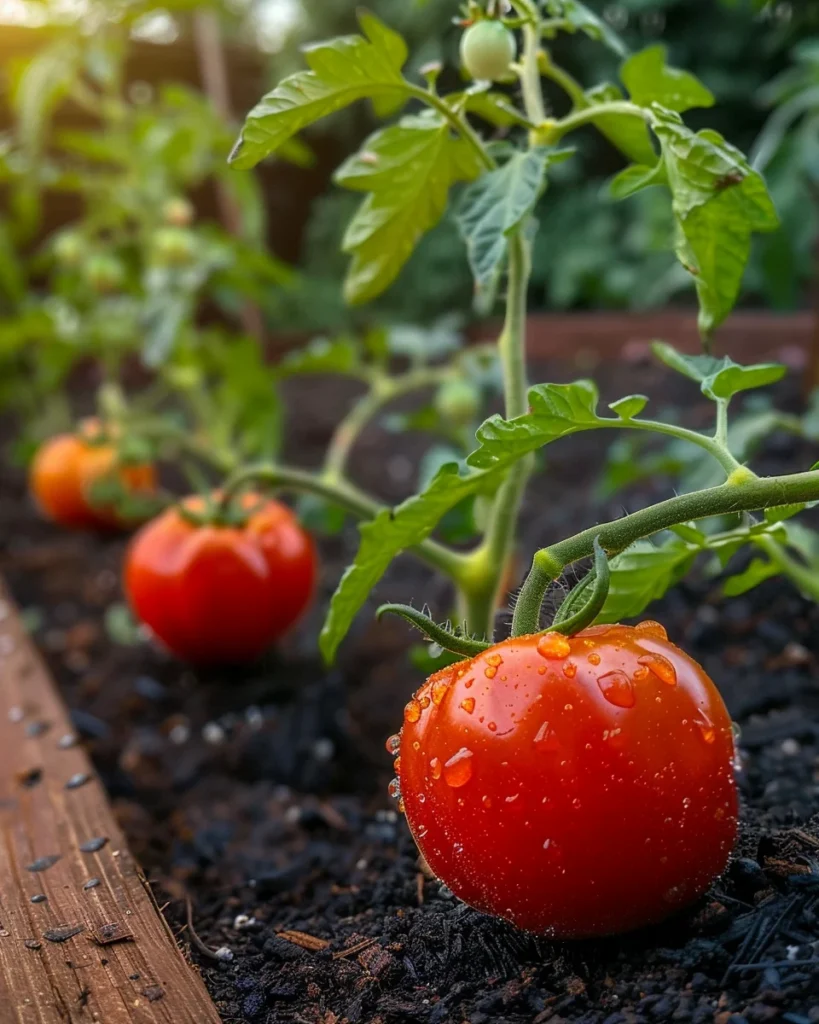
How to Grow Determinate Tomatoes in Containers: Best Varieties, Planting Times & Care Tips
Intro for growing determinate tomatoes for containers
Determinate tomatoes are perfect for container gardening, offering compact growth habits and concentrated harvests ideal for small spaces. Unlike their indeterminate cousins, these “bush” tomatoes grow to a predetermined height (typically 2-4 feet/60-120cm) before setting all their fruit at once. Their self-limiting size makes them ideal for patios, balconies, and small gardens. Container-grown determinate tomatoes provide fresh, homegrown flavor without requiring extensive space or complex trellising systems. With proper care, these versatile plants thrive in pots, producing abundant harvests of delicious tomatoes perfect for fresh eating, sauces, and preserving—all within a relatively short growing season.
When to plant determinate tomatoes for containers
Determinate tomatoes should be planted after all danger of frost has passed and soil temperatures have warmed to at least 60°F (16°C). In temperate regions, this typically means waiting until late spring. These heat-loving plants are extremely frost-sensitive, so patience is key—planting too early can result in stunted growth or plant death. For most temperate regions, wait until nighttime temperatures consistently stay above 50°F (10°C) before moving plants outdoors. In Mediterranean climates, you might plant as early as March, while cooler northern regions may need to wait until May or even early June.
Best time to plant determinate tomatoes for containers
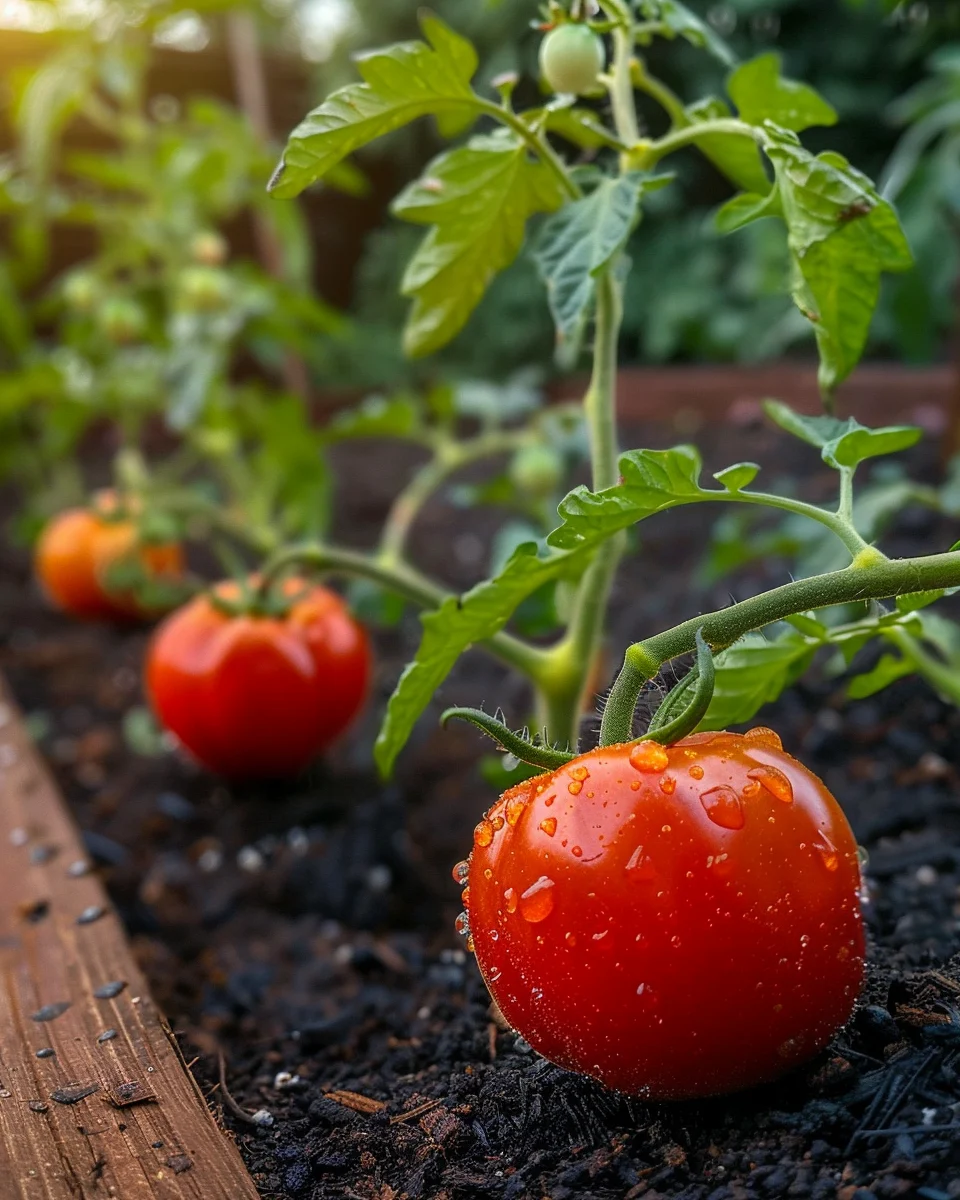
For warm temperate regions (US Zones 7-10, southern UK), the ideal planting window is mid-April to mid-May. In cooler climates (US Zones 4-6, northern UK), aim for mid-May to early June. Start seeds indoors 6-8 weeks before your last expected frost date to give plants a head start. Transplant seedlings outdoors 2-3 weeks after your last frost date, when soil has thoroughly warmed. For extended harvests in warmer climates, consider staggered plantings 2-3 weeks apart. Container planting offers the advantage of starting earlier, as pots can be moved indoors during unexpected late frosts.
Best determinate tomatoes varieties to grow
- Roma VF – Classic paste tomato perfect for sauces and canning, with excellent disease resistance.
- Tiny Tim – Ultra-compact variety (10-12 inches/25-30cm tall) ideal for small containers and window boxes.
- Patio F – Developed specifically for containers, producing 4-ounce fruits on sturdy, compact plants.
- Bush Early Girl – Early-maturing variety with full-sized fruits and excellent heat tolerance.
- Tumbler – Trailing habit perfect for hanging baskets, producing sweet cherry tomatoes that don’t need staking.
- Legend – Large, disease-resistant slicing tomato that performs well in cooler temperatures.
- Celebrity – All-America Selection winner offering exceptional disease resistance and reliable yields.
- Balcony Yellow – Compact plants producing beautiful yellow fruits with low acid content.
How to plant determinate tomatoes for containers
Materials needed:
- Container (minimum 5-gallon/19-liter size per plant)
- High-quality potting mix (not garden soil)
- Tomato seedlings or seeds
- Slow-release fertilizer
- Watering can or hose
- Small trowel
- Small stakes or cage (optional for some varieties)
- Organic compost
Step-by-step planting:
- Select a container at least 12 inches (30cm) deep with drainage holes—5-gallon (19-liter) minimum for most varieties, though dwarf types can manage in 3-gallon (11-liter) containers.
- Fill container with high-quality potting mix to about 2 inches (5cm) below the rim, mixing in slow-release fertilizer according to package directions.
- If starting from seedlings, remove lower leaves and plant deeply, burying the stem up to the first set of true leaves to encourage root development.
- For direct sowing, plant 2-3 seeds ¼ inch (6mm) deep, then thin to the strongest seedling once they reach 2-3 inches (5-7cm) tall.
- Water thoroughly until moisture drains from the bottom of the container.
- Position container in a location receiving at least 6-8 hours of direct sunlight daily.
- Add a small stake or cage at planting time to avoid disturbing roots later (even determinate varieties benefit from some support).
- Apply a 1-inch (2.5cm) layer of mulch on the soil surface, keeping it away from the stem to prevent rot.
- For multiple plants, ensure containers are spaced 18-24 inches (45-60cm) apart to allow for adequate air circulation.
How to grow determinate tomatoes for containers
Determinate tomatoes in containers need full sunlight—at least 6-8 hours daily for optimal fruit production. Position containers where they’ll receive morning sun and, in very hot climates, afternoon shade. Water consistently, keeping soil evenly moist but never soggy. In hot weather, container tomatoes may need daily watering—check by inserting your finger 1 inch (2.5cm) into the soil; water when it feels dry at this depth. Feed with a balanced liquid fertilizer diluted to half-strength every 2 weeks once plants begin flowering, switching to a formula higher in potassium and phosphorus (like 5-10-10) to encourage fruiting.
Unlike indeterminate varieties, determinate tomatoes require minimal pruning—simply remove yellowing leaves and suckers below the first flower cluster. Most determinate varieties benefit from modest support using small tomato cages or stakes. For container growing, use fabric pots or self-watering containers to maintain consistent moisture levels. In very hot regions, consider using light-colored containers to keep root temperatures cooler. Rotate containers occasionally to ensure even growth and sun exposure.
Caring for determinate tomatoes for containers
Monitor soil moisture daily, especially during hot weather when containers can dry out quickly. Check for pests regularly—common issues include aphids (treat with insecticidal soap), hornworms (handpick), and spider mites (increase humidity and use neem oil). Watch for signs of blossom end rot (dark, sunken spots on fruit bottoms), which indicates calcium deficiency often caused by inconsistent watering. Prevent this by maintaining even soil moisture and adding crushed eggshells to your potting mix.
Early blight and late blight present as dark spots on leaves—remove affected foliage immediately and avoid overhead watering. Harvest determinate tomatoes when they reach full color and yield slightly to gentle pressure. Unlike indeterminate varieties, determinate tomatoes ripen their fruit within a concentrated 2-3 week period, so be prepared for a sudden abundance. Store harvested tomatoes at room temperature, never in the refrigerator, to maintain flavor. For extended storage, consider freezing, drying, or canning.
Understanding bolting in determinate tomatoes for containers
Unlike leafy greens, tomatoes don’t technically “bolt” in the traditional sense of prematurely flowering. However, determinate tomatoes can experience stress-related issues that affect flowering and fruiting. Extended periods of temperatures above 90°F (32°C) or below 55°F (13°C) can cause blossom drop, where flowers fall off without setting fruit. This is often confused with bolting but represents a different physiological response.
To prevent blossom drop, maintain consistent watering schedules and consider providing afternoon shade during heatwaves. If growing in regions with very hot summers, choose heat-tolerant varieties like ‘Celebrity’ or ‘Roma VF’. Should blossom drop occur, continue regular care—plants often resume normal fruit set once temperatures moderate. Unlike true bolting crops, determinate tomatoes will not become bitter or inedible due to this stress response, though overall yields may be reduced.
Why does determinate tomatoes turn bitter?
- Insufficient sunlight – Move containers to a location receiving at least 6 hours of direct sun daily.
- Environmental stress – Protect from extreme temperature fluctuations and maintain consistent watering.
- Genetic factors – Some varieties naturally contain higher levels of alkaloids; switch to varieties known for sweetness.
- Immature harvesting – Allow fruits to fully ripen on the vine for best flavor development.
- Soil mineral imbalance – Use a balanced fertilizer formulated specifically for tomatoes and avoid excessive nitrogen.
Companion planting for determinate tomatoes for containers
When container gardening with determinate tomatoes, thoughtful companion planting can maximize space and improve plant health. Basil makes an excellent container companion, repelling pests while enhancing tomato flavor and utilizing vertical space above the soil. Marigolds deter nematodes and other pests with their strong scent, making them perfect container companions. Shallow-rooted herbs like chives and parsley work well in the same container, utilizing different soil depths without competing for nutrients. Nasturtiums attract aphids away from tomatoes while adding edible flowers to your container garden.
Avoid planting tomatoes with potatoes in neighboring containers, as they’re related and share diseases. Keep dill at a distance, as it can inhibit tomato growth when planted too closely. Fennel also makes a poor neighbor, as it can stunt tomato development through chemical interactions.
Seasonal calendar
- January-February: Order seeds, plan varieties (all regions).
- March: Start seeds indoors 6-8 weeks before last frost (cool regions); prepare containers (warm regions).
- April: Continue indoor growing (cool regions); transplant outdoors (warm regions); start seeds indoors (cool regions).
- May: Harden off seedlings and transplant after last frost (cool regions); monitor for pests and water regularly (warm regions).
- June: Apply first fertilizer after plants establish; install supports if needed (all regions).
- July-August: Maintain consistent watering; harvest begins (all regions); provide shade in extremely hot areas.
- September: Continue harvesting; plant fall crop (warm regions); prepare to protect from early frosts (cool regions).
- October: Final harvests (cool regions); continue harvesting (warm regions).
- November-December: Clean containers; compost spent plants; evaluate season’s performance (all regions).
Problems & solutions
| Problem | Quick Fix |
|---|---|
| Yellowing leaves | Check for overwatering; ensure proper drainage; apply balanced fertilizer if nutrient deficient. |
| Blossom end rot | Maintain consistent watering; add calcium supplement or crushed eggshells to soil. |
| Cracked fruits | Water more consistently; harvest fruits slightly earlier; provide shade during intense heat. |
| Leggy seedlings | Increase light exposure; reduce temperatures slightly; transplant deeper to encourage root growth. |
| White spots on leaves | Treat for powdery mildew with neem oil or diluted milk spray; improve air circulation. |
| Flowers but no fruit | Tap flowers gently at midday to aid pollination; maintain temperatures between 65-85°F (18-29°C). |
| Container soil drying too quickly | Add mulch layer; consider self-watering containers; group pots together to increase humidity. |
Common questions about growing determinate tomatoes for containers
How often should I water container tomatoes?
Check soil moisture daily, watering when the top inch (2.5cm) feels dry. In hot weather, this may mean daily watering; in cooler conditions, every 2-3 days. Always water at the base to keep foliage dry.
What size container is best for determinate tomatoes?
Use containers at least 5 gallons (19 liters) in volume and 12 inches (30cm) deep for standard determinate varieties. Dwarf varieties can manage in 3-gallon (11-liter) containers. Larger containers require less frequent watering and provide more stable growing conditions.
How much sunlight do container tomatoes need?
Provide at least 6-8 hours of direct sunlight daily. In very hot climates (above 95°F/35°C regularly), afternoon shade can help prevent blossom drop and sunscald.
Can I grow determinate tomatoes in hanging baskets?
Yes, compact determinate varieties like ‘Tumbler’, ‘Tiny Tim’, and ‘Balcony’ are specifically bred for hanging baskets. Ensure the basket is at least 12 inches (30cm) in diameter and use a moisture-retentive potting mix.
Do determinate tomatoes need pruning?
Unlike indeterminate varieties, determinate tomatoes require minimal pruning. Remove only the suckers below the first flower cluster and any yellowing or diseased leaves. Excessive pruning reduces yield in determinate varieties.
How long will determinate tomatoes produce fruit?
Determinate tomatoes typically produce their entire crop within a 2-3 week period. For extended harvests, plant multiple varieties with different maturation dates or stagger plantings every 2-3 weeks.
Can I reuse potting soil for next year’s tomatoes?
It’s best to use fresh potting mix each year to prevent disease buildup. If you must reuse soil, remove the top third, add fresh compost, and supplement with new potting mix. Never reuse soil if plants showed signs of disease.