
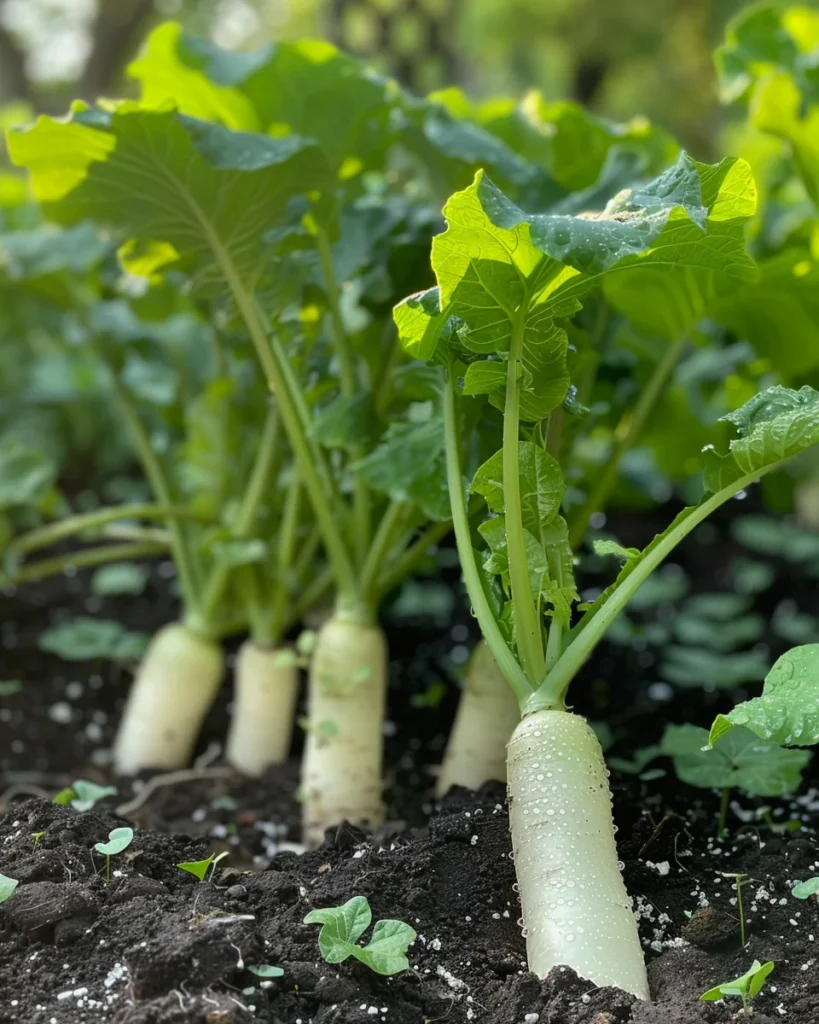
How to Grow Daikon Radish in Warm Zones: When to Plant, Best Heat-Tolerant Varieties & Care Tips
Intro for growing daikon radish in warm zones
Daikon radish (Raphanus sativus var. longipinnatus) is a versatile, fast-growing root vegetable that adds a crisp, mildly spicy flavor to salads, stir-fries, and pickled dishes. While traditionally grown in cooler Asian climates, daikon can thrive in warm zones with the right timing and care. These long white radishes offer impressive nutritional benefits, including vitamin C, potassium, and digestive enzymes. Growing daikon in warm regions (USDA zones 8-11 or similar) requires strategic planning to avoid summer heat that causes premature bolting and bitter roots. With proper timing and variety selection, you can enjoy these crisp, flavorful roots even in regions with hot summers.
When to plant daikon radish in warm zones
In warm zones, daikon radish should be planted during the cooler seasons to avoid summer heat. Fall planting is ideal, typically 60-70 days before the first expected frost. Soil temperatures between 10-24°C (50-75°F) are optimal for germination and growth. Unlike cool-climate growers who might plant in early spring, warm-zone gardeners should focus on late summer to early fall planting for a winter harvest. Daikon can tolerate light frosts once established, making it an excellent cool-season crop in regions where winters are mild. In zones with very mild winters, you can continue succession planting throughout the cool season for continuous harvests.
Best time to plant daikon radish in warm zones
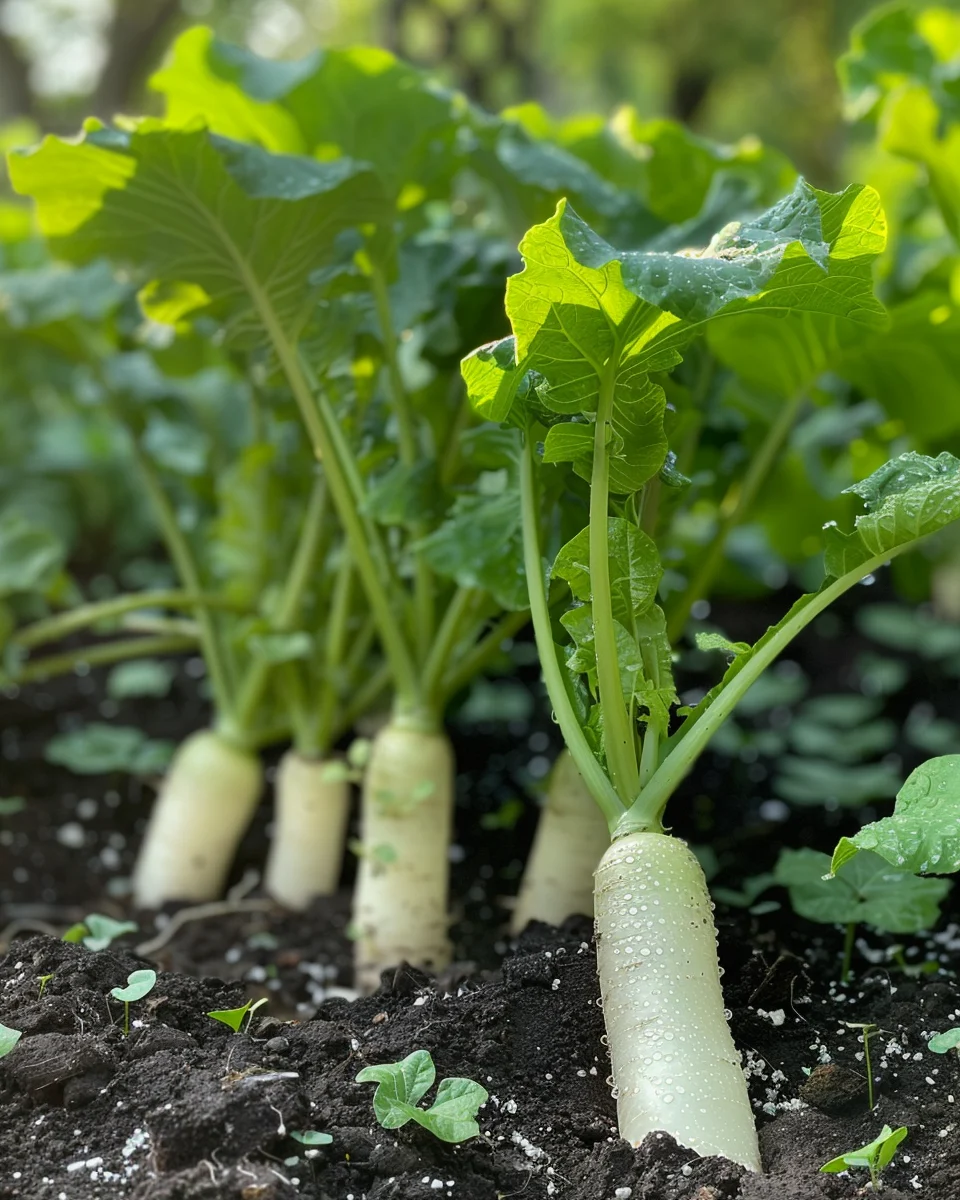
For warm climate regions (zones 8-11), the ideal planting windows are:
August to October: Primary planting season for fall/winter harvest
January to February: Secondary planting window in very mild winter areas
Avoid planting from April through July when temperatures consistently exceed 26°C (80°F), as heat triggers bolting and poor root development. Direct sowing is strongly preferred over transplanting, as daikon’s long taproot is easily damaged during transplanting. In container gardens, you can extend the growing season slightly by moving pots to shadier locations during warm spells.
Best daikon radish varieties to grow in warm zones
- April Cross – Heat-tolerant hybrid that resists bolting and maintains sweetness in fluctuating temperatures.
- Summer Cross – Specifically bred for warm weather tolerance with slower bolting tendencies.
- Miyashige White – Medium-length daikon with excellent heat resistance and sweet flavor even in warm conditions.
- Green Luobo – Chinese variety with green skin and white flesh that shows good performance in warmer climates.
- Alpine – Compact variety (20-25cm/8-10in) ideal for containers and raised beds in warm regions.
- Minowase – Early-maturing variety (40-45 days) that can be harvested before summer heat intensifies.
- Sakurajima – Giant Japanese variety that develops well in warm climates if given sufficient growing space.
How to plant daikon radish in warm zones
Materials needed:
- Daikon radish seeds
- Garden fork or tiller
- Compost or aged manure
- Balanced organic fertilizer
- Watering can or irrigation system
- Row covers (optional for pest protection)
- Mulch material
Planting steps:
- Select a site with full morning sun and afternoon shade in warm zones to prevent overheating.
- Prepare soil by loosening to a depth of 30-35cm (12-14in) to accommodate daikon’s long roots.
- Incorporate 2-3cm (1in) of compost to improve drainage and fertility without adding fresh manure.
- Create shallow furrows about 1cm (½in) deep and space rows 30-45cm (12-18in) apart.
- Sow seeds thinly along the furrows, approximately 2.5cm (1in) apart.
- Cover lightly with soil and firm gently to ensure good seed-to-soil contact.
- Water thoroughly but gently to avoid displacing seeds.
- Apply a light layer of mulch between rows to keep soil cool and conserve moisture.
- Consider using shade cloth during unexpected warm spells to prevent soil temperature spikes.
How to grow daikon radish in warm zones
In warm zones, daikon radish needs morning sunlight but benefits from afternoon shade to prevent overheating. Water consistently to maintain even soil moisture—about 2.5cm (1in) per week—as irregular watering causes splitting and pithy roots. Avoid overhead watering in warm climates to reduce fungal issues. Apply a balanced organic fertilizer (5-5-5) lightly at planting time, but avoid excess nitrogen which promotes leafy growth at the expense of root development.
Thin seedlings to 7-10cm (3-4in) apart when they reach 5cm (2in) tall to allow proper root development. Apply a 5cm (2in) layer of straw or leaf mulch to keep soil cool and conserve moisture. For container growing, choose deep pots at least 30cm (12in) deep and 30cm (12in) wide, using a well-draining potting mix. Position containers where they receive morning sun but afternoon shade during the warmest months.
Caring for daikon radish in warm zones
Monitor soil moisture vigilantly in warm zones, as consistent watering prevents stress that leads to bolting and bitter roots. Watch for flea beetles, which create small holes in leaves—control with row covers or insecticidal soap. Aphids can be managed with a strong water spray or neem oil. Root maggots may be problematic; prevent with floating row covers and crop rotation.
Harvest daikon when roots reach 15-20cm (6-8in) long, typically 45-70 days after planting depending on variety. Pull gently from loosened soil to avoid breakage. In warm zones, harvest promptly when mature as roots quickly become woody and bitter if left too long, especially as temperatures rise. Store harvested daikon in the refrigerator with tops removed for 1-2 weeks, or in cool, humid storage (just above freezing) for up to 4 months.
Understanding bolting in daikon radish in warm zones
Bolting is when daikon prematurely produces flowering stems, making the roots tough and bitter. In warm zones, this is primarily triggered by temperatures consistently above 26°C (80°F), though long daylight hours and sudden temperature fluctuations also contribute. Water stress significantly increases bolting risk, making consistent irrigation crucial in warm climates.
Prevent bolting by planting during cooler seasons, using shade cloth during unexpected heat waves, maintaining even soil moisture, and selecting bolt-resistant varieties like ‘April Cross’ and ‘Summer Cross’. If your daikon begins to bolt, harvest immediately regardless of size—young bolting roots may still be usable, though more pungent. Consider allowing a few plants to complete flowering for seed collection, as locally adapted seeds may develop better heat tolerance over generations.
Why does daikon radish turn bitter in warm zones?
- Heat stress – Temperatures above 26°C (80°F) trigger biochemical changes that increase pungency; plant during cooler seasons.
- Slow growth/age – Roots left too long in ground become woody and bitter; harvest promptly when mature.
- Water stress – Irregular watering causes growth spurts and stress compounds; maintain consistent soil moisture.
- Poor soil – Heavy clay or nutrient imbalances force stressed growth; amend soil with compost before planting.
- Pre-bolting changes – Even before visible bolting, internal hormonal shifts increase bitterness; harvest at first sign of flower stem development.
Companion planting for daikon radish in warm zones
Good companions:
- Lettuce and leafy greens – Provide natural shade for daikon soil in warm weather while utilizing different soil layers.
- Nasturtiums – Repel aphids and cucumber beetles that may attack daikon in warm conditions.
- Mint – Deters flea beetles, though best planted in containers to prevent spreading.
- Chervil – Improves daikon’s flavor and growth while deterring some soil pests.
- Cucumbers – When trellised, provide afternoon shade that benefits daikon in warm zones.
Avoid planting near:
- Other brassicas (broccoli, cabbage, kale) – Compete for nutrients and attract the same pests and diseases.
- Potatoes – May stunt daikon growth through chemical interactions in soil.
- Hyssop – Contains compounds that inhibit root development in radishes.
Seasonal calendar
- January-February: Secondary planting window in very mild winter areas (zones 9-11).
- March: Last chance spring planting before temperatures rise; harvest early plantings.
- April-July: Avoid planting in warm zones; too hot for quality root development.
- August: Begin fall planting in zones 9-11; prepare soil with compost.
- September: Main planting month for zones 8-9; succession plant every 2 weeks.
- October: Continue planting in zones 8-11; apply light mulch to retain moisture.
- November-December: Harvest fall plantings; continue succession planting in zones 9-11.
Problems & solutions
| Problem | Quick Fix |
|---|---|
| Forked or misshapen roots | Loosen soil deeper before planting; avoid fresh manure; remove rocks from planting area. |
| Small, stunted roots | Ensure proper spacing (thin to 7-10cm/3-4in); check for root-knot nematodes; avoid planting during hot periods. |
| Cracked, split roots | Maintain consistent soil moisture; mulch well; harvest promptly when mature. |
| Leaf holes from flea beetles | Apply row covers; spray with neem oil; use sticky traps; interplant with mint or nasturtiums. |
| Yellowing leaves | Check for aphids on leaf undersides; ensure proper drainage; avoid overwatering. |
| Premature flowering | Harvest immediately; plant during cooler periods; maintain consistent watering; use shade cloth during heat waves. |
Common questions about growing daikon radish in warm zones
Q: How much water do daikon radishes need in warm zones?
A: In warm zones, daikon needs consistent moisture—about 2.5cm (1in) of water weekly, possibly more during hot periods. Water deeply rather than frequently to encourage deep root development and use mulch to retain soil moisture.
Q: Can I grow daikon radish in containers in warm climates?
A: Yes, use deep containers (at least 30cm/12in) with good drainage. In warm zones, position containers where they receive morning sun but afternoon shade, and monitor soil moisture carefully as containers dry out faster.
Q: What’s the ideal spacing for daikon radish?
A: Initially sow seeds 2.5cm (1in) apart, then thin to 7-10cm (3-4in) between plants with rows 30-45cm (12-18in) apart. Proper spacing is crucial in warm zones to prevent competition stress that triggers bolting.
Q: How can I prevent daikon from bolting in unexpected warm spells?
A: Use shade cloth to reduce soil temperature, maintain consistent watering, apply mulch to keep roots cool, and select bolt-resistant varieties. Harvest promptly if temperatures consistently exceed 26°C (80°F).
Q: When is daikon ready to harvest in warm zones?
A: Harvest when roots reach 15-20cm (6-8in) long, typically 45-70 days after planting. In warm zones, harvest promptly when mature as quality deteriorates quickly in heat. Check by gently brushing away soil to expose the top of the root.
Q: Can I save daikon seeds in warm climates?
A: Yes, allow some plants to bolt and flower completely. Collect seeds when seed pods turn brown and dry. Seeds from plants that performed well in your warm climate may develop better heat tolerance over generations.
Q: Is it better to grow daikon in raised beds in warm zones?
A: Yes, raised beds provide better drainage and soil warming in winter months. In warm zones, raised beds with 30-35cm (12-14in) depth accommodate daikon’s long roots while allowing for better soil quality control and moisture management.