
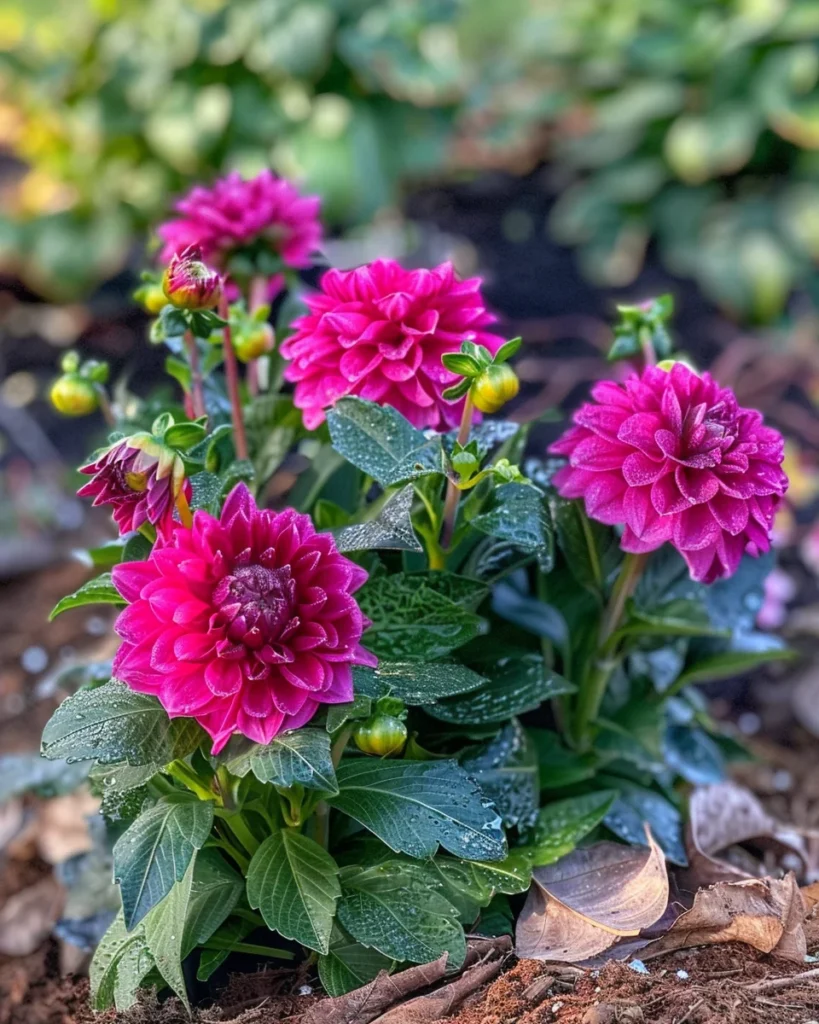
How to Grow Dahlias in Containers: Complete Guide for Stunning Blooms in Small Spaces
Intro for growing dahlias in containers
Dahlias are spectacular flowering plants that bring vibrant colors and impressive blooms to any garden space. The good news is you don’t need a large garden to enjoy these beauties—dahlias thrive in containers, making them perfect for patios, balconies, and small gardens. Container-grown dahlias offer the advantages of mobility, controlled growing conditions, and the ability to showcase these stunning flowers in prominent positions. With their diverse range of colors, shapes, and sizes, dahlias in containers can become the centerpiece of your outdoor space from mid-summer until the first frost, providing months of spectacular blooms with proper care.
When to plant dahlias in containers
Dahlias are tender perennials that cannot tolerate frost, so timing is crucial for successful container growing. Plant dahlia tubers after all danger of frost has passed and soil temperatures have reached at least 15°C (60°F). In most temperate regions, this typically falls between mid-April and early June, depending on your specific climate. If you’re in a cooler region (UK or US Zones 3-6), wait until late spring, while warmer areas (US Zones 8-10) can start earlier. For an extended blooming season, you can start tubers indoors 4-6 weeks before your last frost date, giving them a head start while protecting them from cold temperatures.
Best time to plant dahlias in containers
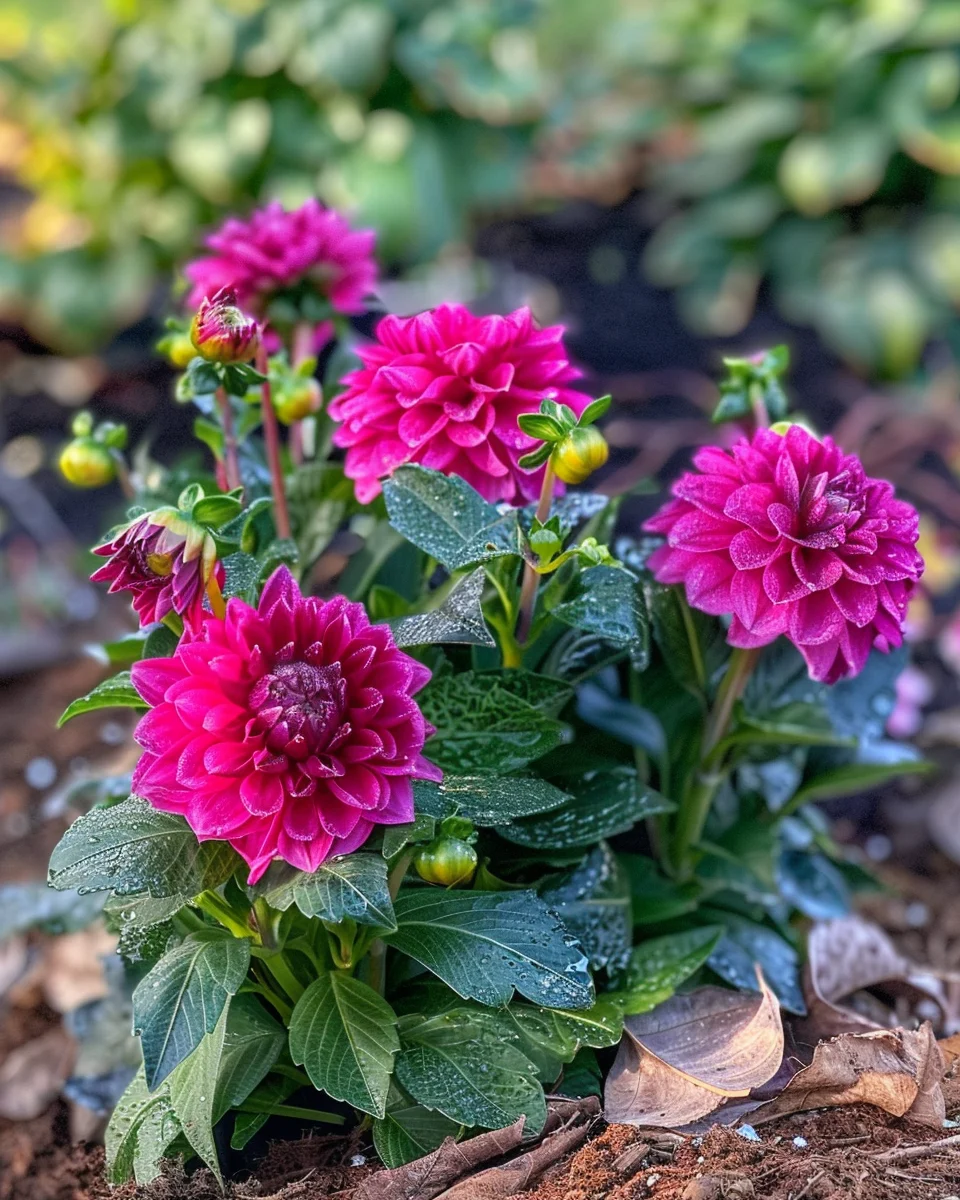
For cool temperate regions (UK, Northern US, Canada), plant dahlia tubers in containers from mid-May to early June when nighttime temperatures consistently stay above 10°C (50°F). In warmer regions (Southern US, Mediterranean), you can plant as early as March or April. If starting indoors, begin 4-6 weeks before your region’s last frost date, then move containers outside when warm weather arrives. For a continuous display, you can stagger your planting every two weeks from spring to early summer. Remember that dahlias need 8-10 weeks from planting to first bloom, so plan accordingly for your desired flowering period.
Best dahlia varieties to grow in containers
- Gallery Series – Compact plants (30-45cm/12-18in) with colorful blooms, perfect for smaller containers and requiring minimal staking.
- Melody Series – Dwarf dahlias (30-40cm/12-16in) with abundant flowers that are ideal for pots and window boxes.
- Bishop Series – Medium-sized plants (60-90cm/24-36in) with dark foliage that creates dramatic contrast in containers.
- Karma Series – Strong stems that rarely need staking, making them excellent low-maintenance container choices.
- ‘Park Princess’ – Compact plant with pink blooms that flowers prolifically in containers without getting too tall.
- ‘Sunshine’ – Bright yellow decorative dahlia that stays relatively compact and provides cheerful color all season.
- ‘Twyning’s After Eight’ – White-flowered variety with chocolate foliage that creates stunning visual interest in pots.
- ‘Honka’ – Star-shaped flowers on compact plants that work beautifully in medium-sized containers.
How to plant dahlias in containers
Materials needed:
- Container (minimum 30cm/12in diameter and depth)
- High-quality potting mix
- Dahlia tubers
- Slow-release fertilizer
- Watering can
- Drainage material (optional)
- Stakes or supports (for taller varieties)
Step-by-step planting:
- Select a container at least 30cm (12in) in diameter and depth with drainage holes. Larger varieties may need 40-50cm (16-20in) containers.
- Add a layer of drainage material to the bottom of the container if desired (broken pottery pieces or small stones).
- Fill the container about two-thirds full with high-quality potting mix enriched with compost.
- Place the dahlia tuber horizontally with the growing eye (the point where stems will emerge) facing upward, about 10-15cm (4-6in) below the container rim.
- Cover the tuber with 5-7cm (2-3in) of soil, leaving the growing eye just visible or barely covered.
- Water thoroughly but gently to settle the soil without waterlogging.
- Place the container in a warm, sunny position protected from strong winds.
- Wait to water again until shoots appear, then water regularly as the plant grows.
- Install stakes or supports at planting time for taller varieties to avoid damaging roots later.
- Once plants reach 15cm (6in) tall, top up the container with additional potting mix to provide stability.
How to grow dahlias in containers
Dahlias in containers need full sunlight—at least 6-8 hours daily for optimal flowering. Position your containers where they’ll receive maximum sun exposure, though in very hot climates, some afternoon shade can prevent heat stress. Water thoroughly when the top inch of soil feels dry, typically every 2-3 days during warm weather, possibly daily during heatwaves. Container dahlias dry out faster than garden-planted ones, so consistent moisture is crucial.
Feed your container dahlias with a balanced liquid fertilizer every 2 weeks, or use a slow-release fertilizer at planting time and mid-season. Switch to a high-potassium fertilizer (like tomato feed) once buds form to encourage abundant blooms. Pinch out the growing tips when plants reach 40cm (16in) tall to promote bushier growth and more flowers. For taller varieties, install stakes or supports early to prevent stem damage. Mulch the soil surface with compost or bark chips to retain moisture and suppress weeds.
Container-specific considerations include choosing pots with adequate drainage, using high-quality potting mix (not garden soil), and positioning containers where they can be easily monitored and maintained. In windy locations, place containers in protected spots or group them together for stability.
Caring for dahlias in containers
Regular deadheading (removing spent flowers) encourages continuous blooming throughout the season. Check plants weekly for pests like aphids, spider mites, and earwigs. For aphids and spider mites, spray with insecticidal soap or neem oil solution. For earwigs, set simple traps using rolled newspaper or upturned pots filled with straw. Powdery mildew can be problematic in humid conditions—improve air circulation around plants and apply organic fungicides if needed.
Watch for signs of nutrient deficiency, such as yellowing leaves (nitrogen deficiency) or poor flowering (phosphorus deficiency), and adjust your feeding regimen accordingly. Dahlias in containers may need division every 2-3 years if they become crowded. In autumn, after the first frost blackens the foliage, cut stems back to 10-15cm (4-6in) above soil level. In zones 7 and below, either bring containers into a frost-free location for winter or lift tubers, clean them, and store in barely damp compost or vermiculite at 5-10°C (40-50°F) until spring.
Understanding bolting in dahlias in containers
Unlike many edible plants, dahlias don’t bolt in the traditional sense. Bolting refers to premature flowering and seed production in vegetables, which doesn’t apply to dahlias since flowering is their desired state. However, dahlias can experience stress-related issues that affect blooming. Extreme heat, drought, or nutrient deficiencies can cause stunted growth, reduced flowering, or poor-quality blooms.
To prevent stress-related problems, maintain consistent watering (especially important in containers), provide adequate nutrients, and position containers to avoid extreme temperature fluctuations. If your dahlia appears stressed, check soil moisture levels, apply a balanced fertilizer, and consider moving the container to a location with more appropriate light conditions. Remember that dahlias naturally slow flowering during the hottest parts of summer in some regions, resuming vigorous blooming when temperatures moderate.
Why does my dahlia in containers turn bitter?
Since dahlias are ornamental rather than edible plants, bitterness isn’t relevant in the traditional sense. However, dahlias can develop issues that affect their appearance and performance:
- Yellowing foliage – Usually indicates overwatering, poor drainage, or nutrient deficiency; improve drainage and adjust watering schedule.
- Stunted growth – Often caused by insufficient pot size, poor soil, or inadequate nutrients; repot in larger container with fresh potting mix.
- Few or small blooms – Typically due to insufficient sunlight or improper feeding; move to sunnier location and use bloom-boosting fertilizer.
- Distorted flowers – Usually the result of pest damage or disease; inspect regularly and treat with appropriate organic controls.
- Early dieback – Can be caused by drought stress or disease; maintain consistent moisture and improve air circulation.
Companion planting for dahlias in containers
When creating mixed containers with dahlias, choose companions that have similar water and light requirements but won’t compete too aggressively:
- Salvias – Complement dahlias with vertical interest and attract pollinators that benefit dahlia flowering.
- Cosmos – Share similar growing conditions and their airy structure contrasts beautifully with dahlias’ fuller blooms.
- Sweet Alyssum – Creates a beautiful cascading edge in dahlia containers while attracting beneficial insects.
- Verbena – Provides continuous color at a different height and helps repel some pests.
- Nasturtiums – Act as a trap crop for aphids, potentially reducing pest pressure on dahlias.
Avoid planting dahlias with:
- Aggressive spreaders like mint or certain ivies that will compete for resources in the container.
- Very tall plants that might shade dahlias and reduce flowering.
- Plants with vastly different water needs, as this makes container maintenance challenging.
Seasonal calendar
- February-March: Purchase tubers; prepare containers and potting mix; start tubers indoors in warm regions.
- April: Start tubers indoors in cooler regions; plant directly in containers in warm regions; prepare supports.
- May: Plant tubers directly in containers in most temperate regions; water sparingly until growth appears.
- June: Apply first liquid fertilizer when plants are 15-20cm (6-8in) tall; pinch out growing tips; install supports.
- July-August: Water regularly; deadhead spent blooms; apply high-potassium fertilizer; watch for pests.
- September-October: Continue deadheading; reduce watering slightly; prepare for end-of-season care.
- November: After first frost, cut back stems; move containers to protected area or lift and store tubers.
- December-January: Check stored tubers occasionally for rot or drying out; plan next year’s display.
Problems & solutions
| Problem | Quick Fix |
|---|---|
| Leggy, weak growth | Increase sunlight; pinch tips to encourage branching; check for adequate nutrients |
| Few or no flowers | Ensure 6+ hours of sun daily; apply high-potassium fertilizer; check container size is adequate |
| Yellowing leaves | Check drainage; adjust watering schedule; apply balanced fertilizer if nutrient deficiency suspected |
| Aphid infestation | Spray with strong water jet; apply insecticidal soap or neem oil; introduce ladybugs |
| Powdery mildew | Improve air circulation; avoid wetting foliage; apply organic fungicide like diluted milk spray or commercial product |
| Container tipping over | Use heavier/wider containers; place rocks in bottom for weight; position in sheltered location |
| Tuber rot in storage | Store in barely damp (not wet) medium; maintain 5-10°C (40-50°F); check periodically; remove any affected parts |
Common questions about growing dahlias in containers
What size container do dahlias need?
For most dahlia varieties, use containers at least 30cm (12in) in diameter and depth. Larger varieties benefit from 40-50cm (16-20in) containers. Always ensure containers have adequate drainage holes.
How often should I water dahlias in containers?
Check soil moisture every 1-2 days by inserting your finger about 2.5cm (1in) into the soil. Water thoroughly when the top inch feels dry. During hot weather, container dahlias may need daily watering.
Can dahlias in containers survive winter?
In zones 8 and above, dahlias in containers may survive winter outdoors if protected from excessive rain and frost. In colder regions, either move containers to a frost-free location (5-10°C/40-50°F) or lift and store the tubers.
How much sun do container dahlias need?
Dahlias perform best with 6-8 hours of direct sunlight daily. In very hot climates, some afternoon shade can be beneficial to prevent heat stress and extend the flowering period.
When will my container dahlias bloom?
Expect flowers approximately 8-10 weeks after planting tubers. Once blooming begins, dahlias will continue flowering until frost if properly deadheaded and maintained.
Can I grow dahlias in containers year after year?
Yes, but refresh the potting mix annually and divide tubers every 2-3 years to prevent overcrowding. In cold regions, you’ll need to protect tubers from freezing during winter.
How do I prevent my container dahlias from getting too tall?
Choose naturally compact varieties, pinch out the growing tips when plants reach about 40cm (16in) tall, and avoid excessive nitrogen fertilizer which promotes leafy growth at the expense of flowers.