
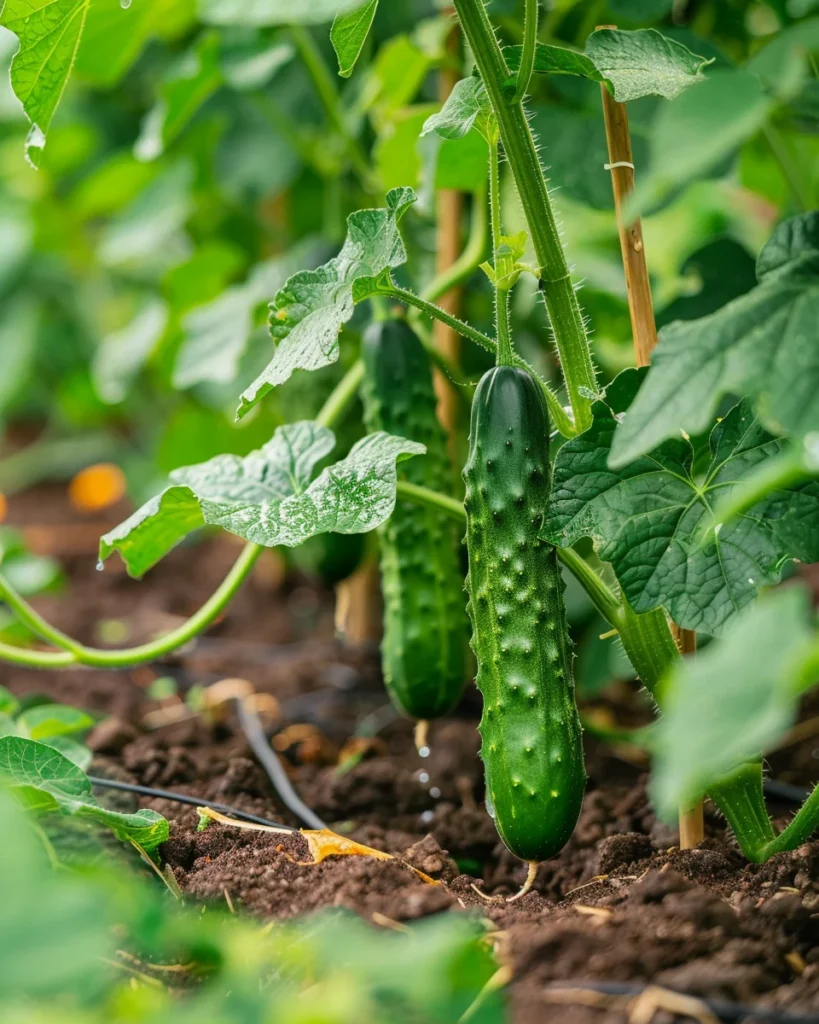
How to Grow Cucumbers Vertically on Trellis: Space-Saving Method for Straighter, Cleaner Fruits
Intro for growing cucumbers vertically on trellis
Growing cucumbers vertically on a trellis is a game-changer for home gardeners with limited space. This space-efficient technique allows cucumber vines to climb upward rather than sprawl across your garden bed, maximizing your growing area while producing straighter, cleaner fruits that are less susceptible to rot and pests. Vertical growing improves air circulation around plants, reduces disease pressure, makes harvesting easier, and can increase yields by up to 30%. Cucumbers naturally want to climb with their strong tendrils, making them perfect candidates for vertical growing in most temperate regions where summers provide at least 8 hours of sunlight and temperatures between 21-29°C (70-85°F).
When to plant cucumbers for vertical growing
Cucumbers are warm-season crops that require soil temperatures of at least 15°C (60°F) to germinate properly, with optimal germination occurring at 21-35°C (70-95°F). Plant cucumbers only after all danger of frost has passed in your region, as these tender annuals cannot tolerate freezing temperatures. In most temperate regions, this means waiting until 2-3 weeks after your last spring frost date. For those in Mediterranean climates, you may be able to plant earlier, while northern gardeners should wait until late spring when soil has thoroughly warmed.
Best time to plant cucumbers for vertical growing
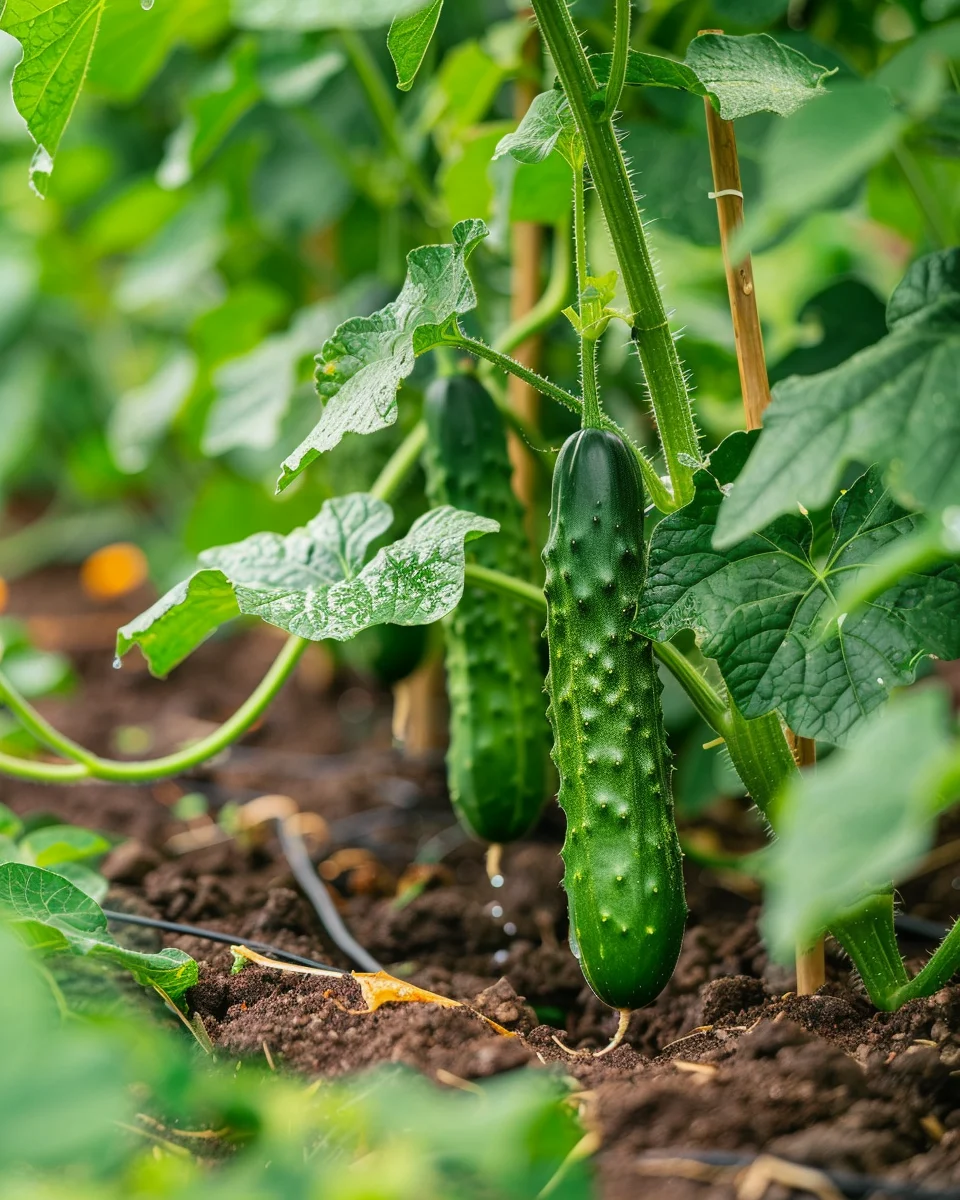
In cool temperate regions (UK, Northern US, Canada), direct sow cucumber seeds outdoors from mid-May to early June when soil temperatures consistently reach 15°C (60°F). For warmer regions (US Zones 7-10), plant from April to early May. To get a head start, start seeds indoors 3-4 weeks before your last frost date, then transplant seedlings when they have 2-3 true leaves. For extended harvests in longer growing seasons, consider succession planting every 2-3 weeks until midsummer. Fall crops can be planted in late summer in zones 8 and warmer for autumn harvests.
Best cucumber varieties for vertical growing
- Marketmore 76 – Disease-resistant slicing cucumber with straight 20-25cm (8-10in) fruits perfect for trellising.
- Lemon – Compact heirloom variety with round, yellow fruits ideal for small-space vertical gardens.
- Diva – Seedless, thin-skinned cucumber that’s resistant to bitter flavor and produces well on trellises.
- Suyo Long – Asian variety with 30-45cm (12-18in) slender fruits that hang beautifully from trellises without bending.
- Spacemaster – Compact bush variety (60-90cm/2-3ft) perfect for container vertical growing with full-sized fruits.
- Telegraph Improved – English cucumber with long, straight fruits ideal for greenhouse trellising.
- Picolino – Mini cucumber variety that produces abundant fruits on vertical supports without weighing down vines.
How to plant cucumbers for vertical growing
Materials needed:
- Cucumber seeds or seedlings
- Trellis, netting, or support structure (1.5-2m/5-6ft tall)
- Compost or well-rotted manure
- Garden twine or plant clips
- Garden stakes or posts
- Mulch material
- Watering can or irrigation system
Step-by-step planting:
- Select a sunny location that receives at least 8 hours of direct sunlight daily.
- Install your trellis or support structure before planting, ensuring it’s sturdy enough to hold mature plants with fruits.
- Prepare soil by incorporating 5-7cm (2-3in) of compost, aiming for a pH between 6.0-7.0.
- Create planting mounds or rows at the base of your trellis, spacing plants 30-45cm (12-18in) apart.
- For direct sowing, plant 2-3 seeds per location 1.5cm (½in) deep; thin to the strongest seedling after germination.
- For transplants, dig holes slightly larger than the root ball and plant at the same depth as they were growing previously.
- Water thoroughly after planting, providing about 2.5cm (1in) of water to settle the soil around roots.
- Apply 5-7cm (2-3in) of mulch around plants, keeping it away from stems to prevent rot.
- Gently guide young vines to the trellis, securing with loose ties if needed until tendrils attach.
How to grow cucumbers vertically on trellis
Cucumbers thrive in full sun, requiring 6-8 hours of direct sunlight daily for optimal growth and fruit production. Water deeply and consistently, providing 2.5-5cm (1-2in) of water weekly, increasing during fruit development and hot weather. Maintain even soil moisture using drip irrigation or soaker hoses to keep foliage dry and reduce disease risk.
Feed plants monthly with a balanced organic fertilizer (5-5-5) or compost tea, switching to a lower-nitrogen, higher-potassium formula (2-8-10) once flowering begins to encourage fruit production. Train vines upward by gently weaving them through trellis openings or securing with soft plant ties, allowing tendrils to naturally grab the support. Remove any lateral branches growing at the bottom 30cm (12in) of the plant to improve air circulation.
For container growing, choose pots at least 30cm (12in) deep and wide, using one plant per container with a trellis or cage inserted at planting time. Container-grown cucumbers need more frequent watering and feeding every 2-3 weeks with liquid fertilizer. In hot regions, provide afternoon shade to prevent stress and bitter fruits.
Caring for trellised cucumbers
Monitor plants regularly for pests like cucumber beetles and aphids, which can be controlled with insecticidal soap or neem oil applications. Watch for powdery mildew (white powdery spots on leaves) and treat early with a baking soda spray (1 tablespoon baking soda, 1 teaspoon mild liquid soap, 1 gallon water). Downy mildew (yellow patches on leaf tops, gray fuzz underneath) requires improved air circulation and copper fungicide in severe cases.
Harvest cucumbers frequently to encourage continued production—every 1-2 days during peak season. Pick slicing varieties when they reach 15-20cm (6-8in) long but before they yellow; pickling types at 7-10cm (3-4in). Use pruning shears or scissors to cut fruits from the vine rather than pulling, which can damage plants. Store harvested cucumbers in the refrigerator crisper drawer for up to one week, but avoid storing near ethylene-producing fruits like apples or tomatoes.
Understanding bolting in cucumbers
While true bolting (premature flowering and seed production) is more common in leafy greens, cucumbers can experience similar stress responses that affect fruit quality and production. Cucumbers may prematurely flower and set fruit when stressed, resulting in bitter-tasting cucumbers and reduced yields. This stress response is typically triggered by extreme temperature fluctuations, drought, or nutrient deficiencies.
To prevent stress-induced flowering issues, maintain consistent soil moisture, apply mulch to regulate soil temperature, provide afternoon shade during heatwaves, and ensure adequate nutrition. If your cucumber plants show signs of stress, increase watering frequency and apply a balanced liquid fertilizer to help them recover. Unlike true bolting crops, stressed cucumbers can often bounce back with proper care and continue producing quality fruits.
Why does cucumber turn bitter?
- Heat stress – Temperatures consistently above 32°C (90°F) trigger cucurbitacin production; provide afternoon shade or use shade cloth during heatwaves.
- Inconsistent watering – Drought stress increases bitterness; maintain even soil moisture with regular deep watering and mulch.
- Genetic factors – Some varieties naturally contain more cucurbitacins; choose “burpless” or “bitter-free” varieties like ‘Diva’ or ‘Sweet Success’.
- Poor pollination – Incomplete pollination can cause misshapen, bitter fruits; plant flowers to attract pollinators or hand-pollinate in enclosed spaces.
- Nitrogen imbalance – Excessive nitrogen fertilizer can increase bitterness; switch to lower-nitrogen, higher-potassium fertilizer once flowering begins.
Companion planting for trellised cucumbers
Good companions:
- Sunflowers – Provide natural support and partial shade while attracting pollinators.
- Nasturtiums – Repel cucumber beetles and aphids while attracting beneficial predatory insects.
- Dill – Attracts beneficial wasps that prey on cucumber pests and improves cucumber flavor.
- Marigolds – Deter nematodes and other soil pests with their root secretions.
- Radishes – Deter cucumber beetles when planted throughout cucumber beds.
- Beans or peas – Fix nitrogen in soil, benefiting heavy-feeding cucumbers when grown nearby.
Avoid planting near:
- Potatoes – Compete for nutrients and can increase susceptibility to phytophthora blight.
- Aromatic herbs (sage, rosemary) – May inhibit cucumber growth and reduce yields.
- Other cucurbits (melons, squash) – Share pests and diseases; spacing them apart reduces cross-infestation.
Seasonal calendar
- February-March – Start seeds indoors in warm regions; prepare trellises and amend garden soil.
- April – Direct sow in warm regions (zones 8-10); start seeds indoors in cooler areas; install trellising systems.
- May – Direct sow in most temperate regions; transplant seedlings after last frost; apply initial fertilizer.
- June – Train vines onto trellises; thin plants if needed; monitor for pests; maintain consistent watering.
- July-August – Main harvest period; fertilize with potassium-rich formula; succession plant for fall crop in warm regions.
- September – Continue harvesting; plant fall crop in zones 8-10; begin garden cleanup in northern regions.
- October-November – Final harvests; remove spent plants; add to compost unless diseased; prepare trellis for winter storage.
Problems & solutions
| Problem | Quick Fix |
|---|---|
| Yellowing leaves | Check for underwatering or nutrient deficiency; apply balanced liquid fertilizer and increase watering frequency. |
| Flowers but no fruits | Ensure adequate pollination by planting pollinator-attracting flowers nearby or hand-pollinate using a small brush. |
| Curling, sticky leaves | Likely aphid infestation; spray with strong water jet, then apply insecticidal soap focusing on leaf undersides. |
| White powdery coating on leaves | Powdery mildew; improve air circulation, avoid overhead watering, and spray with 1:9 milk-to-water solution. |
| Fruits with chewed holes | Cucumber beetles; use floating row covers until flowering, then apply neem oil or introduce beneficial nematodes. |
| Misshapen, stunted fruits | Poor pollination or inconsistent watering; hand-pollinate flowers and establish regular deep watering schedule. |
| Vines not climbing trellis | Gently train young vines by weaving through trellis or securing with plant clips until tendrils attach naturally. |
Common questions about growing cucumbers vertically on trellis
Q: How often should I water trellised cucumbers?
A: Water deeply 2-3 times per week, providing 2.5-5cm (1-2in) of water weekly. Increase frequency during fruit development and hot weather. Consistent moisture is crucial for preventing bitter fruits.
Q: What’s the minimum container size for growing vertical cucumbers?
A: Use containers at least 30cm (12in) deep and wide with good drainage. Five-gallon (19-liter) buckets or larger pots work well for one cucumber plant with a trellis inserted at planting time.
Q: How far apart should I space cucumbers when growing vertically?
A: Space plants 30-45cm (12-18in) apart along your trellis, which is closer than the 60-90cm (24-36in) needed for ground-growing. This tighter spacing works because the plants grow upward rather than outward.
Q: Do I need to hand-pollinate trellised cucumbers?
A: Most outdoor cucumber plants are adequately pollinated by bees and other insects. Hand-pollination is only necessary in enclosed spaces like greenhouses or when growing parthenocarpic (self-fertile) varieties that produce seedless fruits.
Q: How tall should my cucumber trellis be?
A: Cucumber trellises should be 1.5-2m (5-6ft) tall. Cucumber vines can grow 1.8-2.4m (6-8ft) long, so a tall support ensures they have adequate climbing space throughout the season.
Q: Can I grow cucumbers vertically in partial shade?
A: While cucumbers prefer full sun (6-8 hours daily), they can tolerate partial shade (4-6 hours of direct sun) in hot climates. In cooler regions, ensure they receive maximum sunlight for optimal yields.
Q: How do I prevent heavy cucumbers from falling off the trellis?
A: For larger cucumber varieties, create small slings from strips of old t-shirts, pantyhose, or mesh produce bags to support developing fruits. Attach the sling to the trellis, creating a hammock for each cucumber.