
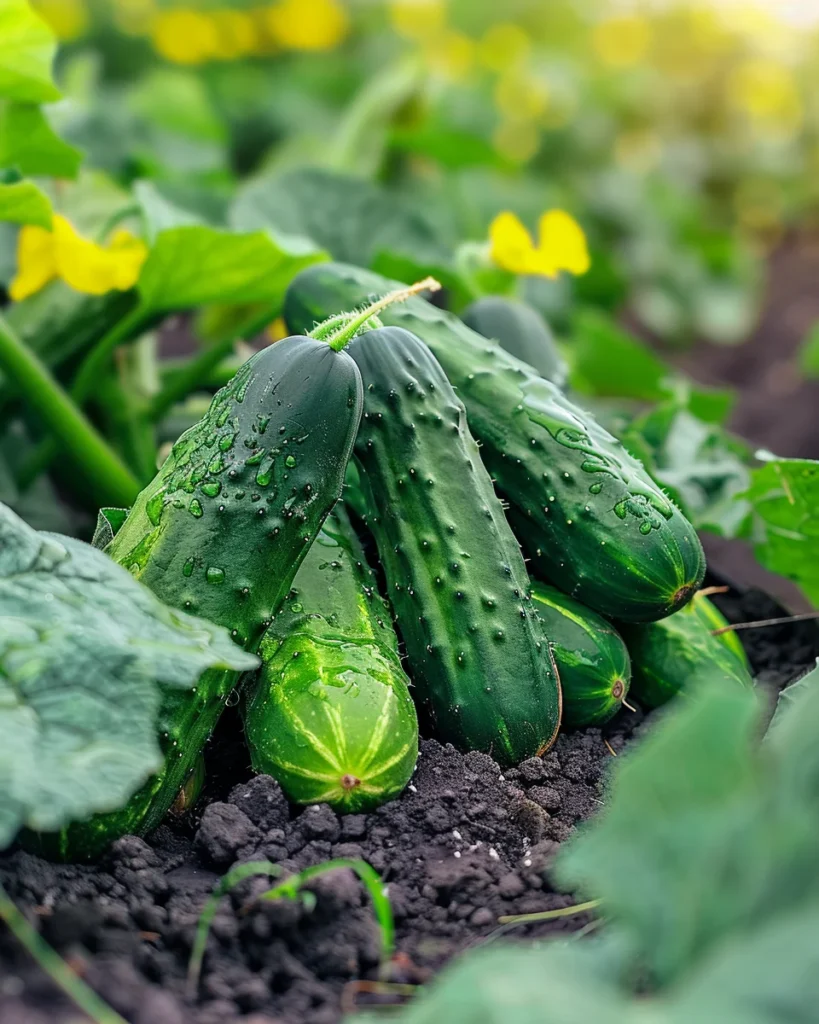
How to Grow Cucumbers for Pickling: When to Plant, Best Varieties & Care Guide
Intro for growing cucumbers for pickling
Pickling cucumbers are compact, crisp varieties specifically bred for preservation. Unlike their slicing cousins, these cucumbers have thinner skins, firmer flesh, and smaller seed cavities—qualities that help them maintain crunchiness after pickling. Growing your own pickling cucumbers ensures the freshest possible produce for making dill pickles, bread and butter pickles, or quick refrigerator pickles. These productive vines thrive in warm, sunny conditions with consistent moisture, making them perfect summer crops for most temperate gardens. With proper care, a small patch of pickling cucumbers can yield enough fruits for dozens of jars of homemade pickles to enjoy year-round.
When to plant cucumbers for pickling
Pickling cucumbers require warm soil and air temperatures to thrive. Plant only after all danger of frost has passed and soil has warmed to at least 15-18°C (60-65°F). In most temperate regions, this means waiting until late spring. Cucumbers are extremely frost-sensitive and cold soil will inhibit germination and growth. For gardeners in cooler climates (UK, Northern US, Canada), consider starting seeds indoors 3-4 weeks before your last frost date or using cloches and row covers to warm the soil earlier. In warmer regions (US Zones 8-10, Mediterranean), you may be able to plant as early as March or April, and potentially do a second planting in midsummer for fall harvests.
Best time to plant cucumbers for pickling

For cool-temperate regions (UK, Northern US, Canada): Direct sow seeds from mid-May to early June when soil temperatures consistently reach 18°C (65°F). Transplant seedlings in late May through mid-June.
For warm-temperate regions (US Zones 7-9): Direct sow from mid-April to early June. For a fall crop, sow again in July to early August.
For hot regions (US Zones 10-11, Mediterranean): Plant from February to April for spring harvest, and again in August to September for fall harvest, avoiding the extreme summer heat which can cause bitterness and reduced yields.
Best pickling cucumber varieties to grow
- Boston Pickling – Heirloom variety with uniform 3-4 inch fruits and excellent disease resistance.
- National Pickling – Medium-sized, dark green fruits with thin skin and firm texture, bred specifically for pickling.
- Parisian Gherkin – Compact plants ideal for containers, producing small, crisp fruits perfect for cornichons.
- Homemade Pickles – Heavy producer of medium-length cucumbers with small seed cavities and excellent disease resistance.
- Calypso – Hybrid variety with excellent disease resistance and high yields, good for northern gardens.
- Bush Pickle – Compact bush habit (not vining) making it perfect for small spaces and containers.
- County Fair – Burpless variety with resistance to bacterial wilt, excellent for organic gardeners.
How to plant cucumbers for pickling
Materials needed:
- Pickling cucumber seeds or seedlings
- Compost or well-rotted manure
- Balanced organic fertilizer
- Trellis, stakes, or cage (for vining varieties)
- Mulch (straw, compost, or leaf mold)
- Watering can or irrigation system
Step-by-step planting:
- Select a site with full sun (minimum 6-8 hours daily) and good drainage.
- Prepare soil by incorporating 5-7cm (2-3in) of compost or aged manure.
- Create mounds or hills about 30-45cm (12-18in) in diameter, spaced 90-120cm (3-4ft) apart.
- For direct sowing, plant 4-6 seeds per hill, 1.5-2cm (½-¾in) deep.
- For transplants, plant 2-3 seedlings per hill after hardening them off.
- Water thoroughly after planting to settle soil around seeds or roots.
- Install trellises or supports at planting time to avoid disturbing roots later.
- Apply a thin layer of mulch to retain moisture and suppress weeds.
- For row planting, space seeds 7-10cm (3-4in) apart in rows 90-120cm (3-4ft) apart, thinning later to 30cm (12in) spacing.
How to grow cucumbers for pickling
Sunlight: Provide full sun (6-8 hours minimum daily) for best yields. In very hot regions, light afternoon shade can prevent stress.
Watering: Maintain consistent soil moisture with 2.5-5cm (1-2in) of water weekly. Irregular watering causes bitter fruits and poor development. Water at the base of plants to keep foliage dry and prevent disease. Consider drip irrigation for best results.
Fertilizing: Apply a balanced organic fertilizer (5-10-10) when plants begin to vine. Side-dress with compost or aged manure monthly. Avoid high-nitrogen fertilizers which promote foliage at the expense of fruit production.
Mulching: Apply 5-7cm (2-3in) of organic mulch like straw or shredded leaves to retain moisture, suppress weeds, and keep fruits clean.
Trellising: While bush varieties can grow without support, vining types benefit greatly from trellising. Install a 150-180cm (5-6ft) tall trellis, fence, or cage at planting time. Train vines upward as they grow for straighter fruits, better air circulation, and easier harvesting.
Container growing: Choose containers at least 30cm (12in) deep and wide. Bush varieties like ‘Bush Pickle’ are ideal. Use high-quality potting mix with added compost. Containers require more frequent watering, sometimes daily in hot weather. Feed container plants every 2-3 weeks with liquid organic fertilizer.
Caring for cucumbers for pickling
Ongoing care: Check plants daily during peak growing season. Harvest frequently to encourage continued production. Remove any yellowing leaves promptly. Pinch off the growing tips when vines reach the top of supports to encourage lateral growth and more fruits.
Common pests:
- Cucumber beetles: Yellow and black striped beetles that spread bacterial wilt. Control with row covers until flowering, then use organic insecticides or hand-pick.
- Aphids: Treat with strong water spray or insecticidal soap.
- Spider mites: Appear during hot, dry weather. Increase humidity with regular misting and apply neem oil.
Common diseases:
- Powdery mildew: White powdery spots on leaves. Improve air circulation and apply milk spray (1:9 milk to water) or commercial fungicides.
- Downy mildew: Yellow spots on leaf tops, gray fuzz underneath. Remove affected leaves and apply copper-based fungicide.
- Bacterial wilt: Sudden wilting despite adequate water. Remove and destroy affected plants, control cucumber beetles which spread the disease.
Harvesting: Pick pickling cucumbers when they reach 5-10cm (2-4in) long for gherkins or 7-15cm (3-6in) for larger pickles. Harvest every 1-2 days during peak season. Cut rather than pull fruits to avoid damaging vines. Morning harvest yields the crispest fruits.
Storage: Use fresh-picked cucumbers for pickling within 24-48 hours for best results. If needed, store unwashed cucumbers in the refrigerator for up to one week in a perforated plastic bag.
Understanding bolting in cucumbers for pickling
Unlike leafy greens, cucumbers don’t truly “bolt” in the traditional sense of prematurely producing flowers and seeds. However, they can experience accelerated growth and reduced fruit quality under stress. Cucumbers naturally produce male flowers first, followed by female flowers (which develop into fruits). Stress factors like extreme heat (above 32°C/90°F), drought, or nutrient deficiencies can cause plants to produce mostly male flowers or abort female flowers.
To prevent stress-related flowering issues:
- Maintain consistent soil moisture with regular watering and mulch
- Provide afternoon shade during heatwaves
- Ensure adequate nutrition without over-fertilizing
- Plant at the appropriate time for your region to avoid extreme temperatures
If your plants are producing mostly male flowers (which drop without forming fruits), increase watering, apply a balanced fertilizer, and be patient—female flowers typically appear 1-2 weeks after the first male flowers.
Why does cucumber for pickling turn bitter?
- Heat stress: Temperatures consistently above 29°C (85°F) trigger cucurbitacin production, causing bitterness. Solution: Provide afternoon shade and increase watering during heat waves.
- Inconsistent watering: Drought stress increases bitterness. Solution: Maintain even soil moisture with regular watering and mulch.
- Over-maturity: Cucumbers left too long on the vine develop bitterness. Solution: Harvest regularly when fruits reach appropriate pickling size.
- Genetic factors: Some varieties are more prone to bitterness than others. Solution: Choose “burpless” varieties or those bred specifically for reduced bitterness.
- Nutrient imbalance: Excessive nitrogen can contribute to bitter fruits. Solution: Use balanced fertilizers and avoid over-fertilizing.
Companion planting for cucumbers for pickling
Good companions:
- Corn: Provides natural support and partial shade for cucumber vines.
- Sunflowers: Attract pollinators and provide natural trellising.
- Nasturtiums: Repel cucumber beetles and other pests while attracting pollinators.
- Radishes: Deter cucumber beetles and mature quickly before cucumbers need the space.
- Marigolds: Repel nematodes and other soil pests that can damage cucumber roots.
- Dill: Attracts beneficial insects and makes a perfect companion since it’s often used in pickling recipes.
Plants to avoid:
- Potatoes: Compete for nutrients and increase susceptibility to phytophthora blight.
- Aromatic herbs: Sage, rosemary, and mint can inhibit cucumber growth.
- Other cucurbits: Planting too close to melons, squash, or pumpkins increases disease pressure and can confuse pollinators.
Seasonal calendar
Early Spring (March-April):
- Start seeds indoors 3-4 weeks before last frost (cool regions)
- Prepare garden beds with compost and organic matter
- Direct sow in warm regions where soil has reached 18°C (65°F)
Late Spring (May):
- Direct sow seeds when soil warms to 18°C (65°F) in cool/moderate regions
- Transplant seedlings after hardening off
- Install trellises or supports
- Apply initial mulch layer
Early Summer (June):
- Train vines to supports
- Monitor for pests and diseases
- Side-dress with compost as plants begin to vine
- Ensure consistent watering as temperatures rise
Mid-Summer (July):
- Begin harvesting pickling cucumbers
- Pick frequently (every 1-2 days) to encourage production
- Apply second round of balanced fertilizer
- Plant succession crop in warm regions
Late Summer (August):
- Continue harvesting
- Monitor for powdery mildew as nights cool
- Start fall crop in warm regions
- Begin pickling and preserving
Fall (September-October):
- Final harvests before frost in cool regions
- Continue harvesting fall crop in warm regions
- Clean up and compost spent plants after harvest
- Note successful varieties for next season
Problems & solutions
| Problem | Quick Fix |
|---|---|
| Few or no fruits forming | Ensure adequate pollination by attracting bees with companion flowers or hand-pollinate using a small brush |
| Curled, misshapen fruits | Likely poor pollination or inconsistent watering; maintain even moisture and improve pollinator access |
| Yellow leaves | Could indicate overwatering, nutrient deficiency, or downy mildew; adjust watering, add balanced fertilizer, or treat with fungicide as appropriate |
| Fruits with pointed ends | Insufficient water or nutrients during fruit development; increase watering consistency and add compost tea |
| Sudden wilting despite moist soil | Likely bacterial wilt; remove affected plants immediately to prevent spread and control cucumber beetles |
| White powdery coating on leaves | Powdery mildew; improve air circulation, avoid wetting leaves, and apply milk spray (1:9 ratio) or fungicide |
| Stunted growth | Check for root-knot nematodes; rotate crops, add beneficial nematodes, or grow resistant varieties next season |
Common questions about growing cucumbers for pickling
Q: How often should I water my pickling cucumbers?
A: Provide 2.5-5cm (1-2in) of water weekly, divided into 2-3 applications. During hot weather, daily light watering may be necessary, especially for container plants. Consistent moisture is crucial for preventing bitter fruits.
Q: Can I grow pickling cucumbers in partial shade?
A: While cucumbers prefer full sun (6-8 hours daily), they can tolerate partial shade in very hot climates. In cooler regions, ensure they receive at least 6 hours of direct sunlight for good yields.
Q: What size container do I need for growing pickling cucumbers?
A: Use containers at least 30cm (12in) deep and 30-40cm (12-16in) in diameter. Five-gallon buckets with drainage holes work well. Bush varieties like ‘Bush Pickle’ are best for containers.
Q: How far apart should I space pickling cucumber plants?
A: Space bush varieties 30-45cm (12-18in) apart. For vining types, allow 45-60cm (18-24in) between plants if trellised, or plant in hills with 2-3 plants per hill, spacing hills 90-120cm (3-4ft) apart.
Q: Can pickling cucumbers tolerate cold temperatures?
A: No, cucumbers are very frost-sensitive and prefer soil temperatures above 15°C (60°F). Even cool temperatures below 10°C (50°F) can stunt growth. Use row covers or cloches to protect plants from late spring or early fall chills.
Q: How often should I harvest pickling cucumbers?
A: Check plants daily during peak season and harvest every 1-2 days. Regular harvesting encourages continued production. Pick when fruits reach 5-10cm (2-4in) for gherkins or 7-15cm (3-6in) for larger pickles.
Q: Do pickling cucumbers need to be pollinated?
A: Yes, cucumbers require pollination to produce fruit. Most varieties have separate male and female flowers on the same plant. Encourage bees and other pollinators by planting flowers nearby or hand-pollinate by transferring pollen from male to female flowers using a small brush.