
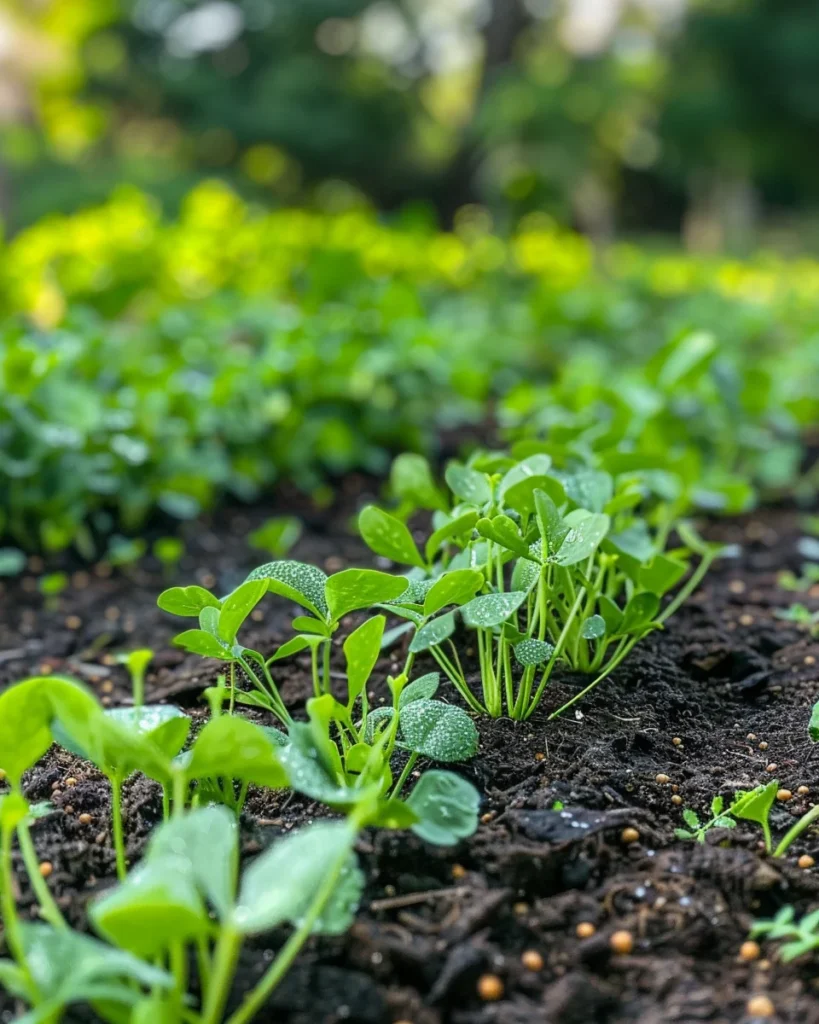
How to Grow Chickpeas (Garbanzo Beans) in Dry Climates: When to Plant, Best Varieties & Care
Intro for growing chickpeas in dry climates
Chickpeas (Cicer arietinum), also known as garbanzo beans, are drought-tolerant legumes that thrive in arid environments, making them ideal for water-conscious gardeners. These nutritious plants fix nitrogen in the soil while producing protein-rich beans that can be harvested fresh or dried for year-round use. Native to the Mediterranean and Middle East, chickpeas are naturally adapted to hot, dry conditions with minimal rainfall. Their deep taproot system allows them to access moisture far below the soil surface, while their small compound leaves minimize water loss through transpiration. With proper timing and care, chickpeas can be a rewarding crop for gardeners in USDA zones 7-10 or any region with long, warm growing seasons and limited rainfall.
When to plant chickpeas in dry climates
In dry climates, chickpeas should be planted when soil temperatures reach 10-15°C (50-60°F). These cool-season legumes need to establish before intense summer heat arrives. In desert regions, fall planting may be possible for winter growth and spring harvest. Chickpeas can tolerate light frost once established but will be killed by hard freezes below -5°C (23°F). For spring planting, sow seeds 2-3 weeks before your last expected frost date to give plants a head start. In Mediterranean-type climates, chickpeas are traditionally planted in late winter to early spring to utilize winter rainfall before summer drought conditions set in.
Best time to plant chickpeas in dry climates
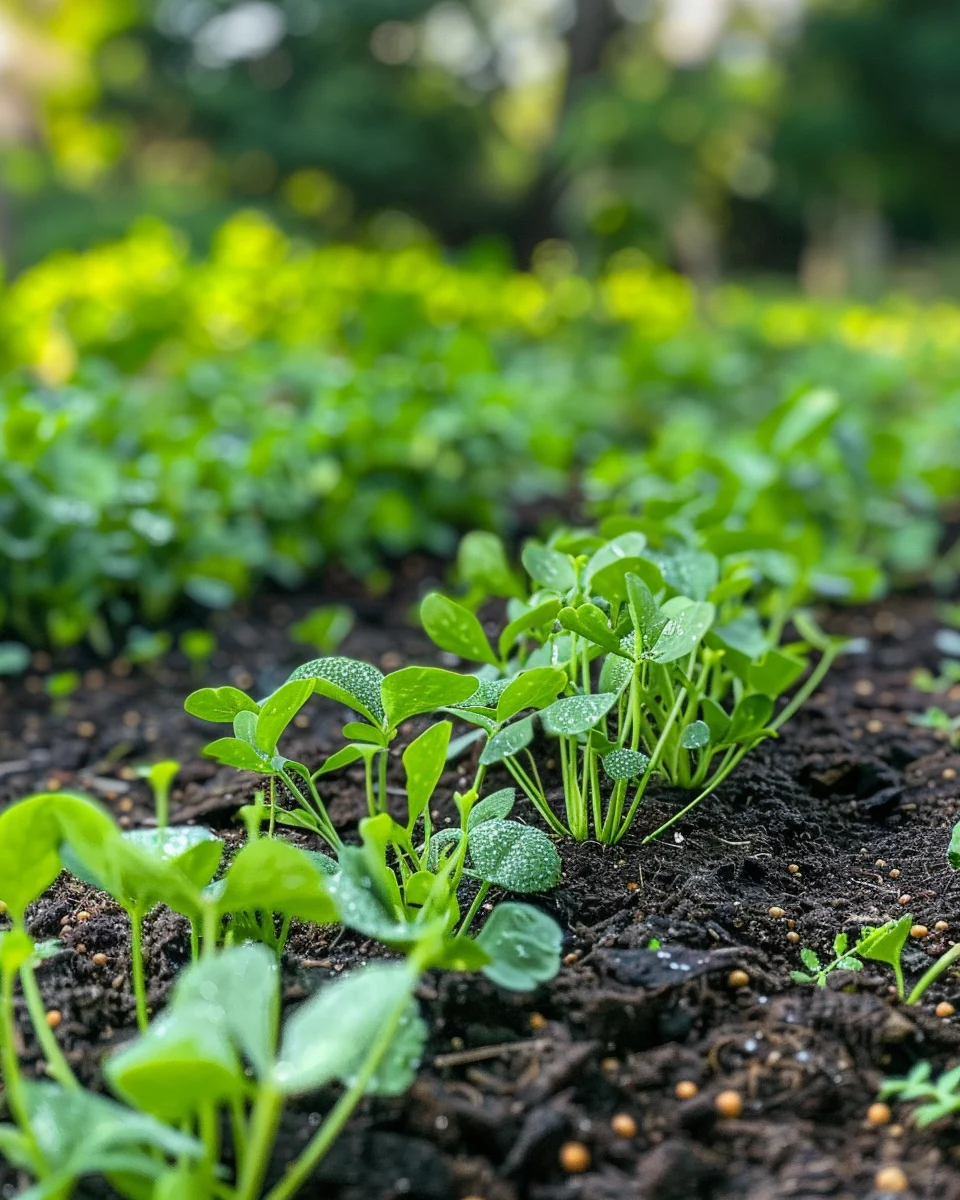
For warm desert regions (USDA zones 9-10), plant chickpeas from October to November for a spring harvest, taking advantage of mild winter temperatures. In temperate dry areas (zones 7-8), plant from mid-March to early April after soil has warmed but before summer heat intensifies. Direct sowing is strongly preferred for chickpeas as they develop a long taproot that resents disturbance. If starting indoors is necessary due to extremely short growing seasons, use biodegradable pots and transplant within 2-3 weeks of germination when seedlings are 7-10 cm (3-4 inches) tall, being extremely careful not to disturb the roots.
Best chickpea varieties to grow in dry climates
- Sierra – Early-maturing (90 days) with excellent drought tolerance and heat resistance, ideal for short-season regions.
- Kabuli – Large, cream-colored beans with excellent flavor and good adaptation to arid conditions.
- Black Kabouli – Unique black variety with exceptional drought tolerance and disease resistance.
- Desi – Smaller, darker seeds with higher fiber content and superior performance in hot, dry conditions.
- Frontier – Compact plants suitable for container growing with good yield potential despite limited space.
- UC-5 – Developed specifically for dry farming in California, with excellent drought resistance and reliable yields.
- Yuma – Heat-loving variety that maintains productivity even during temperature spikes above 35°C (95°F).
How to plant chickpeas in dry climates
Materials needed: Chickpea seeds, compost, bone meal or rock phosphate, inoculant (specific for chickpeas/garbanzo beans), drip irrigation supplies, mulch material, row covers (optional).
- Select a full-sun location with well-draining soil and no recent legume crops.
- Prepare soil by removing rocks and breaking up clumps; chickpeas prefer slightly alkaline soil (pH 6.5-7.5).
- Add 2-3 cm (1 inch) of compost and a light application of phosphorus-rich fertilizer like bone meal.
- Create furrows 5 cm (2 inches) deep and 45-60 cm (18-24 inches) apart.
- Coat seeds with inoculant specific for chickpeas to ensure nitrogen fixation.
- Plant seeds 7-10 cm (3-4 inches) apart in rows, covering with 5 cm (2 inches) of soil.
- Water thoroughly after planting to a depth of 15 cm (6 inches).
- Install drip irrigation lines alongside rows to maximize water efficiency.
- Apply 5-7 cm (2-3 inches) of mulch between rows, keeping it away from plant stems.
- Consider row covers for early plantings to protect from late frosts and pests.
How to grow chickpeas in dry climates
Chickpeas require full sun (at least 6-8 hours daily) to thrive in dry climates. Their water needs are modest but critical at specific growth stages. Water deeply once a week during vegetative growth, increasing to twice weekly during flowering and pod formation. Apply approximately 2.5 cm (1 inch) of water per session, adjusting based on soil moisture at 10 cm (4 inches) depth. Avoid overhead watering which can promote fungal diseases. Chickpeas require minimal fertilization due to their nitrogen-fixing abilities; a single application of low-nitrogen, phosphorus-rich fertilizer (like 5-10-10) at planting is usually sufficient. Maintain mulch throughout the growing season to conserve soil moisture and suppress weeds. For container growing, use minimum 30 cm (12 inch) deep pots with excellent drainage, one plant per 5-gallon container, and water when the top 2.5 cm (1 inch) of soil feels dry.
Caring for chickpeas in dry climates
Monitor plants weekly for signs of stress or pest issues. Common pests include aphids and leafhoppers, which can be controlled with insecticidal soap applications. Watch for chickpea blight (dark lesions on leaves and stems) and powdery mildew, treating early with copper fungicide or neem oil. Harvest chickpeas when pods have dried and turned brown on the plant, typically 100-120 days after planting. For fresh green chickpeas, harvest when pods are still green but fully formed, approximately 80-90 days after planting. To harvest, pull entire plants when most pods are dry, hang upside down in a dry location for 1-2 weeks, then thresh pods to remove seeds. Store dried chickpeas in airtight containers in a cool, dark place for up to 2 years. In extremely hot conditions (above 38°C/100°F), provide temporary shade during the hottest part of the day to prevent flower drop.
Understanding bolting in chickpeas
Unlike leafy greens, chickpeas don’t bolt in the traditional sense, but extreme heat can cause premature flowering and reduced yields. This stress response is triggered by temperatures consistently above 35°C (95°F), extended drought, or transplant shock. When chickpeas experience heat stress, they may flower early but produce fewer pods as the plant redirects energy to seed production rather than vegetative growth. To prevent heat-related stress, plant early enough to allow pod formation before extreme summer temperatures arrive. If premature flowering occurs, increase watering frequency slightly and apply mulch to moderate soil temperatures. Consider providing afternoon shade in extremely hot regions using shade cloth that blocks 30-40% of sunlight during the hottest weeks.
Why does chickpea growth stunt in dry climates?
- Insufficient water during critical growth stages – Ensure deep watering during flowering and pod formation.
- Extreme heat above 38°C (100°F) – Plant early or provide afternoon shade during heat waves.
- Poor inoculation – Always use fresh inoculant specific to chickpeas to ensure nitrogen fixation.
- Soil compaction – Prepare beds deeply before planting to allow taproot development.
- Phosphorus deficiency – Add bone meal or rock phosphate at planting time.
Companion planting for chickpeas in dry climates
Pair chickpeas with drought-tolerant companions that won’t compete for water. Sunflowers provide light afternoon shade while their deep roots access different soil layers. Aromatic herbs like rosemary, sage, and thyme deter pests while requiring minimal water. Desert-adapted native flowers attract pollinators and beneficial insects. Cucumbers can be grown on trellises above chickpeas, creating beneficial microclimate conditions. Avoid planting chickpeas near garlic and onions, which can inhibit growth of most legumes. Also keep chickpeas away from other heavy nitrogen feeders like corn, which will compete for resources without offering benefits in return.
Seasonal calendar
- January-February: Prepare soil and add amendments in warm desert regions (zones 9-10).
- March: Plant chickpeas in zones 8-10 as soil warms; prepare beds in cooler regions.
- April: Plant in zones 6-7; thin seedlings in warmer regions; install drip irrigation.
- May-June: Apply mulch; monitor for pests; ensure consistent moisture during flowering.
- July-August: Reduce watering as pods mature; harvest green chickpeas if desired.
- September: Harvest dried chickpeas in most regions; plant fall crop in zones 9-10.
- October-November: Plant winter crop in desert regions; process and store dried chickpeas.
- December: Plan next season’s crop rotation; order seeds and supplies.
Problems & solutions
| Problem | Quick Fix |
|---|---|
| Yellowing leaves | Check for overwatering; ensure good drainage; may indicate need for inoculant |
| Few or no flowers | Verify plants receive full sun; ensure phosphorus levels adequate; check day/night temperature differential |
| Flowers drop without forming pods | Increase water during flowering; provide afternoon shade if temperatures exceed 35°C (95°F) |
| Aphid infestation | Spray with strong water jet; apply insecticidal soap; introduce ladybugs |
| Powdery white spots on leaves | Improve air circulation; apply neem oil or sulfur-based fungicide; avoid overhead watering |
| Stunted growth | Check for root-knot nematodes; ensure proper inoculation; test soil pH |
| Empty pods | Ensure consistent moisture during pod development; check for stink bug damage |
Common questions about growing chickpeas in dry climates
How often should I water chickpeas in a desert climate?
Water deeply once every 7-10 days during vegetative growth, increasing to twice weekly during flowering and pod formation. Always check soil moisture at 10 cm (4 inches) depth before watering.
Can chickpeas grow in partial shade in very hot regions?
While chickpeas prefer full sun, in regions where temperatures regularly exceed 38°C (100°F), afternoon shade (30-40%) can prevent flower drop and improve yields.
What size container is needed for growing chickpeas?
Use containers at least 30 cm (12 inches) deep with a minimum 5-gallon capacity per plant to accommodate the deep taproot system.
How far apart should chickpeas be planted?
Plant seeds 7-10 cm (3-4 inches) apart in rows spaced 45-60 cm (18-24 inches) apart; thin to 15 cm (6 inches) between plants once established.
Can chickpeas survive a drought?
Established chickpea plants can survive moderate drought periods, but consistent water during flowering and pod formation is essential for good yields.
When are chickpeas ready to harvest?
Harvest dried chickpeas when pods have turned completely brown and brittle, typically 100-120 days after planting. For fresh green chickpeas, harvest when pods are fully formed but still green, about 80-90 days after planting.
Do chickpeas need crop rotation?
Yes, avoid planting chickpeas in the same location for 3-4 years to prevent soil-borne diseases and pest buildup. Rotate with non-legume crops like tomatoes, cucumbers, or grains.