
How to Grow Cherry Tomatoes Indoors with Lights: A Year-Round Harvest Guide
Intro for growing cherry tomatoes indoors with lights
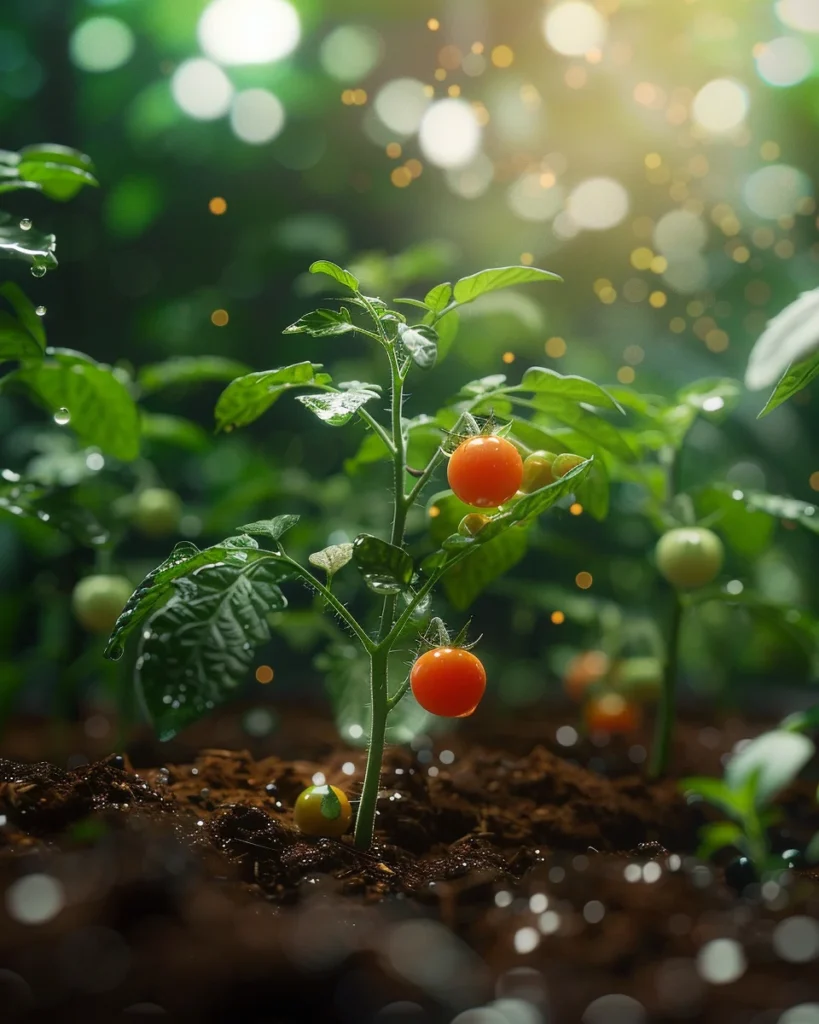
Cherry tomatoes are perfect candidates for indoor growing under lights, offering gardeners the pleasure of harvesting sweet, juicy fruits year-round regardless of outdoor conditions. These compact varieties thrive in controlled indoor environments where you can provide optimal light, temperature, and humidity. Indoor cherry tomato plants typically reach 2-4 feet (60-120 cm) in height, making them manageable for indoor spaces. With proper lighting setups, you can enjoy fresh tomatoes even in winter months or in homes with limited natural sunlight. Growing cherry tomatoes indoors also eliminates concerns about outdoor pests, weather extremes, and seasonal limitations, giving you complete control over your growing environment.
When to plant cherry tomatoes indoors with lights
The beauty of growing cherry tomatoes indoors with artificial lighting is that traditional growing seasons become irrelevant. You can start your indoor tomato garden any time of year. However, if you’re supplementing with some natural light, starting seeds in late winter (January-February) allows young plants to benefit from increasing natural daylight by spring. For purely artificial setups, timing doesn’t matter as you’ll be creating your own “growing season.” Maintain indoor temperatures between 65-80°F (18-27°C) for optimal germination and growth. Unlike outdoor growing, there’s no need to worry about frost dates or soil temperature when growing entirely indoors under lights.
Best time to plant cherry tomatoes indoors with lights
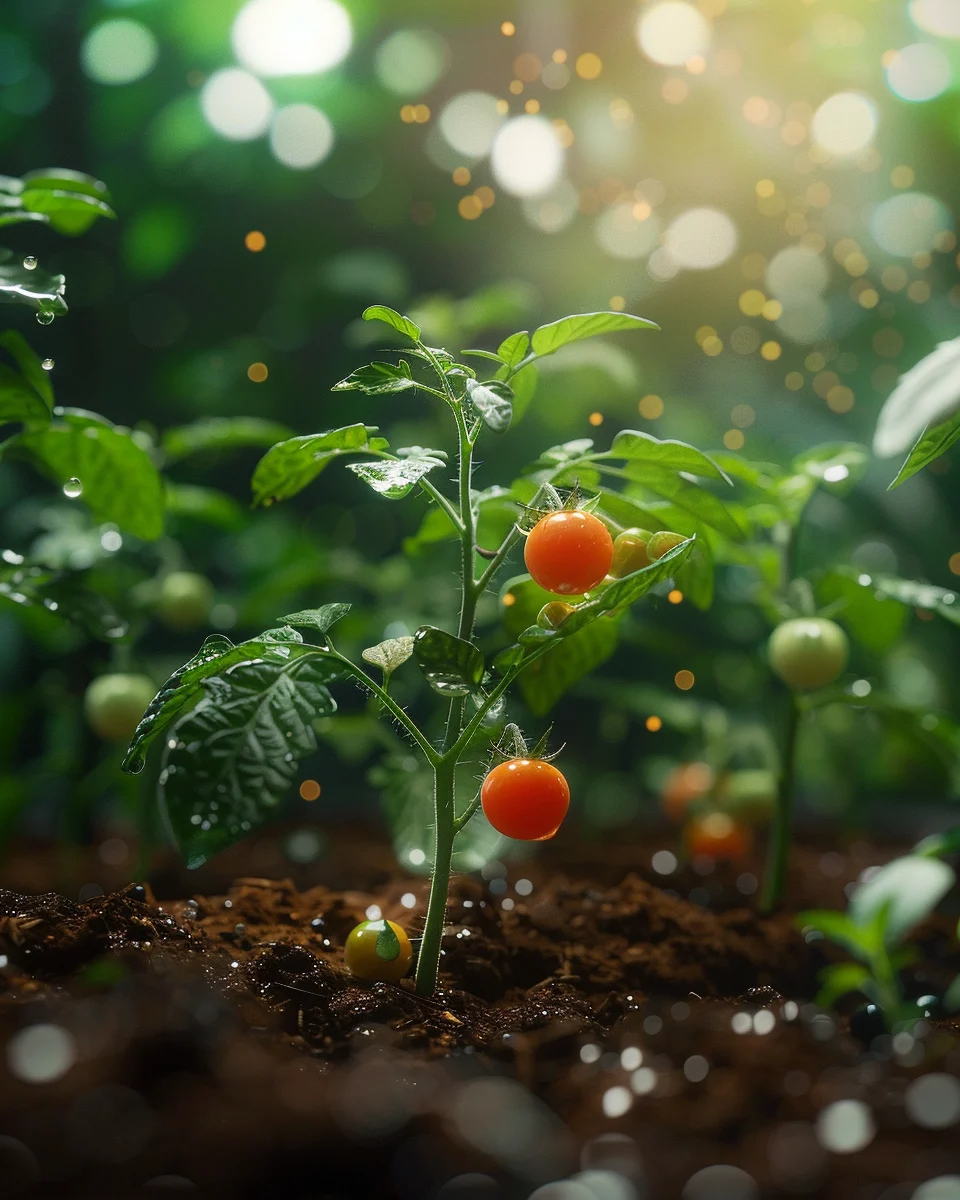
For indoor growing under lights, the traditional planting calendar becomes flexible. If you’re a beginner, starting your indoor cherry tomato project in early spring (March-April) can be advantageous as you can potentially place plants near windows for supplemental natural light while temperatures moderate. For year-round production, stagger your plantings every 2-3 months to ensure continuous harvests. Start seeds in seedling trays or small pots before transferring to their permanent containers once they develop 2-3 sets of true leaves, typically 3-4 weeks after germination. With controlled indoor conditions, direct sowing isn’t necessary—starting with seeds in small containers and then transplanting works best.
Best cherry tomato varieties to grow indoors
- Tiny Tim – Extremely compact plants (10-12 inches/25-30 cm tall) perfect for small spaces and producing sweet red fruits.
- Micro Tom – The world’s smallest tomato variety at just 6-8 inches (15-20 cm) tall, ideal for windowsills and small light setups.
- Red Robin – Determinate variety reaching only 12 inches (30 cm) tall with exceptional flavor and productivity under artificial lights.
- Sungold – Indeterminate with incredibly sweet orange fruits; requires more vertical space but adapts well to indoor growing.
- Sweet 100 – Prolific producer of sweet red cherry tomatoes that responds exceptionally well to consistent light conditions.
- Tumbling Tom – Cascading growth habit makes it perfect for hanging baskets under grow lights.
- Baxter’s Early Bush – Early-maturing determinate variety that thrives in container environments with artificial lighting.
How to plant cherry tomatoes indoors with lights
Materials needed:
- Cherry tomato seeds or seedlings
- Grow lights (LED or full-spectrum fluorescent)
- Containers (8-12 inch/20-30 cm minimum diameter) with drainage holes
- High-quality potting mix specifically for vegetables
- Timer for lights
- Small fan for air circulation
- Plant supports or stakes
- Fertilizer formulated for tomatoes
- Watering can with gentle flow
- Optional: heat mat for germination
Step-by-step planting process:
- Fill seedling trays or small pots with moistened seed-starting mix and plant seeds ¼ inch (6 mm) deep.
- Cover lightly with soil, mist with water, and place under grow lights positioned 2-3 inches (5-7.5 cm) above the soil.
- Maintain soil temperature at 70-75°F (21-24°C) using a heat mat if necessary for germination.
- Once seedlings emerge (5-10 days), adjust lights to remain 2-3 inches above the growing plants.
- When seedlings develop 2-3 sets of true leaves, transplant to larger containers filled with potting mix.
- Plant seedlings deeper than they were growing previously, burying up to the first set of true leaves to encourage strong root development.
- Position containers under grow lights, keeping lights 12-18 inches (30-45 cm) above plants.
- Install stakes or cages at planting time to avoid root damage later.
- Water thoroughly after transplanting until water drains from the bottom of the container.
- Set up a small fan nearby for gentle air circulation to strengthen stems and prevent disease.
How to grow cherry tomatoes indoors with lights
Lighting is the most critical factor for indoor tomato success. Position LED or full-spectrum fluorescent grow lights 12-18 inches (30-45 cm) above plants and provide 14-16 hours of light daily using a timer. As plants grow, adjust light height to maintain proper distance. Water when the top inch (2.5 cm) of soil feels dry, typically every 2-3 days, ensuring water reaches the root zone but doesn’t create soggy conditions. Feed with a balanced liquid fertilizer diluted to half-strength every two weeks once plants begin flowering.
Indoor cherry tomatoes benefit from regular pruning—remove suckers (shoots that grow in the crotch between branches) to focus energy on fruit production. For indeterminate varieties, provide vertical support using stakes, cages, or strings attached to overhead supports. Container size matters significantly—use minimum 8-inch (20 cm) pots for dwarf varieties and 12-inch (30 cm) or larger containers for standard varieties. Maintain indoor temperatures between 65-75°F (18-24°C) during the day and no lower than 55°F (13°C) at night for optimal growth and fruit development.
Caring for cherry tomatoes indoors with lights
Hand-pollinate indoor tomatoes by gently shaking flowering stems daily or using a small brush to transfer pollen between flowers. Monitor humidity levels, aiming for 40-60% relative humidity—too high encourages fungal issues while too low can prevent proper pollination. Rotate containers weekly to ensure even growth on all sides. The most common indoor pest issues include fungus gnats and spider mites—inspect plants regularly and treat with insecticidal soap if needed. Prevent fungal diseases by maintaining good air circulation and avoiding overhead watering.
Harvest cherry tomatoes when they’ve fully developed their color and detach easily from the stem with a gentle pull. Indoor-grown tomatoes can be harvested year-round as they ripen. Fresh cherry tomatoes store best at room temperature for 4-7 days—refrigeration diminishes flavor but can extend shelf life to 1-2 weeks. For continuous production, replace plants every 6-8 months as productivity naturally declines over time.
Understanding bolting in cherry tomatoes
Unlike leafy greens, tomatoes don’t technically bolt. However, they can experience stress responses that affect fruit production. Temperature extremes (below 55°F/13°C or above 90°F/32°C) can cause blossom drop and halted fruit development. Inconsistent lighting (interruptions in the light cycle) can stress plants and reduce flowering. If your indoor tomatoes show signs of stress like yellowing leaves, flower drop, or stunted growth, check your light duration, temperature, and watering practices.
To prevent stress responses, maintain consistent growing conditions, avoid temperature fluctuations, and ensure proper light duration. If plants show stress, stabilize environmental conditions and prune any damaged foliage to encourage new growth. Unlike true bolting plants, tomatoes can recover from temporary stress if conditions improve.
Why does cherry tomatoes turn bitter?
- Insufficient light – Increase light intensity or duration to 14-16 hours daily.
- Inconsistent watering – Establish a regular watering schedule based on soil dryness rather than calendar days.
- Nutrient imbalance – Switch to a fertilizer specifically formulated for fruiting plants with higher phosphorus content.
- Temperature stress – Maintain temperatures between 65-75°F (18-24°C) during the day and no lower than 55°F (13°C) at night.
- Harvesting too early – Allow fruits to fully ripen on the vine for maximum sweetness.
Companion planting for cherry tomatoes indoors
While space is typically limited for indoor growing, companion planting can still benefit your cherry tomatoes:
Good companions:
- Basil – Repels certain insects and may improve tomato flavor while thriving under the same light conditions.
- Marigolds – Compact varieties deter pests and add color to your indoor garden.
- Chives – Require similar growing conditions and help deter aphids.
- Parsley – Attracts beneficial insects if your setup allows for some outdoor exposure occasionally.
- Nasturtiums – Act as trap crops for aphids while adding edible flowers to your indoor garden.
Avoid planting near:
- Fennel – Produces compounds that can inhibit tomato growth.
- Dill – Can stunt tomato growth when planted too closely.
- Potatoes – Share similar diseases and can increase vulnerability to pathogens.
Seasonal calendar
With indoor growing under lights, traditional seasonal calendars become less relevant, but here’s a general 12-month cycle for managing indoor cherry tomatoes:
- January-February: Start new seeds for spring/summer production.
- March-April: Transplant seedlings to larger containers; begin fertilizing regimen.
- May-June: Maintain consistent light schedule; hand-pollinate flowers; begin harvesting early varieties.
- July-August: Peak production period; harvest regularly; monitor for pests in warmer indoor conditions.
- September-October: Start new seeds for fall/winter production; replace aging plants.
- November-December: Maintain lighting duration during shorter days; continue harvesting from established plants.
Note: For purely indoor growing under artificial lights, this calendar serves more as a replacement schedule than a seasonal guide, as your indoor environment remains consistent year-round.
Problems & solutions
| Problem | Quick Fix |
|---|---|
| Leggy, stretched seedlings | Lower lights to 2-3 inches above plants; increase light intensity. |
| Flowers forming but not setting fruit | Hand-pollinate with a small brush or by gently shaking plants daily. |
| Yellow leaves | Check for overwatering; ensure proper nutrient levels; inspect for spider mites. |
| Fungus gnats in soil | Allow soil surface to dry between waterings; use yellow sticky traps; apply food-grade diatomaceous earth to soil surface. |
| Leaf curl | Check for temperature extremes; ensure consistent watering; inspect for pests underneath leaves. |
| Blossom end rot (dark spots on fruit bottoms) | Maintain consistent watering; supplement with calcium; avoid high-nitrogen fertilizers. |
| Powdery white spots on leaves | Improve air circulation; reduce humidity; apply neem oil solution. |
Common questions about growing cherry tomatoes indoors with lights
How many hours of light do indoor cherry tomatoes need?
Indoor cherry tomatoes require 14-16 hours of light daily for optimal growth and fruit production. Use a timer to maintain a consistent schedule, as irregular lighting can stress plants and reduce yields.
What type of grow lights work best for indoor cherry tomatoes?
Full-spectrum LED grow lights are ideal for indoor tomatoes, providing the complete light spectrum needed for vegetative growth and fruiting while remaining energy-efficient. Fluorescent T5 high-output fixtures are a good budget alternative but may require closer positioning to plants.
How large should containers be for indoor cherry tomatoes?
Use containers at least 8-12 inches (20-30 cm) in diameter with a similar depth for dwarf varieties. For standard indeterminate cherry tomatoes, use 5-gallon (19-liter) containers or larger to accommodate their more extensive root systems.
Do I need to pollinate indoor cherry tomatoes?
Yes, indoor tomatoes require manual pollination since they lack natural pollinators and wind. Gently shake flowering branches daily or use a small paintbrush to transfer pollen between flowers for successful fruit set.
How often should I water indoor cherry tomatoes?
Water when the top inch (2.5 cm) of soil feels dry to the touch, typically every 2-3 days depending on container size, humidity levels, and plant size. Ensure containers have proper drainage to prevent root rot.
Can I grow cherry tomatoes indoors year-round?
Yes, with proper lighting and temperature control, cherry tomatoes can produce fruit year-round indoors. For continuous harvests, start new plants every 4-6 months as production naturally declines in older plants.
How do I prevent pests on my indoor cherry tomatoes?
Regularly inspect plants, maintain good air circulation with a small fan, avoid overwatering, and isolate new plants before introducing them to your indoor garden. If pests appear, treat promptly with insecticidal soap or neem oil.