
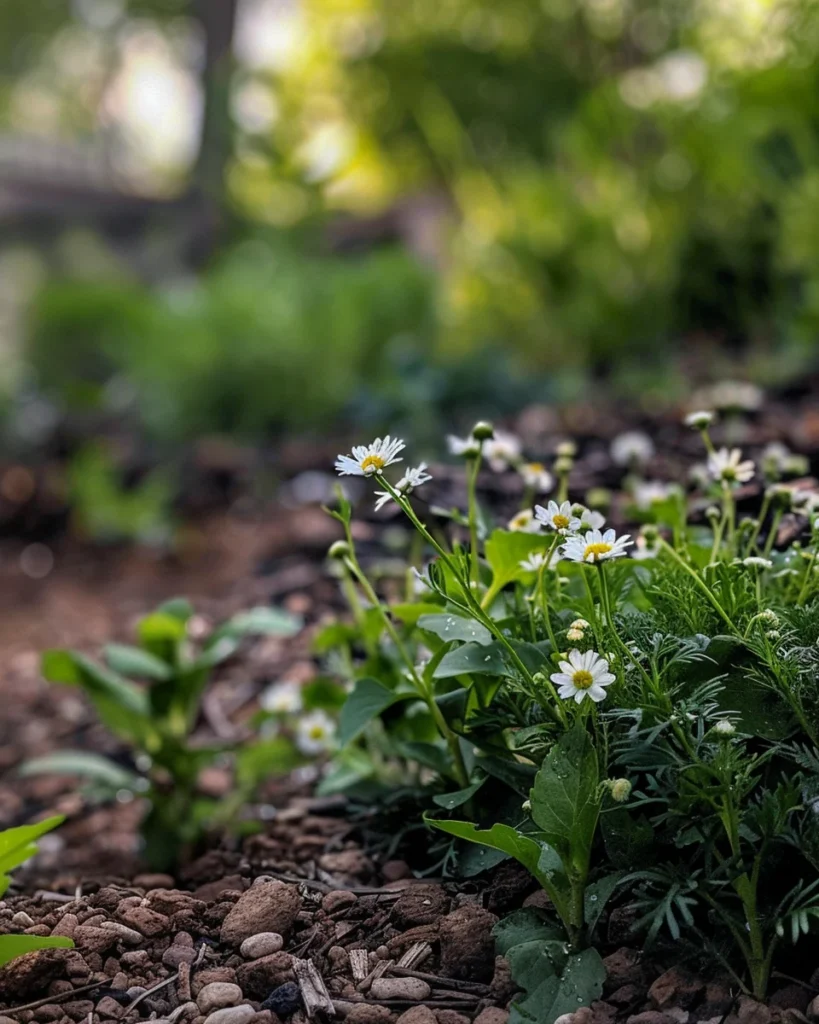
How to Grow Chamomile for Tea: When to Plant, Best Varieties & Care Guide
Intro for how to grow chamomile for tea
Chamomile is a delightful herb with daisy-like flowers that has been cherished for centuries for its calming properties when brewed as tea. This versatile plant is perfect for both dedicated herb gardens replica Rolex watches and mixed flower beds, offering both beauty and utility. Growing your own chamomile ensures you’ll have a fresh supply of flowers for making soothing tea throughout the season. With its gentle apple-like fragrance and relatively simple growing requirements, chamomile is an excellent choice for beginners and experienced gardeners alike. The plant thrives in most temperate regions and can be grown in gardens, containers, or even indoor windowsills with adequate light, making it accessible to gardeners with various space constraints.
When to plant how to grow chamomile for tea
Chamomile performs best when planted in early spring after the danger of frost has passed. In most temperate regions, this means waiting until soil temperatures Rolex replica watches reach at least 12-15°C (55-60°F). For gardeners in cooler climates (US Zones 3-5), wait until late spring when temperatures are more consistently warm. In warmer regions (US Zones 8-10 or Mediterranean climates), chamomile can also be planted in early autumn for a fall and winter harvest, as the plant prefers cooler growing conditions and may struggle during intense summer heat.
Best time to plant how to grow chamomile for tea
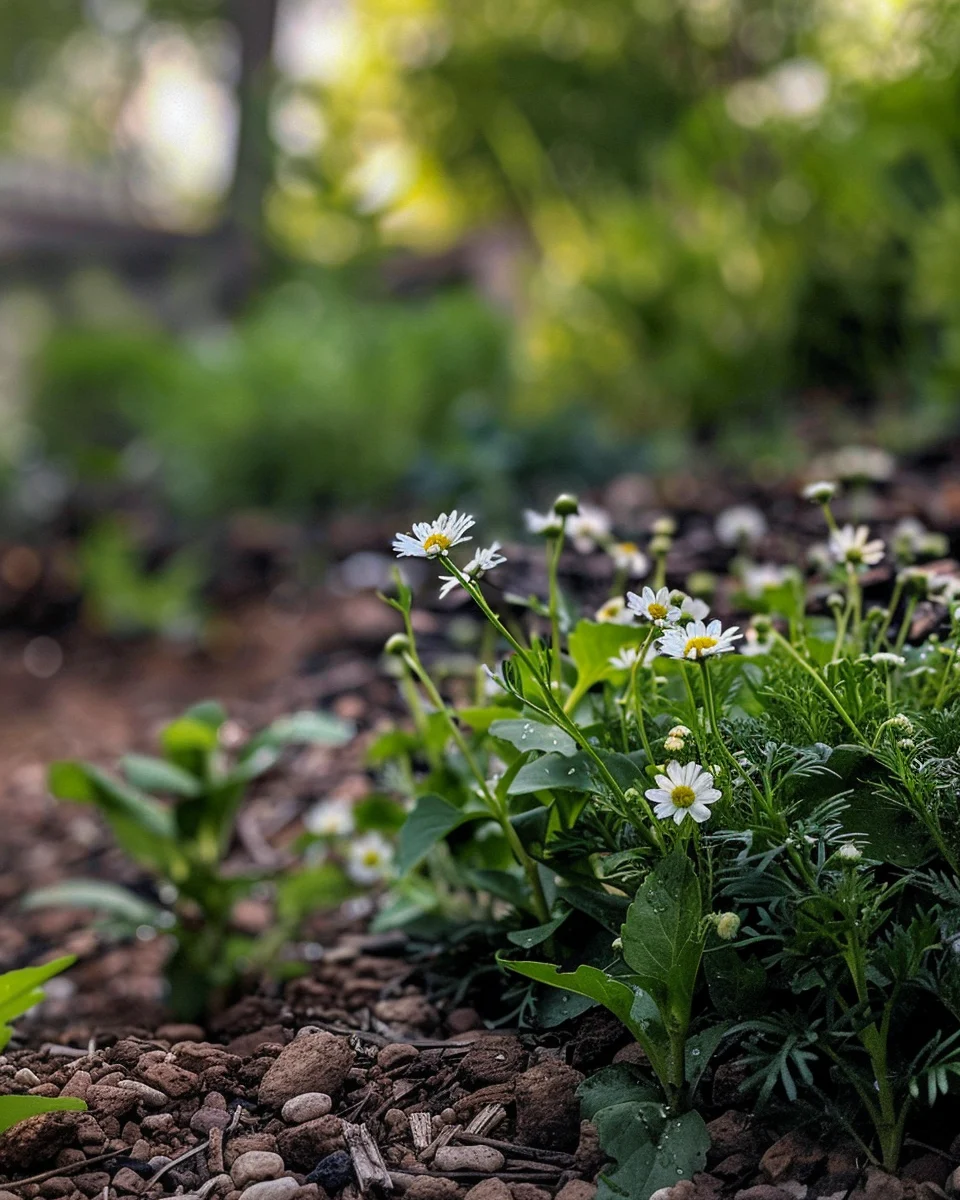
For cool temperate regions (UK, Northern US, Canada), the optimal planting window is mid-April to early June. In warmer climates (Southern US, Mediterranean), aim for March to April or September to October to avoid summer heat. Direct sowing works well once soil temperatures reach 18°C (65°F), typically 2-3 weeks replica watches UK after the last frost date. For a head start, begin transplants indoors 6-8 weeks before your last expected frost, then move outdoors when seedlings have developed 2-3 sets of true leaves and nighttime temperatures stay above 7°C (45°F).
Best how to grow chamomile for tea varieties to grow
- German Chamomile (Matricaria recutita) – Annual variety with more abundant, larger flowers ideal for tea production.
- Roman Chamomile (Chamaemelum nobile) – Perennial variety with a stronger apple scent and lower-growing habit, perfect for ground cover.
- Bodegold – German chamomile cultivar with exceptionally high essential oil content for more flavorful tea.
- Zloty Lan – Polish variety prized for its high concentration of chamazulene, enhancing the medicinal properties of tea.
- Common Chamomile – Reliable, easy-to-grow variety that produces abundant flowers and adapts well to container growing.
- Double Flowered Chamomile – Ornamental variety with fuller blooms that still makes excellent tea while adding visual interest to gardens.
- Dwarf Chamomile – Compact variety perfect for small spaces and containers with the same tea-making qualities.
How to plant how to grow chamomile for tea
Materials needed:
- Chamomile seeds or seedlings
- Well-draining potting soil or garden soil amended with compost
- Garden trowel or spade
- Watering can with gentle spray attachment
- Mulch (optional)
- Container with drainage holes (if container planting)
Step-by-step planting:
- Select a site that receives at least 4-6 hours of sunlight daily, preferably with morning sun and afternoon shade in warmer regions.
- Prepare the soil by removing weeds and rocks, then incorporate 2-3 cm (1 inch) of compost to improve drainage and fertility.
- For direct sowing, scatter seeds on the soil surface and press lightly—chamomile seeds need light to germinate, so don’t cover them.
- Space seeds or seedlings approximately 20-25 cm (8-10 inches) apart to allow proper air circulation.
- If transplanting seedlings, dig holes just large enough for the root ball, keeping the plant at the same depth it was growing previously.
- Water gently but thoroughly after planting, using a fine spray to avoid displacing the tiny seeds.
- For container growing, use pots at least 20 cm (8 inches) deep with drainage holes, filling with quality potting mix.
- Keep the soil consistently moist but not waterlogged until germination occurs (7-14 days).
How to grow how to grow chamomile for tea
Chamomile thrives in full sun to partial shade, requiring at least 4-6 hours of direct sunlight daily. In hot climates, afternoon shade is beneficial to prevent stress. Water newly planted chamomile regularly to maintain consistent moisture, then reduce to moderate watering once established—about 2.5 cm (1 inch) per week, allowing the top 2.5 cm (1 inch) of soil to dry between waterings. Chamomile is not a heavy feeder; apply a balanced organic fertilizer diluted to half-strength once in spring or mix in compost when planting. A light layer of organic mulch helps retain moisture and suppress weeds.
Thin seedlings to 20-25 cm (8-10 inches) apart when they reach 5 cm (2 inches) tall to prevent overcrowding. No staking is typically required as plants generally reach 30-60 cm (12-24 inches) tall with sufficient strength to support themselves. For container growing, use pots at least 25 cm (10 inches) in diameter for each plant, ensuring excellent drainage and checking moisture levels more frequently as containers dry out faster than garden soil.
Caring for how to grow chamomile for tea
Regular deadheading encourages continuous blooming throughout the season. Harvest flowers when they’re fully open but before they begin to fade, typically every 7-10 days during peak season. The main pests affecting chamomile include aphids and thrips, which can be controlled by spraying with a strong stream of water or insecticidal soap. Powdery mildew may develop in humid conditions—improve air circulation and avoid overhead watering to prevent this. Root rot can occur in poorly drained soils; ensure proper drainage and avoid overwatering.
Harvest chamomile flowers in mid-morning after dew has dried but before the heat of the day. Snip fully opened flowers with about 2.5 cm (1 inch) of stem attached. For tea, dry flowers by spreading them in a single layer on a screen in a warm, dark, well-ventilated area for 1-2 weeks, or use a food dehydrator on the lowest setting. Store dried flowers in airtight containers away from light and heat for up to one year.
Understanding bolting in how to grow chamomile for tea
Bolting refers to the plant’s rapid shift from vegetative growth to flowering and seed production. Unlike many herbs where bolting is undesirable, with chamomile, flowering is actually the goal since we harvest the flowers for tea. However, premature or excessive bolting can reduce overall yield. The primary triggers for chamomile bolting include extended periods of temperatures above 27°C (80°F), drought stress, and the natural response to increasing day length in summer.
To manage flowering for optimal tea production, ensure consistent watering during dry periods, provide afternoon shade in hot climates, and succession plant every 2-3 weeks for continuous harvests. If your chamomile bolts too quickly, harvest the flowers promptly and consider a second planting in late summer for fall harvests in milder climates.
Why does how to grow chamomile for tea turn bitter?
- Harvesting too late – Flowers picked after they’ve begun to fade or go to seed develop a more bitter flavor; harvest when fully open but still fresh.
- Improper drying – Drying at too high temperatures or for too long can damage essential oils; dry at temperatures below 35°C (95°F).
- Including too much stem – Excessive stem material in your tea blend increases bitterness; focus on harvesting primarily the flower heads.
- Heat stress during growing – Plants grown in excessive heat may produce more bitter compounds; provide afternoon shade in hot climates.
- Oversteeping tea – Steeping dried chamomile for longer than 5 minutes can extract bitter compounds; limit steeping time to 3-5 minutes.
Companion planting for how to grow chamomile for tea
Chamomile makes an excellent garden companion for numerous plants. Plant it near cabbage, onions, and cucumbers to repel pests and improve their flavor. Chamomile enhances the growth and essential oil production of basil and mint when planted nearby. It also supports the health of brassicas like broccoli and kale by attracting beneficial insects that prey on cabbage worms. When grown near fruit trees, chamomile can help accumulate calcium, potassium, and sulfur, making these nutrients more available in the soil.
Avoid planting chamomile near fennel, as they can inhibit each other’s growth. Also, keep some distance between chamomile and other heavy feeders like tomatoes and peppers, as they may compete for nutrients.
Seasonal calendar
- January-February: Order seeds and plan garden layout (all regions); start indoor seedlings (warm regions).
- March: Start indoor seedlings (cool regions); direct sow or transplant outdoors (warm regions).
- April: Direct sow or transplant outdoors after last frost (cool regions); begin harvesting (warm regions).
- May-June: Continue succession planting; thin seedlings; begin harvesting first flowers (cool regions).
- July-August: Peak harvest season; consider shade cloth in hot regions; collect seeds for next year.
- September: Final harvests in cool regions; potential second planting in warm regions for fall crop.
- October-November: Clean up annual German chamomile; mulch perennial Roman chamomile for winter protection.
- December: Process and package dried chamomile for winter use; review notes for next season’s planning.
Problems & solutions
| Problem | Quick Fix |
|---|---|
| Leggy, sparse growth | Increase sunlight exposure; thin plants to proper spacing |
| Few flowers produced | Ensure adequate sunlight; avoid excess nitrogen fertilizer; deadhead regularly |
| Powdery white spots on leaves | Improve air circulation; spray with diluted neem oil solution; remove affected leaves |
| Yellowing leaves | Check for overwatering; ensure proper drainage; inspect for pests underneath leaves |
| Aphid infestation | Spray with strong water jet; apply insecticidal soap; introduce ladybugs as natural predators |
| Seeds not germinating | Ensure seeds remain uncovered; maintain consistent moisture; provide sufficient light |
| Plants wilting despite watering | Check for root rot; improve drainage; consider replanting in fresh soil |
Common questions about growing how to grow chamomile for tea
How often should I water my chamomile plants?
Water chamomile once or twice weekly, providing about 2.5 cm (1 inch) of water. Allow the top 2.5 cm (1 inch) of soil to dry between waterings. Container plants may need more frequent watering, especially during hot weather.
How much sunlight does chamomile need?
Chamomile requires at least 4-6 hours of direct sunlight daily. In hot climates (zones 8+), afternoon shade is beneficial to prevent heat stress and extend the flowering period.
What size container works best for growing chamomile?
Use containers at least 25 cm (10 inches) in diameter and 20 cm (8 inches) deep with good drainage holes. One plant per container this size is ideal, or space multiple plants 20 cm (8 inches) apart in larger containers.
How far apart should I space chamomile plants?
Space chamomile plants 20-25 cm (8-10 inches) apart to allow proper air circulation and prevent disease. In containers, maintain similar spacing or grow one plant per small pot.
What temperature range can chamomile tolerate?
Chamomile grows best in temperatures between 15-24°C (60-75°F). It can tolerate light frost once established and will survive brief periods up to 30°C (86°F), though flowering may decrease in extreme heat.
How often can I harvest chamomile flowers?
During peak season, harvest chamomile flowers every 7-10 days. Pick flowers when they’re fully open but before petals begin to droop backward. Regular harvesting encourages continued blooming throughout the growing season.
Can I grow chamomile indoors year-round?
Yes, chamomile can be grown indoors with at least 6 hours of direct sunlight or under grow lights positioned 15-20 cm (6-8 inches) above plants for 12-14 hours daily. Use well-draining soil and ensure good air circulation to prevent disease.