
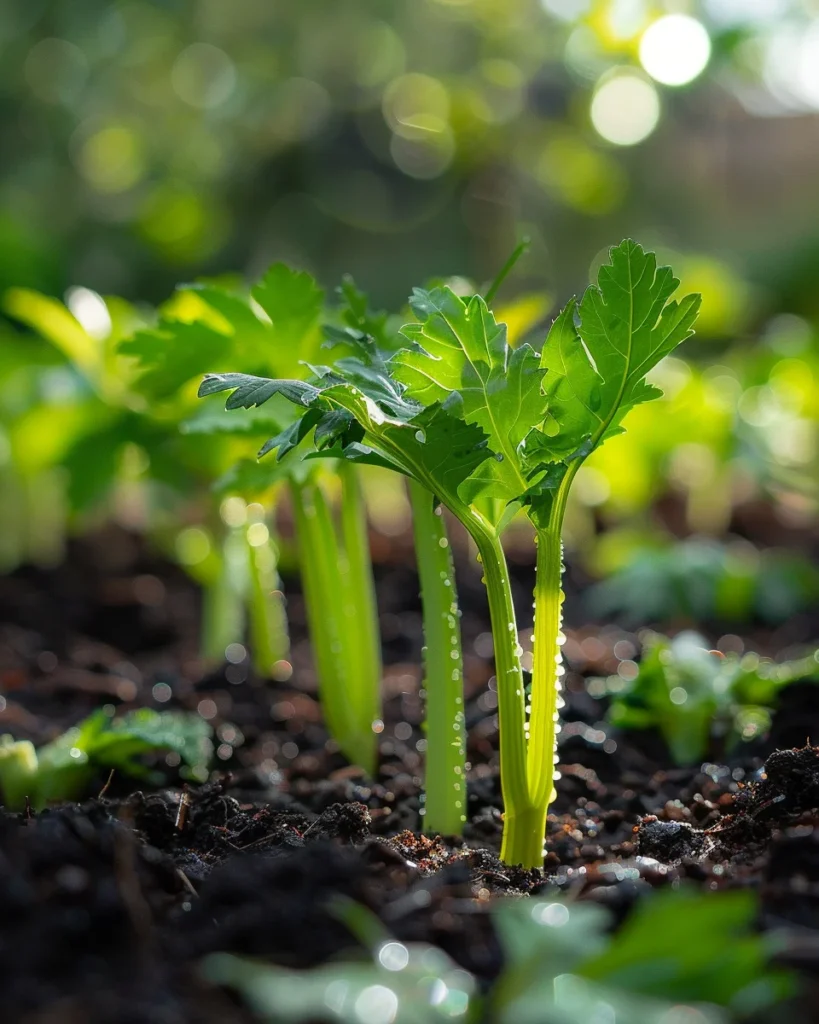
How to Grow Celery from Kitchen Scraps: Easy Regrowth, Zero Waste Gardening
Intro for how to grow celery from kitchen scraps
Growing celery from kitchen scraps is a rewarding way to reduce waste while producing fresh, homegrown vegetables. Instead of discarding the base of your store-bought celery, you can regrow an entirely new plant with just water, soil, and a little patience. This method works well in most temperate climates and can be done year-round indoors or seasonally outdoors. Regrowing celery from scraps not only saves money but also provides a continuous supply of this nutrient-rich vegetable known for its distinctive flavor and crunchy texture. Perfect for soups, salads, and snacks, homegrown celery tends to have more intense flavor than store-bought varieties, making this recycling project particularly satisfying for kitchen gardeners.
When to plant how to grow celery from kitchen scraps
Celery is a cool-season crop that prefers moderate temperatures between 15-21°C (60-70°F). In temperate regions, you can start the regrowth process indoors at any time of year, but for outdoor transplanting, timing is important. The ideal soil temperature for celery growth is 15-18°C (60-65°F). Celery is frost-sensitive, so avoid outdoor planting until all danger of frost has passed in spring, typically 2-3 weeks after your last frost date. In warmer regions (US Zones 8-10 or UK mild temperate areas), you can also start a second crop in late summer for fall and winter harvests.
Best time to plant how to grow celery from kitchen scraps
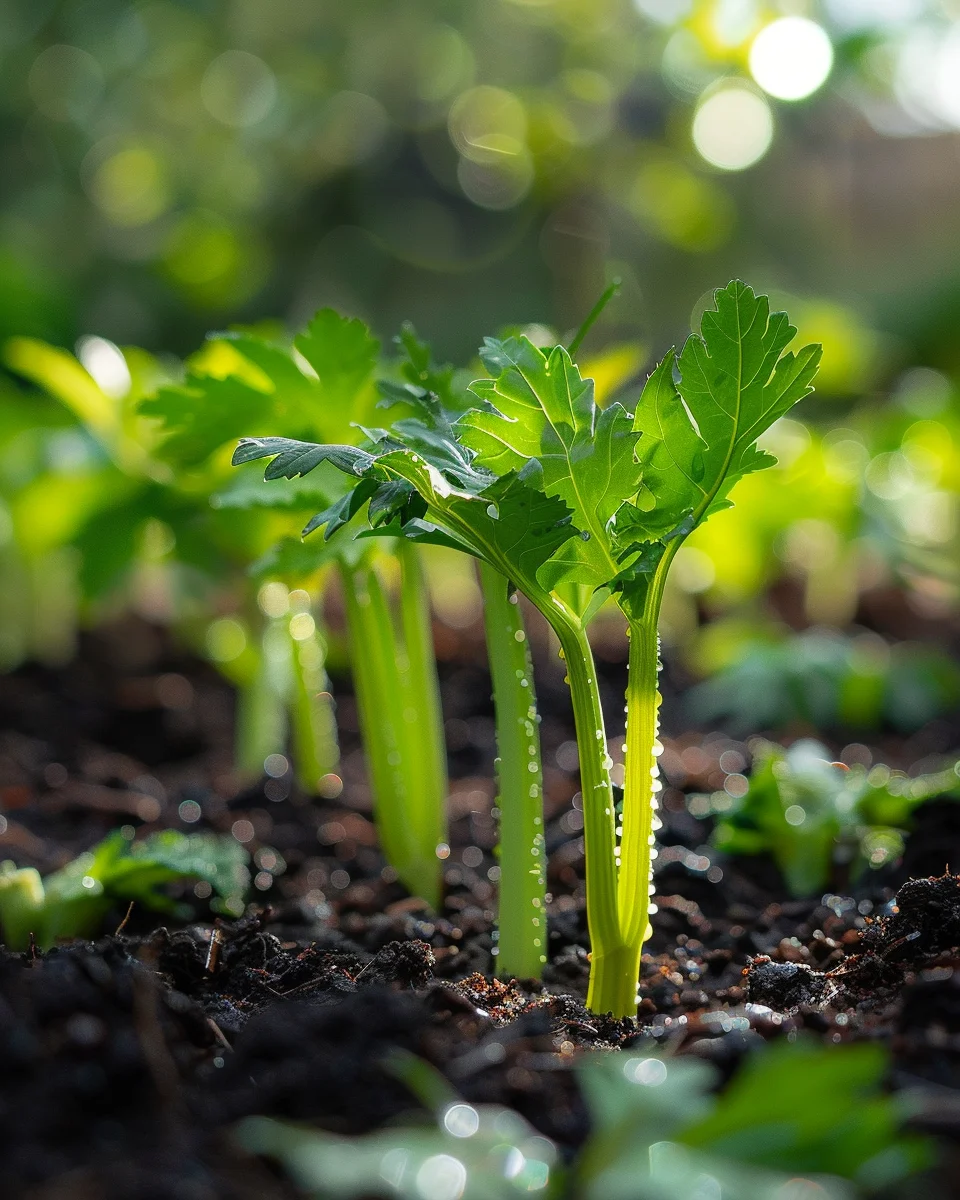
For cool temperate regions (US Zones 3-6, UK northern areas), begin the indoor regrowth process in February to March, with outdoor transplanting in April to May when temperatures consistently stay above 10°C (50°F). For warmer regions (US Zones 7-10, UK southern areas), you have two planting windows: start scraps in January to February for spring planting, or in July to August for fall planting. Mediterranean climates can support celery growth from September through April, avoiding the hottest summer months when celery struggles. Indoor regrowth can be started at any time, but plants will develop best when natural daylight hours align with celery’s preferred growing season.
Best how to grow celery from kitchen scraps varieties to grow
- Pascal Green – The most common supermarket variety, making it readily available for scrap regrowth with reliable results.
- Golden Self-Blanching – Easier to grow than green varieties with a milder flavor, ideal for beginners.
- Utah 52-70 – Produces thick, crisp stalks that regrow well from scraps and resist bolting in variable conditions.
- Tall Utah – Excellent for scrap regrowth with large, robust stalks that continue producing for extended harvests.
- Conquistador – Heat-tolerant variety that performs well when regrowing in warmer climates where other celery might struggle.
- Chinese Pink – Unique pink-tinged variety that regrows quickly and offers distinctive coloring and flavor.
- Redventure – Red-stemmed variety that regrows vigorously and adds visual interest to the garden and plate.
How to plant how to grow celery from kitchen scraps
Materials needed:
- Celery base (bottom 5-7 cm/2-3 inches of stalks with roots attached)
- Shallow dish or bowl
- Fresh water
- Potting soil or garden soil amended with compost
- Container (at least 20 cm/8 inches deep) or garden bed
- Organic fertilizer (optional)
Step-by-step planting:
- Cut the celery base about 5 cm (2 inches) from the bottom, keeping the root section intact.
- Place the celery base in a shallow dish with the cut side facing up and root end down.
- Add water to the dish until it reaches about halfway up the celery base (about 1 cm/½ inch).
- Position the dish in a sunny location and change the water every 1-2 days to prevent stagnation.
- After 5-7 days, you should see new leaves emerging from the center and small roots developing at the base.
- Once new growth reaches about 2.5 cm (1 inch) tall and roots are visible, prepare to transplant.
- Fill a container with well-draining potting mix or prepare a garden bed with rich, loamy soil.
- Plant the celery base so the developing leaves are just above soil level, with roots completely covered.
- Space multiple plants 20-25 cm (8-10 inches) apart if planting more than one.
- Water thoroughly after planting to settle the soil around the roots.
How to grow how to grow celery from kitchen scraps
Celery regrown from scraps requires consistent moisture and moderate sunlight to thrive. Position your plants where they’ll receive 6 hours of morning sun with afternoon shade in warmer regions, or full sun in cooler climates. Water deeply and regularly to maintain consistently moist (not soggy) soil—celery needs about 2.5 cm (1 inch) of water weekly. A moisture meter can help prevent the common mistake of underwatering.
Feed your regrowing celery with a balanced organic fertilizer (10-10-10) every 2-3 weeks, or use a slow-release fertilizer at planting time. Apply a 5 cm (2-inch) layer of mulch around plants to retain moisture and suppress weeds. Unlike conventionally grown celery, regrown plants don’t typically require thinning, but you can trim outer stalks as needed to encourage central growth.
For container growing, choose pots at least 30 cm (12 inches) in diameter and 20 cm (8 inches) deep with good drainage. Container-grown celery may need more frequent watering and feeding than garden-planted celery. In hot weather, move containers to shadier locations to prevent heat stress and bolting.
Caring for how to grow celery from kitchen scraps
Ongoing care for regrown celery includes maintaining consistent soil moisture and protecting plants from temperature extremes. Blanching (wrapping stalks with paper or cardboard 2-3 weeks before harvest) can produce paler, sweeter stalks, though it’s optional for home growers who may prefer the stronger flavor of green stalks.
Common pests include aphids, slugs, and celery leaf miners. Control aphids with a strong water spray or insecticidal soap; manage slugs with beer traps or diatomaceous earth; and remove and destroy leaves affected by leaf miners. Diseases to watch for include early blight (brown spots on leaves) and fusarium yellows (yellowing, stunted growth). Prevent these with good air circulation, avoiding overhead watering, and practicing crop rotation.
Harvest regrown celery stalks individually from the outside when they reach usable size, allowing the center to continue growing, or cut the entire plant about 2.5 cm (1 inch) above soil level for a complete harvest. Store harvested celery wrapped in aluminum foil in the refrigerator for up to two weeks, or chop and freeze for longer storage.
Understanding bolting in how to grow celery from kitchen scraps
Bolting is when celery prematurely produces a flowering stalk, making the stems tough and bitter. This natural process is triggered primarily by temperatures above 21°C (70°F) for extended periods. Other triggers include drought stress, sudden temperature fluctuations, and long daylight hours (photoperiod sensitivity). Regrown celery may be more prone to bolting than seed-grown plants due to the mature age of the original plant.
Prevent bolting by providing afternoon shade during hot periods, maintaining consistent soil moisture, and planting at the appropriate time for your climate. Adding a thick layer of mulch helps keep soil temperatures cooler. If your celery begins to bolt, harvest it immediately—younger flower stalks and leaves can still be used in soups and stocks. Some gardeners deliberately allow a few plants to bolt and set seed for saving, though regrown celery may not produce true-to-type seeds if the original was a hybrid variety.
Why does how to grow celery from kitchen scraps turn bitter?
- Heat stress – Temperatures consistently above 24°C (75°F) cause bitterness; provide shade or grow during cooler seasons.
- Inconsistent watering – Drought followed by heavy watering creates stress; maintain even soil moisture with regular watering and mulch.
- Lack of nutrients – Nitrogen deficiency contributes to bitter taste; apply balanced fertilizer every 2-3 weeks.
- Age of plant – Older stalks naturally develop stronger, sometimes bitter flavors; harvest regularly and don’t let plants get too mature.
- Early bolting – Once flowering begins, bitterness increases rapidly; harvest immediately if flower stalks appear.
Companion planting for how to grow celery from kitchen scraps
Strategic companion planting can improve your regrown celery’s health and flavor. Good companions include:
- Onions and leeks – Repel celery pests with their strong scent while taking up minimal space.
- Nasturtiums – Attract aphids away from celery and add bright colors to your garden.
- Beans and peas – Fix nitrogen in soil, benefiting nitrogen-hungry celery plants.
- Spinach and lettuce – Provide ground cover that helps retain soil moisture and suppresses weeds.
- Tomatoes – Their strong scent can deter some celery pests, though they need more space.
Avoid planting regrown celery near:
- Carrots – Compete for nutrients and can stunt each other’s growth.
- Parsley – Being in the same family, they attract similar pests and diseases.
- Corn – Creates too much shade and competes aggressively for nutrients.
Seasonal calendar
- January-February: Start indoor regrowth process in warm regions; maintain indoor plants in cold regions.
- March: Begin regrowth process for spring planting in cool regions; transplant early starters in warm regions.
- April: Transplant regrown celery outdoors in most temperate regions after last frost.
- May-June: Regular feeding and watering; monitor for pests as temperatures rise.
- July: Provide shade in hot regions; begin regrowth process for fall planting in warm areas.
- August: Continue harvesting spring-planted celery; transplant fall crop in warm regions.
- September: Begin harvesting fall crop in warm regions; protect spring crop from early frosts in cool regions.
- October-November: Final harvests in cool regions; continued growth and harvesting in warm areas.
- December: Indoor regrowth only in cool regions; continued outdoor growth in very mild climates.
Problems & solutions
| Problem | Quick Fix |
|---|---|
| No new growth after 10 days | Ensure water level is correct; try a fresh celery base; check for adequate light. |
| Leggy, pale growth | Increase light exposure; rotate container regularly if growing indoors. |
| Rotting base | Change water daily; ensure base isn’t fully submerged; transplant to soil sooner. |
| Wilting after transplant | Increase watering frequency; provide temporary shade; check for root damage. |
| Thin, weak stalks | Increase nitrogen fertilizer; ensure adequate spacing; check for pest damage. |
| Brown leaf edges | Increase humidity; protect from wind; check for consistent watering. |
| Slow growth | Check soil temperature; apply balanced fertilizer; ensure 6+ hours of sunlight. |
Common questions about growing how to grow celery from kitchen scraps
Q: How long does it take to grow celery from scraps?
A: You’ll see new growth within 5-10 days in water, and from transplanting to first harvest typically takes 30-45 days, with full maturity in 85-120 days.
Q: Can I regrow celery indoors year-round?
A: Yes, with adequate light (a sunny window or grow light providing 6+ hours daily) and consistent temperatures between 15-21°C (60-70°F).
Q: What size container works best for regrown celery?
A: Use containers at least 20 cm (8 inches) deep and 30 cm (12 inches) in diameter with good drainage; deeper is better for root development.
Q: How often should I water my regrown celery?
A: Keep soil consistently moist with watering every 1-2 days in hot weather or 2-3 days in moderate weather; never let the soil dry out completely.
Q: Can I harvest my regrown celery multiple times?
A: Yes, harvest outer stalks individually as needed while leaving the center intact, and the plant will continue producing new growth for several months.
Q: Will my regrown celery taste the same as store-bought?
A: Home-regrown celery typically has a stronger, more intense flavor and may have greener, slightly tougher stalks than commercial varieties.
Q: How can I tell when my regrown celery is ready to harvest?
A: Outer stalks are ready when they reach 15-20 cm (6-8 inches) in length and feel firm; the entire plant is mature when it’s 20-25 cm (8-10 inches) tall with multiple stalks.