
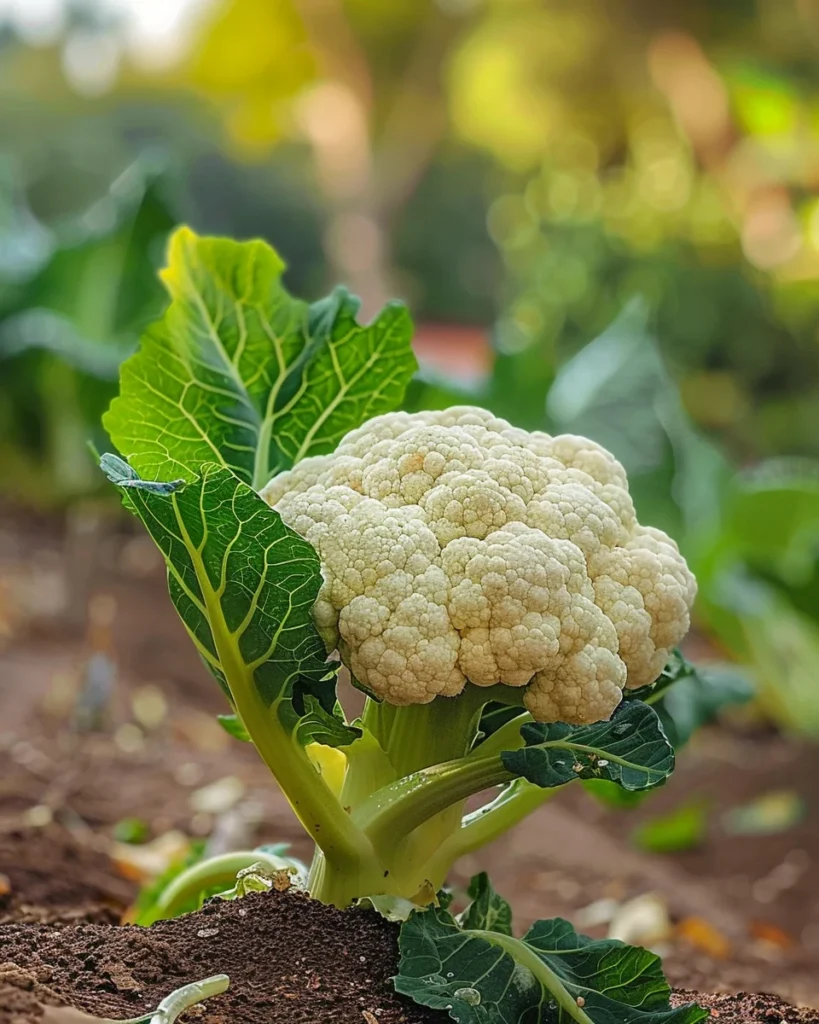
How to Grow Cauliflower in Heat: When to Plant, Best Heat-Tolerant Varieties & Care Tips
Intro for growing cauliflower in heat
Cauliflower is traditionally known as a cool-season crop, but with the right varieties and techniques, you can successfully grow this nutritious vegetable even in warmer conditions. Heat-tolerant cauliflower varieties have been developed specifically to withstand higher temperatures without bolting prematurely or developing bitter flavors. Growing cauliflower in heat extends your growing season and allows gardeners in warmer climates to enjoy this versatile brassica. With its impressive nutritional profile rich in vitamin C, fiber, and antioxidants, cauliflower is worth the extra effort. This guide will walk you through selecting heat-resistant varieties and implementing strategies to grow beautiful cauliflower heads even when temperatures rise.
When to plant cauliflower in heat
In warmer regions, timing is crucial for growing cauliflower in heat. Unlike traditional cool-season planting, heat-tolerant cauliflower should be planted either very early in spring to mature before intense summer heat arrives, or in late summer for a fall harvest when temperatures begin to moderate.
For spring planting in warm regions, aim for soil temperatures between 10-21°C (50-70°F). In hot climates (US Zones 8-10, Mediterranean regions), start seeds indoors 4-6 weeks before the last frost date, allowing plants to establish before temperatures climb too high.
For fall crops, which often produce the best results in warm climates, start seeds in mid-summer when temperatures are still high but will cool as plants mature. Cauliflower can tolerate light frosts once established, making fall an ideal growing season in hot regions.
Best time to plant cauliflower in heat
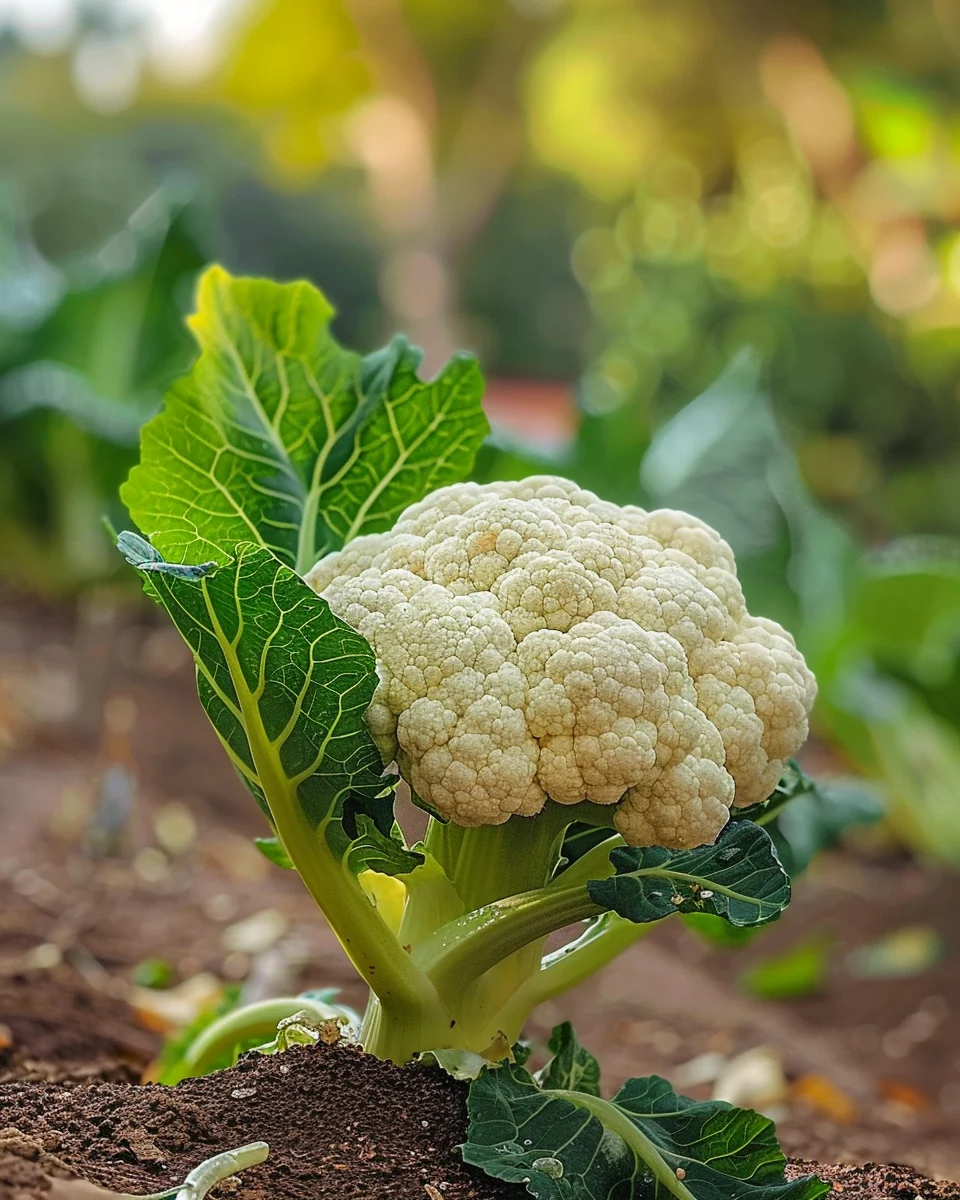
For warm climate regions (US Zones 7-10, Mediterranean, southern UK):
Spring crop: Start seeds indoors in January-February and transplant in March-April, allowing heads to form before summer heat intensifies.
Fall crop: Direct sow in July-August or start indoors in June-July and transplant in August-September for harvest in October-November.
For moderate climate regions (US Zones 5-6, central/northern UK):
Spring crop: Start seeds indoors in February-March and transplant in April-May.
Fall crop: Direct sow in June-July or start indoors in May-June and transplant in July-August.
When growing cauliflower in heat, the fall crop is generally more reliable as plants mature during cooling temperatures rather than warming ones.
Best cauliflower varieties to grow in heat
- Fremont F1 – Exceptional heat tolerance with consistent performance in warm conditions and resistance to bolting.
- Flame Star F1 – Orange-headed variety with better heat resistance than white types and sweet, nutty flavor.
- Cheddar F1 – Orange variety that maintains color and quality in heat with high beta-carotene content.
- Snowball Y – Classic white variety with moderate heat tolerance and compact growth habit suitable for containers.
- Violet Queen – Purple-headed variety with better heat resistance than most white types and striking visual appeal.
- Amazing – Self-blanching variety that performs well in fluctuating temperatures with good disease resistance.
- Candid Charm – Heat-tolerant hybrid that produces large, dense heads even under stress conditions.
- Fioretto – Stick-type cauliflower (also called flowering cauliflower) that’s more heat-tolerant than traditional varieties.
How to plant cauliflower in heat
Materials needed:
- Heat-tolerant cauliflower seeds or transplants
- Quality compost or well-aged manure
- Balanced organic fertilizer (5-10-10)
- Light-colored mulch (straw or white plastic)
- Row covers or shade cloth (30-40% shade)
- Watering can or irrigation system
- pH testing kit (aim for 6.0-7.0)
Step-by-step planting:
- Select a garden location that receives morning sun but has afternoon shade in hot climates.
- Prepare soil by incorporating 5-8 cm (2-3 inches) of compost to improve moisture retention and fertility.
- Test and adjust soil pH to 6.0-7.0, which is ideal for cauliflower growth and nutrient uptake.
- For transplants, dig holes 30-45 cm (12-18 inches) apart in rows spaced 60-75 cm (24-30 inches) apart.
- Plant seedlings slightly deeper than they were in their containers to encourage strong root development.
- Water thoroughly after planting, ensuring the soil is moist to a depth of 15 cm (6 inches).
- Apply a light-colored mulch around plants to keep soil cooler and retain moisture.
- Install shade cloth or row covers to protect young plants from intense afternoon sun.
- Water again the following day to help plants overcome transplant shock.
- For direct sowing, plant seeds 1 cm (½ inch) deep, thinning to final spacing once seedlings establish.
How to grow cauliflower in heat
Sunlight management: In hot regions, cauliflower benefits from 4-6 hours of morning sun followed by filtered light or partial shade during the hottest part of the day. Consider using 30-40% shade cloth during peak summer heat.
Watering schedule: Consistent moisture is critical when growing cauliflower in heat. Water deeply 2-3 times per week, providing 2.5-5 cm (1-2 inches) of water weekly. Never let the soil dry out completely, as drought stress triggers bolting. Morning watering is best to reduce evaporation and fungal issues.
Fertilizing: Apply a balanced fertilizer (5-10-10) at planting time. Side-dress with nitrogen-rich fertilizer when plants are 15 cm (6 inches) tall and again when they begin forming heads. In hot weather, lighter, more frequent applications are better than heavy doses.
Mulching: Apply 5-8 cm (2-3 inches) of light-colored organic mulch or use white plastic mulch to reflect heat, keep soil cool, and maintain consistent moisture levels.
Container growing: Choose containers at least 30 cm (12 inches) deep and 30-40 cm (12-16 inches) in diameter per plant. Use light-colored containers to prevent soil overheating. Move containers to shadier locations during heat waves. Water more frequently, potentially twice daily during extreme heat.
Caring for cauliflower in heat
Ongoing tasks: Check soil moisture daily during hot periods. Blanch white cauliflower varieties by folding leaves over the developing head when it reaches 5-8 cm (2-3 inches) in diameter. Colored varieties don’t require blanching. Remove yellowing lower leaves to improve air circulation.
Common pests and diseases:
- Aphids: Tiny insects that cluster on leaves and stems. Control with strong water spray or insecticidal soap.
- Cabbage worms: Green caterpillars that chew holes in leaves. Treat with Bacillus thuringiensis (Bt).
- Downy mildew: Yellow patches on leaf surfaces with gray fuzz underneath. Improve air circulation and apply organic fungicide.
- Black rot: V-shaped yellow lesions on leaf edges. Remove infected plants and rotate crops.
Harvest timing: Harvest when heads are firm, compact, and reach desired size (15-20 cm/6-8 inches diameter). Don’t delay harvest in hot weather as heads can quickly become loose and bitter. Cut heads with a sharp knife, leaving a few outer leaves attached for protection.
Storage: Refrigerate unwashed heads in a perforated plastic bag for up to 2 weeks. For longer storage, blanch and freeze florets.
Understanding bolting in cauliflower
Bolting is when cauliflower prematurely produces a flower stalk instead of forming a proper head. This natural survival mechanism is triggered when the plant senses threatening conditions and rushes to produce seeds.
Primary bolting triggers for cauliflower:
- Sustained temperatures above 26°C (80°F)
- Dramatic temperature fluctuations (day/night)
- Drought stress or inconsistent watering
- Root disturbance or transplant shock
- Extended day length (photoperiod sensitivity)
Prevention tactics:
- Choose bolt-resistant, heat-tolerant varieties
- Maintain consistent soil moisture
- Use shade cloth during heat waves
- Plant at optimal times for your region
- Apply mulch to moderate soil temperature
- Avoid root disturbance once plants are established
If bolting begins, harvest immediately even if heads are small. Young bolted cauliflower is still edible but becomes increasingly bitter as flowering progresses.
Why does cauliflower turn bitter?
- Heat stress: Temperatures above 26°C (80°F) trigger defensive compounds that create bitterness. Solution: Choose heat-tolerant varieties and provide afternoon shade.
- Beginning to bolt: Early stages of bolting increase bitter compounds. Solution: Harvest immediately if you notice the central head loosening or elongating.
- Drought stress: Inconsistent watering causes stress-induced bitterness. Solution: Maintain even soil moisture with regular watering and mulch.
- Excessive nitrogen: Too much nitrogen fertilizer can create bitter flavor. Solution: Use balanced fertilizers and avoid excess applications.
- Overmaturity: Leaving cauliflower in the garden too long, especially in heat. Solution: Harvest when heads are firm but before they begin to separate.
Companion planting for cauliflower in heat
Good companions:
- Aromatic herbs (dill, mint, rosemary) – Repel cabbage moths and other pests with their strong scents.
- Celery – Provides natural shade and helps create a cooler microclimate for cauliflower.
- Onions and garlic – Deter pests with strong odors and don’t compete for nutrients.
- Nasturtiums – Act as trap crops for aphids and provide ground cover that helps keep soil cool.
- Lettuce – Grows quickly as a living mulch, shading soil and reducing moisture loss.
- Marigolds – Repel nematodes and other soil pests while providing shade when planted nearby.
Plants to avoid:
- Strawberries – Compete for nutrients and can harbor pests that affect cauliflower.
- Tomatoes – Can spread diseases to cauliflower and compete for resources.
- Other brassicas – Share pests and diseases, increasing pressure on all plants.
Seasonal calendar
For warm regions (US Zones 8-10, Mediterranean):
- January-February: Start spring crop seeds indoors
- March-April: Transplant seedlings outdoors with protection
- May-June: Harvest spring crop before intense heat
- June-July: Start fall crop seeds indoors
- August-September: Transplant fall seedlings
- October-December: Harvest fall/winter crop
For moderate regions (US Zones 5-7, UK):
- February-March: Start spring crop seeds indoors
- April-May: Transplant seedlings outdoors
- June-July: Harvest spring crop; start fall crop seeds
- July-August: Transplant fall seedlings
- September-November: Harvest fall crop
Problems & solutions
| Problem | Quick Fix |
|---|---|
| Small or loose heads | Ensure consistent watering and apply shade during heat waves; side-dress with balanced fertilizer |
| Leaves curling or wilting | Water immediately and deeply; apply mulch and provide temporary shade |
| Brown spots on heads | Improve air circulation; avoid overhead watering; apply organic fungicide if needed |
| Yellowing lower leaves | Normal if just lower leaves; if widespread, check for nitrogen deficiency and side-dress |
| Heads turning purple/pink | Caused by sun exposure; blanch heads by folding leaves over them or use clothespins to secure |
| Plants falling over | Mound soil around base of plants; check for root maggots and treat soil if present |
| Stunted growth | Check soil pH; add balanced fertilizer; ensure adequate water and protection from extreme heat |
Common questions about growing cauliflower in heat
How often should I water cauliflower during hot weather?
During hot weather, cauliflower needs consistent moisture. Water deeply 2-3 times per week, providing 2.5-5 cm (1-2 inches) of water weekly. In extreme heat (above 32°C/90°F), you may need to water daily, preferably in the morning. Use mulch to retain moisture and keep soil temperatures cooler.
Can I grow cauliflower in full sun in hot climates?
In hot climates, cauliflower benefits from morning sun with afternoon shade. Provide 4-6 hours of direct morning sunlight, then protect plants from intense afternoon heat with shade cloth (30-40% shade) or by planting on the east side of taller crops. Full sun exposure in temperatures above 26°C (80°F) can trigger bolting and bitter flavors.
What size container works for growing cauliflower?
Use containers at least 30 cm (12 inches) deep and 30-40 cm (12-16 inches) in diameter per plant. Light-colored containers help keep soil cooler. Ensure excellent drainage and use a moisture-retentive potting mix. Container-grown cauliflower requires more frequent watering and feeding than garden-grown plants.
How far apart should I space cauliflower plants in hot weather?
In hot weather, space cauliflower plants 45-60 cm (18-24 inches) apart in rows 60-75 cm (24-30 inches) apart. This wider spacing (compared to cool-weather growing) improves air circulation, reduces competition for water, and helps prevent heat buildup around plants.
How can I prevent my cauliflower from bolting in heat?
Prevent bolting by selecting heat-tolerant varieties, maintaining consistent soil moisture, applying light-colored mulch, using shade cloth during heat waves, and planting at optimal times for your region (typically for fall harvest in hot climates). Avoid root disturbance and minimize transplant shock by hardening off seedlings properly.
When is cauliflower ready to harvest in hot weather?
In hot weather, harvest cauliflower when heads are firm and compact, typically 15-20 cm (6-8 inches) in diameter, but before they begin to separate or “rice.” Don’t delay harvest during heat waves, as quality deteriorates quickly. Heat-grown cauliflower often produces smaller but still delicious heads compared to cool-season crops.
Can I save seeds from heat-tolerant cauliflower?
Yes, but most heat-tolerant varieties are F1 hybrids, meaning saved seeds won’t produce plants identical to the parent. If you’re growing open-pollinated varieties, allow selected plants to bolt completely and form seed pods. Collect seeds when pods turn brown and dry. Ensure isolation from other brassica crops by at least 800 meters (half-mile) to prevent cross-pollination.