
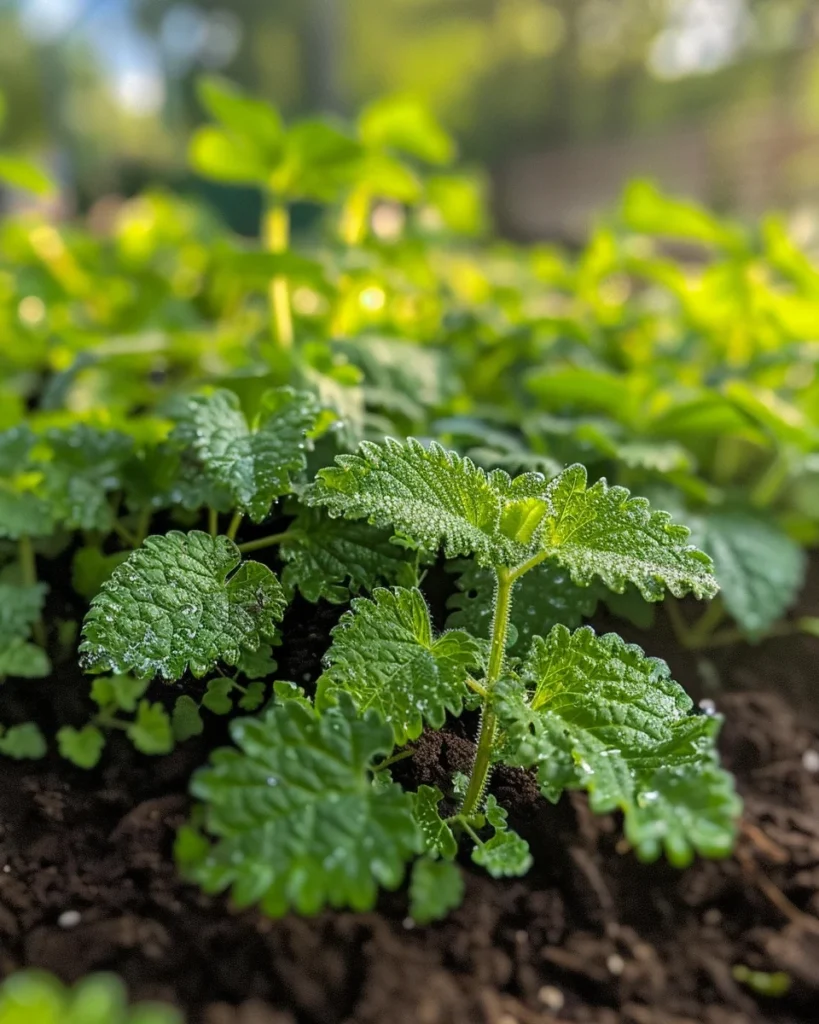
How to Grow Catnip for Indoor Cats: When to Plant, Best Varieties & Care Guide
Intro for growing catnip for indoor cats
Catnip (Nepeta cataria) is a perennial herb in the mint family that contains nepetalactone, a compound that triggers euphoric responses in approximately 70-80% of cats. Growing your own replica watches UK catnip indoors ensures your feline companions have access to fresh, chemical-free treats year-round. This hardy herb thrives in a variety of conditions, making it perfect for indoor cultivation in containers or dedicated herb gardens. With minimal care requirements and quick growth habits, catnip is an ideal plant for beginner gardeners. Beyond entertaining your cats, catnip produces pleasant-smelling foliage and delicate lavender flowers that can enhance your indoor space.
When to plant catnip for indoor cats
Catnip can be planted indoors at any time of year, which is one of its advantages as an indoor crop. However, for optimal germination, seeds prefer soil temperatures between 18-24°C (65-75°F). If starting from seed outdoors for later transplanting indoors, wait until after the last frost in spring when soil has warmed. In most replica Rolex temperate regions, catnip is frost-hardy once established (surviving down to -20°C/-4°F as a perennial), but young seedlings need protection from cold temperatures below 10°C (50°F).
Best time to plant catnip for indoor cats
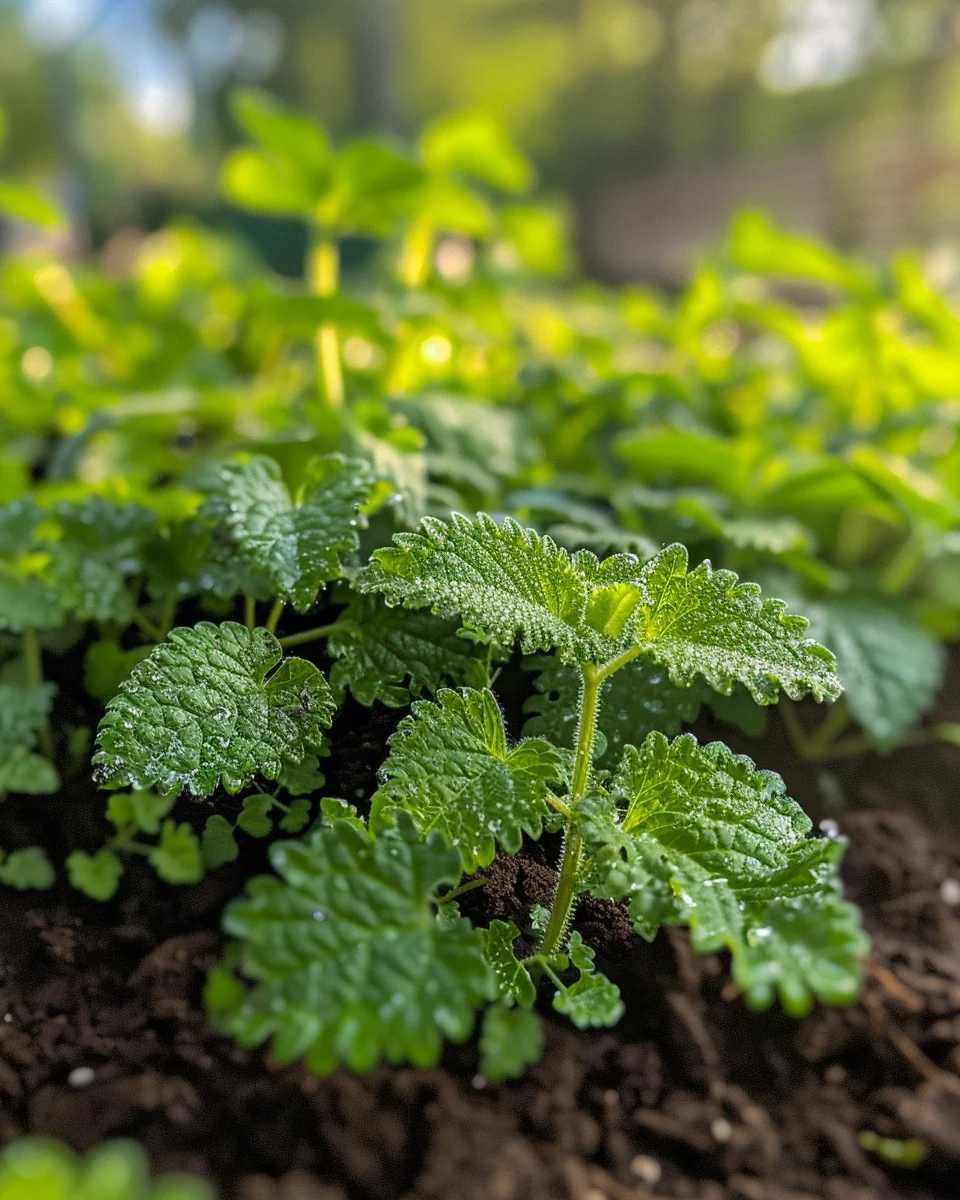
For indoor growing, the ideal planting window is early spring (March-April) or early autumn (September-October) when natural light levels are moderate but increasing. In cool climate regions, start seeds indoors 6-8 weeks before the last expected frost if you plan to move plants outdoors temporarily during summer. In warm replica Breitling watches climate regions, you can start catnip indoors any time, but avoid midsummer starts when excessive heat might stress young plants near windows. For year-round indoor cultivation, stagger plantings every 2-3 months to ensure continuous fresh growth.
Best catnip varieties to grow
- Common Catnip (Nepeta cataria) – The standard variety with the highest concentration of nepetalactone, making it most attractive to cats.
- Lemon Catnip (Nepeta cataria ‘Citriodora’) – Features a pleasant citrus scent that many humans prefer while maintaining appeal to cats.
- Greek Catnip (Nepeta parnassica) – More compact growth habit, ideal for smaller containers and windowsills.
- Persian Catmint (Nepeta mussinii) – Produces beautiful blue-purple flowers and has a more ornamental appearance for dual-purpose growing.
- Camphor Catnip (Nepeta camphorata) – Features distinctive camphor-scented foliage that some cats find particularly stimulating.
- Dwarf Catnip (Nepeta faassenii) – Compact variety reaching only 30-40cm (12-16in), perfect for small indoor spaces.
- ‘Cat’s Meow’ – A newer cultivar bred specifically for container growing with neat, mounded habit and resistance to flopping.
How to plant catnip for indoor cats
Materials needed:
- Catnip seeds or young plants
- Container(s) at least 20cm (8in) deep with drainage holes
- Well-draining potting mix
- Small pebbles or broken pottery for drainage layer
- Watering can with gentle spray
- Plant labels
- Cat deterrent (temporary cover) for seedling protection
Step-by-step planting:
- Select a container at least 20cm (8in) deep and 15cm (6in) wide with drainage holes.
- Place a layer of small pebbles or broken pottery at the bottom to improve drainage.
- Fill the container with well-draining potting mix to about 2.5cm (1in) below the rim.
- For seeds: Scatter seeds lightly on the soil surface and cover with a thin 3mm (1/8in) layer of soil. For transplants: Dig a hole slightly larger than the root ball and place the plant at the same depth it was previously growing.
- Water gently but thoroughly until moisture appears from drainage holes.
- Place in a warm location with bright, indirect light for germination (seeds typically sprout in 7-10 days).
- Once seedlings emerge, move to a sunny windowsill that receives at least 6 hours of sunlight daily.
- Protect young plants from curious cats with a temporary cage or cover until established.
- Thin seedlings to 30cm (12in) apart if multiple plants emerge in one container.
How to grow catnip for indoor cats
Catnip thrives in bright conditions, requiring at least 6 hours of direct sunlight daily. A south or west-facing window is ideal, though supplemental grow lights can be used during winter months. Water when the top 2.5cm (1in) of soil feels dry, typically every 5-7 days, but avoid overwatering which can lead to root rot. Allow the soil to dry slightly between waterings. Fertilize monthly with a half-strength balanced liquid fertilizer during the growing season (spring through fall).
Apply a thin layer of mulch (small pebbles or coconut coir work well for indoor plants) to help retain moisture and prevent soil from being disturbed by cats. Pinch back growing tips regularly to encourage bushier growth and prevent legginess. For container growing, choose pots at least 20cm (8in) deep with excellent drainage, and consider placing the container inside a larger, heavier pot to prevent tipping by enthusiastic cats. Rotate containers weekly to ensure even growth and prevent plants from leaning toward the light source.
Caring for catnip for indoor cats
Harvest catnip leaves regularly once plants reach 20cm (8in) tall, taking no more than one-third of the plant at once. This encourages new growth and prevents woody stems. Watch for aphids and spider mites, which are the most common pests on indoor catnip. If spotted, spray leaves with a gentle solution of water and mild soap (1 teaspoon to 1 liter/quart of water) or wipe leaves with a damp cloth. Powdery mildew may develop in humid conditions with poor air circulation; improve ventilation and avoid wetting the leaves when watering.
Trim flowering stems unless you’re saving seeds, as flowering can reduce leaf production and flavor. Harvest in the morning when essential oil concentration is highest by cutting stems 5-10cm (2-4in) above soil level. For storage, dry bundles of catnip upside down in a dark, well-ventilated area, then store in airtight containers away from light. Alternatively, freeze fresh leaves in ice cube trays with water for longer preservation of the active compounds.
Understanding bolting in catnip for indoor cats
Bolting refers to the plant’s rapid production of flower stalks and seeds, typically triggered by stress conditions. For catnip, the primary triggers include high temperatures above 27°C (80°F), long daylight periods (over 14 hours), root constriction in small containers, and irregular watering. When catnip bolts, it diverts energy from leaf production to flowering, resulting in fewer leaves and reduced potency of the nepetalactone compound that attracts cats.
To prevent bolting, maintain moderate temperatures by keeping plants away from heat sources, provide some afternoon shade during summer months, ensure adequate pot size for root development, and maintain consistent watering. If bolting occurs, promptly pinch off flower stalks to redirect energy back to leaf production. Consider taking cuttings from the plant before it bolts to start fresh plants, as older catnip plants naturally become more prone to bolting after 1-2 years of growth.
Why does catnip turn bitter?
- Age of plant: Older leaves, especially after flowering, contain more tannins and can taste bitter – harvest younger leaves regularly.
- Heat stress: Temperatures consistently above 27°C (80°F) trigger chemical changes – move to a cooler location or provide afternoon shade.
- Nutrient imbalance: Excessive nitrogen fertilizer promotes bitter compounds – reduce fertilizer strength or frequency.
- Water stress: Both drought and overwatering can trigger defensive bitter compounds – maintain consistent moisture.
- Light intensity: Insufficient light leads to weak, bitter growth – ensure at least 6 hours of bright light daily.
Companion planting for catnip for indoor cats
When growing multiple indoor herbs, strategic companion planting can maximize space and plant health. Good companions for catnip include:
- Rosemary – Repels many of the same insects as catnip and has similar watering requirements.
- Thyme – Low-growing habit complements taller catnip and both prefer similar well-draining soil.
- Marigolds – Help repel aphids and spider mites that might attack catnip.
- Lavender – Shares similar growing requirements and the combination of scents can be pleasant.
- Lemon balm – Another member of the mint family that grows well under similar conditions.
Avoid planting catnip near:
- Other mint varieties – They may compete aggressively and can cross-pollinate, potentially reducing the potency of catnip.
- Plants requiring high humidity – Catnip prefers drier conditions than tropical houseplants.
Seasonal calendar
- January-February: Start seeds indoors under grow lights; maintain existing plants with reduced watering and no fertilizer.
- March-April: Ideal time to start new seeds or take cuttings; increase watering as growth accelerates; begin monthly fertilizing.
- May-June: Peak growth period; harvest regularly; watch for pests as temperatures rise; provide afternoon shade if needed.
- July-August: Monitor closely for heat stress and bolting; increase watering frequency; take cuttings for fall replacement plants.
- September-October: Good time to start new plants; reduce fertilizing; bring outdoor plants inside before first frost.
- November-December: Reduce watering frequency; provide supplemental lighting if daylight hours are limited; harvest sparingly.
Problems & solutions
| Problem | Quick Fix |
|---|---|
| Leggy, sparse growth | Increase light exposure; pinch tips regularly to encourage bushiness |
| Yellowing leaves | Check for overwatering; ensure proper drainage; reduce fertilizer |
| Cats damaging young plants | Place temporary protective cage around plants until established; grow multiple plants to distribute cat attention |
| White powdery spots on leaves | Improve air circulation; spray with diluted neem oil solution; remove affected leaves |
| Tiny insects on undersides of leaves | Wipe with damp cloth or spray with insecticidal soap; introduce beneficial insects if possible |
| Plant flowering too quickly | Pinch off flower buds; move to slightly cooler location; check for root binding |
| Cats show no interest | Try different variety; crush leaves slightly to release oils; ensure plant is mature (8+ weeks) |
Common questions about growing catnip for indoor cats
How often should I water indoor catnip?
Water when the top 2.5cm (1in) of soil feels dry to the touch, typically every 5-7 days depending on humidity and temperature. Reduce frequency in winter to every 7-10 days.
How much sunlight does catnip need indoors?
Catnip requires at least 6 hours of direct sunlight daily. A south or west-facing window is ideal, though supplemental grow lights can be used during winter months or in low-light environments.
What size container is best for indoor catnip?
Use containers at least 20cm (8in) deep and 15cm (6in) wide with drainage holes. Larger containers (30cm/12in) will support fuller plants and require less frequent watering.
How far apart should I space multiple catnip plants?
Space plants 30-45cm (12-18in) apart to allow for proper air circulation and growth. In containers, limit to one mature plant per 20cm (8in) pot.
Can catnip survive in air conditioning?
Yes, catnip tolerates air conditioning well, but avoid placing directly in the path of cold air vents which can cause stress. Ideal temperature range is 18-24°C (65-75°F).
How often can I harvest catnip without harming the plant?
Harvest up to one-third of the plant every 2-3 weeks during active growing season. Allow plants to recover between harvests, and harvest more sparingly during winter months.
Is catnip safe for all cats?
Catnip is non-toxic and safe for cats, though approximately 20-30% of cats lack the genetic sensitivity to respond to it. Kittens under 6 months typically show no response, and some cats may become overstimulated, so monitor your pet’s reaction.