
How to Grow Carrots in Containers: When to Plant, Best Varieties & Care Guide
Intro for growing carrots in containers
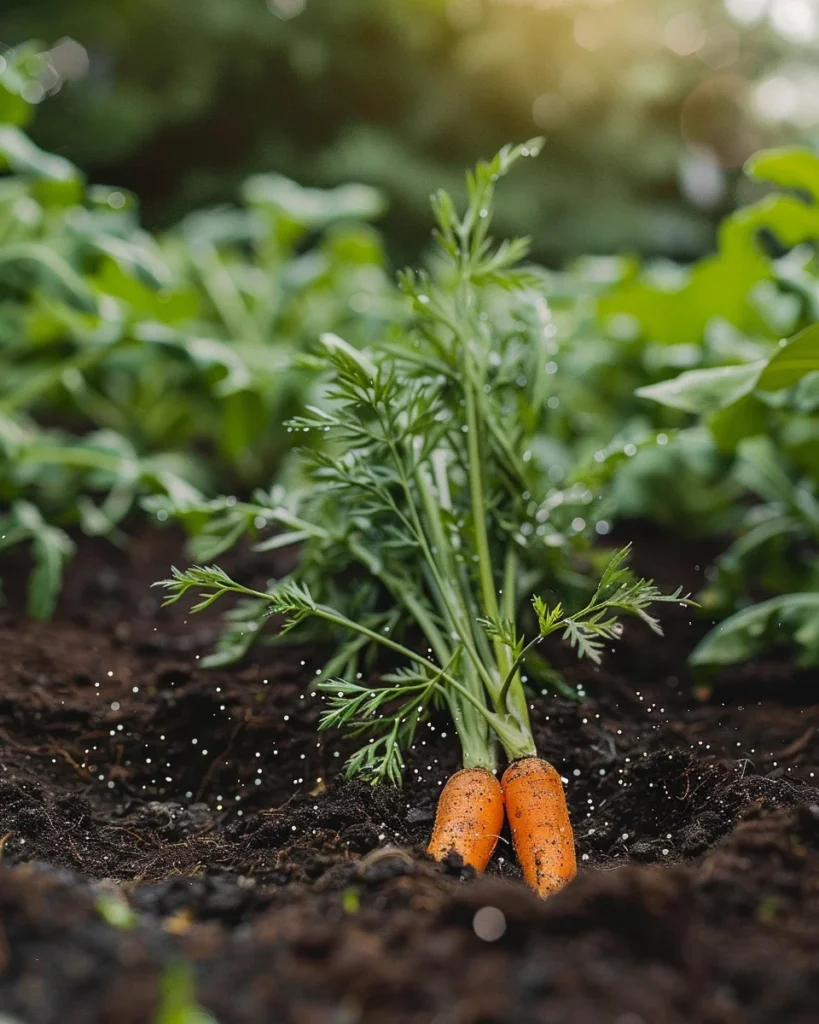
Growing carrots in containers is a rewarding way to enjoy fresh, homegrown vegetables even with limited garden space. These root vegetables thrive in deep pots where they can develop their characteristic tapered shape without obstruction. Container-grown carrots offer several advantages: they’re protected from soil-borne pests, you can control soil quality precisely, and they can be positioned for optimal sunlight. Carrots grow best in loose, well-draining soil and moderate temperatures, making them suitable for most temperate climates. With proper care, container carrots can provide delicious harvests year-round in many regions, and their compact growth habit makes them perfect for balconies, patios, and small garden spaces.
When to plant carrots in containers
Carrots are cool-season crops that perform best when soil temperatures range between 10-24°C (50-75°F). In general temperate regions, you can plant carrots in early spring as soon as soil can be worked, typically 2-3 weeks before the last frost date. A second planting can be done in late summer for a fall/winter harvest. Carrots can tolerate light frosts once established, which often improves their sweetness, but seedlings are vulnerable to hard freezes. In warmer climates, focus on growing carrots during the cooler months of fall, winter, and early spring to avoid summer heat that can cause bitter flavors and bolting.
Best time to plant carrots in containers
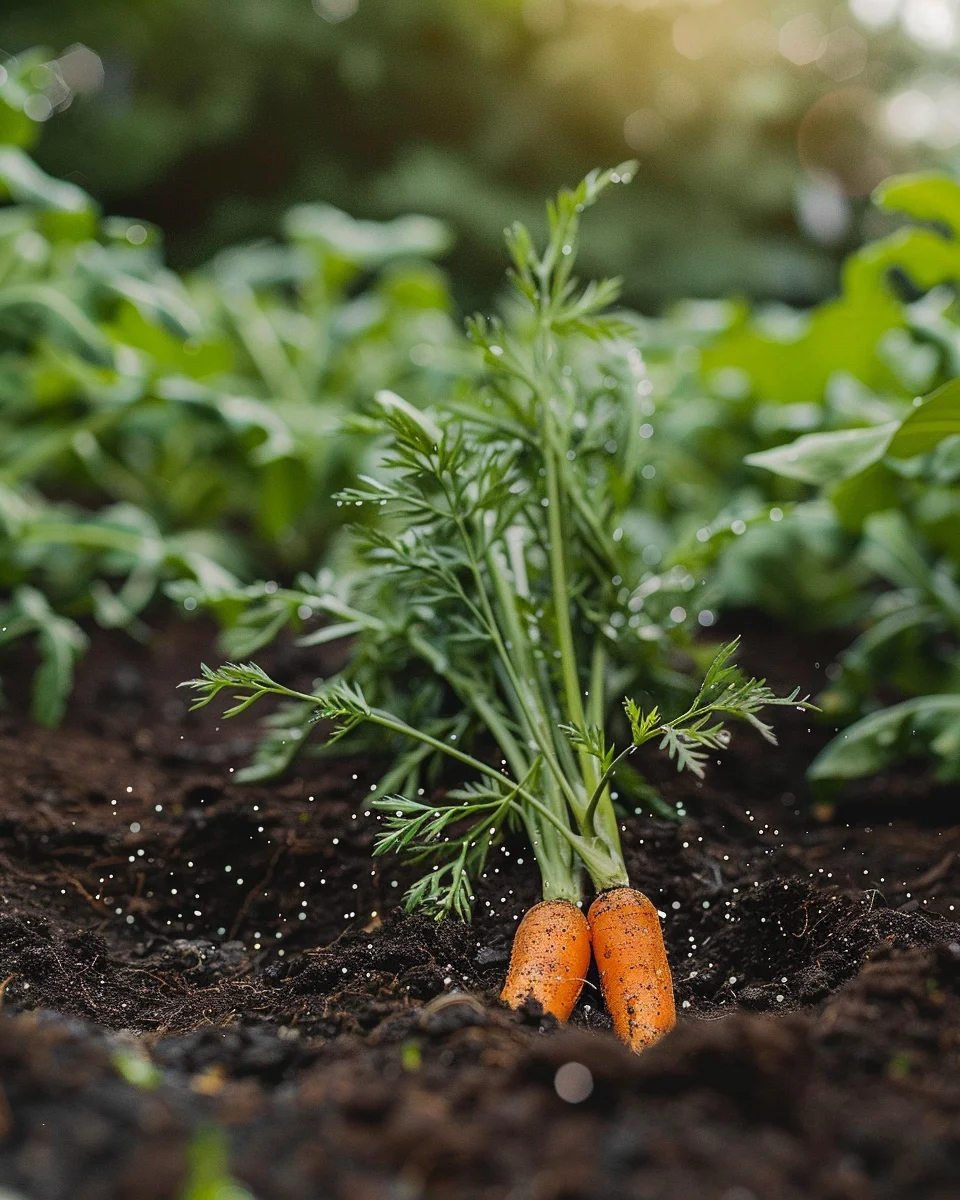
For cool-temperate regions (UK, Northern US, Canada), plant carrots from March to July for successive harvests. In warm-temperate areas (US Zones 7-9), plant from February to April for spring crops and August to September for fall crops. In Mediterranean or subtropical climates, the ideal planting window shifts to September through February, avoiding the intense summer heat. Carrots are direct-sown only; they don’t transplant well due to their delicate taproot. For year-round harvests in mild climates, stagger plantings every 3-4 weeks during appropriate seasons.
Best carrot varieties to grow in containers
- Chantenay – Short, stubby carrots (15cm/6in) perfect for shallow containers with excellent sweet flavor.
- Paris Market – Round, radish-shaped variety (3-5cm/1-2in) ideal for very shallow containers or heavy soils.
- Nantes – Cylindrical, blunt-tipped carrots with exceptional sweetness and minimal core, growing to 15-20cm (6-8in).
- Little Finger – Slender, 10cm (4in) baby carrots that mature quickly and are perfect for small pots.
- Danvers Half Long – Conical 15-20cm (6-8in) carrots with strong tops, good for deeper containers and heat tolerance.
- Thumbelina – Award-winning round carrots only 3-5cm (1-2in) in diameter, perfect for shallow containers.
- Scarlet Nantes – Bolt-resistant variety with bright orange, sweet roots that grow to about 15cm (6in).
How to plant carrots in containers
Materials needed:
- Container at least 30cm (12in) deep with drainage holes
- Lightweight potting mix or soil-less growing medium
- Sand or vermiculite for improved drainage
- Carrot seeds
- Slow-release organic fertilizer
- Watering can with fine rose attachment
Step-by-step planting:
- Select a container that’s at least 30cm (12in) deep for standard varieties, or 15-20cm (6-8in) for shorter varieties.
- Ensure your container has adequate drainage holes at the bottom.
- Mix potting soil with about 20% sand or vermiculite to create a loose, well-draining medium.
- Fill the container to about 2.5cm (1in) below the rim and lightly firm the surface.
- Sow seeds thinly in rows about 5-7cm (2-3in) apart, or scatter across the surface for a denser planting.
- Cover seeds with just 6mm (¼in) of fine soil or vermiculite.
- Water gently using a fine spray to avoid displacing the tiny seeds.
- Place the container in a location that receives at least 6 hours of sunlight daily.
- Keep the soil consistently moist until germination occurs (typically 7-14 days).
How to grow carrots in containers
Carrots need at least 6 hours of direct sunlight daily, though in very hot climates, afternoon shade can be beneficial. Water consistently to maintain even moisture—about 2.5cm (1in) per week—but avoid waterlogging which causes root rot. Use a watering can with a fine rose to prevent soil compaction. Fertilize sparingly; too much nitrogen produces lush tops but forked roots. Apply a balanced liquid fertilizer diluted to half-strength once a month, or use a slow-release fertilizer at planting time.
Thin seedlings when they reach 2.5cm (1in) tall, leaving 2.5-5cm (1-2in) between plants depending on variety. Mulch lightly with compost or fine bark to retain moisture and suppress weeds. For container growing, choose pots with sufficient depth for your variety—deeper containers allow for longer varieties and better root development. Move containers to shadier spots during heatwaves to prevent soil from overheating, which can cause bitterness.
Caring for carrots in containers
Check soil moisture regularly, as containers dry out faster than garden beds. Water when the top 2.5cm (1in) of soil feels dry. Watch for common pests like carrot flies—cover containers with fine mesh if these are problematic in your area. Aphids can be controlled with a strong water spray or insecticidal soap. For fungal issues like leaf blight, improve air circulation and avoid overhead watering.
Harvest carrots when they reach the desired size, typically when the shoulders are 1.8-2.5cm (¾-1in) in diameter. To harvest, gently loosen the soil around the carrot and pull from the base of the tops. For storage, remove tops, brush off soil (don’t wash until ready to use), and store in the refrigerator in perforated plastic bags for 2-4 weeks. In containers, successive planting every 2-3 weeks ensures continuous harvests.
Understanding bolting in carrots
Bolting is when carrots prematurely produce flowering stems, making the roots tough and bitter. This is triggered primarily by temperature fluctuations, especially prolonged heat above 24°C (75°F). Other triggers include long daylight hours in summer and stress from inconsistent watering or root disturbance. To prevent bolting, plant heat-resistant varieties for warm-season growing, provide afternoon shade during hot periods, and maintain consistent soil moisture.
If carrots begin to bolt, harvest them immediately—even small roots can be used in cooking. The flowering stems can be left for ornamental value and to attract beneficial insects, or to collect seeds if you’re growing open-pollinated varieties. In container growing, you can move pots to cooler locations during heat waves, giving you an advantage over in-ground plantings.
Why does carrots turn bitter?
- Heat stress – Temperatures consistently above 24°C (75°F) trigger protective compounds that cause bitterness; move containers to cooler spots during heat waves.
- Water stress – Inconsistent watering causes carrots to develop defensive compounds; maintain even soil moisture with regular watering.
- Overcrowding – Failure to thin seedlings leads to competition and stress; ensure proper spacing of 2.5-5cm (1-2in) between plants.
- Old age – Carrots left too long in the ground become woody and bitter; harvest at appropriate size for your variety.
- Excessive nitrogen – Too much nitrogen fertilizer produces lush tops but bitter roots; use balanced fertilizers sparingly.
Companion planting for carrots in containers
Good companions:
- Onions and garlic – Repel carrot flies with their strong scent while utilizing different soil depths.
- Rosemary and sage – Aromatic herbs that deter carrot flies and other pests.
- Lettuce – Shallow-rooted crop that utilizes upper soil while carrots grow deeper, maximizing container space.
- Radishes – Quick-growing markers for slow-germinating carrots; harvest before carrots need the space.
- Chives – Improve carrot flavor and help repel aphids and other pests.
Avoid planting near:
- Dill – Releases compounds that can inhibit carrot growth and may attract pests that damage carrots.
- Parsnips – Closely related to carrots and compete for the same nutrients and space, while potentially sharing diseases.
- Coriander/Cilantro – Can cross-pollinate with carrots if allowed to flower, affecting seed purity for seed-saving.
Seasonal calendar
- January-February: Plan varieties; prepare containers in mild climates; sow in very warm regions.
- March-April: Sow first crop in most temperate regions; prepare soil in cooler areas.
- May-June: Continue succession sowing in cool regions; provide shade in warm areas; thin seedlings.
- July: Last sowings for cool regions; avoid sowing in hot climates; harvest spring plantings.
- August: Begin fall crop sowings in warm regions; continue harvesting summer crops.
- September-October: Sow fall/winter crops in mild climates; harvest summer plantings; protect from early frosts.
- November-December: Harvest fall crops; protect containers from freezing in cold regions; plan for next season.
Problems & solutions
| Problem | Quick Fix |
|---|---|
| Forked or deformed roots | Use looser soil mix with more sand; avoid fresh manure; ensure container is deep enough. |
| Poor germination | Keep soil consistently moist; sow fresh seeds; maintain soil temperature between 10-24°C (50-75°F). |
| Carrot fly damage | Cover containers with fine mesh; grow resistant varieties; position containers at least 60cm (24in) above ground. |
| Stunted growth | Check for compacted soil; ensure adequate container depth; apply diluted liquid seaweed fertilizer. |
| Green shoulders | Cover exposed shoulders with additional soil or mulch; harvest promptly when ready. |
| Cracked roots | Maintain consistent moisture, especially during dry periods; harvest promptly when mature. |
| Leaf spot diseases | Improve air circulation; avoid overhead watering; remove affected foliage; rotate container soil yearly. |
Common questions about growing carrots in containers
Q: How deep should my container be for growing carrots?
A: For standard varieties, use containers at least 30cm (12in) deep. For shorter varieties like Chantenay or Paris Market, 15-20cm (6-8in) containers will suffice.
Q: How often should I water container carrots?
A: Check soil moisture every 1-2 days, watering when the top 2.5cm (1in) feels dry. Containers typically need watering more frequently than garden beds, especially during hot weather.
Q: How much sunlight do carrots need in containers?
A: Aim for at least 6 hours of direct sunlight daily. In very hot climates, afternoon shade can prevent soil overheating and reduce bitterness.
Q: How far apart should I space carrots in containers?
A: After thinning, space carrots 2.5-5cm (1-2in) apart depending on variety. Smaller varieties can be spaced closer, while larger types need more room.
Q: Can I grow carrots in containers year-round?
A: In mild climates (Zones 8-10), yes, with appropriate variety selection for each season. In colder regions, extend the season by moving containers to protected areas during frosts or using cold frames.
Q: When are container-grown carrots ready to harvest?
A: Most varieties are ready 60-80 days after sowing, but baby carrots can be harvested earlier. Check size by gently brushing away soil at the top of the root—harvest when they reach the desired diameter.
Q: Can I reuse the soil in my carrot containers?
A: It’s best to replace at least half the soil each season, as carrots deplete specific nutrients. Alternatively, rotate with different crop families and amend with compost before replanting.