
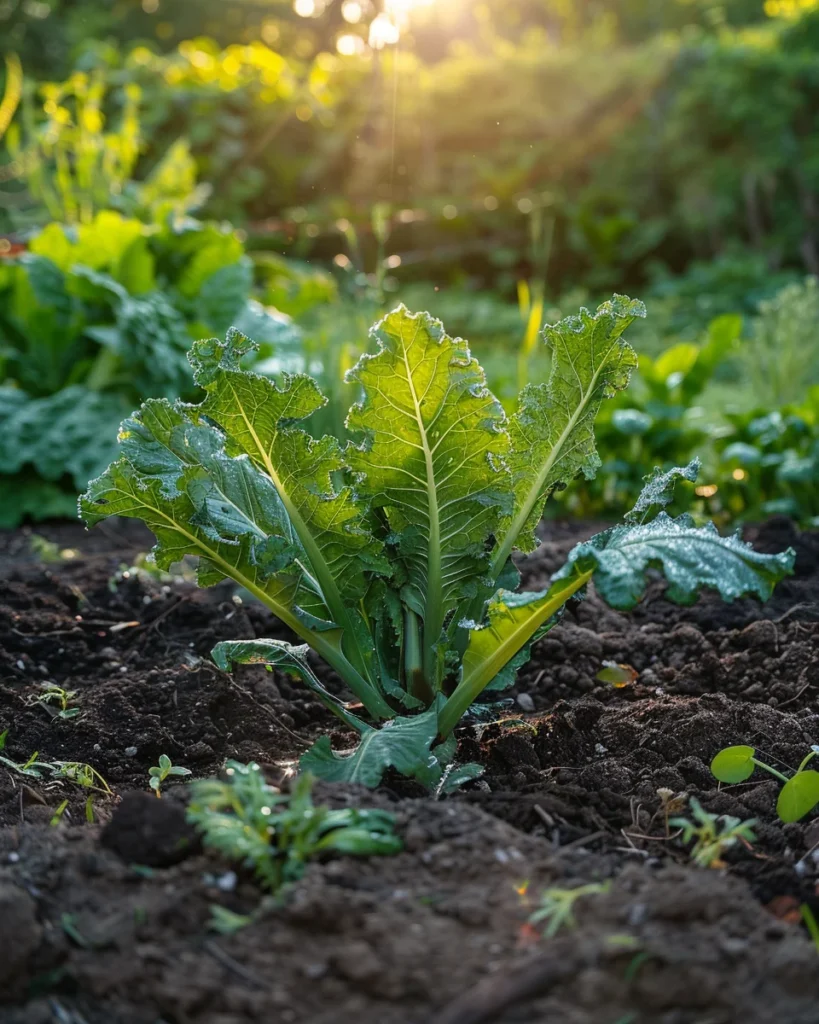
How to Grow Cardoon as an Edible Ornamental: When to Plant, Best Varieties & Care
Intro for growing cardoon as an edible ornamental
Cardoon (Cynara cardunculus) is a stunning architectural plant that offers the perfect blend of beauty and utility in any garden. This Mediterranean native, closely related to the globe artichoke, features dramatic silvery-gray foliage and impressive thistle-like purple flowers that can reach heights of 1.5-2 meters (5-6 feet). While its ornamental qualities make it a standout in borders and statement plantings, cardoon’s blanched stalks are a delicious culinary delicacy with a flavor reminiscent of artichoke hearts. Thriving in full sun and well-drained soil, cardoon performs best in temperate regions with mild winters (USDA zones 7-10, UK zones H4-H5). This drought-tolerant perennial combines dramatic visual impact with gourmet potential, making it an exceptional dual-purpose plant for the garden.
When to plant cardoon as an edible ornamental
Cardoon should be planted when soil temperatures have warmed to at least 10-13°C (50-55°F), typically after the risk of hard frost has passed. In most temperate regions, this means spring planting, though in Mediterranean or mild winter areas, fall planting is also possible. Cardoon is somewhat frost-tolerant once established, handling light frosts down to -5°C (23°F), but young plants need protection from freezing temperatures. In colder regions (below zone 7), cardoon is often grown as an annual or requires significant winter protection. For optimal growth, wait until nighttime temperatures consistently stay above 7°C (45°F) before planting outdoors.
Best time to plant cardoon as an edible ornamental
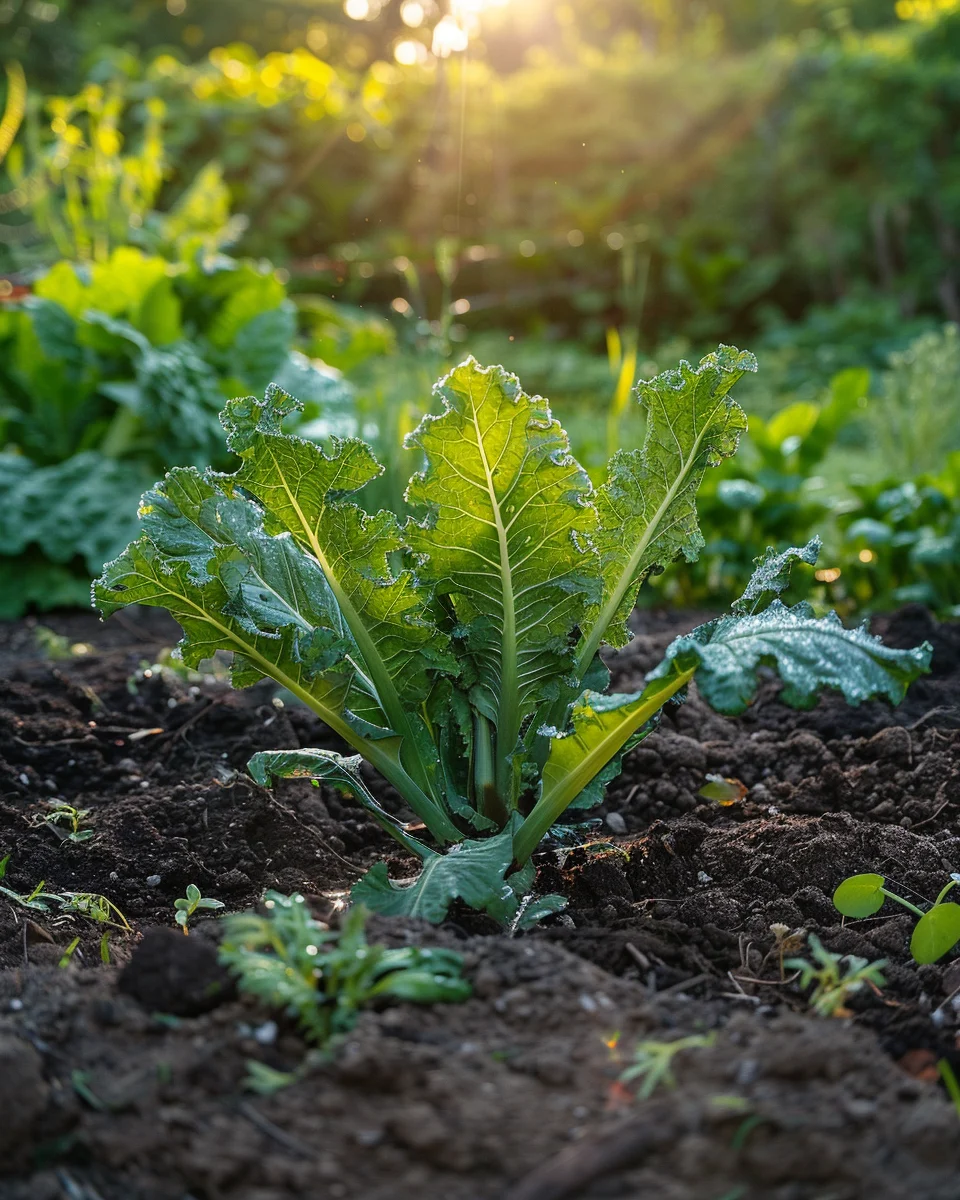
In cool temperate regions (UK, Northern Europe, US zones 5-7), start seeds indoors 8-10 weeks before your last spring frost date, typically February to March, then transplant outdoors in April to May. Direct sowing outdoors is possible in May once soil has warmed. In warm temperate regions (Mediterranean, US zones 8-10), plant in early spring (March-April) or fall (September-October) to avoid summer heat stress during establishment. For container growing in colder areas, plant in early spring and move containers to protected areas during winter. In all regions, avoid midsummer planting when heat can stress young plants.
Best cardoon varieties to grow as edible ornamentals
- Gobbo di Nizza – Traditional Italian variety with excellent flavor and thick, fleshy stalks that blanch beautifully.
- Porto Spineless – Nearly spineless variety making it easier to handle and harvest, with good cold tolerance.
- Gigante – Impressive size with stems reaching up to 1 meter (3 feet) tall, perfect for dramatic garden statements.
- Plein Blanc Amélioré – French variety with particularly tender stalks and superior blanching qualities.
- Rouge d’Alger – Distinctive reddish-tinged stems and excellent flavor, adding unique color to the garden.
- Ivory White – Compact variety reaching only 1-1.2 meters (3-4 feet), suitable for smaller gardens and containers.
- Lyon – Traditional French variety with broad ribs and excellent flavor, widely grown for commercial production.
How to plant cardoon as an edible ornamental
Materials needed:
- Cardoon seeds or young plants
- Compost or well-rotted manure
- General-purpose fertilizer
- Garden fork or tiller
- Trowel or garden spade
- Watering can or hose
- Mulch (straw, compost, or bark chips)
Step-by-step planting:
- Select a sunny location with well-drained soil and protection from strong winds.
- Prepare the soil by digging in plenty of compost or well-rotted manure to a depth of 30-40 cm (12-16 inches).
- For seeds, sow 1 cm (½ inch) deep in small pots or seed trays using seed compost.
- When seedlings reach 10-15 cm (4-6 inches) tall with several true leaves, harden them off for 7-10 days.
- Dig planting holes twice the width of the root ball and at the same depth.
- Space plants 60-90 cm (24-36 inches) apart, as cardoon needs room to spread.
- Place plants in holes at the same level they were growing in their containers.
- Backfill with soil, firming gently around the roots.
- Water thoroughly after planting to settle the soil around roots.
- Apply a 5-7 cm (2-3 inch) layer of mulch around plants, keeping it away from stems.
How to grow cardoon as an edible ornamental
Cardoon thrives in full sunlight, requiring at least 6-8 hours of direct sun daily for optimal growth and flower production. Water deeply but infrequently, allowing the top 2-5 cm (1-2 inches) of soil to dry between waterings. Once established, cardoon is drought-tolerant, though regular watering during dry periods will improve edible stalk quality. Apply a balanced fertilizer (10-10-10) in spring when growth begins, and again lightly in midsummer. For edible stalks, blanching is essential: in late summer or early fall, gather the stalks together, wrap them in paper or cardboard, and mound soil around the base for 3-4 weeks before harvest.
For container growing, choose pots at least 40-50 cm (16-20 inches) deep and wide with excellent drainage. Use a loam-based potting mix with added grit. Container-grown cardoons need more frequent watering and feeding than garden plants. Prune away damaged leaves throughout the season, and in colder regions, cut plants back to 15 cm (6 inches) above ground level in late autumn, covering with mulch for winter protection.
Caring for cardoon as an edible ornamental
Regular maintenance includes removing lower yellowing leaves to improve air circulation and appearance. Watch for aphids, which can be controlled with a strong water spray or insecticidal soap, and slugs/snails, deterred with barriers or organic pellets. Powdery mildew may appear in humid conditions—improve air circulation and avoid overhead watering to prevent it. For edible use, harvest stalks after blanching when they’re tender but before they become stringy, typically 3-4 weeks after blanching begins. Cut stalks at ground level using a sharp knife.
In regions with wet winters, provide drainage to prevent crown rot. For ornamental purposes, the dramatic flower heads can be left to develop in summer, though this reduces the quality of edible stalks. After flowering, seed heads can be dried for floral arrangements or left for birds. Divide established plants every 3-4 years in spring to maintain vigor and prevent overcrowding.
Understanding bolting in cardoon
Bolting in cardoon refers to the plant’s natural progression to flower and set seed. Unlike leafy vegetables where bolting is undesirable, cardoon naturally produces a flower stalk in its second year or when triggered by environmental factors. This is part of its biennial growth cycle, though in warm climates it may flower in the first year. Triggers include long daylight hours, temperatures consistently above 26°C (80°F), or stress from drought or root disturbance.
If growing primarily for edible stalks, harvest before flowering begins, as stalks become tough and bitter after bolting starts. For ornamental purposes, bolting is desirable as it produces the dramatic purple thistle-like flowers that attract pollinators. To delay bolting for edible production, provide consistent moisture, avoid temperature extremes, and harvest stalks before midsummer. If bolting occurs early, you can still enjoy the plant as an ornamental feature and save seeds for next season.
Why does cardoon turn bitter?
- Age – Older stalks naturally develop more bitterness; harvest when young and tender.
- Lack of blanching – Unblanched stalks contain more bitter compounds; proper blanching for 3-4 weeks reduces bitterness significantly.
- Heat stress – Prolonged high temperatures increase bitter compounds; provide afternoon shade in hot climates.
- Drought – Water stress intensifies bitterness; maintain consistent soil moisture, especially during hot periods.
- Post-bolting harvest – Stalks harvested after flowering begins will be notably bitter; harvest before flower stalks form.
Companion planting for cardoon
Good companions:
- Beans and peas – Fix nitrogen in soil that benefits cardoon’s heavy feeding needs.
- Aromatic herbs (rosemary, sage, thyme) – Repel some insect pests and their strong scents complement cardoon’s architectural form.
- Alliums (onions, garlic, chives) – Deter aphids and other pests that may attack cardoon.
- Calendula and nasturtiums – Attract beneficial insects and add color contrast to cardoon’s silver foliage.
- Cosmos and other tall annuals – Provide visual harmony with cardoon’s height while attracting pollinators.
Avoid planting near:
- Potatoes and other nightshades – May compete for nutrients and share some disease susceptibilities.
- Fennel – Chemical incompatibility can inhibit growth of both plants.
- Small or delicate plants – Cardoon’s size and spreading habit can overwhelm smaller companions.
Seasonal calendar
- January-February: Order seeds; plan garden layout; start seeds indoors in late February (cold regions).
- March-April: Start seeds indoors (cool regions); prepare planting sites; transplant seedlings in mild areas.
- May: Transplant seedlings outdoors after last frost; direct sow in warm regions; apply initial fertilizer.
- June-July: Water during dry periods; monitor for pests; thin if direct-sown.
- August: Begin blanching process for fall harvest; provide extra water during heat.
- September-October: Harvest blanched stalks; enjoy ornamental flowers; plant in fall in warm regions.
- November: Cut back flowering stems; prepare plants for winter in cold regions.
- December: Apply winter mulch in cold regions; continue harvesting in mild climates.
Problems & solutions
| Problem | Quick Fix |
|---|---|
| Aphid infestation | Spray with strong water jet; apply insecticidal soap; introduce ladybugs. |
| Powdery mildew | Improve air circulation; apply neem oil or milk spray (1:10 milk:water ratio). |
| Slug damage | Set beer traps; apply diatomaceous earth around plants; hand-pick in evenings. |
| Poor growth/yellowing | Apply balanced fertilizer; check soil pH (ideal 6.0-7.5); ensure adequate sunlight. |
| Root rot | Improve drainage; reduce watering frequency; replant in raised beds if soil is heavy. |
| Winter dieback | Cut back to 15 cm above ground; apply thick mulch; consider growing in containers in very cold regions. |
| Excessive bitterness | Ensure proper blanching; harvest younger stalks; maintain consistent watering. |
Common questions about growing cardoon as an edible ornamental
How often should I water cardoon?
Water deeply once a week in normal conditions, increasing to twice weekly during hot, dry periods. Established plants are drought-tolerant but produce better edible stalks with consistent moisture. Container plants need more frequent watering, possibly daily during summer heat.
Can cardoon grow in partial shade?
Cardoon prefers full sun (6-8 hours daily) but can tolerate partial shade, especially in hot climates where afternoon shade may be beneficial. However, plants grown in too much shade will be lankier, produce fewer flowers, and develop less flavor in the stalks.
What size container is suitable for growing cardoon?
Use containers at least 40-50 cm (16-20 inches) in diameter and depth with excellent drainage. Larger containers of 60-75 cm (24-30 inches) are even better as cardoon develops a substantial taproot and appreciates room to grow.
How far apart should I space cardoon plants?
Space plants 60-90 cm (24-36 inches) apart to allow for their substantial spread. In ornamental borders where you want a dramatic effect, you can plant them closer at 45-60 cm (18-24 inches), but this may reduce air circulation and increase disease risk.
Can cardoon survive winter in cold climates?
Cardoon is hardy to about -5°C (23°F) once established (USDA zones 7-10). In colder regions, provide winter protection by cutting plants back to 15 cm (6 inches), covering with a thick mulch layer, and possibly adding a cloche or frost blanket. In zones 5-6, growing in containers that can be moved to protected areas is often more successful.
How do I blanch cardoon stalks for eating?
When plants are full-sized (usually late summer), gather the stalks together, tie them loosely with garden twine, and wrap the bundle with newspaper, cardboard, or brown paper, leaving the top growth exposed. Mound soil around the base and keep the plant watered. After 3-4 weeks, unwrap and harvest the pale, tender stalks.
Can I harvest cardoon in the first year?
Yes, you can harvest cardoon stalks in the first year, typically in late summer or fall. For the best quality, blanch the stalks 3-4 weeks before harvest. If growing primarily as an ornamental, you may prefer to let the plant flower in its first year instead of harvesting.