
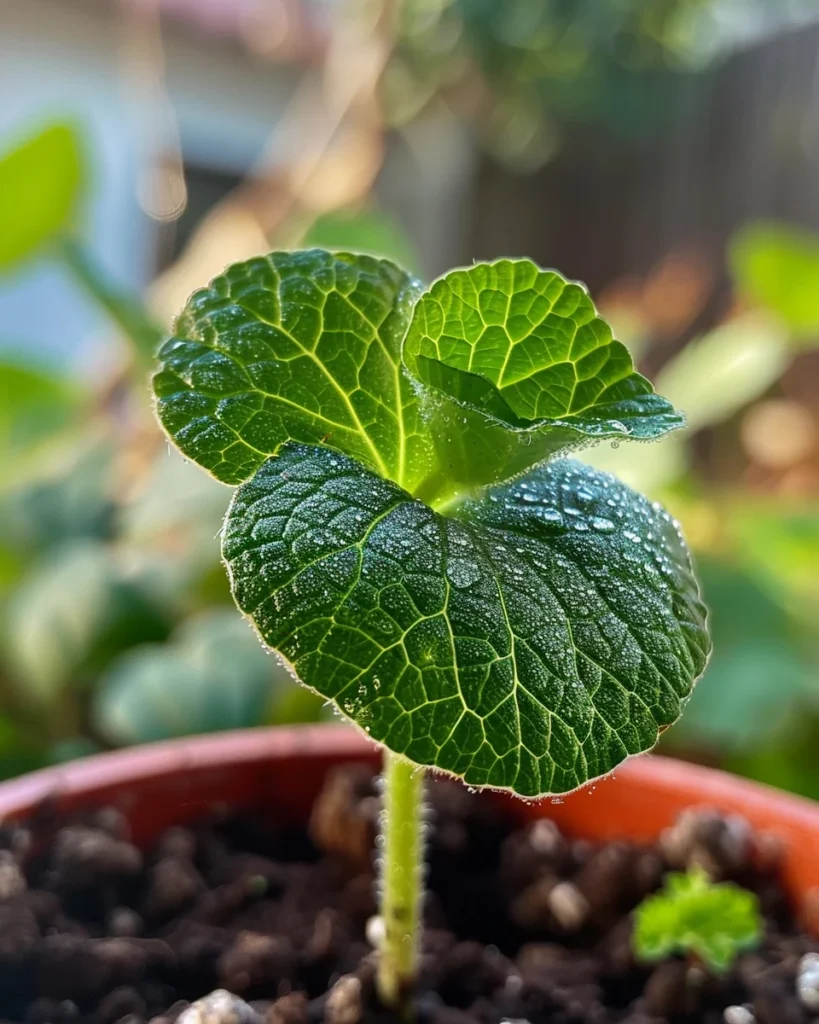
How to Grow Cantaloupe in Containers: Complete Guide for Sweet Success in Small Spaces
Intro for growing cantaloupe in containers
Cantaloupe (Cucumis melo) brings the sweet taste of summer to any garden, and growing them in containers makes this delicious melon accessible even to gardeners with limited space. Container-grown cantaloupes offer the advantage of mobility, allowing you to position plants for optimal sunlight and protection from harsh weather. With their sprawling vines and softball-sized fruits, cantaloupes might seem challenging for container culture, but with the right varieties and care techniques, you can successfully harvest these aromatic, nutrient-rich melons from your patio, balcony, or small garden. Cantaloupes thrive in warm conditions and require full sun, making them perfect for container gardening where you can control soil quality and drainage.
When to plant cantaloupe in containers
Cantaloupes are warm-season crops that require soil temperatures of at least 18-21°C (65-70°F) for successful germination. They are extremely frost-sensitive, so timing is crucial. In temperate regions, wait until all danger of frost has passed and nighttime temperatures consistently stay above 12°C (55°F). For most regions, this means planting in late spring to early summer. If you’re in USDA zones 4-6 or UK/Northern European climates, you may need to start seeds indoors 3-4 weeks before your last frost date to extend the growing season. In warmer zones 7-10 or Mediterranean climates, you can direct sow into containers once temperatures are suitable.
Best time to plant cantaloupe in containers

For cool temperate regions (USDA zones 4-6, UK, Northern Europe), start seeds indoors in April to early May, then transplant outdoors in late May to early June. In warm temperate regions (USDA zones 7-9, Southern Europe), direct sow or transplant from mid-April to mid-May. For hot climates (USDA zones 10-11, Mediterranean), you can plant as early as March or even do a second planting in August for a fall harvest. When container planting, you gain the advantage of starting earlier than in-ground gardens since container soil warms faster. For the best results, wait until 2-3 weeks after your region’s last average frost date to ensure warm enough conditions for these heat-loving plants.
Best cantaloupe varieties to grow in containers
- Minnesota Midget – Compact vines (3-4 feet) perfect for containers, producing 4-inch fruits that mature in just 60-70 days.
- Sugar Cube – Disease-resistant variety with small (2-pound) fruits on manageable vines, offering exceptionally sweet flavor.
- Charentais – French heirloom with small (2-3 pound) aromatic fruits on relatively compact vines ideal for large containers.
- Tasty Bites – Hybrid bred specifically for containers and small spaces, producing personal-sized melons with excellent disease resistance.
- Sarah’s Choice – Medium-sized (3-pound) fruits with outstanding flavor and good productivity on semi-compact vines.
- Golden Jenny – Early-maturing variety with small fruits and shorter vines, perfect for hanging baskets or smaller containers.
- Honey Pearl – White-fleshed, highly sweet variety with good disease resistance and manageable vine length.
How to plant cantaloupe in containers
Materials needed:
- Large container (minimum 5-gallon/19-liter size, 24 inches/60 cm diameter)
- High-quality potting mix with compost
- Cantaloupe seeds or seedlings
- Trellis or support structure (optional but recommended)
- Slow-release fertilizer
- Watering can or hose with gentle spray attachment
Step-by-step planting:
- Select a container at least 5 gallons (19 liters) in volume with multiple drainage holes. Larger containers (10-15 gallons/38-57 liters) are even better.
- Fill the container with high-quality potting mix enriched with 25% compost. Avoid using garden soil which can compact in containers.
- Mix in a slow-release fertilizer according to package directions to provide nutrients throughout the growing season.
- If direct sowing, plant 3-4 seeds per container, 1 inch (2.5 cm) deep. Space seeds evenly around the container.
- If transplanting seedlings, plant one strong seedling per container, setting it at the same depth it was growing previously.
- Water thoroughly until moisture comes out of the drainage holes.
- Install a trellis or support structure at planting time to avoid disturbing roots later (if using vertical growing method).
- Place the container in your sunniest location that receives at least 8 hours of direct sunlight daily.
- If direct sowing, thin to the strongest 1-2 seedlings once they develop their first true leaves.
How to grow cantaloupe in containers
Cantaloupes in containers require consistent care to produce sweet, juicy fruits. Position your container where it will receive 8-10 hours of full sunlight daily. South-facing locations are ideal in the Northern Hemisphere. Water deeply when the top inch (2.5 cm) of soil feels dry, typically every 1-2 days during hot weather. Container-grown cantaloupes dry out faster than garden-grown plants, so check moisture levels daily during summer heat. Apply a balanced liquid fertilizer diluted to half-strength every 2-3 weeks after flowering begins.
Mulch the soil surface with straw or coconut coir to retain moisture and keep fruits clean. For container growing, vertical training is highly recommended – install a sturdy trellis or cage and gently guide vines upward as they grow, securing with soft plant ties. For larger fruited varieties, create fabric slings to support developing melons on the trellis. If growing without a trellis, allow vines to cascade over container edges, but place containers where vines will have space to spread (1-2 meters/3-6 feet). Prune if necessary to limit rampant growth, focusing energy on 2-3 fruits per plant for container growing.
Caring for cantaloupe in containers
Monitor soil moisture carefully as containers can dry out quickly, especially during fruit development. When fruits reach tennis ball size, reduce watering slightly to increase sweetness, but never allow the soil to completely dry out. Feed with a low-nitrogen, high-phosphorus and potassium fertilizer (like 5-10-10) when fruits begin to develop to encourage sweetness. Hand-pollination may be necessary for container plants grown on balconies or areas with few pollinators – use a small brush to transfer pollen from male flowers (thin stems) to female flowers (with tiny fruit behind the blossom).
Watch for common pests including aphids, cucumber beetles, and spider mites. Treat aphids with a strong spray of water or insecticidal soap. For cucumber beetles, which can spread bacterial wilt, use floating row covers until flowering. Spider mites thrive in hot, dry conditions – increase humidity by misting plants and treat with neem oil if needed. Powdery mildew can be problematic – improve air circulation and apply a baking soda spray (1 tablespoon in 1 gallon water with a few drops of dish soap) as a preventative.
Harvest when fruits easily slip from the vine with gentle pressure, when the skin turns from green to tan/yellow, and when the fruit emits a sweet aroma at the stem end. Most cantaloupes will store for 5-7 days at room temperature or up to two weeks in the refrigerator.
Understanding bolting in cantaloupe
Unlike leafy greens, cantaloupes don’t technically bolt in the traditional sense of premature flowering. However, they can experience accelerated development under stress conditions, which affects fruit quality. When cantaloupes experience extreme heat (above 35°C/95°F for extended periods), drought stress, or nutrient deficiencies, they may rush through their growth cycle, producing smaller, less sweet fruits or dropping flowers before fruit set.
To prevent stress-induced poor development, maintain consistent soil moisture, especially during flowering and fruit set. Provide afternoon shade in extremely hot climates by positioning containers where they receive morning sun but afternoon protection. Apply mulch to regulate soil temperature and retain moisture. If plants show signs of stress (wilting despite adequate water, yellowing leaves), increase watering frequency and consider applying a shade cloth during the hottest part of the day. Remember that container plants are more vulnerable to temperature fluctuations than garden-grown melons.
Why does cantaloupe turn bitter?
- Inconsistent watering – Drought stress followed by overwatering can cause bitterness; maintain even soil moisture throughout the growing season.
- Excessive heat – Prolonged temperatures above 35°C (95°F) can affect flavor development; provide afternoon shade in extremely hot weather.
- Harvesting too early – Immature melons lack sweetness and can taste bitter; wait until fruits slip easily from the vine and emit a sweet aroma.
- Nutrient imbalance – Too much nitrogen promotes leafy growth at the expense of fruit quality; switch to a low-nitrogen, high-potassium fertilizer when fruits begin to form.
- Cross-pollination – While rare in home gardens, cross-pollination with wild cucurbits can cause bitterness; this is more common in areas with wild cucumber relatives growing nearby.
Companion planting for cantaloupe in containers
Even in containers, companion planting can benefit your cantaloupes. Consider these beneficial companions:
- Nasturtiums – Repel aphids and cucumber beetles while attracting pollinators with bright flowers.
- Marigolds – Deter nematodes and other soil pests with their root secretions.
- Basil – Improves flavor and repels flies and mosquitoes when planted in adjacent containers.
- Oregano or thyme – Low-growing herbs that can be planted in the same container, acting as living mulch while repelling pests.
- Radishes – Quick-growing companions that can be harvested before cantaloupe vines need the space.
Avoid planting cantaloupe containers near:
- Potatoes – Compete for nutrients and can increase disease susceptibility.
- Other melons or cucurbits – Share pests and diseases, potentially increasing problems.
- Brassicas (broccoli, cabbage) – Have different growing requirements and can stunt melon growth.
Seasonal calendar
- February-March – Start seeds indoors in warm regions; prepare containers and potting mix.
- April – Start seeds indoors in cooler regions; direct sow in containers in warm regions (zones 9-11).
- May – Transplant seedlings to outdoor containers in most regions once temperatures are consistently warm; direct sow in zones 6-8.
- June – Continue care; install trellises if not done at planting; begin regular feeding schedule.
- July – Monitor for pests and diseases; hand-pollinate if necessary; support developing fruits on trellises.
- August-September – Harvest fruits as they ripen; reduce watering slightly as fruits mature to increase sweetness.
- October – Final harvests in most regions; clean up plant material and prepare containers for winter.
Adjust timing earlier by 3-4 weeks for hot regions (zones 9-11) and later by 2-3 weeks for cooler regions (zones 4-5).
Problems & solutions
| Problem | Quick Fix |
|---|---|
| Flowers dropping without forming fruit | Hand-pollinate flowers in early morning; ensure temperatures aren’t too high (above 32°C/90°F) or too low (below 15°C/60°F) at night. |
| Cracked fruits | Maintain consistent watering, especially as fruits ripen; avoid sudden heavy watering after dry periods. |
| Powdery white spots on leaves | Improve air circulation; spray with diluted milk solution (1 part milk to 9 parts water) or neem oil to treat powdery mildew. |
| Small or underdeveloped fruits | Limit to 2-3 fruits per container plant; ensure adequate fertilization with potassium and phosphorus; check for adequate pollination. |
| Yellowing leaves | Check for overwatering or underwatering; apply balanced fertilizer if nutrient deficiency is suspected; inspect for pests under leaves. |
| Fruits not sweetening | Ensure full sun exposure; slightly reduce watering as fruits mature; wait until fruits easily slip from vine before harvesting. |
| Wilting despite adequate water | Check for root rot (improve drainage) or bacterial wilt (remove affected plants); provide afternoon shade in extreme heat. |
Common questions about growing cantaloupe in containers
What size container is best for growing cantaloupe?
Use containers at least 5 gallons (19 liters) in volume and 12 inches (30 cm) deep, though 10-15 gallon (38-57 liter) containers are ideal. Each plant needs at least 24 inches (60 cm) in diameter of growing space.
How much sunlight do container-grown cantaloupes need?
Cantaloupes require 8-10 hours of direct sunlight daily. In extremely hot climates, afternoon shade can be beneficial to prevent stress, but morning sun is essential.
How often should I water cantaloupe in containers?
Check containers daily during hot weather. Water thoroughly when the top inch (2.5 cm) of soil feels dry. Container cantaloupes typically need watering every 1-2 days during summer, possibly daily during heat waves.
Do I need to hand-pollinate cantaloupe in containers?
Hand-pollination is recommended for container cantaloupes, especially on balconies or in areas with few pollinators. Use a small brush to transfer pollen from male flowers (thin stems) to female flowers (with tiny fruit behind the blossom) in early morning.
How many cantaloupe plants can I grow in one container?
For best results, grow only one cantaloupe plant per container, unless using extremely large containers (25+ gallons/95+ liters). Multiple plants compete for nutrients and can reduce yield and fruit quality.
When are cantaloupes ready to harvest?
Harvest when fruits easily detach or “slip” from the vine with gentle pressure, when the skin turns from green to tan/yellow, and when a sweet aroma is detectable at the stem end. The netting pattern on the rind should be well-developed and raised.
Can I grow cantaloupe vertically in containers?
Yes, vertical growing is highly recommended for container cantaloupes. Use a sturdy trellis, cage, or support at least 5-6 feet (1.5-1.8 m) tall. Support developing fruits with slings made from old t-shirts, pantyhose, or mesh bags to prevent them from breaking the vine.